Politiker
Marco Rubio
1971 - heute
DE.WIKIPEDIA-SEITENAUFRUFE (PV)
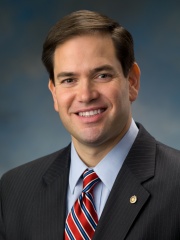

 Marco Rubio
Seine Biografie ist in 66 verschiedenen Sprachen auf Wikipedia verfügbar (gestiegen von 46 im Jahr 2024). Marco Rubio ist der 3,323rd beliebteste Politiker (gestiegen vom 15,633rd im Jahr 2024), die 1,212th beliebteste Biografie aus Vereinigte Staaten (gestiegen vom 8,407th im Jahr 2019) und der 110th beliebteste aus den Vereinigte Staaten Politiker.
Bekanntheitsmetriken
7.1M
Seitenaufrufe
Letzte 12 Monate
69.09
HPI
Historischer Popularitätsindex
Daten-Einblicke
66
Die Biografie von Marco Rubio erscheint in 66 Sprachversionen der Wikipedia – mehr als bei 95 % aller Politiker.
28. Mai
Marco Rubio hat am selben Tag Geburtstag (28. Mai) wie Selim II, George I of Great Britain und Edvard Beneš.
43×
Die Wikipedia-Seite von Marco Rubio verzeichnete im vergangenen Jahr 7.1M Aufrufe – das 43-Fache des Durchschnitts aller Politiker.
+20
Die Biografie von Marco Rubio kam im vergangenen Jahr in 20 neuen Sprachversionen der Wikipedia hinzu.
Seitenaufrufe von Marco Rubio nach Sprache
Unter Politiker
Unter Politiker belegt Marco Rubio Rang 3,321 von 19,576. Vor ihm stehen Kʼinich Janaabʼ Pakal, Köprülüzade Fazıl Ahmed Pasha, Piast the Wheelwright, Pekah, Rajendra Chola I, und Ted Kennedy. Nach ihm folgen Michał Korybut Wiśniowiecki, Frederick I, Duke of Swabia, Igor Smirnov, Otto II, Duke of Bavaria, Min Aung Hlaing, und Ivan Silayev.
Die beliebtesten Politiker auf Wikipedia
Zu allen Ranglisten
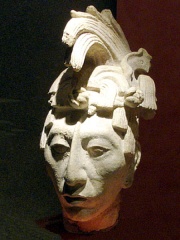
Kʼinich Janaabʼ Pakal
603 - 683
HPI: 69.11
Rang: 3,317
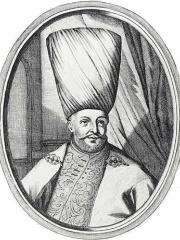
Köprülüzade Fazıl Ahmed Pasha
1635 - 1676
HPI: 69.11
Rang: 3,318
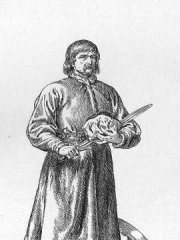
Piast the Wheelwright
800 - 870
HPI: 69.11
Rang: 3,319
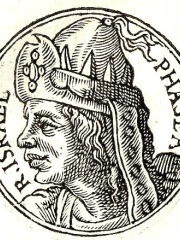
Pekah
790 BC - 732 BC
HPI: 69.10
Rang: 3,320

Rajendra Chola I
1000 - 1044
HPI: 69.10
Rang: 3,321
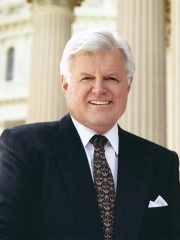
Ted Kennedy
1932 - 2009
HPI: 69.10
Rang: 3,322
Marco Rubio
1971 - heute
HPI: 69.09
Rang: 3,323
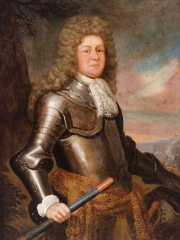
Michał Korybut Wiśniowiecki
1640 - 1673
HPI: 69.09
Rang: 3,324
Frederick I, Duke of Swabia
1050 - 1105
HPI: 69.09
Rang: 3,325
Igor Smirnov
1941 - heute
HPI: 69.09
Rang: 3,326
Otto II, Duke of Bavaria
1206 - 1253
HPI: 69.09
Rang: 3,327

Min Aung Hlaing
1956 - heute
HPI: 69.09
Rang: 3,328
Ivan Silayev
1930 - 2023
HPI: 69.09
Rang: 3,329

Zeitgenossen
Unter den im Jahr 1971 Geborenen belegt Marco Rubio Rang 12. Vor ihm stehen Jared Leto, Anna Netrebko, Jada Pinkett Smith, Selena, Queen Máxima of the Netherlands, und Andy Cole. Nach ihm folgen Winona Ryder, Mark Wahlberg, Jeremy Renner, Vitali Klitschko, Ke Huy Quan, und Idina Menzel.
Weitere im Jahr 1971 Geborene
Zu allen Ranglisten
Jared Leto
ACTOR
1971 - heute
HPI: 72.93
Rang: 6
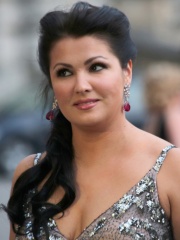
Anna Netrebko
SINGER
1971 - heute
HPI: 71.96
Rang: 7
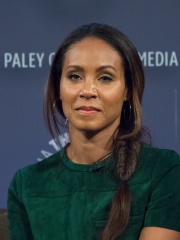
Jada Pinkett Smith
ACTOR
1971 - heute
HPI: 70.37
Rang: 8

Selena
SINGER
1971 - 1995
HPI: 70.32
Rang: 9
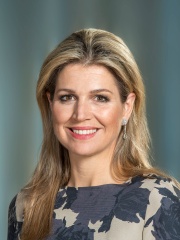
Queen Máxima of the Netherlands
COMPANION
1971 - heute
HPI: 69.31
Rang: 10
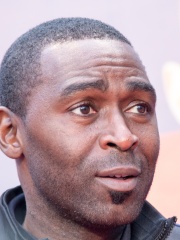
Andy Cole
SOCCER PLAYER
1971 - heute
HPI: 69.28
Rang: 11
Marco Rubio
POLITICIAN
1971 - heute
HPI: 69.09
Rang: 12

Winona Ryder
ACTOR
1971 - heute
HPI: 68.73
Rang: 13

Mark Wahlberg
ACTOR
1971 - heute
HPI: 68.40
Rang: 14

Jeremy Renner
ACTOR
1971 - heute
HPI: 68.11
Rang: 15
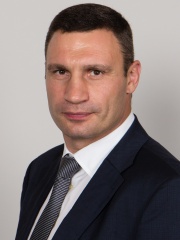
Vitali Klitschko
BOXER
1971 - heute
HPI: 67.96
Rang: 16
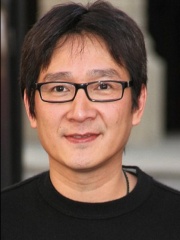
Ke Huy Quan
ACTOR
1971 - heute
HPI: 67.94
Rang: 17

Idina Menzel
ACTOR
1971 - heute
HPI: 67.91
Rang: 18
In Vereinigte Staaten
Unter den in Vereinigte Staaten Geborenen belegt Marco Rubio Rang 1,212 von 20,380. Vor ihm stehen Bill Gates Sr. (1925), Lionel Richie (1949), Shawn Michaels (1965), Ted Kennedy (1932), Robert Solow (1924), und Carroll O'Connor (1924). Nach ihm folgen Robert Venturi (1925), Linda Hunt (1945), Gerald Edelman (1929), Mark Milley (1958), Paul Lauterbur (1929), und John Tate (1925).
Weitere in Vereinigte Staaten geborene Personen
Zu allen Ranglisten
Bill Gates Sr.
LAWYER
1925 - 2020
HPI: 69.12
Rang: 1,206
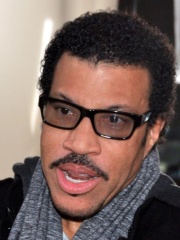
Lionel Richie
MUSICIAN
1949 - heute
HPI: 69.11
Rang: 1,207
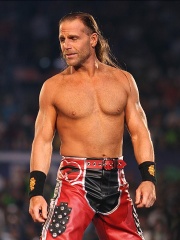
Shawn Michaels
WRESTLER
1965 - heute
HPI: 69.10
Rang: 1,208
Ted Kennedy
POLITICIAN
1932 - 2009
HPI: 69.10
Rang: 1,209
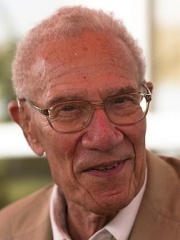
Robert Solow
ECONOMIST
1924 - 2023
HPI: 69.10
Rang: 1,210
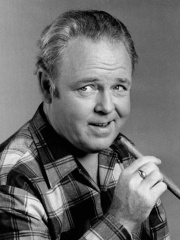
Carroll O'Connor
ACTOR
1924 - 2001
HPI: 69.10
Rang: 1,211
Marco Rubio
POLITICIAN
1971 - heute
HPI: 69.09
Rang: 1,212
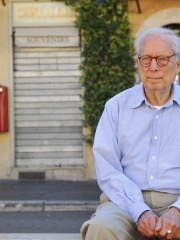
Robert Venturi
ARCHITECT
1925 - 2018
HPI: 69.07
Rang: 1,213
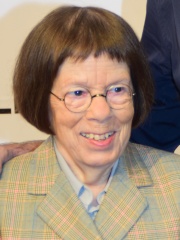
Linda Hunt
ACTOR
1945 - heute
HPI: 69.06
Rang: 1,214
Gerald Edelman
BIOLOGIST
1929 - 2014
HPI: 69.05
Rang: 1,215
Mark Milley
MILITARY PERSONNEL
1958 - heute
HPI: 69.05
Rang: 1,216
Paul Lauterbur
CHEMIST
1929 - 2007
HPI: 69.04
Rang: 1,217

John Tate
MATHEMATICIAN
1925 - 2019
HPI: 69.04
Rang: 1,218
Unter Politiker in Vereinigte Staaten
Unter den in Vereinigte Staaten geborenen Politiker belegt Marco Rubio Rang 110. Vor ihm stehen Frank B. Kellogg (1856), William Perry (1927), Edward Stettinius Jr. (1900), Henry Morgenthau Jr. (1891), Frank Caprio (1936), und Ted Kennedy (1932). Nach ihm folgen Colin Powell (1937), George Papandreou (1952), Mike Johnson (1972), Eliot Ness (1903), John Dickinson (1732), und Robert Smith (1757).
Frank B. Kellogg
1856 - 1937
HPI: 69.43
Rang: 104
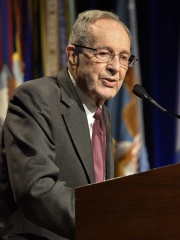
William Perry
1927 - heute
HPI: 69.41
Rang: 105
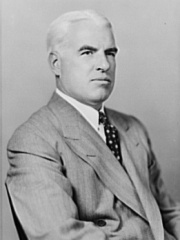
Edward Stettinius Jr.
1900 - 1949
HPI: 69.36
Rang: 106

Henry Morgenthau Jr.
1891 - 1967
HPI: 69.32
Rang: 107
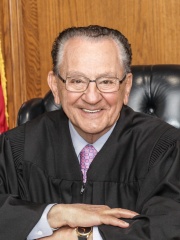
Frank Caprio
1936 - 2025
HPI: 69.31
Rang: 108
Ted Kennedy
1932 - 2009
HPI: 69.10
Rang: 109
Marco Rubio
1971 - heute
HPI: 69.09
Rang: 110
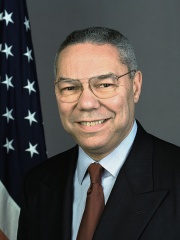
Colin Powell
1937 - 2021
HPI: 69.03
Rang: 111
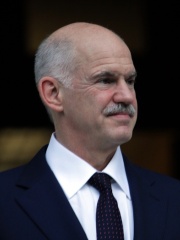
George Papandreou
1952 - heute
HPI: 68.97
Rang: 112
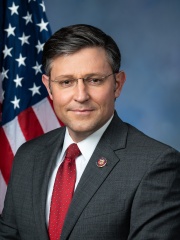
Mike Johnson
1972 - heute
HPI: 68.96
Rang: 113
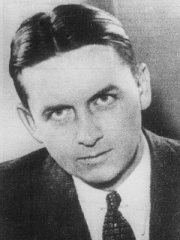
Eliot Ness
1903 - 1957
HPI: 68.89
Rang: 114
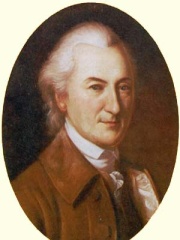
John Dickinson
1732 - 1808
HPI: 68.78
Rang: 115
Robert Smith
1757 - 1842
HPI: 68.72
Rang: 116




