Politiker
Lenín Moreno
1953 - heute
DE.WIKIPEDIA PAGE VIEWS (PV)
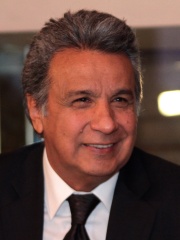

 Lenín Moreno
Seine Biografie ist in 61 verschiedenen Sprachen auf Wikipedia verfügbar (gestiegen von 57 im Jahr 2024). Lenín Moreno ist der 5,850th beliebteste Politiker (gesunken vom 3,709th im Jahr 2024), die 6th beliebteste Biografie aus Ecuador (gesunken vom 4th im Jahr 2019) und der 5th beliebteste aus Ecuador Politiker.
Memorability Metrics
97k
Page Views
Past 12 months
65.48
HPI
Historical Popularity Index
Page views of Lenín Moreno by language
Among Politikers
Among politikers, Lenín Moreno ranks 5,848 out of 19,576. Before him are Helena of Bulgaria, Empress of Serbia, Mariamne, Rama III, Infanta Maria of Guimarães, Arthur Phillip, and Henry III, Margrave of Meissen. After him are Ibrahim Mohamed Solih, Şehsuvar Sultan, James III of Majorca, Bernardino Machado, Miguel da Paz, Prince of Portugal, and Birbal.
Most Popular Politikers in Wikipedia
Go to all Rankings
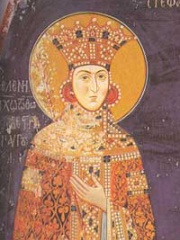
Helena of Bulgaria, Empress of Serbia
1400 - 1374
HPI: 65.48
Rank: 5,844

Mariamne
100 BC - 60 BC
HPI: 65.48
Rank: 5,845
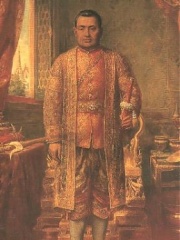
Rama III
1788 - 1851
HPI: 65.48
Rank: 5,846
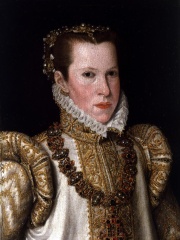
Infanta Maria of Guimarães
1538 - 1577
HPI: 65.48
Rank: 5,847
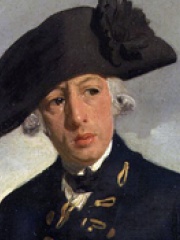
Arthur Phillip
1738 - 1814
HPI: 65.48
Rank: 5,848
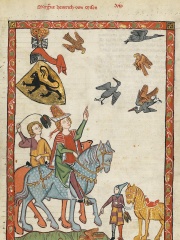
Henry III, Margrave of Meissen
1218 - 1288
HPI: 65.48
Rank: 5,849
Lenín Moreno
1953 - Present
HPI: 65.48
Rank: 5,850
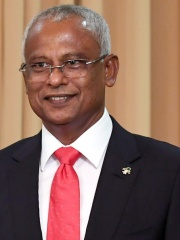
Ibrahim Mohamed Solih
1962 - Present
HPI: 65.48
Rank: 5,851
Şehsuvar Sultan
1682 - 1756
HPI: 65.48
Rank: 5,852

James III of Majorca
1315 - 1349
HPI: 65.47
Rank: 5,853
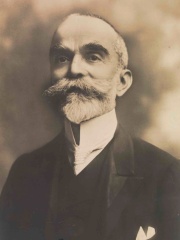
Bernardino Machado
1851 - 1944
HPI: 65.47
Rank: 5,854
Miguel da Paz, Prince of Portugal
1498 - 1500
HPI: 65.47
Rank: 5,855
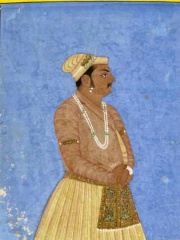
Birbal
1528 - 1586
HPI: 65.47
Rank: 5,856

Contemporaries
Among people born in 1953, Lenín Moreno ranks 81. Before him are Claudio Gentile, Antonio Tajani, Ben Bernanke, Grand Duchess Maria Vladimirovna of Russia, Alberto Zaccheroni, and Alisher Usmanov. After him are Wang Yi, Nanni Moretti, Jadranka Kosor, Mary Steenburgen, Ciarán Hinds, and Libuše Šafránková.
Others Born in 1953
Go to all Rankings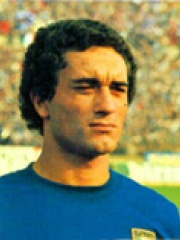
Claudio Gentile
SOCCER PLAYER
1953 - Present
HPI: 65.65
Rank: 75
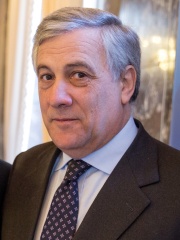
Antonio Tajani
POLITICIAN
1953 - Present
HPI: 65.63
Rank: 76
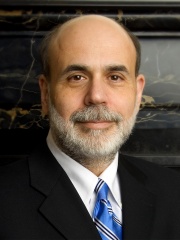
Ben Bernanke
ECONOMIST
1953 - Present
HPI: 65.58
Rank: 77
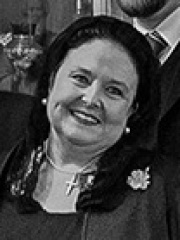
Grand Duchess Maria Vladimirovna of Russia
NOBLEMAN
1953 - Present
HPI: 65.55
Rank: 78
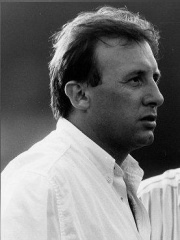
Alberto Zaccheroni
COACH
1953 - Present
HPI: 65.51
Rank: 79
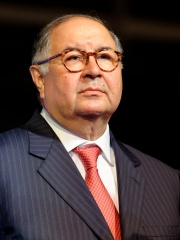
Alisher Usmanov
BUSINESSPERSON
1953 - Present
HPI: 65.49
Rank: 80
Lenín Moreno
POLITICIAN
1953 - Present
HPI: 65.48
Rank: 81
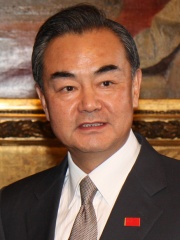
Wang Yi
POLITICIAN
1953 - Present
HPI: 65.46
Rank: 82
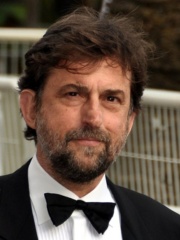
Nanni Moretti
FILM DIRECTOR
1953 - Present
HPI: 65.43
Rank: 83
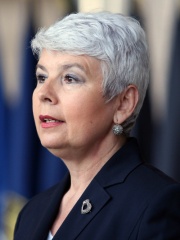
Jadranka Kosor
POLITICIAN
1953 - Present
HPI: 65.42
Rank: 84
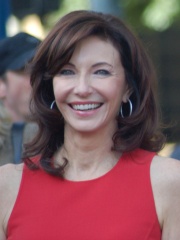
Mary Steenburgen
ACTOR
1953 - Present
HPI: 65.32
Rank: 85
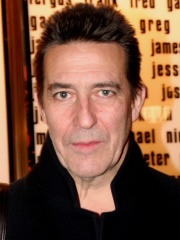
Ciarán Hinds
ACTOR
1953 - Present
HPI: 65.26
Rank: 86
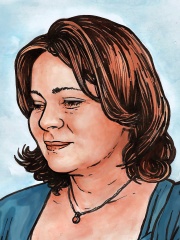
Libuše Šafránková
ACTOR
1953 - 2021
HPI: 65.25
Rank: 87
In Ecuador
Among people born in Ecuador, Lenín Moreno ranks 6 out of NaN. Before him are Huayna Capac (1476), Guillermo Lasso (1955), Rafael Correa (1963), Alfredo Palacio (1939), and Manuela Sáenz (1797). After him are María Capovilla (1889), Gabriel García Moreno (1821), Alberto Spencer (1937), José María Velasco Ibarra (1893), Frederick Ashton (1904), and Gustavo Noboa (1937).
Others born in Ecuador
Go to all Rankings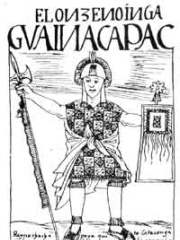
Huayna Capac
POLITICIAN
1476 - 1525
HPI: 70.82
Rank: 1
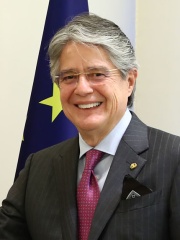
Guillermo Lasso
POLITICIAN
1955 - Present
HPI: 70.47
Rank: 2
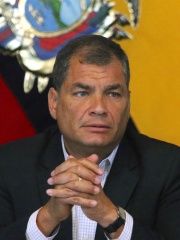
Rafael Correa
POLITICIAN
1963 - Present
HPI: 68.78
Rank: 3
Alfredo Palacio
POLITICIAN
1939 - 2025
HPI: 67.99
Rank: 4
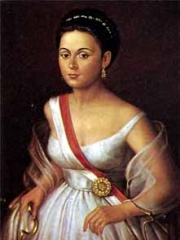
Manuela Sáenz
SOCIAL ACTIVIST
1797 - 1856
HPI: 65.49
Rank: 5
Lenín Moreno
POLITICIAN
1953 - Present
HPI: 65.48
Rank: 6
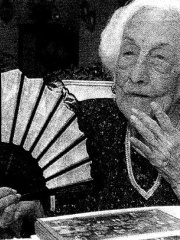
María Capovilla
CELEBRITY
1889 - 2006
HPI: 64.25
Rank: 7
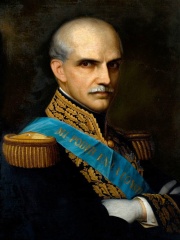
Gabriel García Moreno
POLITICIAN
1821 - 1875
HPI: 62.49
Rank: 8
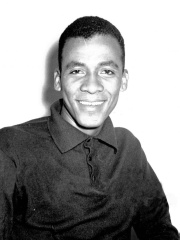
Alberto Spencer
SOCCER PLAYER
1937 - 2006
HPI: 62.16
Rank: 9
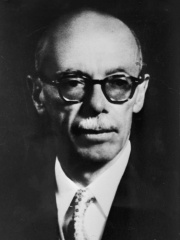
José María Velasco Ibarra
POLITICIAN
1893 - 1979
HPI: 61.27
Rank: 10
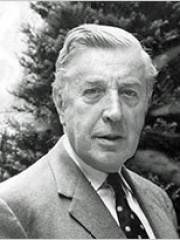
Frederick Ashton
DANCER
1904 - 1988
HPI: 61.23
Rank: 11
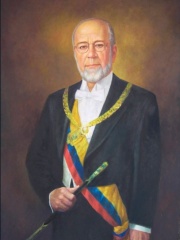
Gustavo Noboa
POLITICIAN
1937 - 2021
HPI: 61.14
Rank: 12
Among Politikers In Ecuador
Among politikers born in Ecuador, Lenín Moreno ranks 5. Before him are Huayna Capac (1476), Guillermo Lasso (1955), Rafael Correa (1963), and Alfredo Palacio (1939). After him are Gabriel García Moreno (1821), José María Velasco Ibarra (1893), Gustavo Noboa (1937), Guillermo Rodríguez (1924), Jamil Mahuad (1949), Eloy Alfaro (1842), and Jaime Roldós Aguilera (1940).
Huayna Capac
1476 - 1525
HPI: 70.82
Rank: 1
Guillermo Lasso
1955 - Present
HPI: 70.47
Rank: 2
Rafael Correa
1963 - Present
HPI: 68.78
Rank: 3
Alfredo Palacio
1939 - 2025
HPI: 67.99
Rank: 4
Lenín Moreno
1953 - Present
HPI: 65.48
Rank: 5
Gabriel García Moreno
1821 - 1875
HPI: 62.49
Rank: 6
José María Velasco Ibarra
1893 - 1979
HPI: 61.27
Rank: 7
Gustavo Noboa
1937 - 2021
HPI: 61.14
Rank: 8
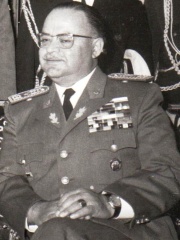
Guillermo Rodríguez
1924 - Present
HPI: 60.80
Rank: 9
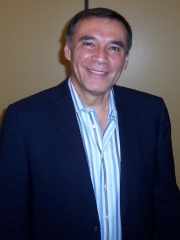
Jamil Mahuad
1949 - Present
HPI: 60.52
Rank: 10
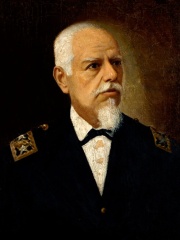
Eloy Alfaro
1842 - 1912
HPI: 60.32
Rank: 11
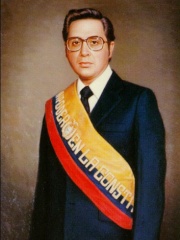
Jaime Roldós Aguilera
1940 - 1981
HPI: 60.19
Rank: 12




