Fußballspieler
Jaime Pacheco
1958 - heute
DE.WIKIPEDIA-SEITENAUFRUFE (PV)
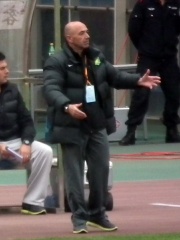
 Jaime Pacheco
Seine Biografie ist in 17 verschiedenen Sprachen auf Wikipedia verfügbar (gestiegen von 15 im Jahr 2024). Jaime Pacheco ist der 3,308th beliebteste Fußballspieler (gesunken vom 2,699th im Jahr 2024), die 361st beliebteste Biografie aus Portugal (gesunken vom 332nd im Jahr 2019) und der 64th beliebteste aus Portugal Fußballspieler.
Bekanntheitsmetriken
23k
Seitenaufrufe
Letzte 12 Monate
55.47
HPI
Historischer Popularitätsindex
Daten-Einblicke
#1
Jaime Pacheco ist die bekannteste der 3 bedeutenden Persönlichkeiten, die in Paredes, Portugal, Portugal, geboren wurden.
22. Juli
Jaime Pacheco hat am selben Tag Geburtstag (22. Juli) wie Janusz Korczak, Gustav Ludwig Hertz und Arthur Seyss-Inquart.
Seitenaufrufe von Jaime Pacheco nach Sprache
Unter Fußballspieler
Unter Fußballspieler belegt Jaime Pacheco Rang 3,304 von 21,273. Vor ihm stehen Toru Sano, Željko Milinovič, Mark Schwarzer, Kaoru Nagadome, Frank Séchehaye, und Federico Sacchi. Nach ihm folgen Efraín Sánchez, Jesper Olsen, Rıdvan Bolatlı, Crisant Bosch, Pedro Troglio, und Wilfried Puis.
Die beliebtesten Fußballspieler auf Wikipedia
Zu allen Ranglisten

Toru Sano
1963 - heute
HPI: 55.49
Rang: 3,302

Željko Milinovič
1969 - heute
HPI: 55.48
Rang: 3,303
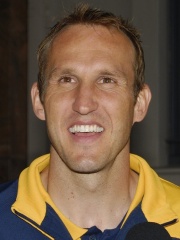
Mark Schwarzer
1972 - heute
HPI: 55.48
Rang: 3,304

Kaoru Nagadome
1973 - heute
HPI: 55.48
Rang: 3,305
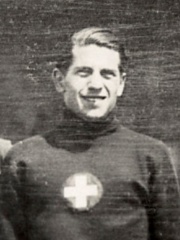
Frank Séchehaye
1907 - 1982
HPI: 55.48
Rang: 3,306
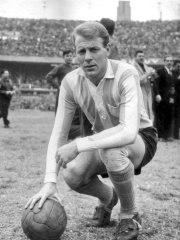
Federico Sacchi
1936 - 2023
HPI: 55.48
Rang: 3,307
Jaime Pacheco
1958 - heute
HPI: 55.47
Rang: 3,308
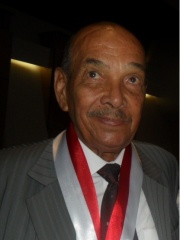
Efraín Sánchez
1926 - 2020
HPI: 55.47
Rang: 3,309

Jesper Olsen
1961 - heute
HPI: 55.47
Rang: 3,310

Rıdvan Bolatlı
1928 - 2022
HPI: 55.47
Rang: 3,311
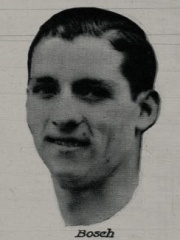
Crisant Bosch
1907 - 1981
HPI: 55.47
Rang: 3,312
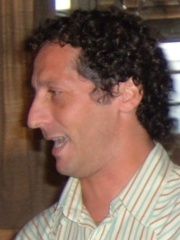
Pedro Troglio
1965 - heute
HPI: 55.47
Rang: 3,313
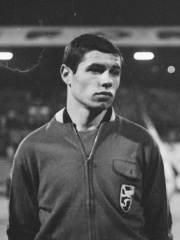
Wilfried Puis
1943 - 1981
HPI: 55.47
Rang: 3,314

Zeitgenossen
Unter den im Jahr 1958 Geborenen belegt Jaime Pacheco Rang 288. Vor ihm stehen Peter Baltes, Zoran Vujović, Keenen Ivory Wayans, Thomas Hearns, Wendy Makkena, und Kevin Curren. Nach ihm folgen Amanda Bearse, Deon Meyer, Phil Anderson, Brent W. Jett Jr., Yuli-Yoel Edelstein, und Candace Bushnell.
Weitere im Jahr 1958 Geborene
Zu allen Ranglisten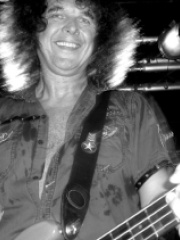
Peter Baltes
MUSICIAN
1958 - heute
HPI: 55.59
Rang: 282

Zoran Vujović
SOCCER PLAYER
1958 - heute
HPI: 55.58
Rang: 283
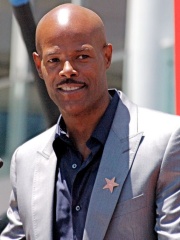
Keenen Ivory Wayans
ACTOR
1958 - heute
HPI: 55.56
Rang: 284

Thomas Hearns
BOXER
1958 - heute
HPI: 55.53
Rang: 285

Wendy Makkena
ACTOR
1958 - heute
HPI: 55.53
Rang: 286
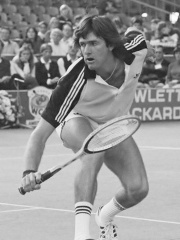
Kevin Curren
TENNIS PLAYER
1958 - heute
HPI: 55.51
Rang: 287
Jaime Pacheco
SOCCER PLAYER
1958 - heute
HPI: 55.47
Rang: 288
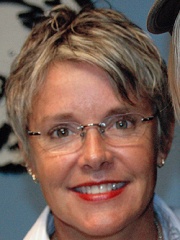
Amanda Bearse
ACTOR
1958 - heute
HPI: 55.43
Rang: 289
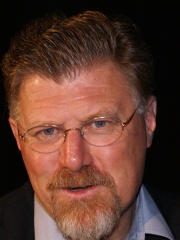
Deon Meyer
WRITER
1958 - heute
HPI: 55.41
Rang: 290

Phil Anderson
CYCLIST
1958 - heute
HPI: 55.38
Rang: 291

Brent W. Jett Jr.
ASTRONAUT
1958 - heute
HPI: 55.38
Rang: 292
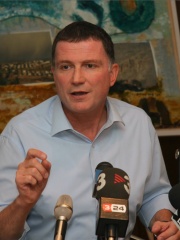
Yuli-Yoel Edelstein
POLITICIAN
1958 - heute
HPI: 55.37
Rang: 293

Candace Bushnell
WRITER
1958 - heute
HPI: 55.36
Rang: 294
In Portugal
Unter den in Portugal Geborenen belegt Jaime Pacheco Rang 361 von 633. Vor ihm stehen Diogo Freitas do Amaral (1941), Eduardo Serra (1943), Ricardo Sá Pinto (1972), Nelo Vingada (1953), Helena Almeida (1934), und Hélder Postiga (1982). Nach ihm folgen Carlos Viegas Gago Coutinho (1869), Eduardo Lourenço (1923), José Leite de Vasconcelos (1858), Manuel Duarte (1945), Luís de Freitas Branco (1890), und Tomás António Gonzaga (1744).
Weitere in Portugal geborene Personen
Zu allen Ranglisten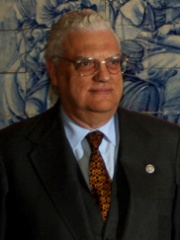
Diogo Freitas do Amaral
POLITICIAN
1941 - 2019
HPI: 55.64
Rang: 355

Eduardo Serra
FILM DIRECTOR
1943 - 2025
HPI: 55.63
Rang: 356
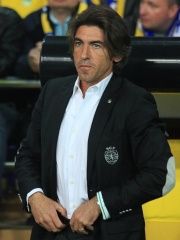
Ricardo Sá Pinto
SOCCER PLAYER
1972 - heute
HPI: 55.61
Rang: 357
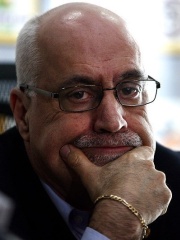
Nelo Vingada
COACH
1953 - heute
HPI: 55.55
Rang: 358
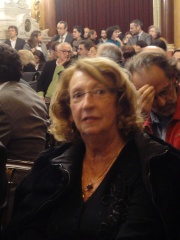
Helena Almeida
PAINTER
1934 - 2018
HPI: 55.54
Rang: 359

Hélder Postiga
SOCCER PLAYER
1982 - heute
HPI: 55.51
Rang: 360
Jaime Pacheco
SOCCER PLAYER
1958 - heute
HPI: 55.47
Rang: 361
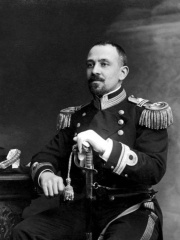
Carlos Viegas Gago Coutinho
GEOGRAPHER
1869 - 1959
HPI: 55.41
Rang: 362
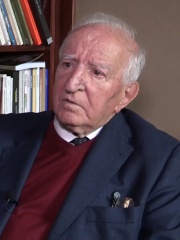
Eduardo Lourenço
PHILOSOPHER
1923 - 2020
HPI: 55.36
Rang: 363
José Leite de Vasconcelos
ARCHAEOLOGIST
1858 - 1941
HPI: 55.36
Rang: 364

Manuel Duarte
SOCCER PLAYER
1945 - 2022
HPI: 55.23
Rang: 365
Luís de Freitas Branco
COMPOSER
1890 - 1955
HPI: 55.21
Rang: 366
Tomás António Gonzaga
WRITER
1744 - 1810
HPI: 55.19
Rang: 367
Unter Fußballspieler in Portugal
Unter den in Portugal geborenen Fußballspieler belegt Jaime Pacheco Rang 64. Vor ihm stehen Rafael Leão (1999), Beto (1982), Paulo Ferreira (1979), João Lourenço (1942), Ricardo Sá Pinto (1972), und Hélder Postiga (1982). Nach ihm folgen Manuel Duarte (1945), Rui Vitória (1970), Carlos Carvalhal (1965), João Palhinha (1995), João Morais (1935), und Rui Barros (1965).
Rafael Leão
1999 - heute
HPI: 56.39
Rang: 58
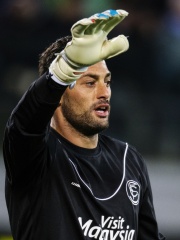
Beto
1982 - heute
HPI: 56.12
Rang: 59
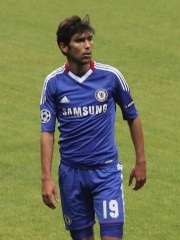
Paulo Ferreira
1979 - heute
HPI: 56.12
Rang: 60

João Lourenço
1942 - heute
HPI: 55.79
Rang: 61
Ricardo Sá Pinto
1972 - heute
HPI: 55.61
Rang: 62
Hélder Postiga
1982 - heute
HPI: 55.51
Rang: 63
Jaime Pacheco
1958 - heute
HPI: 55.47
Rang: 64
Manuel Duarte
1945 - 2022
HPI: 55.23
Rang: 65

Rui Vitória
1970 - heute
HPI: 55.07
Rang: 66
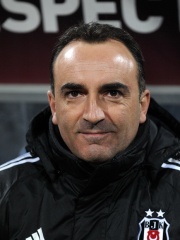
Carlos Carvalhal
1965 - heute
HPI: 54.96
Rang: 67

João Palhinha
1995 - heute
HPI: 54.57
Rang: 68

João Morais
1935 - 2010
HPI: 54.37
Rang: 69
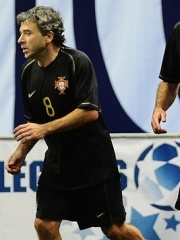
Rui Barros
1965 - heute
HPI: 54.37
Rang: 70




