Politiker
Hydatius
395 - 469
DE.WIKIPEDIA-SEITENAUFRUFE (PV)

 Hydatius
Seine Biografie ist in 26 verschiedenen Sprachen auf Wikipedia verfügbar. Hydatius ist der 5,482nd beliebteste Politiker (gesunken vom 4,656th im Jahr 2024), die 459th beliebteste Biografie aus Spanien (gesunken vom 418th im Jahr 2019) und der 164th beliebteste aus Spanien Politiker.
Bekanntheitsmetriken
22k
Seitenaufrufe
Letzte 12 Monate
65.94
HPI
Historischer Popularitätsindex
Seitenaufrufe von Hydatius nach Sprache
Unter Politiker
Unter Politiker belegt Hydatius Rang 5,480 von 19,576. Vor ihm stehen Alain Juppé, Louis I, Grand Duke of Hesse, Cleisthenes of Sicyon, Ahmet Tevfik Pasha, Ercole III d'Este, Duke of Modena, und Pan Geng. Nach ihm folgen Princess Margaretha of Saxony, Ernst vom Rath, Adolphus Frederick V, Grand Duke of Mecklenburg-Strelitz, Suintila, Zechariah of Israel, und Wu Qi.
Die beliebtesten Politiker auf Wikipedia
Zu allen Ranglisten
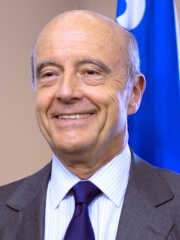
Alain Juppé
1945 - heute
HPI: 65.95
Rang: 5,476
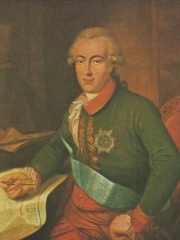
Louis I, Grand Duke of Hesse
1753 - 1830
HPI: 65.95
Rang: 5,477

Cleisthenes of Sicyon
701 BC - 600 BC
HPI: 65.95
Rang: 5,478
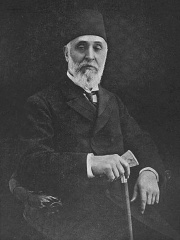
Ahmet Tevfik Pasha
1845 - 1936
HPI: 65.95
Rang: 5,479
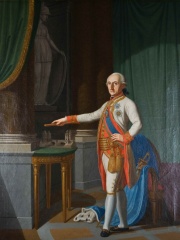
Ercole III d'Este, Duke of Modena
1727 - 1803
HPI: 65.94
Rang: 5,480

Pan Geng
1500 BC - 1374
HPI: 65.94
Rang: 5,481
Hydatius
395 - 469
HPI: 65.94
Rang: 5,482
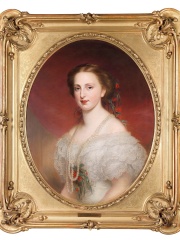
Princess Margaretha of Saxony
1840 - 1858
HPI: 65.94
Rang: 5,483
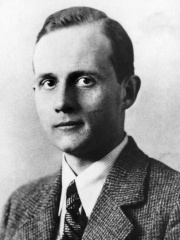
Ernst vom Rath
1909 - 1938
HPI: 65.94
Rang: 5,484
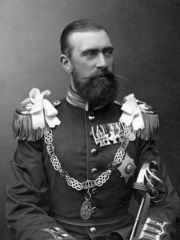
Adolphus Frederick V, Grand Duke of Mecklenburg-Strelitz
1848 - 1914
HPI: 65.94
Rang: 5,485
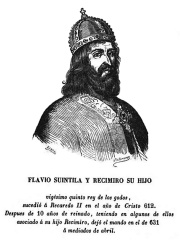
Suintila
594 - 634
HPI: 65.93
Rang: 5,486
Zechariah of Israel
800 BC - 752 BC
HPI: 65.93
Rang: 5,487
Wu Qi
440 BC - 381 BC
HPI: 65.93
Rang: 5,488

Zeitgenossen
Unter den im Jahr 395 Geborenen belegt Hydatius Rang 2. Vor ihm steht Avitus. Nach ihm folgen Dengizich, und Lupus of Troyes. Unter den im Jahr 469 Verstorbenen belegt Hydatius Rang 2. Vor ihm steht Ernak. Nach ihm folgen Dengizich, und Remismund.
Weitere im Jahr 395 Geborene
Zu allen Ranglisten
Avitus
POLITICIAN
395 - 457
HPI: 72.45
Rang: 1
Hydatius
POLITICIAN
395 - 469
HPI: 65.94
Rang: 2

Dengizich
POLITICIAN
395 - 469
HPI: 62.76
Rang: 3
Lupus of Troyes
RELIGIOUS FIGURE
395 - 479
HPI: 61.84
Rang: 4
Weitere im Jahr 469 Verstorbene
Zu allen Ranglisten

In Spanien
Unter den in Spanien Geborenen belegt Hydatius Rang 459 von NaN. Vor ihm stehen Serena (365), Infanta Cristina of Spain (1965), Garcilaso de la Vega (1501), Petrus Gonsalvus (1537), José Antonio Camacho (1955), und Francisco Rabal (1926). Nach ihm folgen Abraham Cresques (1325), Suintila (594), Maslama al-Majriti (950), Pío Baroja (1872), Anthony Mary Claret (1807), und Maria of Aragon, Queen of Castile (1403).
Weitere in Spanien geborene Personen
Zu allen Ranglisten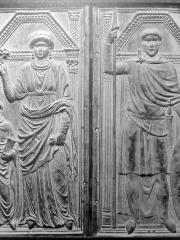
Serena
MILITARY PERSONNEL
365 - 408
HPI: 65.97
Rang: 453
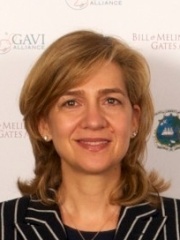
Infanta Cristina of Spain
POLITICIAN
1965 - heute
HPI: 65.96
Rang: 454
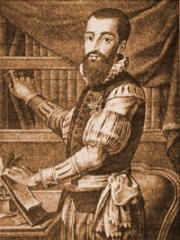
Garcilaso de la Vega
WRITER
1501 - 1536
HPI: 65.96
Rang: 455
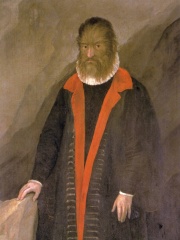
Petrus Gonsalvus
NOBLEMAN
1537 - 1618
HPI: 65.95
Rang: 456

José Antonio Camacho
SOCCER PLAYER
1955 - heute
HPI: 65.95
Rang: 457
Francisco Rabal
ACTOR
1926 - 2001
HPI: 65.95
Rang: 458
Hydatius
POLITICIAN
395 - 469
HPI: 65.94
Rang: 459
Abraham Cresques
GEOGRAPHER
1325 - 1387
HPI: 65.94
Rang: 460
Suintila
POLITICIAN
594 - 634
HPI: 65.93
Rang: 461

Maslama al-Majriti
ASTRONOMER
950 - 1007
HPI: 65.90
Rang: 462
Pío Baroja
WRITER
1872 - 1956
HPI: 65.89
Rang: 463
Anthony Mary Claret
RELIGIOUS FIGURE
1807 - 1870
HPI: 65.84
Rang: 464
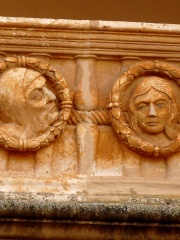
Maria of Aragon, Queen of Castile
COMPANION
1403 - 1445
HPI: 65.81
Rang: 465
Unter Politiker in Spanien
Unter den in Spanien geborenen Politiker belegt Hydatius Rang 164. Vor ihm stehen Juan, Count of Montizón (1822), Bermudo II of León (953), Egica (610), Anne Hidalgo (1959), Alfonso IV of León (890), und Infanta Cristina of Spain (1965). Nach ihm folgen Suintila (594), Liuva I (550), María de las Mercedes, Princess of Asturias (1880), Ulpia Marciana (48), Philip Prospero, Prince of Asturias (1657), und Eleanor of Alburquerque (1374).
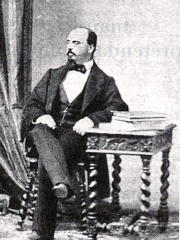
Juan, Count of Montizón
1822 - 1887
HPI: 66.22
Rang: 158
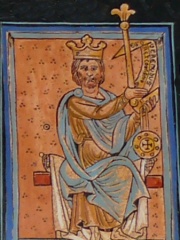
Bermudo II of León
953 - 999
HPI: 66.22
Rang: 159
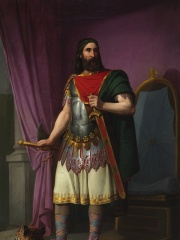
Egica
610 - 702
HPI: 66.14
Rang: 160

Anne Hidalgo
1959 - heute
HPI: 66.14
Rang: 161
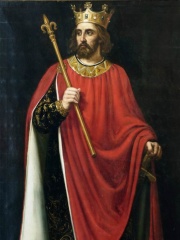
Alfonso IV of León
890 - 933
HPI: 66.05
Rang: 162
Infanta Cristina of Spain
1965 - heute
HPI: 65.96
Rang: 163
Hydatius
395 - 469
HPI: 65.94
Rang: 164
Suintila
594 - 634
HPI: 65.93
Rang: 165
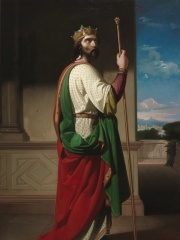
Liuva I
550 - 573
HPI: 65.78
Rang: 166
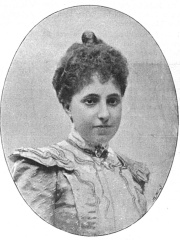
María de las Mercedes, Princess of Asturias
1880 - 1904
HPI: 65.73
Rang: 167
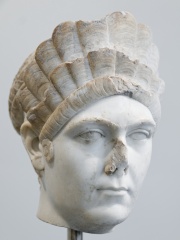
Ulpia Marciana
48 - 112
HPI: 65.72
Rang: 168
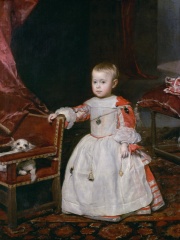
Philip Prospero, Prince of Asturias
1657 - 1661
HPI: 65.62
Rang: 169
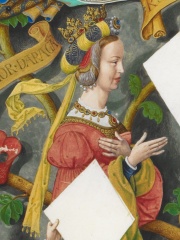
Eleanor of Alburquerque
1374 - 1435
HPI: 65.61
Rang: 170




