Philosoph
Critolaus
200 BC - 118 BC

 Critolaus
Seine Biografie ist in 19 verschiedenen Sprachen auf Wikipedia verfügbar (gestiegen von 18 im Jahr 2024). Critolaus ist der 1,008th beliebteste Philosoph (gesunken vom 961st im Jahr 2024), die 999th beliebteste Biografie aus Türkei (gesunken vom 937th im Jahr 2019) und der 56th beliebteste aus der Türkei Philosoph.
Bekanntheitsmetriken
3.8k
Seitenaufrufe
Letzte 12 Monate
58.61
HPI
Historischer Popularitätsindex
Seitenaufrufe von Critolaus nach Sprache
Unter Philosoph
Unter Philosoph belegt Critolaus Rang 1,008 von 1,267. Vor ihm stehen Dominicus Gundissalinus, Robert Anton Wilson, Herbert Feigl, Ernst Tugendhat, Thomas Arnold, und Richard Swinburne. Nach ihm folgen Zhang Binglin, Gregory of Tatev, Anna Kingsford, Karl Groos, Hermann Usener, und Samuel Clarke.
Die beliebtesten Philosoph auf Wikipedia
Zu allen Ranglisten

Dominicus Gundissalinus
1115 - 1190
HPI: 58.80
Rang: 1,002
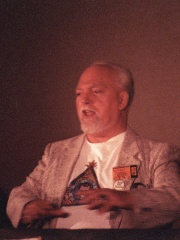
Robert Anton Wilson
1932 - 2007
HPI: 58.74
Rang: 1,003
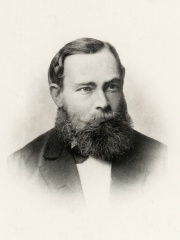
Herbert Feigl
1902 - 1988
HPI: 58.71
Rang: 1,004

Ernst Tugendhat
1930 - 2023
HPI: 58.64
Rang: 1,005
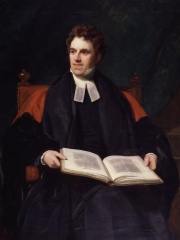
Thomas Arnold
1795 - 1842
HPI: 58.63
Rang: 1,006
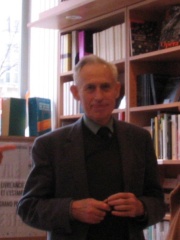
Richard Swinburne
1934 - heute
HPI: 58.62
Rang: 1,007
Critolaus
200 BC - 118 BC
HPI: 58.61
Rang: 1,008
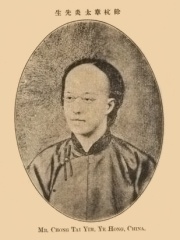
Zhang Binglin
1868 - 1936
HPI: 58.58
Rang: 1,009
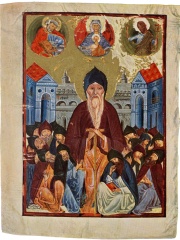
Gregory of Tatev
1346 - 1409
HPI: 58.56
Rang: 1,010
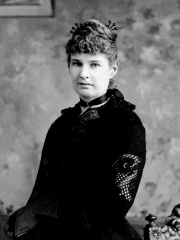
Anna Kingsford
1846 - 1888
HPI: 58.56
Rang: 1,011

Karl Groos
1861 - 1946
HPI: 58.55
Rang: 1,012
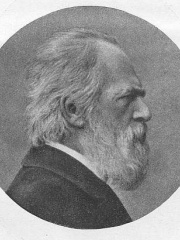
Hermann Usener
1834 - 1905
HPI: 58.54
Rang: 1,013
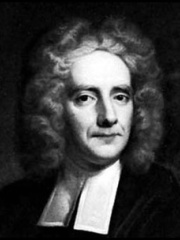
Samuel Clarke
1675 - 1729
HPI: 58.53
Rang: 1,014

Zeitgenossen
Unter den im Jahr 200 BC Geborenen belegt Critolaus Rang 68. Vor ihm stehen Andronicus of Cyrrhus, Quintus Fabius Maximus Allobrogicus, Hegesias of Magnesia, Hiempsal I, Gnaeus Papirius Carbo, und Laodice VI. Nach ihm folgen Sempronia, Quintus Caecilius Metellus Creticus, Boiorix, Lucius Aurelius Cotta, Quintus Claudius Quadrigarius, und Aristobulus of Alexandria. Unter den im Jahr 118 BC Verstorbenen belegt Critolaus Rang 2. Vor ihm steht Micipsa.
Weitere im Jahr 200 BC Geborene
Zu allen Ranglisten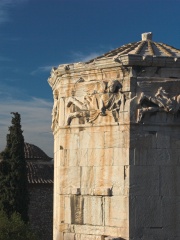
Andronicus of Cyrrhus
ASTRONOMER
200 BC - 100 BC
HPI: 59.38
Rang: 62

Quintus Fabius Maximus Allobrogicus
POLITICIAN
200 BC - 200 BC
HPI: 59.25
Rang: 63

Hegesias of Magnesia
PHILOSOPHER
200 BC - 170 BC
HPI: 59.07
Rang: 64

Hiempsal I
POLITICIAN
200 BC - 117 BC
HPI: 59.00
Rang: 65

Gnaeus Papirius Carbo
POLITICIAN
200 BC - 112 BC
HPI: 58.89
Rang: 66

Laodice VI
POLITICIAN
200 BC - 200 BC
HPI: 58.68
Rang: 67
Critolaus
PHILOSOPHER
200 BC - 118 BC
HPI: 58.61
Rang: 68
Sempronia
POLITICIAN
200 BC - heute
HPI: 58.40
Rang: 69

Quintus Caecilius Metellus Creticus
POLITICIAN
200 BC - 160 BC
HPI: 58.25
Rang: 70

Boiorix
POLITICIAN
200 BC - 101 BC
HPI: 58.23
Rang: 71

Lucius Aurelius Cotta
POLITICIAN
200 BC - heute
HPI: 58.13
Rang: 72

Quintus Claudius Quadrigarius
HISTORIAN
200 BC - 100 BC
HPI: 58.13
Rang: 73

Aristobulus of Alexandria
PHILOSOPHER
200 BC - 150 BC
HPI: 58.09
Rang: 74
Weitere im Jahr 118 BC Verstorbene
Zu allen Ranglisten
In Türkei
Unter den in Türkei Geborenen belegt Critolaus Rang 999 von NaN. Vor ihm stehen Aphthonius of Antioch (300), Serapion of Antioch (200), Özcan Deniz (1972), Metrophanes of Byzantium (300), Okan Buruk (1973), und Hulusi Behçet (1889). Nach ihm folgen Hande Erçel (1993), Ahmet Hamdi Tanpınar (1901), Mevlüt Çavuşoğlu (1968), Şivan Perwer (1955), Justin (600), und İbrahim Kaypakkaya (1949).
Weitere in Türkei geborene Personen
Zu allen Ranglisten
Aphthonius of Antioch
WRITER
300 - 400
HPI: 58.67
Rang: 993

Serapion of Antioch
RELIGIOUS FIGURE
200 - 212
HPI: 58.67
Rang: 994

Özcan Deniz
ACTOR
1972 - heute
HPI: 58.66
Rang: 995
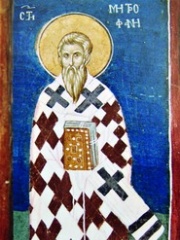
Metrophanes of Byzantium
RELIGIOUS FIGURE
300 - 326
HPI: 58.66
Rang: 996
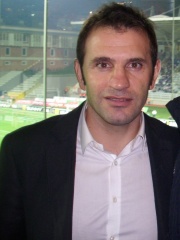
Okan Buruk
SOCCER PLAYER
1973 - heute
HPI: 58.63
Rang: 997
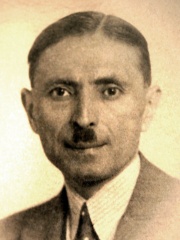
Hulusi Behçet
PHYSICIAN
1889 - 1948
HPI: 58.62
Rang: 998
Critolaus
PHILOSOPHER
200 BC - 118 BC
HPI: 58.61
Rang: 999

Hande Erçel
ACTOR
1993 - heute
HPI: 58.60
Rang: 1,000
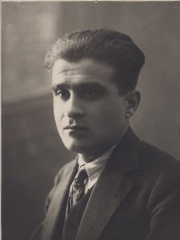
Ahmet Hamdi Tanpınar
WRITER
1901 - 1962
HPI: 58.57
Rang: 1,001
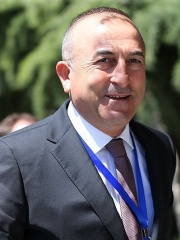
Mevlüt Çavuşoğlu
POLITICIAN
1968 - heute
HPI: 58.55
Rang: 1,002
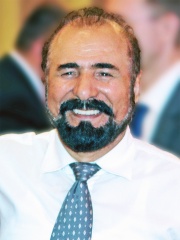
Şivan Perwer
SINGER
1955 - heute
HPI: 58.55
Rang: 1,003
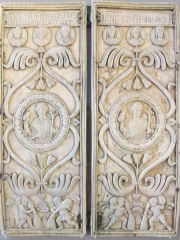
Justin
MILITARY PERSONNEL
600 - 566
HPI: 58.53
Rang: 1,004
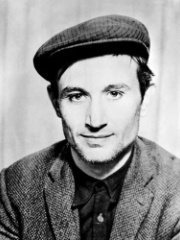
İbrahim Kaypakkaya
SOCIAL ACTIVIST
1949 - 1973
HPI: 58.51
Rang: 1,005
Unter Philosoph in Türkei
Unter den in Türkei geborenen Philosoph belegt Critolaus Rang 56. Vor ihm stehen Antipater of Tarsus (-300), Hermogenes of Tarsus (200), Sosipatra (-400), Nikephoros Blemmydes (1197), Zeno of Tarsus (-250), und Hegesias of Magnesia (-200). Nach ihm folgen Colotes (-320), und Seyla Benhabib (1950).

Antipater of Tarsus
300 BC - 129 BC
HPI: 59.88
Rang: 50

Hermogenes of Tarsus
200 - 300
HPI: 59.86
Rang: 51

Sosipatra
400 BC - 400 BC
HPI: 59.26
Rang: 52

Nikephoros Blemmydes
1197 - 1269
HPI: 59.24
Rang: 53

Zeno of Tarsus
250 BC - 200 BC
HPI: 59.11
Rang: 54
Hegesias of Magnesia
200 BC - 170 BC
HPI: 59.07
Rang: 55
Critolaus
200 BC - 118 BC
HPI: 58.61
Rang: 56

Colotes
320 BC - heute
HPI: 58.45
Rang: 57

Seyla Benhabib
1950 - heute
HPI: 58.00
Rang: 58




