Religiöse Persönlichkeit
Baselios Cleemis
1959 - heute
DE.WIKIPEDIA-SEITENAUFRUFE (PV)
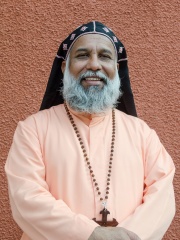
 Baselios Cleemis
Seine Biografie ist in 29 verschiedenen Sprachen auf Wikipedia verfügbar (gestiegen von 26 im Jahr 2024). Baselios Cleemis ist der 2,631st beliebteste Religiöse Persönlichkeit (gestiegen vom 2,988th im Jahr 2024), die 579th beliebteste Biografie aus Indien (gestiegen vom 894th im Jahr 2019) und der 53rd beliebteste aus Indien Religiöse Persönlichkeit.
Bekanntheitsmetriken
31k
Seitenaufrufe
Letzte 12 Monate
57.28
HPI
Historischer Popularitätsindex
Daten-Einblicke
+24k
Baselios Cleemis stieg in der globalen HPI-Rangliste von Pantheon um 23,881 Plätze, von Platz 73,250 auf Platz 49,456.
Seitenaufrufe von Baselios Cleemis nach Sprache
Unter Religiöse Persönlichkeit
Unter Religiöse Persönlichkeit belegt Baselios Cleemis Rang 2,631 von 3,189. Vor ihm stehen Arsacius of Tarsus, John Mark, Yitzhak Yosef, Athanasius Schneider, Carlos María de la Torre, und Pedro Rubiano Sáenz. Nach ihm folgen Edoardo Menichelli, Alexius, Metropolitan of Kiev, Henryk Gulbinowicz, Nikolay Ilminsky, Frans van der Lugt, und Francis George.
Die beliebtesten Religiöse Persönlichkeit auf Wikipedia
Zu allen Ranglisten

Arsacius of Tarsus
400 - 405
HPI: 57.33
Rang: 2,625
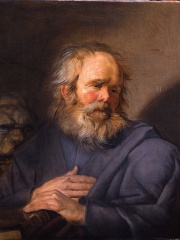
John Mark
100 - 140
HPI: 57.33
Rang: 2,626
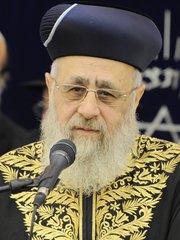
Yitzhak Yosef
1952 - heute
HPI: 57.32
Rang: 2,627
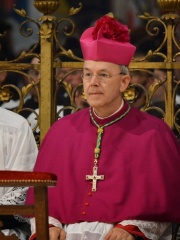
Athanasius Schneider
1961 - heute
HPI: 57.32
Rang: 2,628
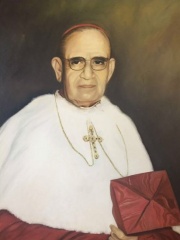
Carlos María de la Torre
1873 - 1968
HPI: 57.32
Rang: 2,629
Pedro Rubiano Sáenz
1932 - 2024
HPI: 57.31
Rang: 2,630
Baselios Cleemis
1959 - heute
HPI: 57.28
Rang: 2,631
Edoardo Menichelli
1939 - 2025
HPI: 57.28
Rang: 2,632
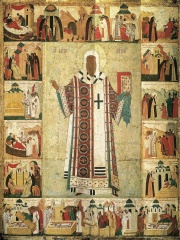
Alexius, Metropolitan of Kiev
1290 - 1378
HPI: 57.27
Rang: 2,633

Henryk Gulbinowicz
1923 - 2020
HPI: 57.26
Rang: 2,634
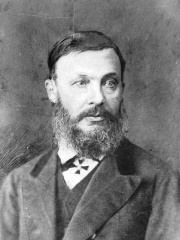
Nikolay Ilminsky
1822 - 1891
HPI: 57.25
Rang: 2,635
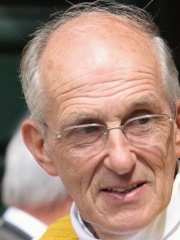
Frans van der Lugt
1938 - 2014
HPI: 57.25
Rang: 2,636
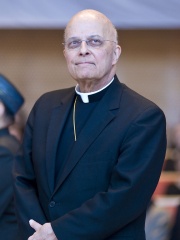
Francis George
1937 - 2015
HPI: 57.25
Rang: 2,637

Zeitgenossen
Unter den im Jahr 1959 Geborenen belegt Baselios Cleemis Rang 233. Vor ihm stehen Yuriko Shima, Đặng Thị Ngọc Thịnh, Ildefonso Falcones, Jorginho Putinatti, Anatoliy Demyanenko, und Aryeh Deri. Nach ihm folgen Bradley Whitford, Alexander Lebedev, Fernando Chalana, Marcos Alonso, Nir Barkat, und Stephen Roche.
Weitere im Jahr 1959 Geborene
Zu allen Ranglisten
Yuriko Shima
SOCCER PLAYER
1959 - heute
HPI: 57.43
Rang: 227

Đặng Thị Ngọc Thịnh
POLITICIAN
1959 - heute
HPI: 57.37
Rang: 228
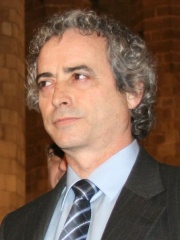
Ildefonso Falcones
WRITER
1959 - heute
HPI: 57.36
Rang: 229

Jorginho Putinatti
SOCCER PLAYER
1959 - heute
HPI: 57.35
Rang: 230

Anatoliy Demyanenko
SOCCER PLAYER
1959 - heute
HPI: 57.32
Rang: 231
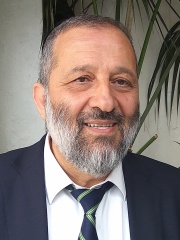
Aryeh Deri
POLITICIAN
1959 - heute
HPI: 57.30
Rang: 232
Baselios Cleemis
RELIGIOUS FIGURE
1959 - heute
HPI: 57.28
Rang: 233
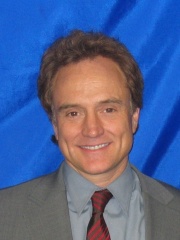
Bradley Whitford
ACTOR
1959 - heute
HPI: 57.27
Rang: 234

Alexander Lebedev
POLITICIAN
1959 - heute
HPI: 57.22
Rang: 235

Fernando Chalana
SOCCER PLAYER
1959 - 2022
HPI: 57.21
Rang: 236

Marcos Alonso
SOCCER PLAYER
1959 - 2023
HPI: 57.19
Rang: 237

Nir Barkat
POLITICIAN
1959 - heute
HPI: 57.15
Rang: 238

Stephen Roche
CYCLIST
1959 - heute
HPI: 57.09
Rang: 239
In Indien
Unter den in Indien Geborenen belegt Baselios Cleemis Rang 579 von 2,312. Vor ihm stehen Manorama (1937), Zinat-un-Nissa Begum (1643), Ratna Pathak (1957), Vaikom Muhammad Basheer (1908), Rambhadracharya (1950), und Qurratulain Hyder (1927). Nach ihm folgen Bal Thackeray (1926), Nutan (1936), Akshata Murty (1980), Pooja Hegde (1990), Devi Shetty (1953), und Erick Avari (1952).
Weitere in Indien geborene Personen
Zu allen Ranglisten
Manorama
ACTOR
1937 - 2015
HPI: 57.44
Rang: 573
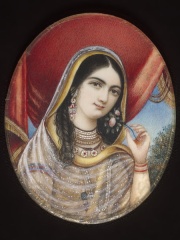
Zinat-un-Nissa Begum
NOBLEMAN
1643 - 1721
HPI: 57.40
Rang: 574
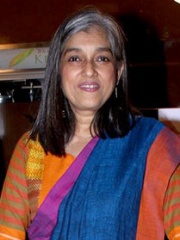
Ratna Pathak
ACTOR
1957 - heute
HPI: 57.38
Rang: 575

Vaikom Muhammad Basheer
WRITER
1908 - 1994
HPI: 57.37
Rang: 576
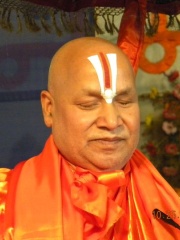
Rambhadracharya
PHILOSOPHER
1950 - heute
HPI: 57.33
Rang: 577
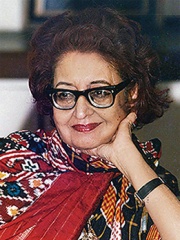
Qurratulain Hyder
WRITER
1927 - 2007
HPI: 57.29
Rang: 578
Baselios Cleemis
RELIGIOUS FIGURE
1959 - heute
HPI: 57.28
Rang: 579
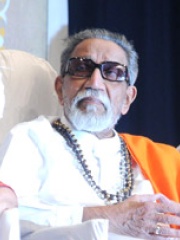
Bal Thackeray
POLITICIAN
1926 - 2012
HPI: 57.26
Rang: 580
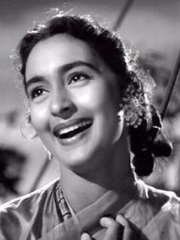
Nutan
ACTOR
1936 - 1991
HPI: 57.24
Rang: 581
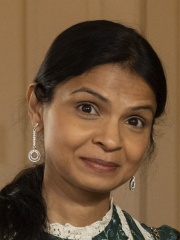
Akshata Murty
BUSINESSPERSON
1980 - heute
HPI: 57.23
Rang: 582

Pooja Hegde
ACTOR
1990 - heute
HPI: 57.19
Rang: 583
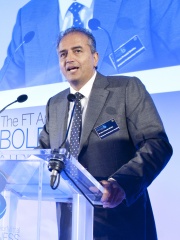
Devi Shetty
PHYSICIAN
1953 - heute
HPI: 57.19
Rang: 584

Erick Avari
ACTOR
1952 - heute
HPI: 57.19
Rang: 585
Unter Religiöse Persönlichkeit in Indien
Unter den in Indien geborenen Religiöse Persönlichkeit belegt Baselios Cleemis Rang 53. Vor ihm stehen Rukhmabai (1864), Oswald Gracias (1944), Telesphore Toppo (1939), Guru Har Krishan (1656), Ashraf Ali Thanwi (1863), und Kuriakose Elias Chavara (1805). Nach ihm folgen Antony Padiyara (1921), Roberto de Nobili (1577), Chandramukhi Basu (1860), Mohan Bhagwat (1950), Mirza Tahir Ahmad (1928), und Simon Pimenta (1920).
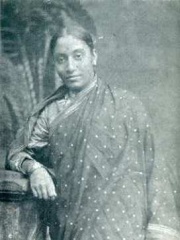
Rukhmabai
1864 - 1955
HPI: 59.70
Rang: 47
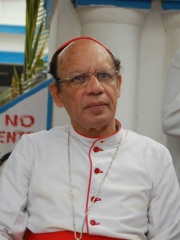
Oswald Gracias
1944 - heute
HPI: 59.52
Rang: 48
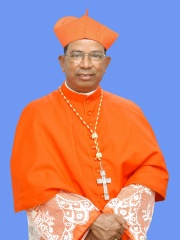
Telesphore Toppo
1939 - 2023
HPI: 59.49
Rang: 49
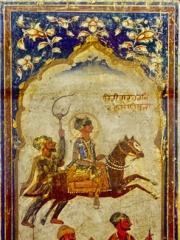
Guru Har Krishan
1656 - 1664
HPI: 58.55
Rang: 50

Ashraf Ali Thanwi
1863 - 1943
HPI: 58.32
Rang: 51
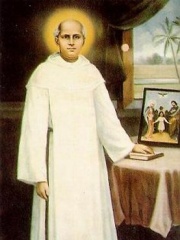
Kuriakose Elias Chavara
1805 - 1871
HPI: 57.58
Rang: 52
Baselios Cleemis
1959 - heute
HPI: 57.28
Rang: 53

Antony Padiyara
1921 - 2000
HPI: 56.88
Rang: 54
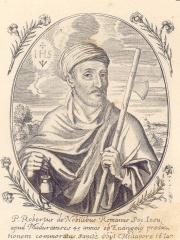
Roberto de Nobili
1577 - 1656
HPI: 56.62
Rang: 55
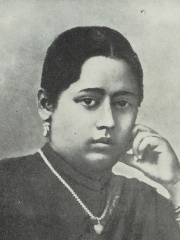
Chandramukhi Basu
1860 - 1944
HPI: 55.64
Rang: 56
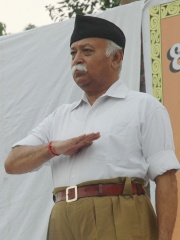
Mohan Bhagwat
1950 - heute
HPI: 53.27
Rang: 57
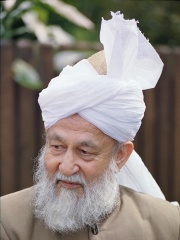
Mirza Tahir Ahmad
1928 - 2003
HPI: 52.76
Rang: 58
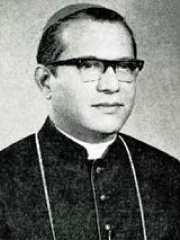
Simon Pimenta
1920 - 2013
HPI: 52.25
Rang: 59




