سياسي
Letizia Moratti
1949 - حتى اليوم
AR.WIKIPEDIA PAGE VIEWS (PV)
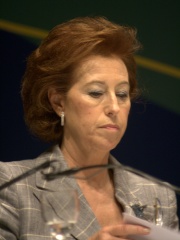
 Letizia Moratti
سيرتها الذاتية متاحة بـ20 لغة مختلفة على ويكيبيديا. يحتل Letizia Moratti المرتبة 15,427 بين أكثر سياسي شعبيةً (تراجعًا من 15,362 في 2024)، والمرتبة 3,790 بين أكثر السير الذاتية شعبيةً في إيطاليا (تقدمًا من 3,831 في 2019)، كما يحتل المرتبة 860 بين أكثر سياسي من إيطاليا شعبيةً.
Memorability Metrics
130k
Page Views
Past 12 months
55.07
HPI
Historical Popularity Index
Page views of Letizia Moratti by language
Among سياسي
Among سياسي, Letizia Moratti ranks 15,420 out of 19,576. Before her are He Guoqiang, Matija Ljubek, Abdul Qadir al-Badri, Erhard Keller, Ignatius Kutu Acheampong, and Stefanos Stefanopoulos. After her are Pandurang Vaman Kane, Liese Prokop, Juan Rafael Mora Porras, Boris Kurakin, Aulus Atilius Serranus, and Hilda Cameron.
Most Popular سياسي in Wikipedia
Go to all Rankings
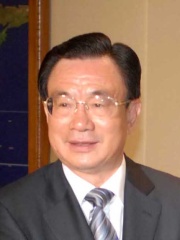
He Guoqiang
1943 - Present
HPI: 55.08
Rank: 15,421
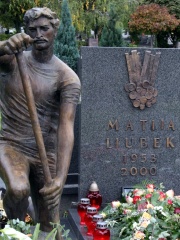
Matija Ljubek
1953 - 2000
HPI: 55.08
Rank: 15,422
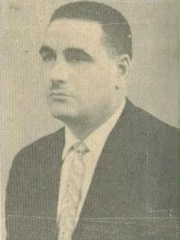
Abdul Qadir al-Badri
1921 - 2003
HPI: 55.08
Rank: 15,423
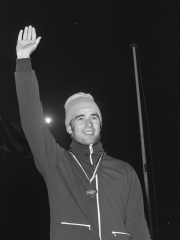
Erhard Keller
1944 - Present
HPI: 55.08
Rank: 15,424
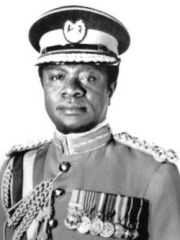
Ignatius Kutu Acheampong
1931 - 1979
HPI: 55.08
Rank: 15,425
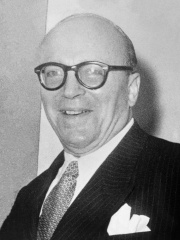
Stefanos Stefanopoulos
1898 - 1982
HPI: 55.07
Rank: 15,426
Letizia Moratti
1949 - Present
HPI: 55.07
Rank: 15,427
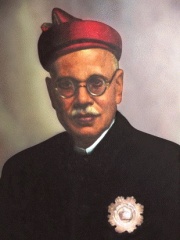
Pandurang Vaman Kane
1880 - 1972
HPI: 55.07
Rank: 15,428
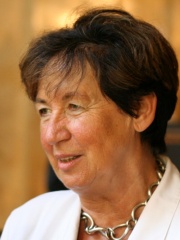
Liese Prokop
1941 - 2006
HPI: 55.07
Rank: 15,429
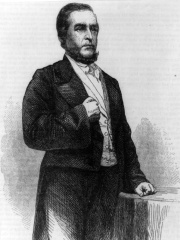
Juan Rafael Mora Porras
1814 - 1860
HPI: 55.07
Rank: 15,430
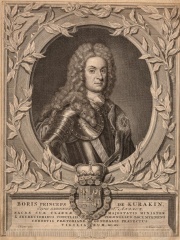
Boris Kurakin
1676 - 1727
HPI: 55.07
Rank: 15,431

Aulus Atilius Serranus
300 BC - 200 BC
HPI: 55.07
Rank: 15,432

Hilda Cameron
1912 - 2001
HPI: 55.07
Rank: 15,433

Contemporaries
Among people born in 1949, Letizia Moratti ranks 508. Before her are Anita Borg, Ivo Linna, Debra Monk, Tabitha King, Arturo Sandoval, and Nasser Hejazi. After her are Richard Russo, Charles Roven, Alexander Maltsev, Valeri Vasiliev, Olivier Roy, and James Rivière.
Others Born in 1949
Go to all Rankings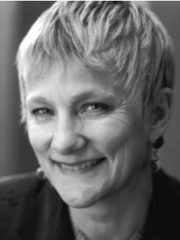
Anita Borg
COMPUTER SCIENTIST
1949 - 2003
HPI: 55.23
Rank: 502
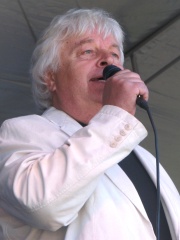
Ivo Linna
SINGER
1949 - Present
HPI: 55.22
Rank: 503
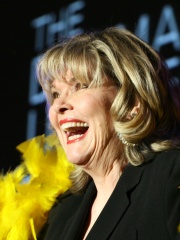
Debra Monk
ACTOR
1949 - Present
HPI: 55.20
Rank: 504

Tabitha King
WRITER
1949 - Present
HPI: 55.15
Rank: 505
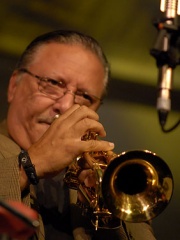
Arturo Sandoval
MUSICIAN
1949 - Present
HPI: 55.13
Rank: 506
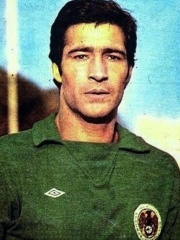
Nasser Hejazi
SOCCER PLAYER
1949 - 2011
HPI: 55.13
Rank: 507
Letizia Moratti
POLITICIAN
1949 - Present
HPI: 55.07
Rank: 508
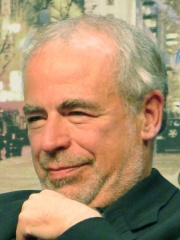
Richard Russo
WRITER
1949 - Present
HPI: 55.03
Rank: 509
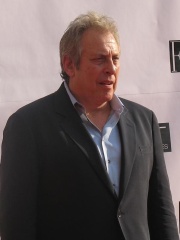
Charles Roven
PRODUCER
1949 - Present
HPI: 55.02
Rank: 510

Alexander Maltsev
POLITICIAN
1949 - Present
HPI: 55.01
Rank: 511
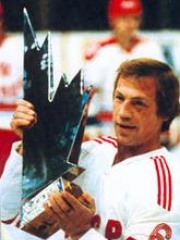
Valeri Vasiliev
ATHLETE
1949 - 2012
HPI: 55.00
Rank: 512

Olivier Roy
POLITICAL SCIENTIST
1949 - Present
HPI: 54.97
Rank: 513
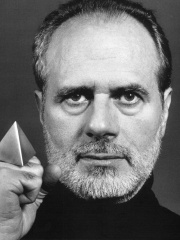
James Rivière
ARTIST
1949 - Present
HPI: 54.97
Rank: 514
In إيطاليا
Among people born in إيطاليا, Letizia Moratti ranks 3,790 out of NaN. Before her are Giuliano Nostini (1912), Giacomo Mari (1924), Sergio Bianchetto (1939), Cristina Comencini (1956), Virgilio Mantegazza (1889), and Giuseppe Galante (1937). After her are Chiara Badano (1971), Paolo Barison (1936), Mario Ghella (1929), Renzo De Vecchi (1894), Cesare Burali-Forti (1861), and Renato Perona (1927).
Others born in إيطاليا
Go to all Rankings
Giuliano Nostini
ATHLETE
1912 - 1983
HPI: 55.10
Rank: 3,784
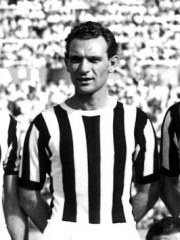
Giacomo Mari
SOCCER PLAYER
1924 - 1991
HPI: 55.10
Rank: 3,785
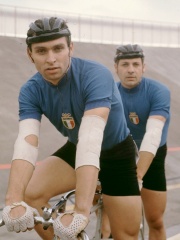
Sergio Bianchetto
CYCLIST
1939 - Present
HPI: 55.09
Rank: 3,786
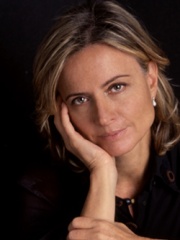
Cristina Comencini
FILM DIRECTOR
1956 - Present
HPI: 55.08
Rank: 3,787

Virgilio Mantegazza
FENCER
1889 - 1927
HPI: 55.08
Rank: 3,788
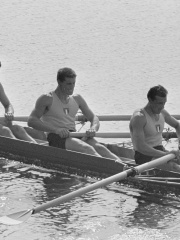
Giuseppe Galante
ATHLETE
1937 - 2021
HPI: 55.08
Rank: 3,789
Letizia Moratti
POLITICIAN
1949 - Present
HPI: 55.07
Rank: 3,790
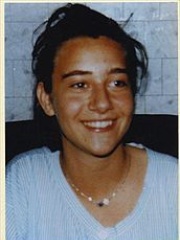
Chiara Badano
RELIGIOUS FIGURE
1971 - 1990
HPI: 55.07
Rank: 3,791
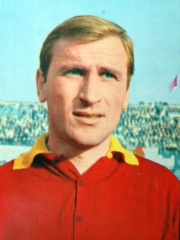
Paolo Barison
SOCCER PLAYER
1936 - 1979
HPI: 55.06
Rank: 3,792
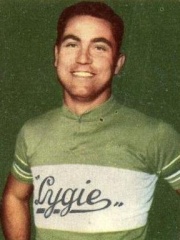
Mario Ghella
CYCLIST
1929 - 2020
HPI: 55.06
Rank: 3,793

Renzo De Vecchi
SOCCER PLAYER
1894 - 1967
HPI: 55.05
Rank: 3,794
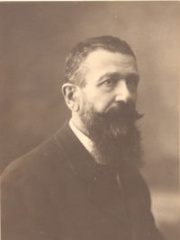
Cesare Burali-Forti
MATHEMATICIAN
1861 - 1931
HPI: 55.05
Rank: 3,795

Renato Perona
CYCLIST
1927 - 1984
HPI: 55.02
Rank: 3,796
Among سياسي In إيطاليا
Among سياسي born in إيطاليا, Letizia Moratti ranks 860. Before her are Tina Anselmi (1927), Rocco Buttiglione (1948), Antonella Ragno-Lonzi (1940), Esau de' Buondelmonti (1355), Nicola Mancino (1931), and Gianfranco Terenzi (1941). After her are Renato Ruggiero (1930), Giovanni Battista Rabino (1931), Carlo Nordio (1947), Renato Schifani (1950), Giorgio La Pira (1904), and Francesco Cornaro (1585).
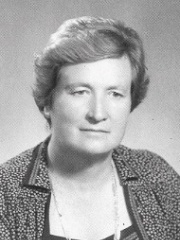
Tina Anselmi
1927 - 2016
HPI: 55.41
Rank: 854
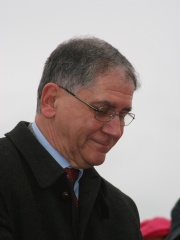
Rocco Buttiglione
1948 - Present
HPI: 55.41
Rank: 855
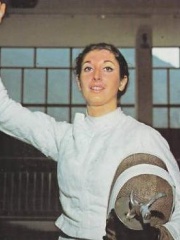
Antonella Ragno-Lonzi
1940 - Present
HPI: 55.28
Rank: 856
Esau de' Buondelmonti
1355 - 1411
HPI: 55.27
Rank: 857
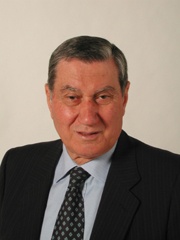
Nicola Mancino
1931 - Present
HPI: 55.23
Rank: 858

Gianfranco Terenzi
1941 - 2020
HPI: 55.15
Rank: 859
Letizia Moratti
1949 - Present
HPI: 55.07
Rank: 860
Renato Ruggiero
1930 - 2013
HPI: 55.00
Rank: 861
Giovanni Battista Rabino
1931 - 2020
HPI: 54.84
Rank: 862
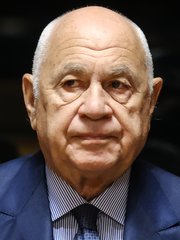
Carlo Nordio
1947 - Present
HPI: 54.80
Rank: 863
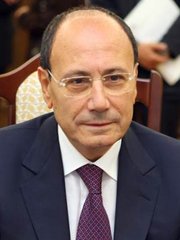
Renato Schifani
1950 - Present
HPI: 54.77
Rank: 864
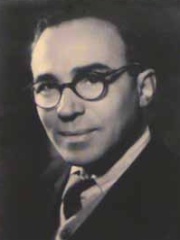
Giorgio La Pira
1904 - 1977
HPI: 54.77
Rank: 865
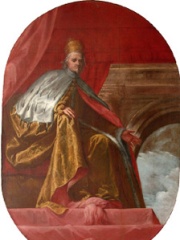
Francesco Cornaro
1585 - 1656
HPI: 54.77
Rank: 866




