سياسي
Erwig
642 - 687
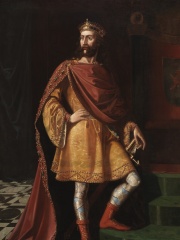
 Erwig
Erwig
سيرته الذاتية متاحة بـ29 لغة مختلفة على ويكيبيديا. يحتل Erwig المرتبة 5,793 بين أكثر سياسي شعبيةً (تراجعًا من 4,249 في 2024)، والمرتبة 492 بين أكثر السير الذاتية شعبيةً في إسبانيا (تراجعًا من 372 في 2019)، كما يحتل المرتبة 172 بين أكثر سياسي من إسبانيا شعبيةً.
مقاييس الشهرة
30k
مشاهدات الصفحة
آخر 12 شهرًا
65.54
HPI
مؤشر الشعبية التاريخية
مشاهدات صفحة Erwig حسب اللغة
من بين سياسي
من بين سياسي، يحتل Erwig المرتبة 5,791 من أصل 19,576. قبله يأتي Gian Maria Visconti, Ardashir III, Infanta Marie Anne of Portugal, Al-Mundhir of Córdoba, Sansang of Goguryeo, وLicio Gelli. بعده يأتي Acamapichtli, Zvi Zamir, Oldřich, Duke of Bohemia, Federico Mayor Zaragoza, Jānis Čakste, وJim Fouché.
أشهر سياسي على ويكيبيديا
عرض جميع التصنيفات
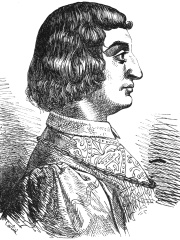
Gian Maria Visconti
1388 - 1412
HPI: 65.54
المرتبة: 5,787
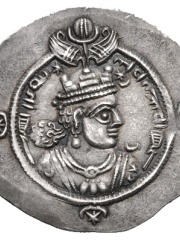
Ardashir III
621 - 630
HPI: 65.54
المرتبة: 5,788
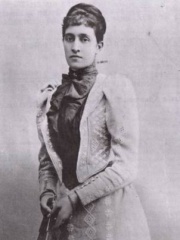
Infanta Marie Anne of Portugal
1861 - 1942
HPI: 65.54
المرتبة: 5,789

Al-Mundhir of Córdoba
842 - 888
HPI: 65.54
المرتبة: 5,790
Sansang of Goguryeo
200 - 227
HPI: 65.54
المرتبة: 5,791
Licio Gelli
1919 - 2015
HPI: 65.54
المرتبة: 5,792
Erwig
642 - 687
HPI: 65.54
المرتبة: 5,793
Acamapichtli
1325 - 1395
HPI: 65.54
المرتبة: 5,794
Zvi Zamir
1925 - 2024
HPI: 65.53
المرتبة: 5,795
Oldřich, Duke of Bohemia
970 - 1034
HPI: 65.53
المرتبة: 5,796
Federico Mayor Zaragoza
1934 - 2024
HPI: 65.53
المرتبة: 5,797
Jānis Čakste
1859 - 1927
HPI: 65.53
المرتبة: 5,798
Jim Fouché
1898 - 1980
HPI: 65.53
المرتبة: 5,799

معاصرون
من بين المولودين في عام 642، يحتل Erwig المرتبة 2. قبله يأتي Hasan al-Basri. بعده يأتي Said ibn al-Musayyib, Julian of Toledo, وIbrahim ibn al-Ashtar. من بين المتوفين في عام 687، يحتل Erwig المرتبة 3. قبله يأتي Pope Conon, وMukhtar al-Thaqafi. بعده يأتي Cuthbert.
آخرون وُلدوا في عام 642
عرض جميع التصنيفات
Hasan al-Basri
PHILOSOPHER
642 - 728
HPI: 73.89
المرتبة: 1
Erwig
POLITICIAN
642 - 687
HPI: 65.54
المرتبة: 2

Said ibn al-Musayyib
RELIGIOUS FIGURE
642 - 715
HPI: 63.24
المرتبة: 3
Julian of Toledo
RELIGIOUS FIGURE
642 - 690
HPI: 61.36
المرتبة: 4

Ibrahim ibn al-Ashtar
MILITARY PERSONNEL
642 - 691
HPI: 60.94
المرتبة: 5
آخرون توفوا في عام 687
عرض جميع التصنيفات
Pope Conon
RELIGIOUS FIGURE
630 - 687
HPI: 75.51
المرتبة: 1
Mukhtar al-Thaqafi
SOCIAL ACTIVIST
622 - 687
HPI: 69.44
المرتبة: 2
Erwig
POLITICIAN
642 - 687
HPI: 65.54
المرتبة: 3
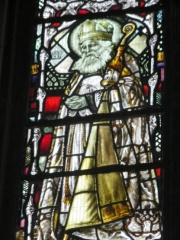
Cuthbert
RELIGIOUS FIGURE
635 - 687
HPI: 60.65
المرتبة: 4
في إسبانيا
من بين المولودين في إسبانيا، يحتل Erwig المرتبة 492 من أصل NaN. قبله يأتي Violant of Aragon (1236), Quique Setién (1958), Javier Marías (1951), Eleanor of Castile, Queen of Navarre (1363), Grand Duchess Maria Vladimirovna of Russia (1953), وAl-Mundhir of Córdoba (842). بعده يأتي Remedios Varo (1908), Federico Mayor Zaragoza (1934), José de Espronceda (1808), Manuel Vázquez Montalbán (1939), Aurelius of Asturias (740), وInfanta Elena, Duchess of Lugo (1963).
آخرون وُلدوا في إسبانيا
عرض جميع التصنيفات
Violant of Aragon
COMPANION
1236 - 1301
HPI: 65.60
المرتبة: 486
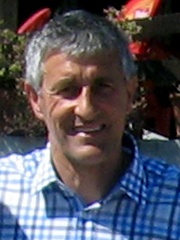
Quique Setién
SOCCER PLAYER
1958 - حتى الآن
HPI: 65.59
المرتبة: 487
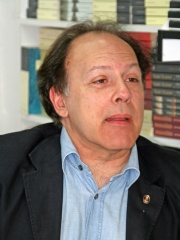
Javier Marías
WRITER
1951 - 2022
HPI: 65.56
المرتبة: 488
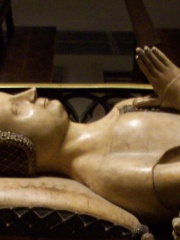
Eleanor of Castile, Queen of Navarre
COMPANION
1363 - 1416
HPI: 65.55
المرتبة: 489
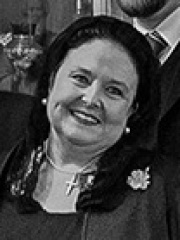
Grand Duchess Maria Vladimirovna of Russia
NOBLEMAN
1953 - حتى الآن
HPI: 65.55
المرتبة: 490
Al-Mundhir of Córdoba
POLITICIAN
842 - 888
HPI: 65.54
المرتبة: 491
Erwig
POLITICIAN
642 - 687
HPI: 65.54
المرتبة: 492
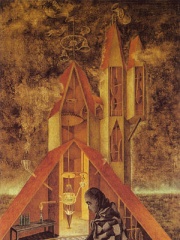
Remedios Varo
PAINTER
1908 - 1963
HPI: 65.53
المرتبة: 493
Federico Mayor Zaragoza
POLITICIAN
1934 - 2024
HPI: 65.53
المرتبة: 494
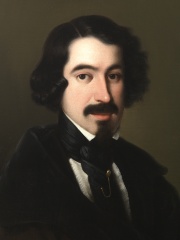
José de Espronceda
WRITER
1808 - 1842
HPI: 65.53
المرتبة: 495
Manuel Vázquez Montalbán
WRITER
1939 - 2003
HPI: 65.51
المرتبة: 496
Aurelius of Asturias
POLITICIAN
740 - 774
HPI: 65.51
المرتبة: 497
Infanta Elena, Duchess of Lugo
POLITICIAN
1963 - حتى الآن
HPI: 65.50
المرتبة: 498
من بين سياسي في إسبانيا
من بين سياسي المولودين في إسبانيا، يحتل Erwig المرتبة 172. قبله يأتي Liuva I (550), María de las Mercedes, Princess of Asturias (1880), Ulpia Marciana (48), Philip Prospero, Prince of Asturias (1657), Eleanor of Alburquerque (1374), وAl-Mundhir of Córdoba (842). بعده يأتي Federico Mayor Zaragoza (1934), Aurelius of Asturias (740), Infanta Elena, Duchess of Lugo (1963), Miguel da Paz, Prince of Portugal (1498), Andrés Nin Pérez (1892), وSilo of Asturias (720).
Liuva I
550 - 573
HPI: 65.78
المرتبة: 166
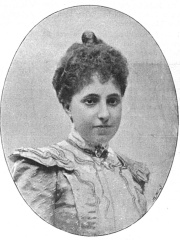
María de las Mercedes, Princess of Asturias
1880 - 1904
HPI: 65.73
المرتبة: 167
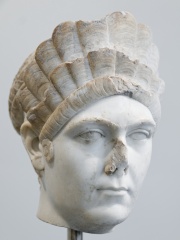
Ulpia Marciana
48 - 112
HPI: 65.72
المرتبة: 168
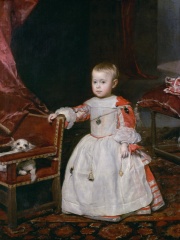
Philip Prospero, Prince of Asturias
1657 - 1661
HPI: 65.62
المرتبة: 169
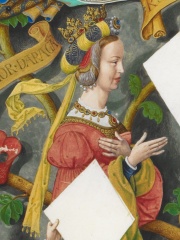
Eleanor of Alburquerque
1374 - 1435
HPI: 65.61
المرتبة: 170
Al-Mundhir of Córdoba
842 - 888
HPI: 65.54
المرتبة: 171
Erwig
642 - 687
HPI: 65.54
المرتبة: 172
Federico Mayor Zaragoza
1934 - 2024
HPI: 65.53
المرتبة: 173
Aurelius of Asturias
740 - 774
HPI: 65.51
المرتبة: 174
Infanta Elena, Duchess of Lugo
1963 - حتى الآن
HPI: 65.50
المرتبة: 175
Miguel da Paz, Prince of Portugal
1498 - 1500
HPI: 65.47
المرتبة: 176
Andrés Nin Pérez
1892 - 1937
HPI: 65.44
المرتبة: 177
Silo of Asturias
720 - 783
HPI: 65.37
المرتبة: 178




