شخصية دينية
Daniel the Stylite
409 - 490
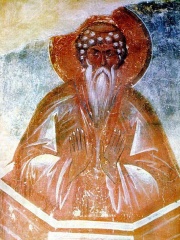
 Daniel the Stylite
سيرته الذاتية متاحة بـ17 لغة مختلفة على ويكيبيديا (زيادة من 16 في 2024). يحتل Daniel the Stylite المرتبة 1,364 بين أكثر شخصية دينية شعبيةً (تراجعًا من 1,129 في 2024)، والمرتبة 620 بين أكثر السير الذاتية شعبيةً في تركيا (تراجعًا من 545 في 2019)، كما يحتل المرتبة 93 بين أكثر شخصية دينية من تركيا شعبيةً.
مقاييس الشهرة
27k
مشاهدات الصفحة
آخر 12 شهرًا
64.18
HPI
مؤشر الشعبية التاريخية
مشاهدات صفحة Daniel the Stylite حسب اللغة
من بين شخصية دينية
من بين شخصية دينية، يحتل Daniel the Stylite المرتبة 1,364 من أصل 3,187. قبله يأتي Justin Francis Rigali, Lucian Pulvermacher, Kilab ibn Murrah, Leonard of Port Maurice, Angelus of Jerusalem, وProcopius of Scythopolis. بعده يأتي Hudhayfah ibn al-Yaman, Jean Calas, Alexander Schmorell, Cristóbal López Romero, Manuel Monteiro de Castro, وFrançois de la Chaise.
أشهر شخصية دينية على ويكيبيديا
عرض جميع التصنيفات
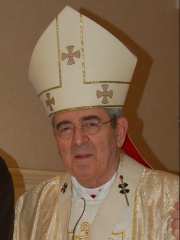
Justin Francis Rigali
1935 - حتى الآن
HPI: 64.21
المرتبة: 1,358

Lucian Pulvermacher
1918 - 2009
HPI: 64.21
المرتبة: 1,359

Kilab ibn Murrah
373 - حتى الآن
HPI: 64.20
المرتبة: 1,360
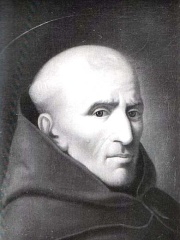
Leonard of Port Maurice
1676 - 1751
HPI: 64.20
المرتبة: 1,361
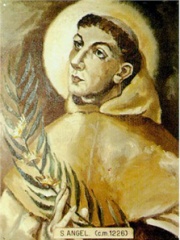
Angelus of Jerusalem
1185 - 1225
HPI: 64.19
المرتبة: 1,362
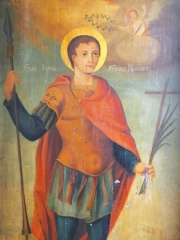
Procopius of Scythopolis
250 - 303
HPI: 64.18
المرتبة: 1,363
Daniel the Stylite
409 - 490
HPI: 64.18
المرتبة: 1,364

Hudhayfah ibn al-Yaman
600 - 656
HPI: 64.18
المرتبة: 1,365

Jean Calas
1698 - 1762
HPI: 64.17
المرتبة: 1,366

Alexander Schmorell
1917 - 1943
HPI: 64.16
المرتبة: 1,367
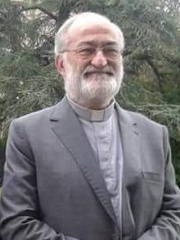
Cristóbal López Romero
1952 - حتى الآن
HPI: 64.15
المرتبة: 1,368
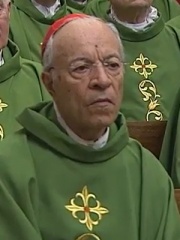
Manuel Monteiro de Castro
1938 - حتى الآن
HPI: 64.15
المرتبة: 1,369
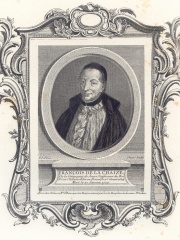
François de la Chaise
1624 - 1709
HPI: 64.14
المرتبة: 1,370

معاصرون
من بين المولودين في عام 409، يحتل Daniel the Stylite المرتبة 1. من بين المتوفين في عام 490، يحتل Daniel the Stylite المرتبة 4. قبله يأتي Movses Khorenatsi, Hayk, وPeter III of Alexandria.
آخرون وُلدوا في عام 409
عرض جميع التصنيفاتآخرون توفوا في عام 490
عرض جميع التصنيفات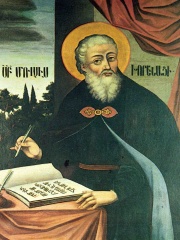
Movses Khorenatsi
HISTORIAN
410 - 490
HPI: 69.73
المرتبة: 1
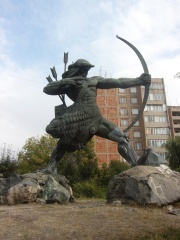
Hayk
POLITICIAN
410 - 490
HPI: 69.55
المرتبة: 2

Peter III of Alexandria
RELIGIOUS FIGURE
500 - 490
HPI: 66.37
المرتبة: 3
Daniel the Stylite
RELIGIOUS FIGURE
409 - 490
HPI: 64.18
المرتبة: 4
في تركيا
من بين المولودين في تركيا، يحتل Daniel the Stylite المرتبة 620 من أصل NaN. قبله يأتي Vahide Perçin (1965), Hugh III of Cyprus (1235), Philostorgius (368), Marcellinus Comes (450), Hanzade Sultan (1609), وBarış Manço (1943). بعده يأتي Eustathius of Thessalonica (1101), Theodore Metochites (1270), Maathorneferure (-1250), Barlaam of Seminara (1290), Menander Protector (550), وRoman of Bulgaria (930).
آخرون وُلدوا في تركيا
عرض جميع التصنيفات
Vahide Perçin
ACTOR
1965 - حتى الآن
HPI: 64.22
المرتبة: 614
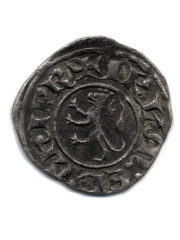
Hugh III of Cyprus
POLITICIAN
1235 - 1284
HPI: 64.21
المرتبة: 615

Philostorgius
HISTORIAN
368 - 439
HPI: 64.21
المرتبة: 616

Marcellinus Comes
WRITER
450 - 534
HPI: 64.21
المرتبة: 617

Hanzade Sultan
NOBLEMAN
1609 - 1650
HPI: 64.20
المرتبة: 618

Barış Manço
MUSICIAN
1943 - 1999
HPI: 64.19
المرتبة: 619
Daniel the Stylite
RELIGIOUS FIGURE
409 - 490
HPI: 64.18
المرتبة: 620
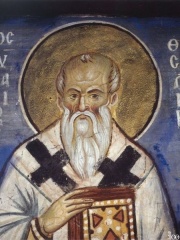
Eustathius of Thessalonica
WRITER
1101 - 1198
HPI: 64.15
المرتبة: 621
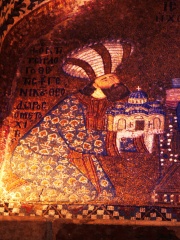
Theodore Metochites
POLITICIAN
1270 - 1332
HPI: 64.14
المرتبة: 622
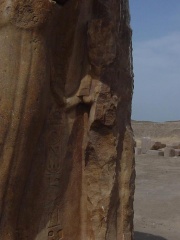
Maathorneferure
POLITICIAN
1250 BC - 1250 BC
HPI: 64.12
المرتبة: 623

Barlaam of Seminara
PHILOSOPHER
1290 - 1348
HPI: 64.11
المرتبة: 624

Menander Protector
WRITER
550 - حتى الآن
HPI: 64.09
المرتبة: 625

Roman of Bulgaria
POLITICIAN
930 - 997
HPI: 64.07
المرتبة: 626
من بين شخصية دينية في تركيا
من بين شخصية دينية المولودين في تركيا، يحتل Daniel the Stylite المرتبة 93. قبله يأتي Dorotheus of Gaza (510), Meletius of Antioch (400), Stachys the Apostle (20), Simeon Stylites the Younger (521), Mark of Ephesus (1392), وJohn XI of Constantinople (1225). بعده يأتي Sultan Walad (1226), George Sphrantzes (1401), Ebussuud Efendi (1490), Macrina the Younger (324), Theodosius the Cenobiarch (424), وIsaac of Armenia (338).
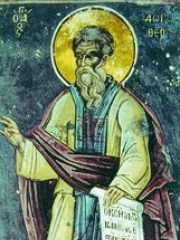
Dorotheus of Gaza
510 - 620
HPI: 64.93
المرتبة: 87
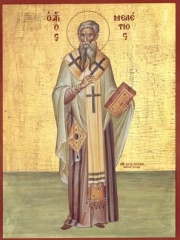
Meletius of Antioch
400 - 381
HPI: 64.68
المرتبة: 88
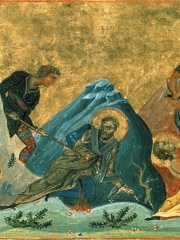
Stachys the Apostle
20 - 54
HPI: 64.57
المرتبة: 89
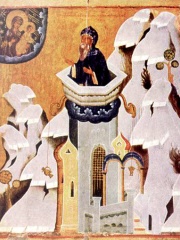
Simeon Stylites the Younger
521 - 597
HPI: 64.41
المرتبة: 90
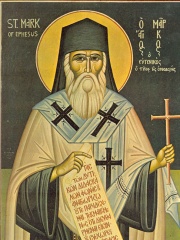
Mark of Ephesus
1392 - 1444
HPI: 64.37
المرتبة: 91
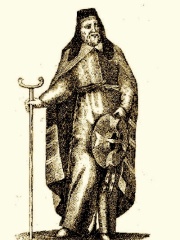
John XI of Constantinople
1225 - 1297
HPI: 64.36
المرتبة: 92
Daniel the Stylite
409 - 490
HPI: 64.18
المرتبة: 93

Sultan Walad
1226 - 1312
HPI: 64.04
المرتبة: 94

George Sphrantzes
1401 - 1477
HPI: 63.98
المرتبة: 95

Ebussuud Efendi
1490 - 1574
HPI: 63.89
المرتبة: 96
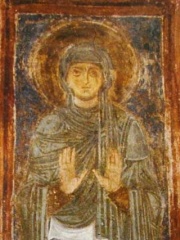
Macrina the Younger
324 - 379
HPI: 63.66
المرتبة: 97
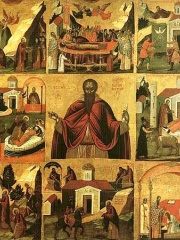
Theodosius the Cenobiarch
424 - 529
HPI: 63.64
المرتبة: 98
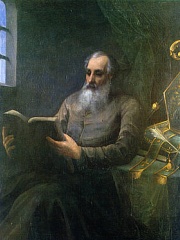
Isaac of Armenia
338 - 439
HPI: 63.62
المرتبة: 99




