政治家
Gentius
300 BC - 200 BC
 Gentius
知名度指标
36k
页面浏览量
过去12个月
66.73
HPI
历史知名度指数
数据洞察
28
Gentius的传记涵盖 28 个维基百科语言版本,历史知名度指数为 66.73。
Gentius的各语言页面浏览量
在政治家中
在政治家中,Gentius排名第4,863位(共20,022人)。 排在他之前的有:Yuan Chonghuan, Tokugawa Yoshimune, José Sarney, Magnentius, Sun Hao, 和Aulus Gabinius. 排在他之后的有:Alexander Gauland, Ramon Berenguer IV, Count of Provence, Empress Dowager Ci'an, Marek Edelman, Rajaram I, 和Nuri al-Said.
维基百科上最受欢迎的政治家
查看全部排名
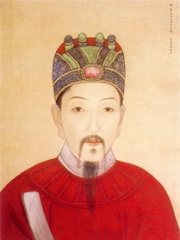
Yuan Chonghuan
1584 - 1630
HPI: 66.74
排名: 4,859
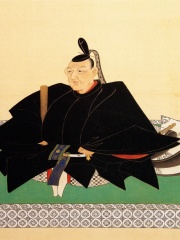
Tokugawa Yoshimune
1684 - 1751
HPI: 66.74
排名: 4,860
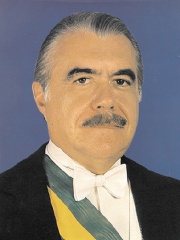
José Sarney
1930 - 至今
HPI: 66.74
排名: 4,861
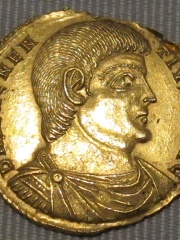
Magnentius
303 - 353
HPI: 66.74
排名: 4,862

Sun Hao
243 - 284
HPI: 66.73
排名: 4,863
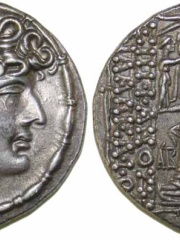
Aulus Gabinius
150 BC - 47 BC
HPI: 66.73
排名: 4,864
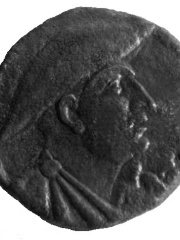
Gentius
300 BC - 200 BC
HPI: 66.73
排名: 4,865
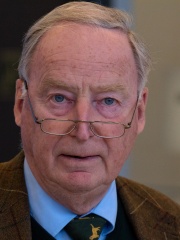
Alexander Gauland
1941 - 至今
HPI: 66.73
排名: 4,866
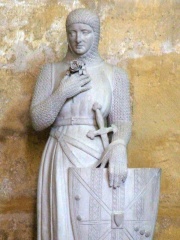
Ramon Berenguer IV, Count of Provence
1198 - 1245
HPI: 66.73
排名: 4,867

Empress Dowager Ci'an
1837 - 1881
HPI: 66.73
排名: 4,868
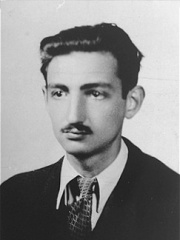
Marek Edelman
1922 - 2009
HPI: 66.73
排名: 4,869
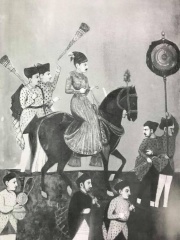
Rajaram I
1670 - 1700
HPI: 66.73
排名: 4,870
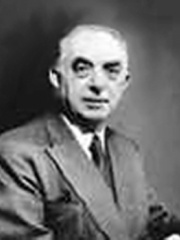
Nuri al-Said
1888 - 1958
HPI: 66.72
排名: 4,871

同时代人物
在300 BC年出生的人中,Gentius排名第11位。 排在他之前的有:Ziying, Zhao Gao, Wang Jian, Berenice, Xanthippus of Carthage, 和Arsaces II of Parthia. 排在他之后的有:Sophonisba, Nicomedes I of Bithynia, Prusias I of Bithynia, Pharnaces I of Pontus, Mithridates III of Pontus, 和Xerxes of Armenia. 在200 BC年去世的人中,Gentius排名第2位。 排在他之前的有:Livius Andronicus. 排在他之后的有:Lucius Mummius Achaicus, Leonidas of Rhodes, Mithridates III of Pontus, Moschus, Wiman of Gojoseon, Horwennefer, Gnaeus Manlius Vulso, Gaius Laelius, Gaius Terentius Varro, 和Ankhwennefer.
其他300 BC年出生的人
查看全部排名
Ziying
POLITICIAN
300 BC - 206 BC
HPI: 71.31
排名: 5

Zhao Gao
POLITICIAN
300 BC - 207 BC
HPI: 69.80
排名: 6

Wang Jian
MILITARY PERSONNEL
300 BC - 300 BC
HPI: 69.20
排名: 7

Berenice
POLITICIAN
300 BC - 246 BC
HPI: 68.85
排名: 8

Xanthippus of Carthage
MILITARY PERSONNEL
300 BC - 300 BC
HPI: 68.20
排名: 9
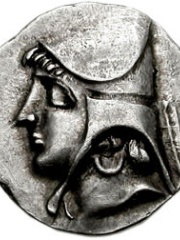
Arsaces II of Parthia
POLITICIAN
300 BC - 191 BC
HPI: 67.10
排名: 10
Gentius
POLITICIAN
300 BC - 200 BC
HPI: 66.73
排名: 11

Sophonisba
POLITICIAN
300 BC - 203 BC
HPI: 66.32
排名: 12
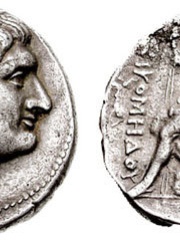
Nicomedes I of Bithynia
POLITICIAN
300 BC - 250 BC
HPI: 66.04
排名: 13
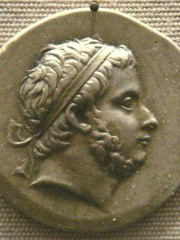
Prusias I of Bithynia
POLITICIAN
300 BC - 182 BC
HPI: 65.83
排名: 14
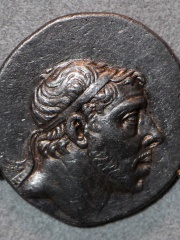
Pharnaces I of Pontus
POLITICIAN
300 BC - 159 BC
HPI: 65.05
排名: 15
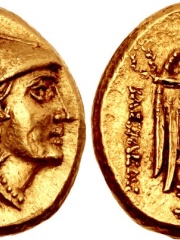
Mithridates III of Pontus
POLITICIAN
300 BC - 200 BC
HPI: 64.93
排名: 16
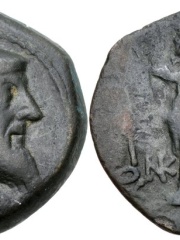
Xerxes of Armenia
POLITICIAN
300 BC - 212 BC
HPI: 64.66
排名: 17
其他200 BC年去世的人
查看全部排名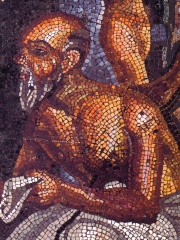
Livius Andronicus
WRITER
280 BC - 200 BC
HPI: 73.96
排名: 1
Gentius
POLITICIAN
300 BC - 200 BC
HPI: 66.73
排名: 2

Lucius Mummius Achaicus
POLITICIAN
190 BC - 200 BC
HPI: 65.03
排名: 3
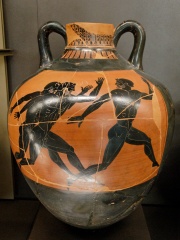
Leonidas of Rhodes
ATHLETE
200 BC - 200 BC
HPI: 64.98
排名: 4
Mithridates III of Pontus
POLITICIAN
300 BC - 200 BC
HPI: 64.93
排名: 5

Moschus
WRITER
200 BC - 200 BC
HPI: 64.17
排名: 6

Wiman of Gojoseon
POLITICIAN
300 BC - 200 BC
HPI: 64.00
排名: 7

Horwennefer
POLITICIAN
300 BC - 200 BC
HPI: 63.77
排名: 8

Gnaeus Manlius Vulso
POLITICIAN
300 BC - 200 BC
HPI: 63.39
排名: 9

Gaius Laelius
MILITARY PERSONNEL
300 BC - 200 BC
HPI: 62.84
排名: 10

Gaius Terentius Varro
POLITICIAN
300 BC - 200 BC
HPI: 62.80
排名: 11

Ankhwennefer
POLITICIAN
300 BC - 200 BC
HPI: 62.63
排名: 12
在阿尔巴尼亚
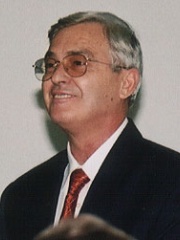
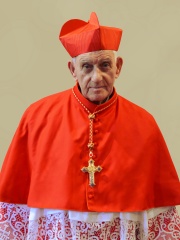
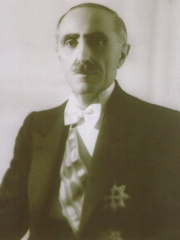
在出生于阿尔巴尼亚的人中,Gentius排名第27位(共177人)。 排在他之前的有:Ayas Mehmed Pasha (1483), Gjon Kastrioti (1400), Koca Sinan Pasha (1520), Mehmet Shehu (1913), Sami Frashëri (1850), 和Muhammad Nasiruddin al-Albani (1914). 排在他之后的有:Rexhep Meidani (1944), Ernest Simoni (1928), Bamir Topi (1957), Shefqet Vërlaci (1877), Naim Frashëri (1846), 和John Koukouzelis (1280).
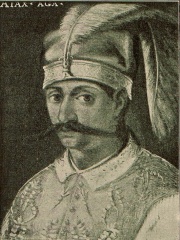
Ayas Mehmed Pasha
POLITICIAN
1483 - 1539
HPI: 68.36
排名: 21

Gjon Kastrioti
POLITICIAN
1400 - 1437
HPI: 68.25
排名: 22
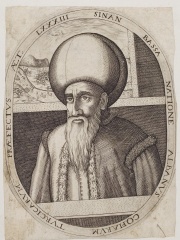
Koca Sinan Pasha
POLITICIAN
1520 - 1596
HPI: 68.01
排名: 23
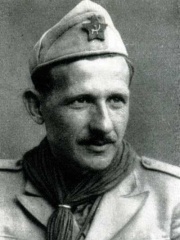
Mehmet Shehu
POLITICIAN
1913 - 1981
HPI: 67.95
排名: 24
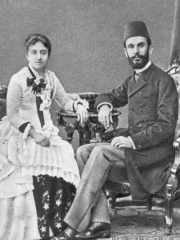
Sami Frashëri
WRITER
1850 - 1904
HPI: 67.03
排名: 25
Muhammad Nasiruddin al-Albani
WRITER
1914 - 1999
HPI: 66.84
排名: 26
Gentius
POLITICIAN
300 BC - 200 BC
HPI: 66.73
排名: 27
Rexhep Meidani
POLITICIAN
1944 - 至今
HPI: 66.54
排名: 28
Ernest Simoni
RELIGIOUS FIGURE
1928 - 至今
HPI: 66.12
排名: 29

Bamir Topi
POLITICIAN
1957 - 至今
HPI: 65.80
排名: 30
Shefqet Vërlaci
POLITICIAN
1877 - 1946
HPI: 65.64
排名: 31
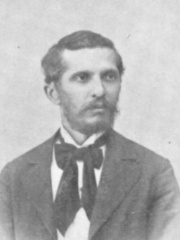
Naim Frashëri
WRITER
1846 - 1900
HPI: 65.49
排名: 32
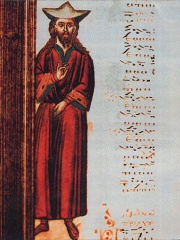
John Koukouzelis
COMPOSER
1280 - 1360
HPI: 63.87
排名: 33
在阿尔巴尼亚的政治家中
在出生于阿尔巴尼亚的政治家中,Gentius排名第23位。 排在他之前的有:Köprülü Mehmed Pasha (1580), Karl Thopia (1331), Ayas Mehmed Pasha (1483), Gjon Kastrioti (1400), Koca Sinan Pasha (1520), 和Mehmet Shehu (1913). 排在他之后的有:Rexhep Meidani (1944), Bamir Topi (1957), Shefqet Vërlaci (1877), Haxhi Lleshi (1913), Fatos Nano (1952), 和Bujar Nishani (1966).
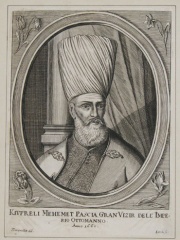
Köprülü Mehmed Pasha
1580 - 1661
HPI: 68.61
排名: 17
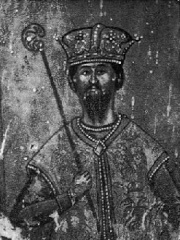
Karl Thopia
1331 - 1388
HPI: 68.58
排名: 18
Ayas Mehmed Pasha
1483 - 1539
HPI: 68.36
排名: 19
Gjon Kastrioti
1400 - 1437
HPI: 68.25
排名: 20
Koca Sinan Pasha
1520 - 1596
HPI: 68.01
排名: 21
Mehmet Shehu
1913 - 1981
HPI: 67.95
排名: 22
Gentius
300 BC - 200 BC
HPI: 66.73
排名: 23
Rexhep Meidani
1944 - 至今
HPI: 66.54
排名: 24
Bamir Topi
1957 - 至今
HPI: 65.80
排名: 25
Shefqet Vërlaci
1877 - 1946
HPI: 65.64
排名: 26
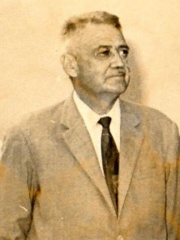
Haxhi Lleshi
1913 - 1998
HPI: 63.76
排名: 27

Fatos Nano
1952 - 2025
HPI: 63.64
排名: 28
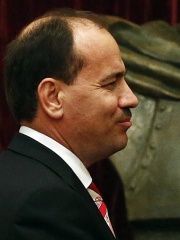
Bujar Nishani
1966 - 2022
HPI: 62.42
排名: 29




