政治家
恩维尔帕夏
1881 - 1922
ZH.WIKIPEDIA 页面浏览量 (PV)
 恩维尔帕夏
恩维尔帕夏知名度指标
830k
页面浏览量
过去12个月
76.30
HPI
历史知名度指数
数据洞察
恩维尔帕夏的各语言页面浏览量
在政治家中
在政治家中,恩维尔帕夏排名第908位(共20,022人)。 排在他之前的有:Simon of Cyrene, Justin I, Felix Dzerzhinsky, Arnulf of Carinthia, Alexandra of Denmark, 和Jugurtha. 排在他之后的有:Mustafa IV, Vytautas, Park Geun-hye, Franz Joseph II, Prince of Liechtenstein, Arthur Seyss-Inquart, 和Harald Greycloak.
维基百科上最受欢迎的政治家
查看全部排名
Simon of Cyrene
100 BC - 100
HPI: 76.33
排名: 902
Justin I
450 - 527
HPI: 76.33
排名: 903
Felix Dzerzhinsky
1877 - 1926
HPI: 76.33
排名: 904
Arnulf of Carinthia
850 - 899
HPI: 76.31
排名: 905
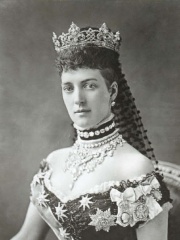
Alexandra of Denmark
1844 - 1925
HPI: 76.31
排名: 906
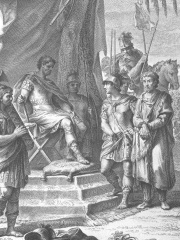
Jugurtha
160 BC - 104 BC
HPI: 76.30
排名: 907
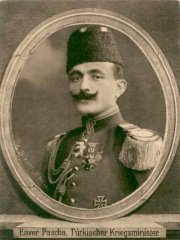
Enver Pasha
1881 - 1922
HPI: 76.30
排名: 908
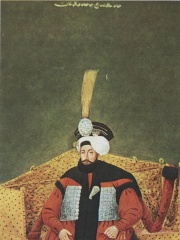
Mustafa IV
1779 - 1808
HPI: 76.29
排名: 909
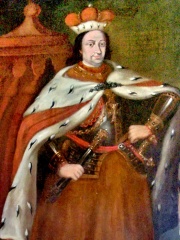
Vytautas
1352 - 1430
HPI: 76.28
排名: 910

Park Geun-hye
1952 - 至今
HPI: 76.28
排名: 911
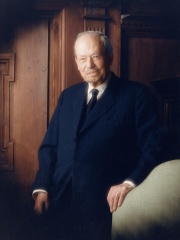
Franz Joseph II, Prince of Liechtenstein
1906 - 1989
HPI: 76.27
排名: 912
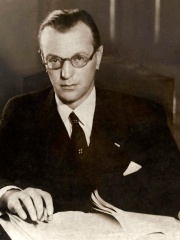
Arthur Seyss-Inquart
1892 - 1946
HPI: 76.27
排名: 913
Harald Greycloak
935 - 970
HPI: 76.27
排名: 914

同时代人物
在1881年出生的人中,恩维尔帕夏排名第12位。 排在他之前的有:Béla Bartók, Alexander Kerensky, Roger Martin du Gard, Lu Xun, Cecil B. DeMille, 和Anna Pavlova. 排在他之后的有:William Boeing, Kliment Voroshilov, Walther von Brauchitsch, Hans Kelsen, Clinton Davisson, 和Guccio Gucci. 在1922年去世的人中,恩维尔帕夏排名第7位。 排在他之前的有:Pope Benedict XV, Alexander Graham Bell, Marcel Proust, Charles I of Austria, Fredrik Bajer, 和Charles Louis Alphonse Laveran. 排在他之后的有:Erich von Falkenhayn, Eliezer Ben-Yehuda, Ernest Shackleton, Djemal Pasha, Hermann Rorschach, 和Walther Rathenau.
其他1881年出生的人
查看全部排名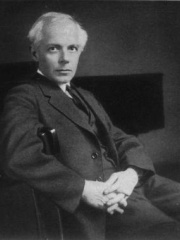
Béla Bartók
COMPOSER
1881 - 1945
HPI: 80.84
排名: 6
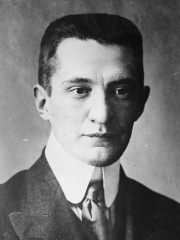
Alexander Kerensky
POLITICIAN
1881 - 1970
HPI: 78.86
排名: 7
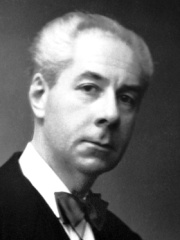
Roger Martin du Gard
WRITER
1881 - 1958
HPI: 77.76
排名: 8
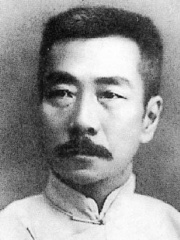
Lu Xun
WRITER
1881 - 1936
HPI: 77.56
排名: 9
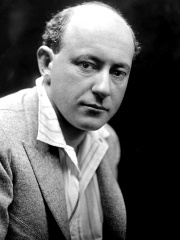
Cecil B. DeMille
FILM DIRECTOR
1881 - 1959
HPI: 77.46
排名: 10

Anna Pavlova
DANCER
1881 - 1931
HPI: 77.37
排名: 11
Enver Pasha
POLITICIAN
1881 - 1922
HPI: 76.30
排名: 12
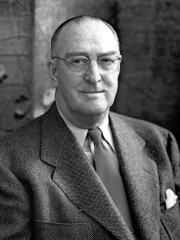
William Boeing
BUSINESSPERSON
1881 - 1956
HPI: 76.19
排名: 13
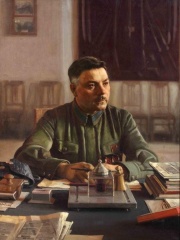
Kliment Voroshilov
POLITICIAN
1881 - 1969
HPI: 76.07
排名: 14
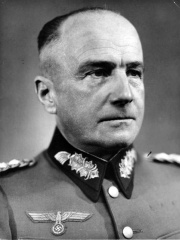
Walther von Brauchitsch
MILITARY PERSONNEL
1881 - 1948
HPI: 75.62
排名: 15
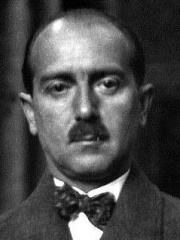
Hans Kelsen
PHILOSOPHER
1881 - 1973
HPI: 75.57
排名: 16
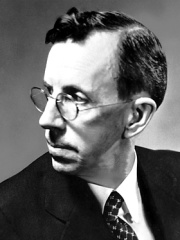
Clinton Davisson
PHYSICIST
1881 - 1958
HPI: 75.46
排名: 17
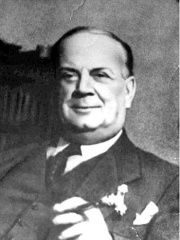
Guccio Gucci
BUSINESSPERSON
1881 - 1953
HPI: 75.42
排名: 18
其他1922年去世的人
查看全部排名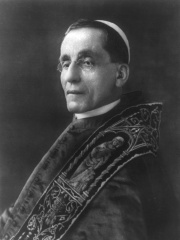
Pope Benedict XV
RELIGIOUS FIGURE
1854 - 1922
HPI: 85.96
排名: 1
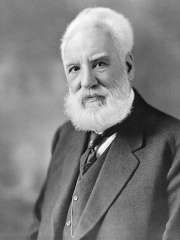
Alexander Graham Bell
INVENTOR
1847 - 1922
HPI: 85.31
排名: 2
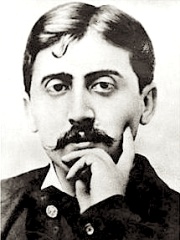
Marcel Proust
WRITER
1871 - 1922
HPI: 84.39
排名: 3
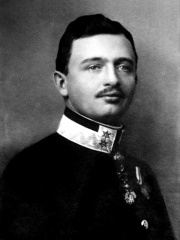
Charles I of Austria
POLITICIAN
1887 - 1922
HPI: 81.72
排名: 4
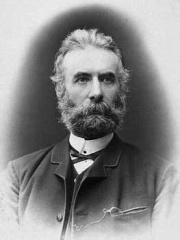
Fredrik Bajer
POLITICIAN
1837 - 1922
HPI: 76.68
排名: 5
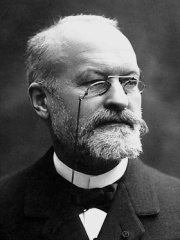
Charles Louis Alphonse Laveran
PHYSICIAN
1845 - 1922
HPI: 76.47
排名: 6
Enver Pasha
POLITICIAN
1881 - 1922
HPI: 76.30
排名: 7
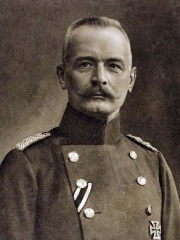
Erich von Falkenhayn
MILITARY PERSONNEL
1861 - 1922
HPI: 73.67
排名: 8
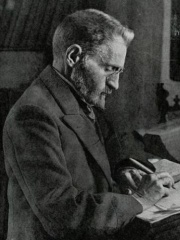
Eliezer Ben-Yehuda
LINGUIST
1858 - 1922
HPI: 72.93
排名: 9
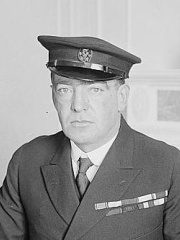
Ernest Shackleton
EXPLORER
1874 - 1922
HPI: 72.88
排名: 10
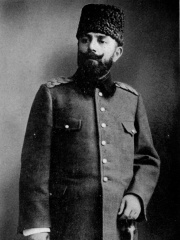
Djemal Pasha
MILITARY PERSONNEL
1872 - 1922
HPI: 72.26
排名: 11
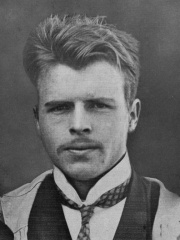
Hermann Rorschach
PSYCHOLOGIST
1884 - 1922
HPI: 72.22
排名: 12
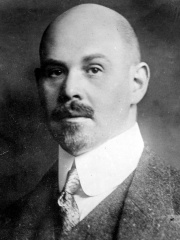
Walther Rathenau
POLITICIAN
1867 - 1922
HPI: 71.03
排名: 13
在土耳其
在出生于土耳其的人中,恩维尔帕夏排名第127位(共1,732人)。 排在他之前的有:Piri Reis (1470), Photios I of Constantinople (900), Theodora (815), Pausanias (110), Zeno (425), 和Rachel (-3500). 排在他之后的有:Mustafa IV (1779), Chrysippus (-281), Julius Nepos (430), Anna Komnene (1083), İsmet İnönü (1884), 和Fethullah Gülen (1941).
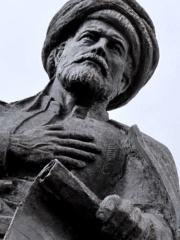
Piri Reis
GEOGRAPHER
1470 - 1554
HPI: 76.77
排名: 121
Photios I of Constantinople
RELIGIOUS FIGURE
900 - 896
HPI: 76.73
排名: 122
Theodora
RELIGIOUS FIGURE
815 - 867
HPI: 76.61
排名: 123
Pausanias
GEOGRAPHER
110 - 180
HPI: 76.58
排名: 124
Zeno
POLITICIAN
425 - 491
HPI: 76.57
排名: 125

Rachel
RELIGIOUS FIGURE
3500 BC - 1553 BC
HPI: 76.38
排名: 126
Enver Pasha
POLITICIAN
1881 - 1922
HPI: 76.30
排名: 127
Mustafa IV
POLITICIAN
1779 - 1808
HPI: 76.29
排名: 128
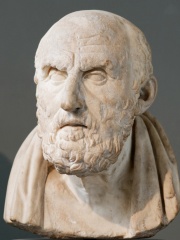
Chrysippus
PHILOSOPHER
281 BC - 208 BC
HPI: 76.28
排名: 129
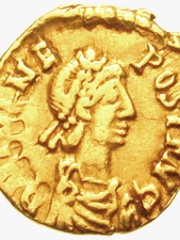
Julius Nepos
POLITICIAN
430 - 480
HPI: 76.23
排名: 130
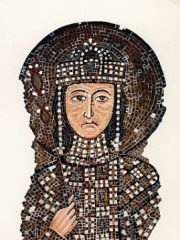
Anna Komnene
WRITER
1083 - 1153
HPI: 76.22
排名: 131
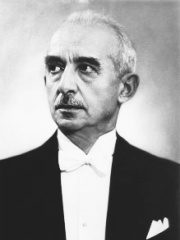
İsmet İnönü
POLITICIAN
1884 - 1973
HPI: 76.20
排名: 132
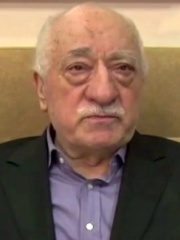
Fethullah Gülen
RELIGIOUS FIGURE
1941 - 2024
HPI: 76.15
排名: 133
在土耳其的政治家中
在出生于土耳其的政治家中,恩维尔帕夏排名第69位。 排在他之前的有:Murad V (1840), Gordian I (159), Osman III (1699), Stefan Dušan (1308), Romanos IV Diogenes (1030), 和Zeno (425). 排在他之后的有:Mustafa IV (1779), Julius Nepos (430), İsmet İnönü (1884), Michael III (840), Justinian II (668), 和Abdullah Gül (1950).
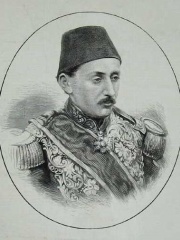
Murad V
1840 - 1904
HPI: 77.08
排名: 63
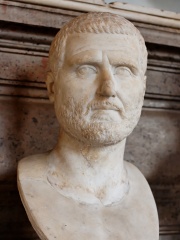
Gordian I
159 - 238
HPI: 77.04
排名: 64
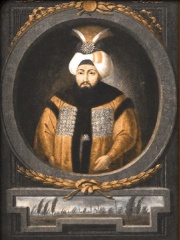
Osman III
1699 - 1757
HPI: 76.91
排名: 65
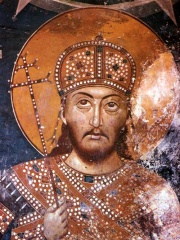
Stefan Dušan
1308 - 1355
HPI: 76.79
排名: 66
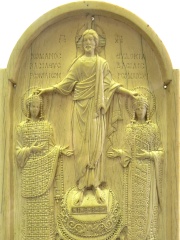
Romanos IV Diogenes
1030 - 1072
HPI: 76.79
排名: 67
Zeno
425 - 491
HPI: 76.57
排名: 68
Enver Pasha
1881 - 1922
HPI: 76.30
排名: 69
Mustafa IV
1779 - 1808
HPI: 76.29
排名: 70
Julius Nepos
430 - 480
HPI: 76.23
排名: 71
İsmet İnönü
1884 - 1973
HPI: 76.20
排名: 72
Michael III
840 - 867
HPI: 76.01
排名: 73
Justinian II
668 - 711
HPI: 75.96
排名: 74
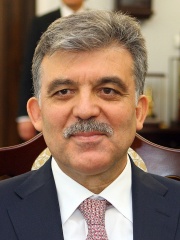
Abdullah Gül
1950 - 至今
HPI: 75.95
排名: 75




