 Khyber Pakhtunkhwa
Khyber Pakhtunkhwa ranks 7,800th in number of biographies on Pantheon, behind Maine, Mazar-i-Sharif, and New Malden. The most famous people from Khyber Pakhtunkhwa are Fazlur Rahman Malik, and Ziauddin Yousafzai. Khyber Pakhtunkhwa has been the birth place of many philosophers, and social activists. Khyber Pakhtunkhwa is located in Pakistan.
People
Between 1919 and 1969, Khyber Pakhtunkhwa was the birth place of 2 globally memorable people, including Fazlur Rahman Malik, and Ziauddin Yousafzai.
People Born in Khyber Pakhtunkhwa
Go to all Rankings

Fazlur Rahman Malik
PHILOSOPHER
1919 - 1988
HPI: 57.45
Rank: 1
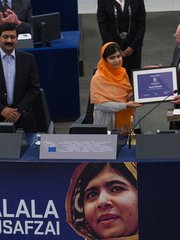
Ziauddin Yousafzai
SOCIAL ACTIVIST
1969 - Present
HPI: 37.66
Rank: 2

Newly Added People Born in Khyber Pakhtunkhwa
Go to all RankingsOccupations
Most individuals born in present day Khyber Pakhtunkhwawere philosophers (1), and social activists (1), while most who died were .
Places
Overlapping Lives
Below is a visual represetation of the lifespans of the top 1 globally memorable people born in Khyber Pakhtunkhwa since 1700.




