Sportowiec
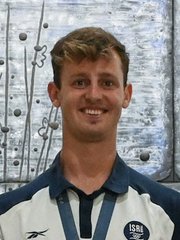
Zhang Ling

 Zhang Ling
Ich biografia jest dostępna w 4 różnych językach w Wikipedii. Zhang Ling jest 3861. najpopularniejszym sportowiec (spadek z 2688. w 2024 roku), 445. najpopularniejszą biografią Izrael (spadek z 372. w 2019 roku) oraz 2. najpopularniejszym sportowiec Izrael.
Wskaźniki rozpoznawalności
6.2k
Wyświetlenia strony
Ostatnie 12 miesięcy
43.82
HPI
Indeks historycznej popularności
Ciekawostki z danych
#2 / 36
Zhang Ling zajmuje 2. miejsce wśród 36 Sportowiec urodzonych w kraju Izrael, w najlepszych 6% tej grupy.
Wyświetlenia strony Zhang Ling według języka
Wśród przedstawicieli zawodu Sportowiec
Wśród przedstawicieli zawodu „Sportowiec” Zhang Ling zajmuje 3,861. miejsce na 13,875. Przed nimi są Patrick Johnson, Lorenzo Sotomayor, Sylvia Jebiwott Kibet, Thorsten Weidner, Gabriele Mehl, i Maryam Yusuf Jamal. Po nich są Malaika Mihambo, Yelena Prokhorova, Orlando Duque, Ashley Spencer, Ana Guevara, i Pepijn Aardewijn.
Najpopularniejsi w Wikipedii: Sportowiec
Zobacz wszystkie rankingi

Patrick Johnson
1972 - obecnie
HPI: 43.85
Miejsce: 3,855
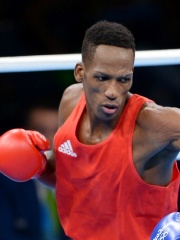
Lorenzo Sotomayor
1985 - obecnie
HPI: 43.84
Miejsce: 3,856
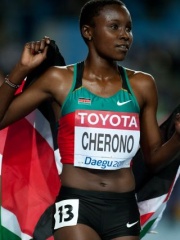
Sylvia Jebiwott Kibet
1984 - obecnie
HPI: 43.84
Miejsce: 3,857

Thorsten Weidner
1967 - obecnie
HPI: 43.84
Miejsce: 3,858

Gabriele Mehl
1967 - obecnie
HPI: 43.83
Miejsce: 3,859
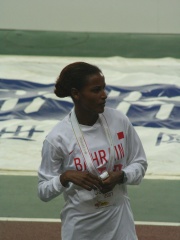
Maryam Yusuf Jamal
1984 - obecnie
HPI: 43.83
Miejsce: 3,860
Zhang Ling
HPI: 43.82
Miejsce: 3,861
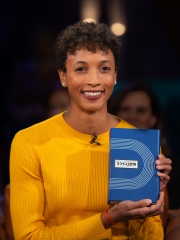
Malaika Mihambo
1994 - obecnie
HPI: 43.81
Miejsce: 3,862

Yelena Prokhorova
1978 - obecnie
HPI: 43.81
Miejsce: 3,863
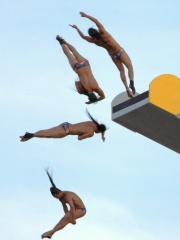
Orlando Duque
1974 - obecnie
HPI: 43.81
Miejsce: 3,864
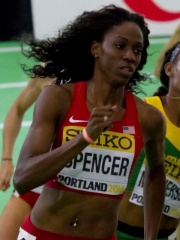
Ashley Spencer
1993 - obecnie
HPI: 43.80
Miejsce: 3,865
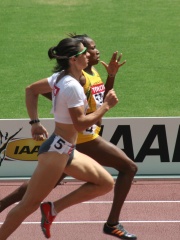
Ana Guevara
1977 - obecnie
HPI: 43.79
Miejsce: 3,866

Pepijn Aardewijn
1970 - obecnie
HPI: 43.79
Miejsce: 3,867

W kraju Izrael
Wśród osób urodzonych w kraju Izrael Zhang Ling zajmuje 445. miejsce na 591. Przed nimi są Simon Leviev (1990), Yochai Benkler (1964), Sayed Kashua (1975), Tzipi Hotovely (1978), Arik Benado (1973), i Lior Narkis (1976). Po nich są Lior Refaelov (1986), Avi Nimni (1972), Karine Elharrar (1977), Nas Daily (1992), Boaz Ma'uda (1987), i Orly Levy (1973).
Inne osoby urodzone w kraju Izrael
Zobacz wszystkie rankingi
Simon Leviev
BUSINESSPERSON
1990 - obecnie
HPI: 44.63
Miejsce: 439
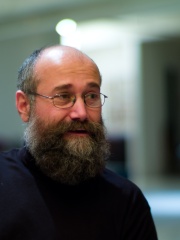
Yochai Benkler
ECONOMIST
1964 - obecnie
HPI: 44.55
Miejsce: 440

Sayed Kashua
WRITER
1975 - obecnie
HPI: 44.55
Miejsce: 441
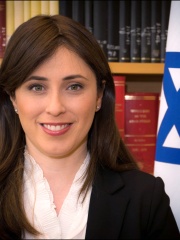
Tzipi Hotovely
POLITICIAN
1978 - obecnie
HPI: 44.28
Miejsce: 442
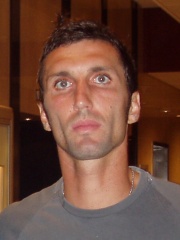
Arik Benado
SOCCER PLAYER
1973 - obecnie
HPI: 44.10
Miejsce: 443

Lior Narkis
SINGER
1976 - obecnie
HPI: 44.03
Miejsce: 444
Zhang Ling
ATHLETE
HPI: 43.82
Miejsce: 445
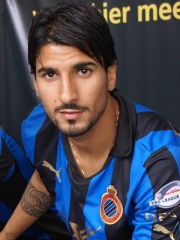
Lior Refaelov
SOCCER PLAYER
1986 - obecnie
HPI: 43.75
Miejsce: 446
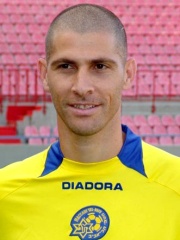
Avi Nimni
SOCCER PLAYER
1972 - obecnie
HPI: 43.70
Miejsce: 447
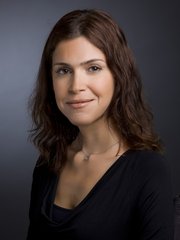
Karine Elharrar
POLITICIAN
1977 - obecnie
HPI: 43.56
Miejsce: 448
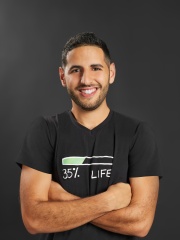
Nas Daily
YOUTUBER
1992 - obecnie
HPI: 43.54
Miejsce: 449
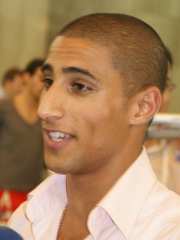
Boaz Ma'uda
SINGER
1987 - obecnie
HPI: 43.42
Miejsce: 450
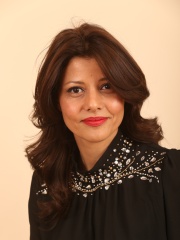
Orly Levy
POLITICIAN
1973 - obecnie
HPI: 43.41
Miejsce: 451
Wśród przedstawicieli zawodu Sportowiec w kraju Izrael
Wśród przedstawicieli zawodu „Sportowiec” urodzonych w kraju Izrael Zhang Ling zajmuje 2. miejsce. Przed nimi jest Gal Fridman (1975). Po nich są Shahar Tzuberi (1986), Shira Rishony (1991), Raz Hershko (1998), Avishag Semberg (2001), Baruch Shmailov (1994), Gili Sharir (1999), Tom Reuveny (2000), Nicol Zelikman (2001), Maor Tiyouri (1990), i Alexander Bachmann (1994).
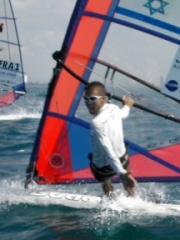
Gal Fridman
1975 - obecnie
HPI: 46.23
Miejsce: 1
Zhang Ling
HPI: 43.82
Miejsce: 2
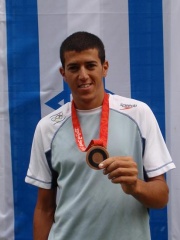
Shahar Tzuberi
1986 - obecnie
HPI: 36.96
Miejsce: 3
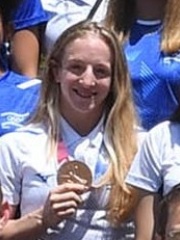
Shira Rishony
1991 - obecnie
HPI: 36.43
Miejsce: 4

Raz Hershko
1998 - obecnie
HPI: 36.22
Miejsce: 5

Avishag Semberg
2001 - obecnie
HPI: 34.27
Miejsce: 6
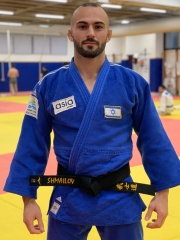
Baruch Shmailov
1994 - obecnie
HPI: 33.80
Miejsce: 7

Gili Sharir
1999 - obecnie
HPI: 31.08
Miejsce: 8
Tom Reuveny
2000 - obecnie
HPI: 30.34
Miejsce: 9

Nicol Zelikman
2001 - obecnie
HPI: 28.00
Miejsce: 10

Maor Tiyouri
1990 - obecnie
HPI: 27.47
Miejsce: 11

Alexander Bachmann
1994 - obecnie
HPI: 25.78
Miejsce: 12




