Militare
Wei Qing
150 BC - 106 BC

 Wei Qing
La sua biografia è disponibile in 17 lingue su Wikipedia (in aumento rispetto a 16 nel 2024). Wei Qing è la 737ª militare più popolare (in calo dal 662ª nel 2024), la 462ª biografia più popolare della Cina (in calo dal 454ª nel 2019) e la 44ª militare più popolare della Cina.
Metriche di memorabilità
120k
Visualizzazioni
Ultimi 12 mesi
64.32
HPI
Indice di popolarità storica
Dati in evidenza
#21,223
A oltre 21 secoli dalla morte, Wei Qing occupa ancora la posizione n. 21,223 tra tutte le personalità di Pantheon.
114
Wei Qing è una delle sole 114 donne tra i 2,058 Militare di Pantheon.
Visualizzazioni della pagina di Wei Qing per lingua
Tra Militare
Tra Militare, Wei Qing occupa la posizione 737 su 2,058. Prima di lei ci sono Nobutake Kondō, Seiichi Itō, Archduke Stephen, Palatine of Hungary, Raoul Salan, Ludwig Yorck von Wartenburg, e Werner Ostendorff. Dopo di lei ci sono Archduke Joseph Karl of Austria, Karl-Adolf Hollidt, Wilhelm Ritter von Thoma, Prince Josias of Saxe-Coburg-Saalfeld, Albert Leo Schlageter, e George Meade.
Militare più popolari su Wikipedia
Vai a tutte le classifiche
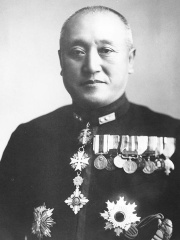
Nobutake Kondō
1886 - 1953
HPI: 64.37
Posizione: 731
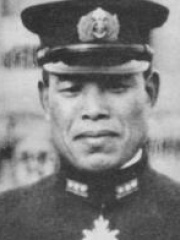
Seiichi Itō
1890 - 1945
HPI: 64.37
Posizione: 732
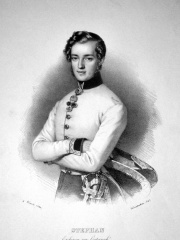
Archduke Stephen, Palatine of Hungary
1817 - 1867
HPI: 64.34
Posizione: 733
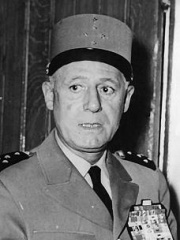
Raoul Salan
1899 - 1984
HPI: 64.33
Posizione: 734
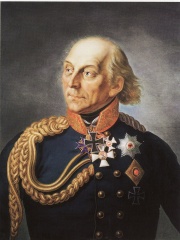
Ludwig Yorck von Wartenburg
1759 - 1830
HPI: 64.33
Posizione: 735
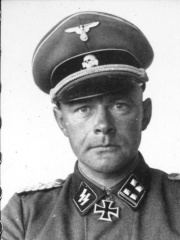
Werner Ostendorff
1903 - 1945
HPI: 64.33
Posizione: 736
Wei Qing
150 BC - 106 BC
HPI: 64.32
Posizione: 737
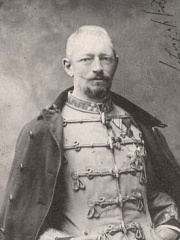
Archduke Joseph Karl of Austria
1833 - 1905
HPI: 64.32
Posizione: 738
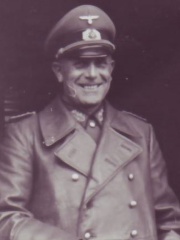
Karl-Adolf Hollidt
1891 - 1985
HPI: 64.31
Posizione: 739
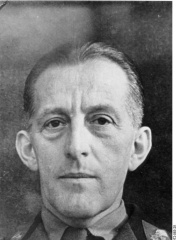
Wilhelm Ritter von Thoma
1891 - 1948
HPI: 64.30
Posizione: 740
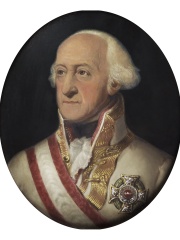
Prince Josias of Saxe-Coburg-Saalfeld
1737 - 1815
HPI: 64.30
Posizione: 741
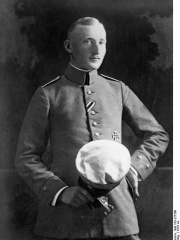
Albert Leo Schlageter
1894 - 1923
HPI: 64.30
Posizione: 742
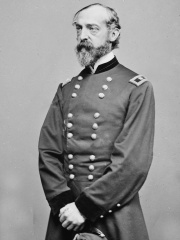
George Meade
1815 - 1872
HPI: 64.29
Posizione: 743

Contemporanei
Tra le persone nate nel 150 BC, Wei Qing occupa la posizione 14. Prima di lei ci sono Aulus Gabinius, Tigranes I, Antiochus XII Dionysus, Mithridates II of Parthia, Zeno of Sidon, e Huo Guang. Dopo di lei ci sono Artemidorus Ephesius, Demetrius III Eucaerus, Lucius Licinius Lucullus, Mithridates IV of Pontus, Wei Zifu, e Marcus Fulvius Flaccus. Tra le persone decedute nel 106 BC, Wei Qing occupa la posizione 1.
Altre persone nate nel 150 BC
Vai a tutte le classifiche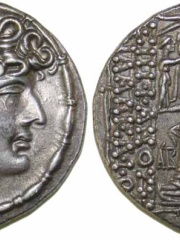
Aulus Gabinius
POLITICIAN
150 BC - 47 BC
HPI: 66.73
Posizione: 8
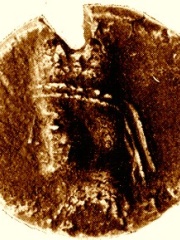
Tigranes I
POLITICIAN
150 BC - 95 BC
HPI: 65.74
Posizione: 9
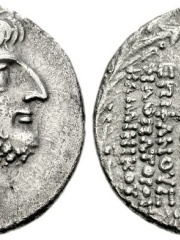
Antiochus XII Dionysus
POLITICIAN
150 BC - 84 BC
HPI: 65.50
Posizione: 10
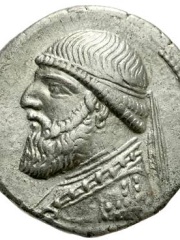
Mithridates II of Parthia
POLITICIAN
150 BC - 88 BC
HPI: 65.34
Posizione: 11

Zeno of Sidon
PHILOSOPHER
150 BC - 75 BC
HPI: 64.89
Posizione: 12
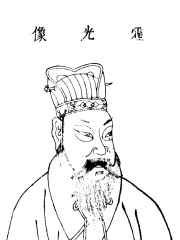
Huo Guang
POLITICIAN
150 BC - 68 BC
HPI: 64.68
Posizione: 13
Wei Qing
MILITARY PERSONNEL
150 BC - 106 BC
HPI: 64.32
Posizione: 14

Artemidorus Ephesius
GEOGRAPHER
150 BC - 100 BC
HPI: 63.57
Posizione: 15
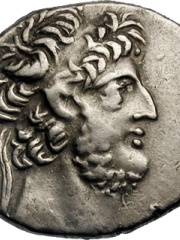
Demetrius III Eucaerus
POLITICIAN
150 BC - 88 BC
HPI: 63.07
Posizione: 16

Lucius Licinius Lucullus
POLITICIAN
150 BC - 200 BC
HPI: 62.50
Posizione: 17

Mithridates IV of Pontus
POLITICIAN
150 BC - 200 BC
HPI: 62.41
Posizione: 18

Wei Zifu
POLITICIAN
150 BC - 91 BC
HPI: 62.34
Posizione: 19

Marcus Fulvius Flaccus
EXTREMIST
150 BC - 121 BC
HPI: 61.83
Posizione: 20
Altre persone decedute nel 106 BC
Vai a tutte le classificheIn Cina
Tra le persone nate in Cina, Wei Qing occupa la posizione 462 su 1,610. Prima di lei ci sono Ignatius Kung Pin-Mei (1901), Yen Chia-kan (1905), Chen Sheng (-250), Bao Xishun (1951), 10th Dalai Lama (1816), e Cai Yong (133). Dopo di lei ci sono Shen Yue (441), Liu Zongyuan (773), Chen Kaige (1952), Run Run Shaw (1907), Lei Feng (1940), e Rangjung Rigpe Dorje, 16th Karmapa (1924).
Altre persone nate in Cina
Vai a tutte le classifiche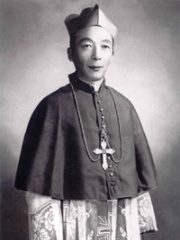
Ignatius Kung Pin-Mei
RELIGIOUS FIGURE
1901 - 2000
HPI: 64.38
Posizione: 456
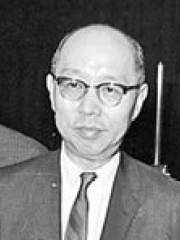
Yen Chia-kan
POLITICIAN
1905 - 1993
HPI: 64.37
Posizione: 457
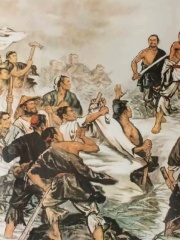
Chen Sheng
SOCIAL ACTIVIST
250 BC - 208 BC
HPI: 64.37
Posizione: 458
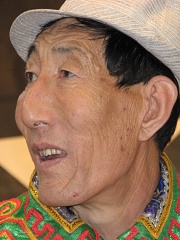
Bao Xishun
RELIGIOUS FIGURE
1951 - presente
HPI: 64.37
Posizione: 459

10th Dalai Lama
POLITICIAN
1816 - 1837
HPI: 64.36
Posizione: 460
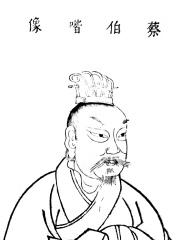
Cai Yong
POLITICIAN
133 - 192
HPI: 64.34
Posizione: 461
Wei Qing
MILITARY PERSONNEL
150 BC - 106 BC
HPI: 64.32
Posizione: 462

Shen Yue
WRITER
441 - 513
HPI: 64.28
Posizione: 463
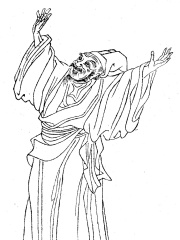
Liu Zongyuan
WRITER
773 - 819
HPI: 64.26
Posizione: 464

Chen Kaige
FILM DIRECTOR
1952 - presente
HPI: 64.24
Posizione: 465
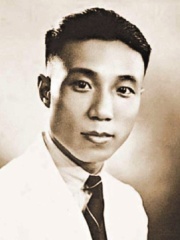
Run Run Shaw
ACTOR
1907 - 2014
HPI: 64.24
Posizione: 466
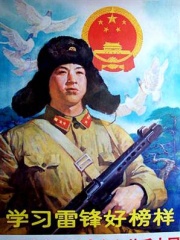
Lei Feng
MILITARY PERSONNEL
1940 - 1962
HPI: 64.23
Posizione: 467
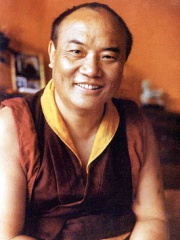
Rangjung Rigpe Dorje, 16th Karmapa
POLITICIAN
1924 - 1981
HPI: 64.22
Posizione: 468
Tra Militare in Cina
Tra Militare nati in Cina, Wei Qing occupa la posizione 44. Prima di lei ci sono Zhang Youxia (1950), Huang Gai (145), Pang De (170), Yue Jin (200), Zhou Tai (163), e Zhuge Jin (174). Dopo di lei ci sono Lei Feng (1940), Ma Dai (183), Ling Tong (189), Chen Youliang (1320), Osman Batur (1899), e Qin Liangyu (1574).
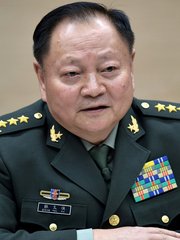
Zhang Youxia
1950 - presente
HPI: 65.59
Posizione: 38
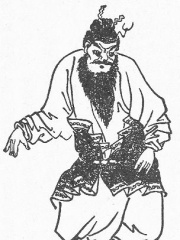
Huang Gai
145 - 222
HPI: 65.19
Posizione: 39
Pang De
170 - 219
HPI: 65.09
Posizione: 40
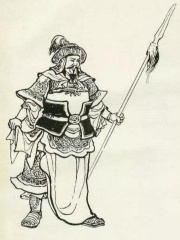
Yue Jin
200 - presente
HPI: 64.78
Posizione: 41
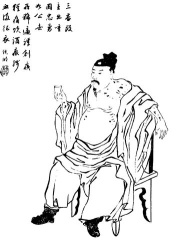
Zhou Tai
163 - 223
HPI: 64.68
Posizione: 42
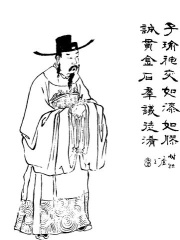
Zhuge Jin
174 - presente
HPI: 64.55
Posizione: 43
Wei Qing
150 BC - 106 BC
HPI: 64.32
Posizione: 44
Lei Feng
1940 - 1962
HPI: 64.23
Posizione: 45
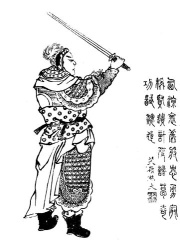
Ma Dai
183 - 300
HPI: 64.18
Posizione: 46

Ling Tong
189 - presente
HPI: 63.69
Posizione: 47

Chen Youliang
1320 - 1363
HPI: 63.58
Posizione: 48
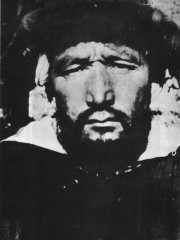
Osman Batur
1899 - 1951
HPI: 63.26
Posizione: 49
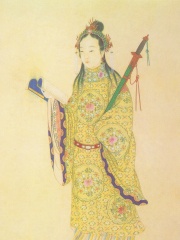
Qin Liangyu
1574 - 1648
HPI: 62.19
Posizione: 50




