Filmregisseur
Tinto Brass
1933 - heute
DE.WIKIPEDIA-SEITENAUFRUFE (PV)
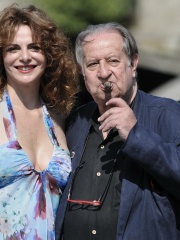
 Tinto Brass
Seine Biografie ist in 42 verschiedenen Sprachen auf Wikipedia verfügbar (gestiegen von 40 im Jahr 2024). Tinto Brass ist der 43rd beliebteste Filmregisseur (gesunken vom 35th im Jahr 2024), die 511th beliebteste Biografie aus Italien (gesunken vom 336th im Jahr 2019) und der 8th beliebteste aus Italien Filmregisseur.
Bekanntheitsmetriken
690k
Seitenaufrufe
Letzte 12 Monate
74.81
HPI
Historischer Popularitätsindex
Seitenaufrufe von Tinto Brass nach Sprache
Unter Filmregisseur
Unter Filmregisseur belegt Tinto Brass Rang 43 von 2,041. Vor ihm stehen Quentin Tarantino, Emir Kusturica, James Cameron, Krzysztof Kieślowski, John Ford, und Isao Takahata. Nach ihm folgen Tim Burton, Roberto Rossellini, Ken Loach, Rainer Werner Fassbinder, Andrzej Wajda, und Robert Zemeckis.
Die beliebtesten Filmregisseur auf Wikipedia
Zu allen Ranglisten
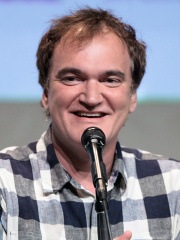
Quentin Tarantino
1963 - heute
HPI: 75.35
Rang: 37

Emir Kusturica
1954 - heute
HPI: 75.34
Rang: 38
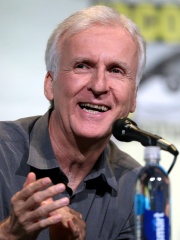
James Cameron
1954 - heute
HPI: 75.33
Rang: 39
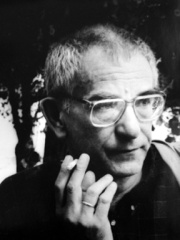
Krzysztof Kieślowski
1941 - 1996
HPI: 75.06
Rang: 40
John Ford
1894 - 1973
HPI: 74.91
Rang: 41

Isao Takahata
1935 - 2018
HPI: 74.87
Rang: 42
Tinto Brass
1933 - heute
HPI: 74.81
Rang: 43

Tim Burton
1958 - heute
HPI: 74.69
Rang: 44
Roberto Rossellini
1906 - 1977
HPI: 74.58
Rang: 45
Ken Loach
1936 - heute
HPI: 74.28
Rang: 46
Rainer Werner Fassbinder
1945 - 1982
HPI: 74.27
Rang: 47
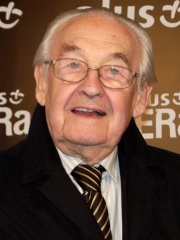
Andrzej Wajda
1926 - 2016
HPI: 74.25
Rang: 48
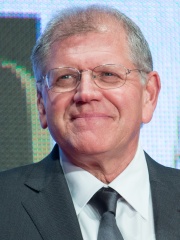
Robert Zemeckis
1952 - heute
HPI: 74.20
Rang: 49

Zeitgenossen
Unter den im Jahr 1933 Geborenen belegt Tinto Brass Rang 16. Vor ihm stehen Lina Medina, Claudio Abbado, Francisco Gento, William Anders, Heinrich Rohrer, und Jalal Talabani. Nach ihm folgen James Brown, H. D. Deve Gowda, Just Fontaine, Nina Simone, Arno Allan Penzias, und Susan Sontag.
Weitere im Jahr 1933 Geborene
Zu allen Ranglisten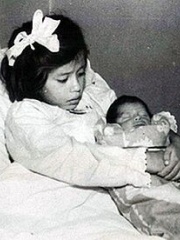
Lina Medina
CELEBRITY
1933 - 2015
HPI: 77.29
Rang: 10
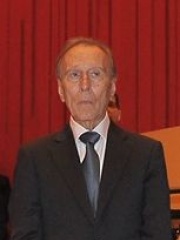
Claudio Abbado
CONDUCTOR
1933 - 2014
HPI: 76.41
Rang: 11
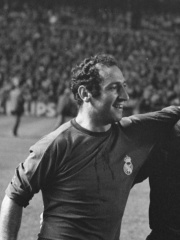
Francisco Gento
SOCCER PLAYER
1933 - 2022
HPI: 75.90
Rang: 12
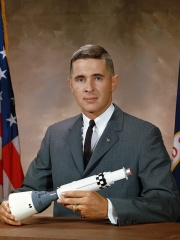
William Anders
ASTRONAUT
1933 - 2024
HPI: 75.54
Rang: 13
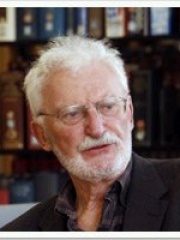
Heinrich Rohrer
PHYSICIST
1933 - 2013
HPI: 75.31
Rang: 14
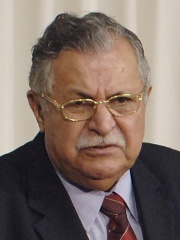
Jalal Talabani
POLITICIAN
1933 - 2017
HPI: 74.91
Rang: 15
Tinto Brass
FILM DIRECTOR
1933 - heute
HPI: 74.81
Rang: 16
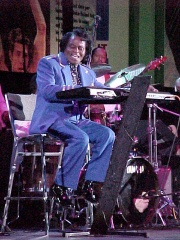
James Brown
SINGER
1933 - 2006
HPI: 74.80
Rang: 17
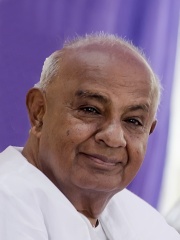
H. D. Deve Gowda
POLITICIAN
1933 - heute
HPI: 74.63
Rang: 18
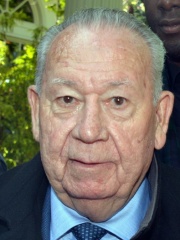
Just Fontaine
SOCCER PLAYER
1933 - 2023
HPI: 74.56
Rang: 19

Nina Simone
SINGER
1933 - 2003
HPI: 74.43
Rang: 20

Arno Allan Penzias
PHYSICIST
1933 - 2024
HPI: 74.19
Rang: 21
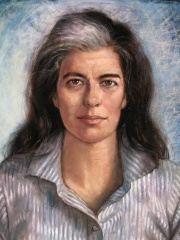
Susan Sontag
WRITER
1933 - 2004
HPI: 73.98
Rang: 22
In Italien
Unter den in Italien Geborenen belegt Tinto Brass Rang 511 von NaN. Vor ihm stehen Tiberius Claudius Nero (-85), Pope John III (520), Renzo Piano (1937), Rita Levi-Montalcini (1909), Cesare Beccaria (1738), und Maria Anna of Savoy (1803). Nach ihm folgen Pope Hilarius (415), Victor Amadeus II of Sardinia (1666), Antonio Meucci (1808), Totila (500), Pope Stephen VIII (900), und Lucky Luciano (1897).
Weitere in Italien geborene Personen
Zu allen Ranglisten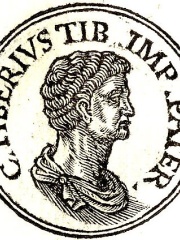
Tiberius Claudius Nero
POLITICIAN
85 BC - 33 BC
HPI: 74.93
Rang: 505

Pope John III
RELIGIOUS FIGURE
520 - 574
HPI: 74.93
Rang: 506

Renzo Piano
ARCHITECT
1937 - heute
HPI: 74.89
Rang: 507
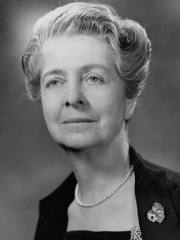
Rita Levi-Montalcini
PHYSICIAN
1909 - 2012
HPI: 74.89
Rang: 508
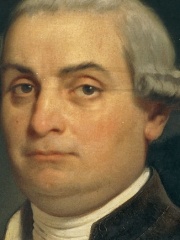
Cesare Beccaria
PHILOSOPHER
1738 - 1794
HPI: 74.89
Rang: 509
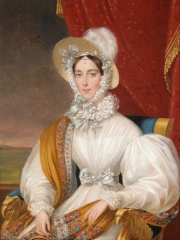
Maria Anna of Savoy
POLITICIAN
1803 - 1884
HPI: 74.82
Rang: 510
Tinto Brass
FILM DIRECTOR
1933 - heute
HPI: 74.81
Rang: 511

Pope Hilarius
RELIGIOUS FIGURE
415 - 468
HPI: 74.81
Rang: 512
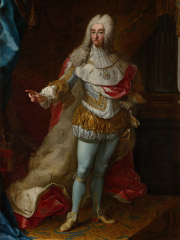
Victor Amadeus II of Sardinia
POLITICIAN
1666 - 1732
HPI: 74.80
Rang: 513
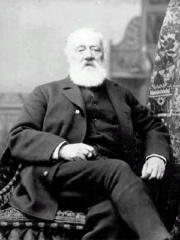
Antonio Meucci
INVENTOR
1808 - 1889
HPI: 74.80
Rang: 514

Totila
POLITICIAN
500 - 552
HPI: 74.78
Rang: 515
Pope Stephen VIII
RELIGIOUS FIGURE
900 - 942
HPI: 74.77
Rang: 516
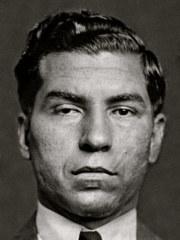
Lucky Luciano
MAFIOSO
1897 - 1962
HPI: 74.76
Rang: 517
Unter Filmregisseur in Italien
Unter den in Italien geborenen Filmregisseur belegt Tinto Brass Rang 8. Vor ihm stehen Pier Paolo Pasolini (1922), Bernardo Bertolucci (1941), Luchino Visconti (1906), Sergio Leone (1929), Michelangelo Antonioni (1912), und Vittorio De Sica (1901). Nach ihm folgen Roberto Rossellini (1906), Frank Capra (1897), Franco Zeffirelli (1923), Dario Argento (1940), Giuseppe Tornatore (1956), und Ettore Scola (1931).
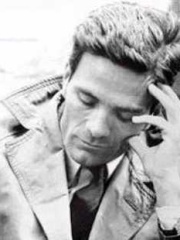
Pier Paolo Pasolini
1922 - 1975
HPI: 79.68
Rang: 2
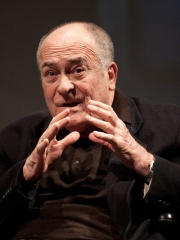
Bernardo Bertolucci
1941 - 2018
HPI: 78.50
Rang: 3
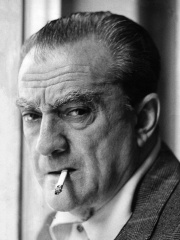
Luchino Visconti
1906 - 1976
HPI: 78.42
Rang: 4
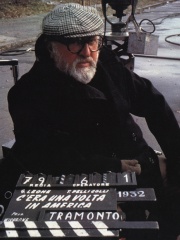
Sergio Leone
1929 - 1989
HPI: 78.14
Rang: 5
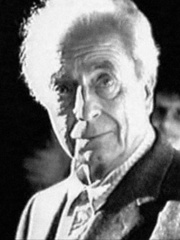
Michelangelo Antonioni
1912 - 2007
HPI: 76.78
Rang: 6
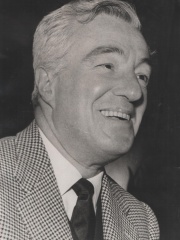
Vittorio De Sica
1901 - 1974
HPI: 75.36
Rang: 7
Tinto Brass
1933 - heute
HPI: 74.81
Rang: 8
Roberto Rossellini
1906 - 1977
HPI: 74.58
Rang: 9
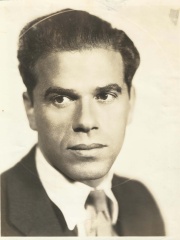
Frank Capra
1897 - 1991
HPI: 72.77
Rang: 10
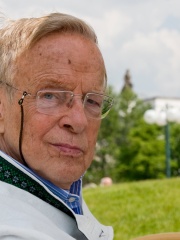
Franco Zeffirelli
1923 - 2019
HPI: 72.02
Rang: 11
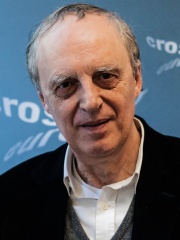
Dario Argento
1940 - heute
HPI: 71.13
Rang: 12
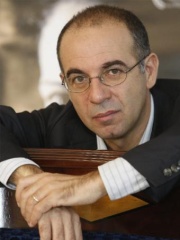
Giuseppe Tornatore
1956 - heute
HPI: 69.56
Rang: 13
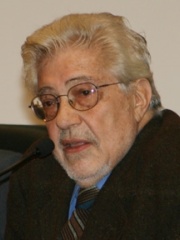
Ettore Scola
1931 - 2016
HPI: 68.21
Rang: 14




