Politico
Thomas Beaufort, Duke of Exeter
1377 - presente
VISUALIZZAZIONI SU IT.WIKIPEDIA (PV)

 Thomas Beaufort, Duke of Exeter
La sua biografia è disponibile in 19 lingue su Wikipedia (in aumento rispetto a 17 nel 2024). Thomas Beaufort, Duke of Exeter è il 14587° politico più popolare (in aumento dal 15017° nel 2024), la 4380ª biografia più popolare della Francia (in aumento dal 4600ª nel 2019) e il 845° politico più popolare della Francia.
Metriche di memorabilità
35k
Visualizzazioni
Ultimi 12 mesi
56.41
HPI
Indice di popolarità storica
Dati in evidenza
19
La biografia di Thomas Beaufort, Duke of Exeter copre 19 edizioni linguistiche di Wikipedia e ottiene un Indice di Popolarità Storica di 56.41.
Visualizzazioni della pagina di Thomas Beaufort, Duke of Exeter per lingua
Tra Politico
Tra Politico, Thomas Beaufort, Duke of Exeter occupa la posizione 14,581 su 20,022. Prima di lui ci sono Maura Healey, Eugene Burton Ely, Zidanta II, Ali Treki, Keith Rowley, e Irena Degutienė. Dopo di lui ci sono Ramón Villeda Morales, Juan José de Amézaga, Sinanüddin Fakih Yusuf Pasha, Andrés Narvarte, Emilio Aceval, e Zuleykha Seyidmammadova.
Politico più popolari su Wikipedia
Vai a tutte le classifiche

Maura Healey
1971 - presente
HPI: 56.41
Posizione: 14,581
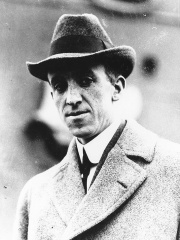
Eugene Burton Ely
1886 - 1911
HPI: 56.41
Posizione: 14,582

Zidanta II
1450 - presente
HPI: 56.41
Posizione: 14,583
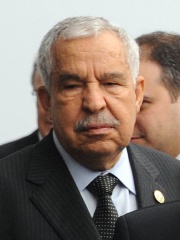
Ali Treki
1937 - 2015
HPI: 56.41
Posizione: 14,584
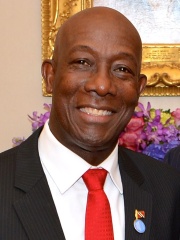
Keith Rowley
1949 - presente
HPI: 56.41
Posizione: 14,585
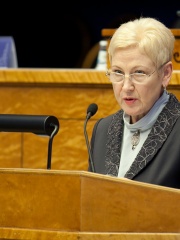
Irena Degutienė
1949 - presente
HPI: 56.41
Posizione: 14,586
Thomas Beaufort, Duke of Exeter
1377 - presente
HPI: 56.41
Posizione: 14,587
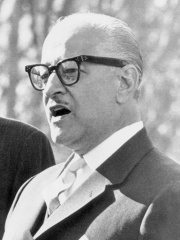
Ramón Villeda Morales
1909 - 1971
HPI: 56.41
Posizione: 14,588
Juan José de Amézaga
1881 - 1956
HPI: 56.40
Posizione: 14,589

Sinanüddin Fakih Yusuf Pasha
HPI: 56.40
Posizione: 14,590
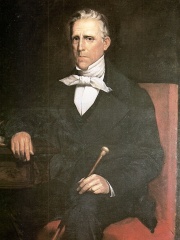
Andrés Narvarte
1781 - 1853
HPI: 56.40
Posizione: 14,591
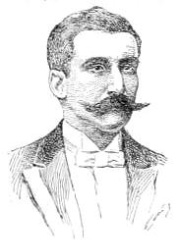
Emilio Aceval
1853 - 1931
HPI: 56.40
Posizione: 14,592
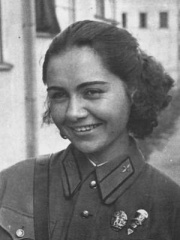
Zuleykha Seyidmammadova
1919 - 1999
HPI: 56.40
Posizione: 14,593

Contemporanei
Tra le persone nate nel 1377, Thomas Beaufort, Duke of Exeter occupa la posizione 13. Prima di lui ci sono Süleyman Çelebi, Albert IV, Duke of Austria, Emperor Go-Komatsu, Afonso I, Duke of Braganza, Oswald von Wolkenstein, e Edward III, Duke of Bar.
Altre persone nate nel 1377
Vai a tutte le classifiche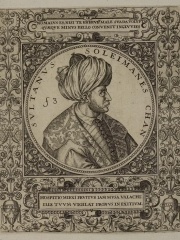
Süleyman Çelebi
POLITICIAN
1377 - 1411
HPI: 70.36
Posizione: 7
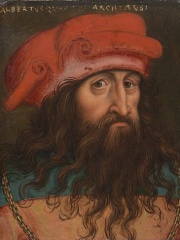
Albert IV, Duke of Austria
POLITICIAN
1377 - 1404
HPI: 70.27
Posizione: 8

Emperor Go-Komatsu
POLITICIAN
1377 - 1433
HPI: 66.89
Posizione: 9
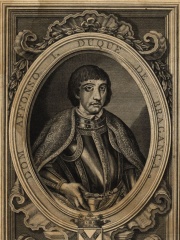
Afonso I, Duke of Braganza
POLITICIAN
1377 - 1461
HPI: 66.65
Posizione: 10
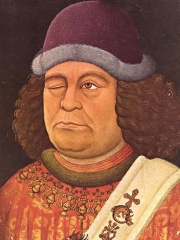
Oswald von Wolkenstein
WRITER
1377 - 1445
HPI: 63.69
Posizione: 11

Edward III, Duke of Bar
NOBLEMAN
1377 - 1415
HPI: 59.97
Posizione: 12
Thomas Beaufort, Duke of Exeter
POLITICIAN
1377 - presente
HPI: 56.41
Posizione: 13
In Francia
Tra le persone nate in Francia, Thomas Beaufort, Duke of Exeter occupa la posizione 4,380 su 7,658. Prima di lui ci sono René Barbier (1891), Édouard Artigas (1906), Philippe Bergeroo (1954), Jean-Marc Guillou (1945), Paul Paray (1886), e Henri Bouckaert (1870). Dopo di lui ci sono Pierre Adet (1763), Luiz of Orléans-Braganza (1938), Christian Gourcuff (1955), E. D. Morel (1873), Marcel Moyse (1889), e André Tassin (1902).
Altre persone nate in Francia
Vai a tutte le classifiche
René Barbier
ATHLETE
1891 - 1966
HPI: 56.43
Posizione: 4,374

Édouard Artigas
ATHLETE
1906 - 2001
HPI: 56.43
Posizione: 4,375

Philippe Bergeroo
SOCCER PLAYER
1954 - presente
HPI: 56.42
Posizione: 4,376

Jean-Marc Guillou
SOCCER PLAYER
1945 - presente
HPI: 56.42
Posizione: 4,377
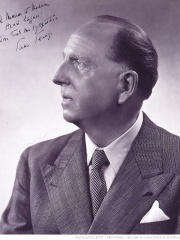
Paul Paray
CONDUCTOR
1886 - 1979
HPI: 56.41
Posizione: 4,378

Henri Bouckaert
ATHLETE
1870 - 1912
HPI: 56.41
Posizione: 4,379
Thomas Beaufort, Duke of Exeter
POLITICIAN
1377 - presente
HPI: 56.41
Posizione: 4,380
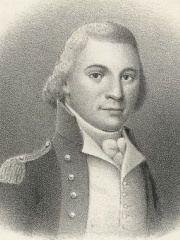
Pierre Adet
CHEMIST
1763 - 1834
HPI: 56.40
Posizione: 4,381

Luiz of Orléans-Braganza
NOBLEMAN
1938 - 2022
HPI: 56.40
Posizione: 4,382

Christian Gourcuff
SOCCER PLAYER
1955 - presente
HPI: 56.40
Posizione: 4,383
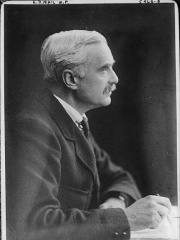
E. D. Morel
POLITICIAN
1873 - 1924
HPI: 56.38
Posizione: 4,384
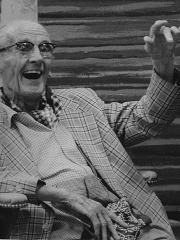
Marcel Moyse
MUSICIAN
1889 - 1984
HPI: 56.36
Posizione: 4,385
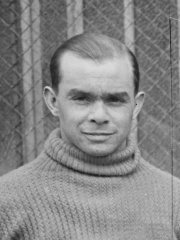
André Tassin
SOCCER PLAYER
1902 - 1986
HPI: 56.36
Posizione: 4,386
Tra Politico in Francia
Tra Politico nati in Francia, Thomas Beaufort, Duke of Exeter occupa la posizione 845. Prima di lui ci sono Bruno Retailleau (1960), Florence Devouard (1968), Eleanor of Normandy (1010), Georges Bonnet (1889), Gaëtan de Rochebouët (1813), e Francis Biddle (1886). Dopo di lui ci sono E. D. Morel (1873), Jean-Paul Proust (1940), Gabriel Attal (1989), François Chabot (1756), Paul Passy (1859), e Michel Maffesoli (1944).

Bruno Retailleau
1960 - presente
HPI: 57.03
Posizione: 839

Florence Devouard
1968 - presente
HPI: 56.87
Posizione: 840

Eleanor of Normandy
1010 - 1071
HPI: 56.72
Posizione: 841
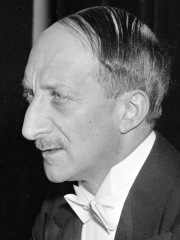
Georges Bonnet
1889 - 1973
HPI: 56.72
Posizione: 842
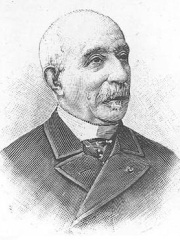
Gaëtan de Rochebouët
1813 - 1899
HPI: 56.55
Posizione: 843
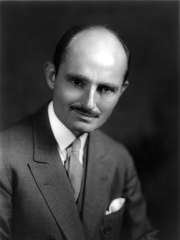
Francis Biddle
1886 - 1968
HPI: 56.43
Posizione: 844
Thomas Beaufort, Duke of Exeter
1377 - presente
HPI: 56.41
Posizione: 845
E. D. Morel
1873 - 1924
HPI: 56.38
Posizione: 846

Jean-Paul Proust
1940 - 2010
HPI: 56.35
Posizione: 847

Gabriel Attal
1989 - presente
HPI: 56.30
Posizione: 848
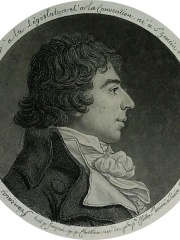
François Chabot
1756 - 1794
HPI: 56.28
Posizione: 849
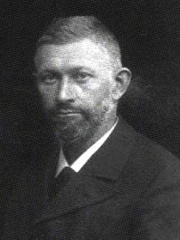
Paul Passy
1859 - 1940
HPI: 56.18
Posizione: 850

Michel Maffesoli
1944 - presente
HPI: 56.12
Posizione: 851




