Aktywista społeczny
Túpac Amaru II
1738 - 1781
WYŚWIETLENIA PL.WIKIPEDIA (PV)
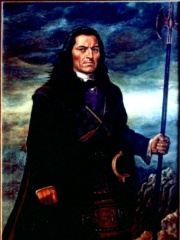
 Túpac Amaru II
Jego biografia jest dostępna w 44 różnych językach w Wikipedii. Túpac Amaru II jest 65. najpopularniejszym aktywista społeczny (spadek z 57. w 2024 roku), 12. najpopularniejszą biografią Peru oraz najpopularniejszym aktywista społeczny Peru.
Wskaźniki rozpoznawalności
390k
Wyświetlenia strony
Ostatnie 12 miesięcy
72.53
HPI
Indeks historycznej popularności
Wyświetlenia strony Túpac Amaru II według języka
Wśród przedstawicieli zawodu Aktywista społeczny
Wśród przedstawicieli zawodu „Aktywista społeczny” Túpac Amaru II zajmuje 65. miejsce na 840. Przed nim są Dominique Pire, Syed Ahmad Khan, Kim Hyong-jik, Gerald Durrell, Carl von Ossietzky, i Ernesto Teodoro Moneta. Po nim są Angela Davis, Alexey Stakhanov, Jody Williams, Mustafa Barzani, José Rizal, i Emilia Plater.
Najpopularniejsi w Wikipedii: Aktywista społeczny
Zobacz wszystkie rankingi
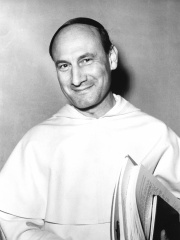
Dominique Pire
1910 - 1969
HPI: 73.24
Miejsce: 59
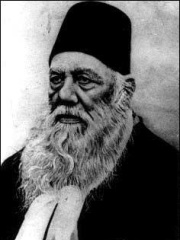
Syed Ahmad Khan
1817 - 1898
HPI: 73.23
Miejsce: 60
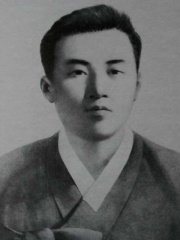
Kim Hyong-jik
1894 - 1926
HPI: 73.20
Miejsce: 61
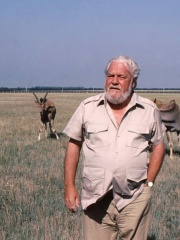
Gerald Durrell
1925 - 1995
HPI: 73.19
Miejsce: 62
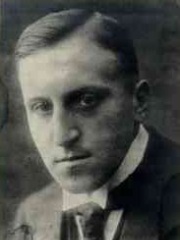
Carl von Ossietzky
1889 - 1938
HPI: 72.58
Miejsce: 63
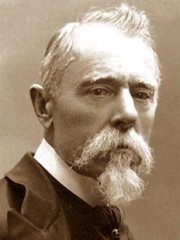
Ernesto Teodoro Moneta
1833 - 1918
HPI: 72.57
Miejsce: 64
Túpac Amaru II
1738 - 1781
HPI: 72.53
Miejsce: 65
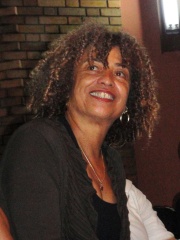
Angela Davis
1944 - obecnie
HPI: 72.39
Miejsce: 66
Alexey Stakhanov
1906 - 1977
HPI: 72.17
Miejsce: 67
Jody Williams
1950 - obecnie
HPI: 72.07
Miejsce: 68
Mustafa Barzani
1903 - 1979
HPI: 72.05
Miejsce: 69
José Rizal
1861 - 1896
HPI: 71.83
Miejsce: 70
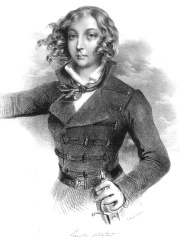
Emilia Plater
1806 - 1831
HPI: 71.60
Miejsce: 71

Współcześni
Wśród osób urodzonych w 1738 roku Túpac Amaru II zajmuje 6. miejsce. Przed nim są George III, William Herschel, Joseph-Ignace Guillotin, Cesare Beccaria, i Archduchess Maria Anna of Austria. Po nim są Albert Casimir, Duke of Teschen, Charles Cornwallis, 1st Marquess Cornwallis, Thomas Abbt, Ethan Allen, Arthur Phillip, i Adolphus Frederick IV, Duke of Mecklenburg-Strelitz. Wśród osób zmarłych w 1781 roku Túpac Amaru II zajmuje 3. miejsce. Przed nim są Gotthold Ephraim Lessing, i Anne Robert Jacques Turgot. Po nim są Mariana Victoria of Spain, Josef Mysliveček, Abram Petrovich Gannibal, Ablai Khan, Franz Joseph I, Prince of Liechtenstein, Johann Anton Güldenstädt, Faustina Bordoni, Jean-Frédéric Phélypeaux, Count of Maurepas, i John Needham.
Inne osoby urodzone w 1738 roku
Zobacz wszystkie rankingi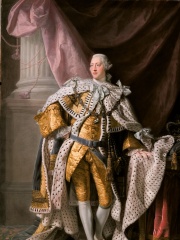
George III
NOBLEMAN
1738 - 1820
HPI: 89.11
Miejsce: 1
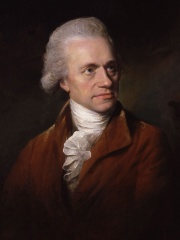
William Herschel
ASTRONOMER
1738 - 1822
HPI: 80.07
Miejsce: 2
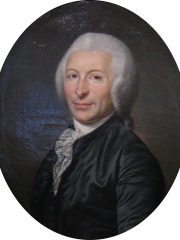
Joseph-Ignace Guillotin
PHYSICIAN
1738 - 1814
HPI: 75.14
Miejsce: 3
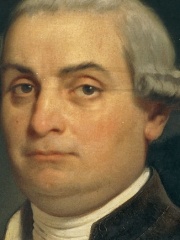
Cesare Beccaria
PHILOSOPHER
1738 - 1794
HPI: 74.89
Miejsce: 4
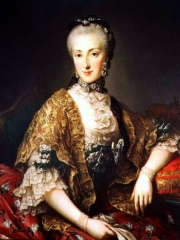
Archduchess Maria Anna of Austria
POLITICIAN
1738 - 1789
HPI: 72.74
Miejsce: 5
Túpac Amaru II
SOCIAL ACTIVIST
1738 - 1781
HPI: 72.53
Miejsce: 6
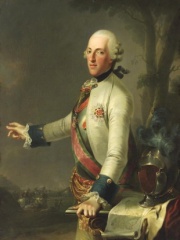
Albert Casimir, Duke of Teschen
POLITICIAN
1738 - 1822
HPI: 71.00
Miejsce: 7
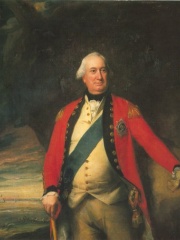
Charles Cornwallis, 1st Marquess Cornwallis
MILITARY PERSONNEL
1738 - 1805
HPI: 67.20
Miejsce: 8
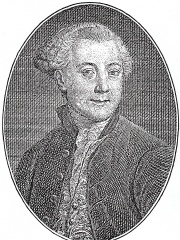
Thomas Abbt
MATHEMATICIAN
1738 - 1766
HPI: 67.01
Miejsce: 9
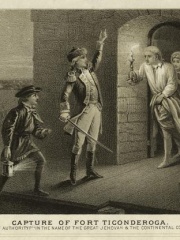
Ethan Allen
BUSINESSPERSON
1738 - 1789
HPI: 66.09
Miejsce: 10
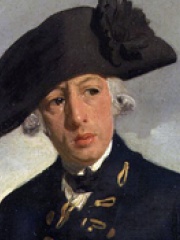
Arthur Phillip
POLITICIAN
1738 - 1814
HPI: 65.48
Miejsce: 11
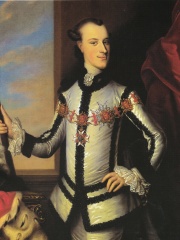
Adolphus Frederick IV, Duke of Mecklenburg-Strelitz
POLITICIAN
1738 - 1794
HPI: 65.12
Miejsce: 12
Inne osoby zmarłe w 1781 roku
Zobacz wszystkie rankingi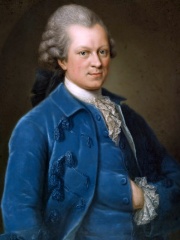
Gotthold Ephraim Lessing
WRITER
1729 - 1781
HPI: 77.54
Miejsce: 1
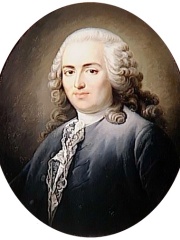
Anne Robert Jacques Turgot
ECONOMIST
1727 - 1781
HPI: 73.32
Miejsce: 2
Túpac Amaru II
SOCIAL ACTIVIST
1738 - 1781
HPI: 72.53
Miejsce: 3
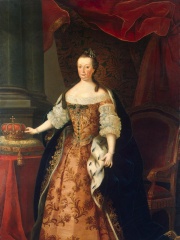
Mariana Victoria of Spain
NOBLEMAN
1718 - 1781
HPI: 71.94
Miejsce: 4
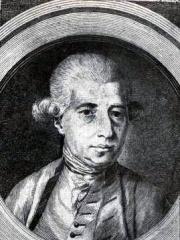
Josef Mysliveček
COMPOSER
1737 - 1781
HPI: 69.34
Miejsce: 5
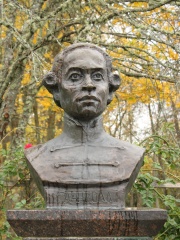
Abram Petrovich Gannibal
ENGINEER
1696 - 1781
HPI: 68.56
Miejsce: 6
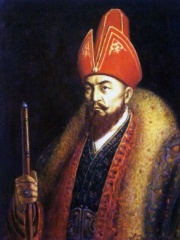
Ablai Khan
POLITICIAN
1711 - 1781
HPI: 65.95
Miejsce: 7
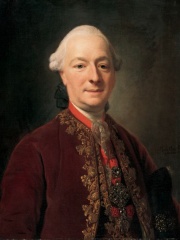
Franz Joseph I, Prince of Liechtenstein
POLITICIAN
1726 - 1781
HPI: 64.01
Miejsce: 8

Johann Anton Güldenstädt
EXPLORER
1745 - 1781
HPI: 63.16
Miejsce: 9
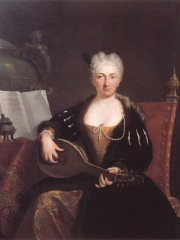
Faustina Bordoni
SINGER
1697 - 1781
HPI: 62.84
Miejsce: 10
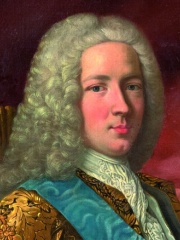
Jean-Frédéric Phélypeaux, Count of Maurepas
POLITICIAN
1701 - 1781
HPI: 62.34
Miejsce: 11
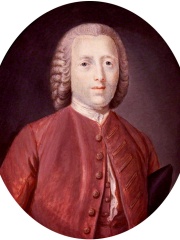
John Needham
BIOLOGIST
1713 - 1781
HPI: 61.74
Miejsce: 12
W kraju Peru
Wśród osób urodzonych w kraju Peru Túpac Amaru II zajmuje 12. miejsce na NaN. Przed nim są Alberto Fujimori (1938), Carlos Castaneda (1925), Túpac Amaru (1545), Pachacuti (1380), Manco Cápac (1250), i Rose of Lima (1586). Po nim są Manco Inca Yupanqui (1512), Huáscar (1490), Yma Sumac (1923), Topa Inca Yupanqui (1441), Martin de Porres (1579), i Viracocha Inca (1310).
Inne osoby urodzone w kraju Peru
Zobacz wszystkie rankingi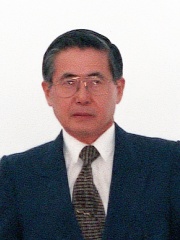
Alberto Fujimori
POLITICIAN
1938 - 2024
HPI: 75.53
Miejsce: 6
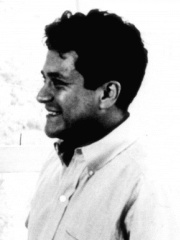
Carlos Castaneda
WRITER
1925 - 1998
HPI: 74.47
Miejsce: 7
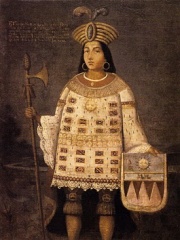
Túpac Amaru
POLITICIAN
1545 - 1572
HPI: 73.46
Miejsce: 8
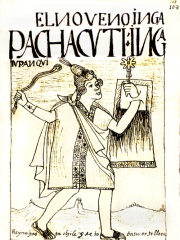
Pachacuti
POLITICIAN
1380 - 1460
HPI: 73.45
Miejsce: 9
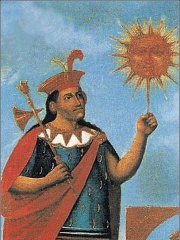
Manco Cápac
RELIGIOUS FIGURE
1250 - 1169
HPI: 73.13
Miejsce: 10
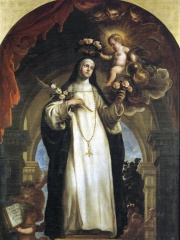
Rose of Lima
RELIGIOUS FIGURE
1586 - 1617
HPI: 72.88
Miejsce: 11
Túpac Amaru II
SOCIAL ACTIVIST
1738 - 1781
HPI: 72.53
Miejsce: 12
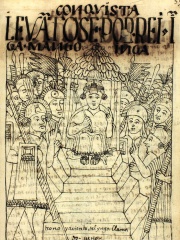
Manco Inca Yupanqui
POLITICIAN
1512 - 1544
HPI: 70.79
Miejsce: 13
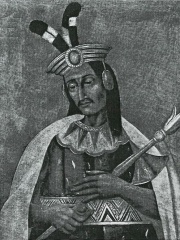
Huáscar
POLITICIAN
1490 - 1533
HPI: 70.20
Miejsce: 14
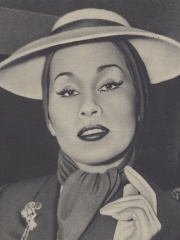
Yma Sumac
SINGER
1923 - 2008
HPI: 70.14
Miejsce: 15
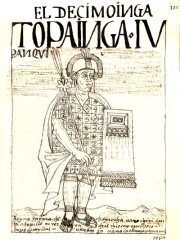
Topa Inca Yupanqui
POLITICIAN
1441 - 1493
HPI: 69.72
Miejsce: 16
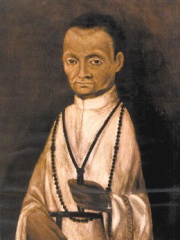
Martin de Porres
RELIGIOUS FIGURE
1579 - 1639
HPI: 68.63
Miejsce: 17
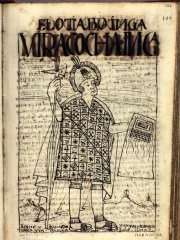
Viracocha Inca
POLITICIAN
1310 - 1438
HPI: 68.30
Miejsce: 18
Wśród przedstawicieli zawodu Aktywista społeczny w kraju Peru
Wśród przedstawicieli zawodu „Aktywista społeczny” urodzonych w kraju Peru Túpac Amaru II zajmuje 1. miejsce. Po nim są Abimael Guzmán (1934), Hilda Gadea (1925), Micaela Bastidas (1744), María Elena Moyano (1958), Máxima Acuña (1970), i Arlette Contreras (1990).
Túpac Amaru II
1738 - 1781
HPI: 72.53
Miejsce: 1
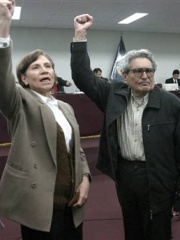
Abimael Guzmán
1934 - 2021
HPI: 67.08
Miejsce: 2
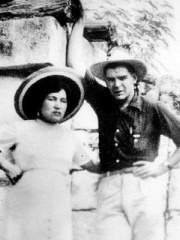
Hilda Gadea
1925 - 1974
HPI: 67.06
Miejsce: 3
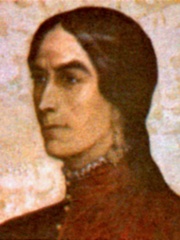
Micaela Bastidas
1744 - 1781
HPI: 55.64
Miejsce: 4
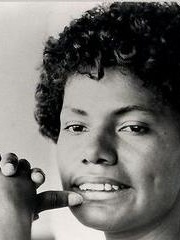
María Elena Moyano
1958 - 1992
HPI: 49.72
Miejsce: 5
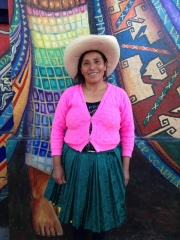
Máxima Acuña
1970 - obecnie
HPI: 44.52
Miejsce: 6

Arlette Contreras
1990 - obecnie
HPI: 33.14
Miejsce: 7




