Político
Shuja-ud-Daula
1732 - 1775
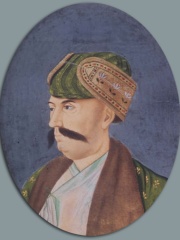
 Shuja-ud-Daula
Su biografía está disponible en 21 idiomas en Wikipedia (aumentó de 20 en 2024). Shuja-ud-Daula ocupa el puesto 16.092 entre los político más populares (bajó del puesto 13.591 en 2024), el puesto 772 entre las biografías más populares de India (bajó del puesto 548 en 2019) y el puesto 209 entre los político de india más populares.
Métricas de memorabilidad
44k
Visitas
Últimos 12 meses
54.04
HPI
Índice de Popularidad Histórica
Datos destacados
21
La biografía de Shuja-ud-Daula abarca 21 ediciones lingüísticas de Wikipedia y obtiene un Índice de Popularidad Histórica de 54.04.
Visitas a la página de Shuja-ud-Daula por idioma
Entre Político
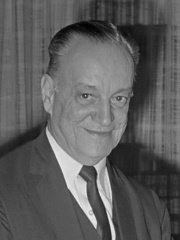
Entre Político, Shuja-ud-Daula ocupa el puesto 16,085 de 20,022. Antes de él están Assimi Goïta, Pablo Arosemena, Apollinaire J. Kyélem de Tambèla, Vytenis Andriukaitis, Marc Bazin, y Melville Fuller. Después de él están Hassoumi Massaoudou, Émile Reuter, Chen Quanguo, Laurynas Stankevičius, Augusto Hamann Rademaker Grünewald, y Shamshi-Adad II.
Político más populares en Wikipedia
Ver todas las clasificaciones

Assimi Goïta
1983 - presente
HPI: 54.05
Puesto: 16,086
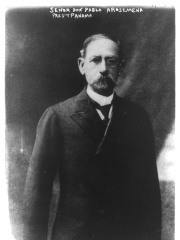
Pablo Arosemena
1836 - 1920
HPI: 54.04
Puesto: 16,087
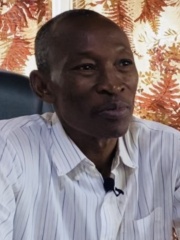
Apollinaire J. Kyélem de Tambèla
1958 - presente
HPI: 54.04
Puesto: 16,088

Vytenis Andriukaitis
1951 - presente
HPI: 54.04
Puesto: 16,089
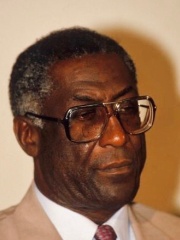
Marc Bazin
1932 - 2010
HPI: 54.04
Puesto: 16,090
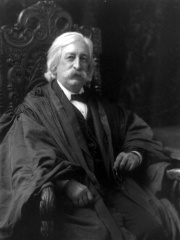
Melville Fuller
1833 - 1910
HPI: 54.04
Puesto: 16,091
Shuja-ud-Daula
1732 - 1775
HPI: 54.04
Puesto: 16,092
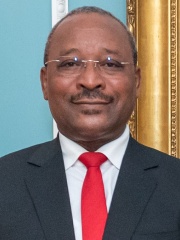
Hassoumi Massaoudou
1957 - presente
HPI: 54.04
Puesto: 16,093
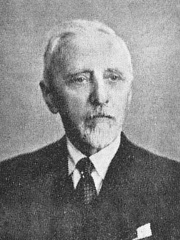
Émile Reuter
1874 - 1973
HPI: 54.04
Puesto: 16,094

Chen Quanguo
1955 - presente
HPI: 54.03
Puesto: 16,095
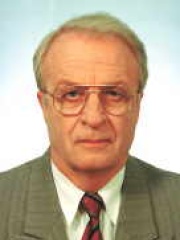
Laurynas Stankevičius
1935 - 2017
HPI: 54.03
Puesto: 16,096
Augusto Hamann Rademaker Grünewald
1905 - 1985
HPI: 54.03
Puesto: 16,097

Shamshi-Adad II
1600 a. C. - 1600 a. C.
HPI: 54.03
Puesto: 16,098

Contemporáneos
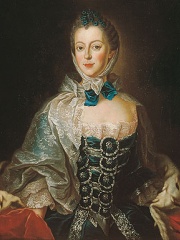
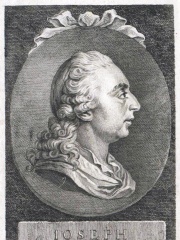
Entre las personas nacidas en 1732, Shuja-ud-Daula ocupa el puesto 30. Antes de él están Jeanne Julie Éléonore de Lespinasse, Princess Elisabeth Friederike Sophie of Brandenburg-Bayreuth, Joseph von Sonnenfels, José Celestino Mutis, Johan Peter Falk, y Richard Henry Lee. Después de él está David Rittenhouse. Entre las personas fallecidas en 1775, Shuja-ud-Daula ocupa el puesto 19. Antes de él están Ahmad Shah Bahadur, François-Hubert Drouais, Charles, Prince of Nassau-Usingen, Egidio Duni, Szymon Czechowicz, y Princess Tarakanova. Después de él está Peyton Randolph.
Otras personas nacidas en 1732
Ver todas las clasificaciones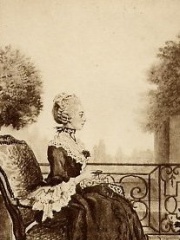
Jeanne Julie Éléonore de Lespinasse
WRITER
1732 - 1776
HPI: 61.48
Puesto: 24
Princess Elisabeth Friederike Sophie of Brandenburg-Bayreuth
POLITICIAN
1732 - 1780
HPI: 60.85
Puesto: 25
Joseph von Sonnenfels
SOCIAL ACTIVIST
1732 - 1817
HPI: 60.35
Puesto: 26
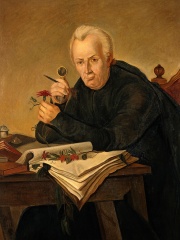
José Celestino Mutis
PHYSICIST
1732 - 1808
HPI: 58.46
Puesto: 27

Johan Peter Falk
BIOLOGIST
1732 - 1774
HPI: 58.43
Puesto: 28
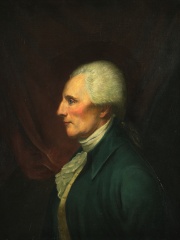
Richard Henry Lee
POLITICIAN
1732 - 1794
HPI: 54.29
Puesto: 29
Shuja-ud-Daula
POLITICIAN
1732 - 1775
HPI: 54.04
Puesto: 30
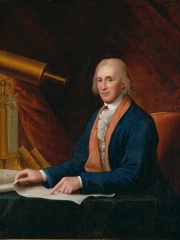
David Rittenhouse
ASTRONOMER
1732 - 1796
HPI: 51.93
Puesto: 31
Otras personas fallecidas en 1775
Ver todas las clasificaciones
Ahmad Shah Bahadur
POLITICIAN
1725 - 1775
HPI: 59.75
Puesto: 13
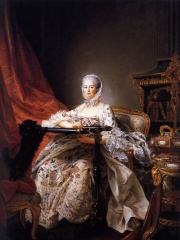
François-Hubert Drouais
PAINTER
1727 - 1775
HPI: 59.59
Puesto: 14

Charles, Prince of Nassau-Usingen
POLITICIAN
1712 - 1775
HPI: 59.18
Puesto: 15

Egidio Duni
COMPOSER
1708 - 1775
HPI: 59.15
Puesto: 16
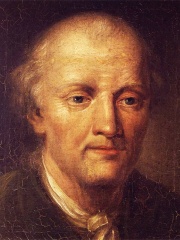
Szymon Czechowicz
PAINTER
1689 - 1775
HPI: 57.26
Puesto: 17

Princess Tarakanova
POLITICIAN
HPI: 56.27
Puesto: 18
Shuja-ud-Daula
POLITICIAN
1732 - 1775
HPI: 54.04
Puesto: 19
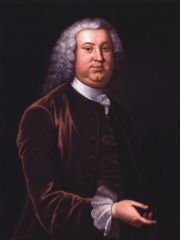
Peyton Randolph
POLITICIAN
1721 - 1775
HPI: 49.71
Puesto: 20
En India
Entre las personas nacidas en India, Shuja-ud-Daula ocupa el puesto 772 de 2,312. Antes de él están Swarnakumari Devi (1855), Venkatesh (1960), Parveen Babi (1949), Varsha Adalja (1940), Arthur E. Kennelly (1861), y Farida Jalal (1949). Después de él están Dina Sanichar (1860), Sharad Pawar (1940), Ekta Kapoor (1975), S. Shankar (1963), Muthuswami Dikshitar (1775), y Rukmini Devi Arundale (1904).
Otras personas nacidas en India
Ver todas las clasificaciones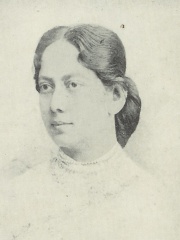
Swarnakumari Devi
WRITER
1855 - 1932
HPI: 54.14
Puesto: 766

Venkatesh
ACTOR
1960 - presente
HPI: 54.11
Puesto: 767
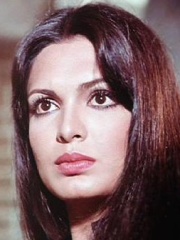
Parveen Babi
ACTOR
1949 - 2005
HPI: 54.10
Puesto: 768
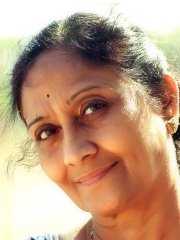
Varsha Adalja
WRITER
1940 - presente
HPI: 54.09
Puesto: 769
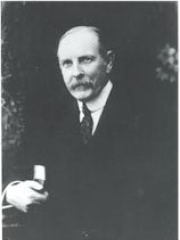
Arthur E. Kennelly
ENGINEER
1861 - 1939
HPI: 54.09
Puesto: 770
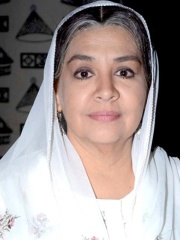
Farida Jalal
ACTOR
1949 - presente
HPI: 54.07
Puesto: 771
Shuja-ud-Daula
POLITICIAN
1732 - 1775
HPI: 54.04
Puesto: 772
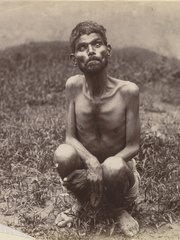
Dina Sanichar
CELEBRITY
1860 - 1894
HPI: 54.00
Puesto: 773
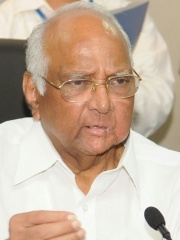
Sharad Pawar
POLITICIAN
1940 - presente
HPI: 54.00
Puesto: 774
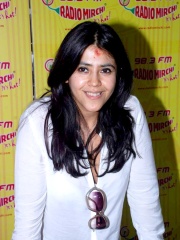
Ekta Kapoor
PRODUCER
1975 - presente
HPI: 54.00
Puesto: 775
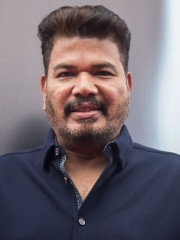
S. Shankar
FILM DIRECTOR
1963 - presente
HPI: 53.99
Puesto: 776
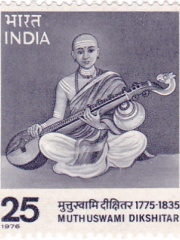
Muthuswami Dikshitar
WRITER
1775 - 1835
HPI: 53.99
Puesto: 777
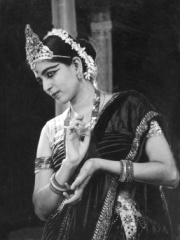
Rukmini Devi Arundale
DANCER
1904 - 1986
HPI: 53.99
Puesto: 778
Entre Político en India
Entre Político nacidos en India, Shuja-ud-Daula ocupa el puesto 209. Antes de él están Venkaiah Naidu (1949), Mayawati (1956), Jyoti Basu (1914), Balaji Vishwanath (1662), V. K. Sasikala (1954), y C. P. Radhakrishnan (1957). Después de él están Sharad Pawar (1940), Ram Vilas Paswan (1946), K. Sivan (1957), Muiz ud din Bahram (null), J. P. Nadda (1960), y Surendranath Banerjee (1848).
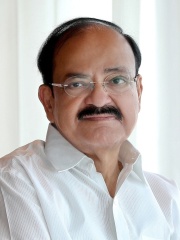
Venkaiah Naidu
1949 - presente
HPI: 54.56
Puesto: 203
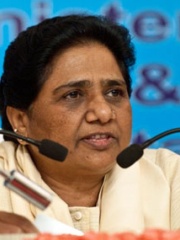
Mayawati
1956 - presente
HPI: 54.54
Puesto: 204
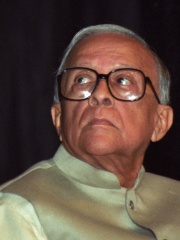
Jyoti Basu
1914 - 2010
HPI: 54.42
Puesto: 205
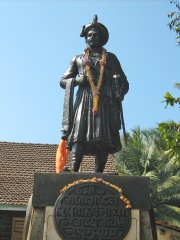
Balaji Vishwanath
1662 - 1720
HPI: 54.41
Puesto: 206
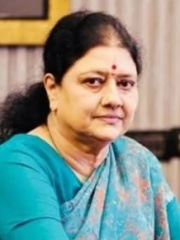
V. K. Sasikala
1954 - presente
HPI: 54.32
Puesto: 207
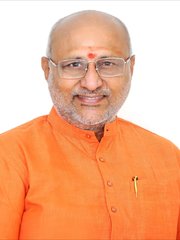
C. P. Radhakrishnan
1957 - presente
HPI: 54.30
Puesto: 208
Shuja-ud-Daula
1732 - 1775
HPI: 54.04
Puesto: 209
Sharad Pawar
1940 - presente
HPI: 54.00
Puesto: 210
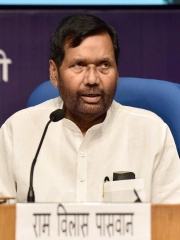
Ram Vilas Paswan
1946 - 2020
HPI: 53.95
Puesto: 211
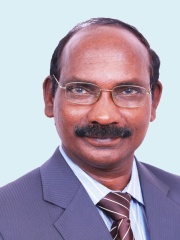
K. Sivan
1957 - presente
HPI: 53.92
Puesto: 212
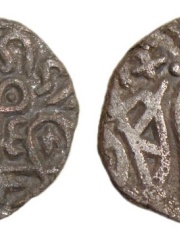
Muiz ud din Bahram
HPI: 53.85
Puesto: 213
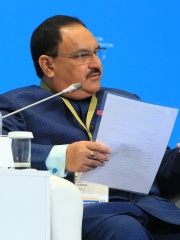
J. P. Nadda
1960 - presente
HPI: 53.61
Puesto: 214
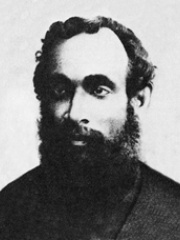
Surendranath Banerjee
1848 - 1925
HPI: 53.55
Puesto: 215




