Vallási személyiség
Sabbas the Goth
334 - 372
HU.WIKIPEDIA OLDALMEGTEKINTÉSEK (PV)
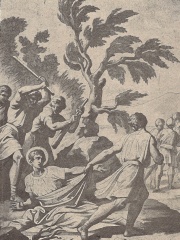
 Sabbas the Goth
Életrajza 19 különböző nyelven érhető el a Wikipédián. Sabbas the Goth a 2,047th legnépszerűbb vallási személyiség (csökkenés a 1,982nd-ről 2024-ben), a 218th legnépszerűbb életrajz Románia országából (növekedés a 224th-ről 2019-ben) és a 6th legnépszerűbb Romániaból vallási személyiség.
Ismertségi mutatók
12k
Oldalmegtekintések
Elmúlt 12 hónap
60.52
HPI
Történelmi népszerűségi index
Adatérdekességek
19
Sabbas the Goth életrajza a Wikipédia 19 nyelvi változatában érhető el, történelmi népszerűségi indexe 60.52.
Sabbas the Goth oldalmegtekintései nyelvenként
A(z) Vallási személyiség között
A(z) Vallási személyiség között Sabbas the Goth a(z) 2,047. helyen áll 3,189 közül. Előtte állnak: Abdelhamid Ben Badis, Jean-Pierre Ricard, Giovanni Canestri, Dorotheus of Tyre, Onufriy, és Anthimus VII of Constantinople. Utána következnek: Hâfiz Osman, Theophan the Recluse, Ricardo María Carles Gordó, Carlo Gaetano Gaisruck, Andrea Cordero Lanza di Montezemolo, és Sigitas Tamkevičius.
A legnépszerűbb Vallási személyiség a Wikipédián
Összes rangsor megtekintése
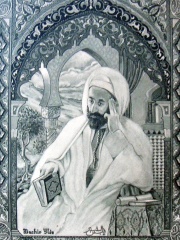
Abdelhamid Ben Badis
1889 - 1940
HPI: 60.56
Helyezés: 2,041
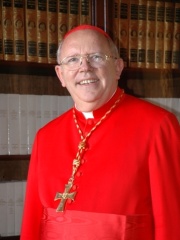
Jean-Pierre Ricard
1944 - napjainkig
HPI: 60.56
Helyezés: 2,042
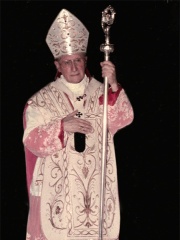
Giovanni Canestri
1918 - 2015
HPI: 60.55
Helyezés: 2,043
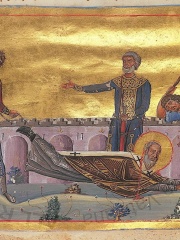
Dorotheus of Tyre
255 - 362
HPI: 60.54
Helyezés: 2,044
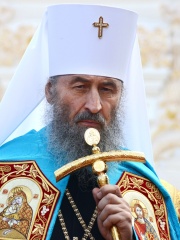
Onufriy
1944 - napjainkig
HPI: 60.54
Helyezés: 2,045
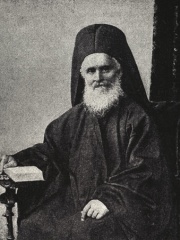
Anthimus VII of Constantinople
1827 - 1913
HPI: 60.54
Helyezés: 2,046
Sabbas the Goth
334 - 372
HPI: 60.52
Helyezés: 2,047
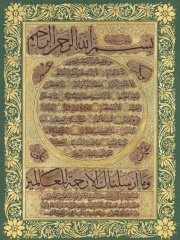
Hâfiz Osman
1642 - 1698
HPI: 60.52
Helyezés: 2,048
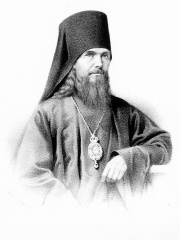
Theophan the Recluse
1815 - 1894
HPI: 60.52
Helyezés: 2,049
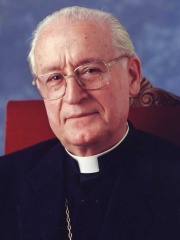
Ricardo María Carles Gordó
1926 - 2013
HPI: 60.51
Helyezés: 2,050
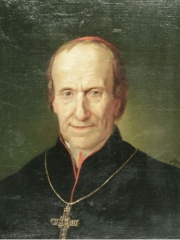
Carlo Gaetano Gaisruck
1769 - 1846
HPI: 60.50
Helyezés: 2,051

Andrea Cordero Lanza di Montezemolo
1925 - 2017
HPI: 60.50
Helyezés: 2,052
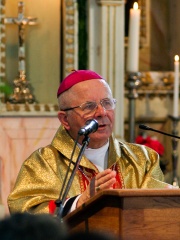
Sigitas Tamkevičius
1938 - napjainkig
HPI: 60.50
Helyezés: 2,053

Kortársak
A(z) 334. évben születettek között Sabbas the Goth a(z) 4. helyen áll. Előtte állnak: Pope Siricius, Huiyuan, és Virius Nicomachus Flavianus. A(z) 372. évben elhunytak között Sabbas the Goth a(z) 4. helyen áll. Előtte állnak: Hilarion, Maximus of Ephesus, és Emperor Jianwen of Jin.
További személyek, akik a(z) 334. évben születtek
Összes rangsor megtekintése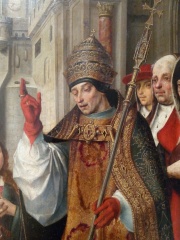
Pope Siricius
RELIGIOUS FIGURE
334 - 399
HPI: 80.07
Helyezés: 1
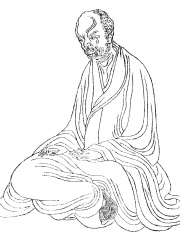
Huiyuan
PHILOSOPHER
334 - 416
HPI: 65.87
Helyezés: 2
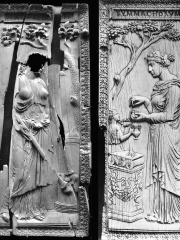
Virius Nicomachus Flavianus
POLITICIAN
334 - napjainkig
HPI: 60.86
Helyezés: 3
Sabbas the Goth
RELIGIOUS FIGURE
334 - 372
HPI: 60.52
Helyezés: 4
További személyek, akik a(z) 372. évben hunytak el
Összes rangsor megtekintése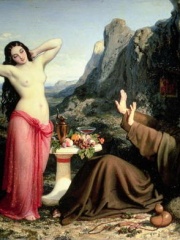
Hilarion
RELIGIOUS FIGURE
291 - 372
HPI: 65.87
Helyezés: 1

Maximus of Ephesus
PHILOSOPHER
310 - 372
HPI: 63.86
Helyezés: 2

Emperor Jianwen of Jin
POLITICIAN
320 - 372
HPI: 61.05
Helyezés: 3
Sabbas the Goth
RELIGIOUS FIGURE
334 - 372
HPI: 60.52
Helyezés: 4
A(z) Románia rangsorában
A(z) Románia területén születettek között Sabbas the Goth a(z) 218. helyen áll 1,050 közül. Előtte állnak: Olga Szabó-Orbán (1938), Mihail Sadoveanu (1880), Marthe Bibesco (1886), Benjamin Fondane (1898), Endre Kabos (1906), és Edward Luttwak (1942). Utána következnek: Constantin Ion Parhon (1874), Nicolae Paulescu (1869), Johann Hedwig (1730), Sebastian Stan (1982), Ferenc Kazinczy (1759), és Ion Ghica (1816).
További személyek, akik Románia területén születtek
Összes rangsor megtekintése
Olga Szabó-Orbán
FENCER
1938 - 2022
HPI: 60.91
Helyezés: 212
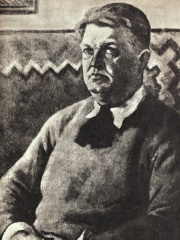
Mihail Sadoveanu
WRITER
1880 - 1961
HPI: 60.77
Helyezés: 213
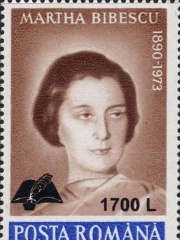
Marthe Bibesco
WRITER
1886 - 1973
HPI: 60.77
Helyezés: 214
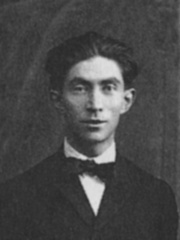
Benjamin Fondane
WRITER
1898 - 1944
HPI: 60.74
Helyezés: 215
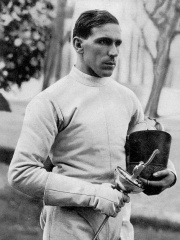
Endre Kabos
FENCER
1906 - 1944
HPI: 60.71
Helyezés: 216
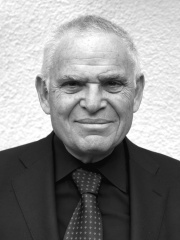
Edward Luttwak
HISTORIAN
1942 - napjainkig
HPI: 60.57
Helyezés: 217
Sabbas the Goth
RELIGIOUS FIGURE
334 - 372
HPI: 60.52
Helyezés: 218
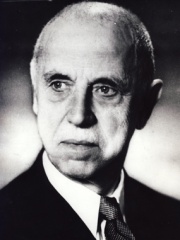
Constantin Ion Parhon
POLITICIAN
1874 - 1969
HPI: 60.52
Helyezés: 219
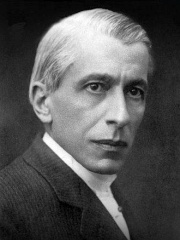
Nicolae Paulescu
PHYSICIAN
1869 - 1931
HPI: 60.48
Helyezés: 220
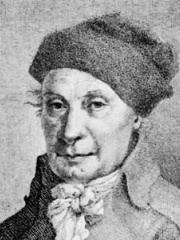
Johann Hedwig
BIOLOGIST
1730 - 1799
HPI: 60.34
Helyezés: 221

Sebastian Stan
ACTOR
1982 - napjainkig
HPI: 60.34
Helyezés: 222
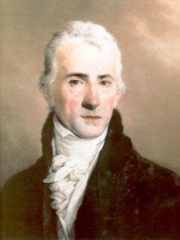
Ferenc Kazinczy
WRITER
1759 - 1831
HPI: 60.33
Helyezés: 223
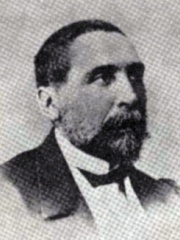
Ion Ghica
MATHEMATICIAN
1816 - 1897
HPI: 60.32
Helyezés: 224
A(z) Vallási személyiség között – Románia
A(z) Románia területén született Vallási személyiség között Sabbas the Goth a(z) 6. helyen áll. Előtte állnak: John Cassian (360), Peter Mogila (1596), Lucian Mureșan (1931), Stephen Pongracz (1582), és Iuliu Hossu (1885). Utána következnek: Alexandru Todea (1912), Joel Teitelbaum (1887), Lőrinc Schlauch (1824), Vilmos Apor (1892), Andreo Cseh (1895), és Solomon Schechter (1847).
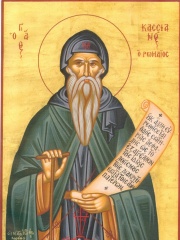
John Cassian
360 - 435
HPI: 70.28
Helyezés: 1
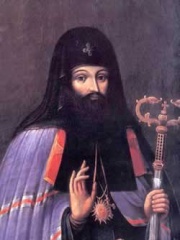
Peter Mogila
1596 - 1647
HPI: 66.94
Helyezés: 2
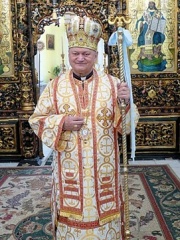
Lucian Mureșan
1931 - 2025
HPI: 63.46
Helyezés: 3

Stephen Pongracz
1582 - 1619
HPI: 62.61
Helyezés: 4
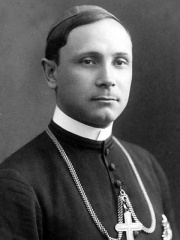
Iuliu Hossu
1885 - 1970
HPI: 61.70
Helyezés: 5
Sabbas the Goth
334 - 372
HPI: 60.52
Helyezés: 6

Alexandru Todea
1912 - 2002
HPI: 58.05
Helyezés: 7
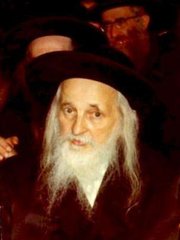
Joel Teitelbaum
1887 - 1979
HPI: 57.67
Helyezés: 8
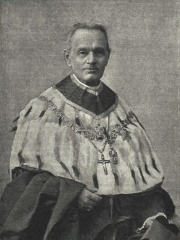
Lőrinc Schlauch
1824 - 1902
HPI: 57.34
Helyezés: 9
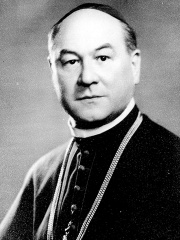
Vilmos Apor
1892 - 1945
HPI: 56.84
Helyezés: 10
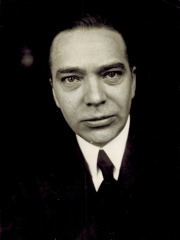
Andreo Cseh
1895 - 1979
HPI: 56.39
Helyezés: 11
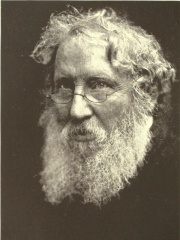
Solomon Schechter
1847 - 1915
HPI: 53.53
Helyezés: 12




