社会活动家
Ruhollah Zam
1978 - 2020
ZH.WIKIPEDIA PAGE VIEWS (PV)
 Ruhollah Zam
Memorability Metrics
200k
Page Views
Past 12 months
44.91
HPI
Historical Popularity Index
Page views of Ruhollah Zam by language
Among 社会活动家
Among 社会活动家, Ruhollah Zam ranks 778 out of 840. Before him are Barbara Gittings, Alaa Abd El-Fattah, Reyhaneh Jabbari, Aleta Baun, Alexandra Shevchenko, and Enric Duran. After him are Zainab Salbi, Khalid El-Masri, Medea Benjamin, Sergei Udaltsov, Samar Badawi, and Lillian Ngoyi.
Most Popular 社会活动家 in Wikipedia
Go to all Rankings

Barbara Gittings
1932 - 2007
HPI: 45.12
Rank: 772

Alaa Abd El-Fattah
1981 - Present
HPI: 45.05
Rank: 773

Reyhaneh Jabbari
1988 - 2014
HPI: 45.04
Rank: 774
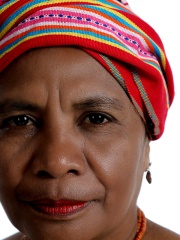
Aleta Baun
1966 - Present
HPI: 44.94
Rank: 775

Alexandra Shevchenko
1988 - Present
HPI: 44.93
Rank: 776
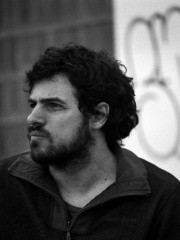
Enric Duran
1976 - Present
HPI: 44.93
Rank: 777

Ruhollah Zam
1978 - 2020
HPI: 44.91
Rank: 778

Zainab Salbi
1969 - 2015
HPI: 44.89
Rank: 779

Khalid El-Masri
1963 - Present
HPI: 44.81
Rank: 780

Medea Benjamin
1952 - Present
HPI: 44.64
Rank: 781

Sergei Udaltsov
1977 - Present
HPI: 44.61
Rank: 782

Samar Badawi
1981 - Present
HPI: 44.59
Rank: 783
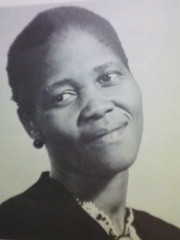
Lillian Ngoyi
1911 - 1980
HPI: 44.55
Rank: 784

Contemporaries
Among people born in 1978, Ruhollah Zam ranks 660. Before him are Bruno Julie, Andrew Rannells, Lars Bystøl, Kota Yoshihara, Sarah Adler, and John Capel Jr.. After him are Ricky Hatton, Ali Ezzine, Patrice Abanda, Diego Pozo, Saša Stanišić, and Richard Hamilton. Among people deceased in 2020, Ruhollah Zam ranks 866. Before him are Pete Stark, Wallace Roney, Anele Ngcongca, Julie Bennett, Roman Monchenko, and Bill Rieflin. After him are Khagendra Thapa Magar, Lukman Niode, King Von, Trevor Cherry, Jole Santelli, and Slade Gorton.
Others Born in 1978
Go to all Rankings
Bruno Julie
BOXER
1978 - Present
HPI: 44.98
Rank: 654

Andrew Rannells
ACTOR
1978 - Present
HPI: 44.98
Rank: 655

Lars Bystøl
SKIER
1978 - Present
HPI: 44.97
Rank: 656

Kota Yoshihara
SOCCER PLAYER
1978 - Present
HPI: 44.96
Rank: 657

Sarah Adler
ACTOR
1978 - Present
HPI: 44.93
Rank: 658

John Capel Jr.
ATHLETE
1978 - Present
HPI: 44.91
Rank: 659
Ruhollah Zam
SOCIAL ACTIVIST
1978 - 2020
HPI: 44.91
Rank: 660

Ricky Hatton
BOXER
1978 - 2025
HPI: 44.90
Rank: 661

Ali Ezzine
ATHLETE
1978 - Present
HPI: 44.88
Rank: 662

Patrice Abanda
SOCCER PLAYER
1978 - Present
HPI: 44.88
Rank: 663

Diego Pozo
SOCCER PLAYER
1978 - Present
HPI: 44.87
Rank: 664

Saša Stanišić
WRITER
1978 - Present
HPI: 44.85
Rank: 665

Richard Hamilton
BASKETBALL PLAYER
1978 - Present
HPI: 44.85
Rank: 666
Others Deceased in 2020
Go to all Rankings
Pete Stark
POLITICIAN
1931 - 2020
HPI: 45.39
Rank: 860
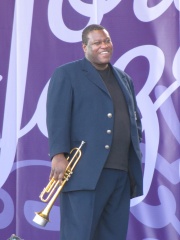
Wallace Roney
MUSICIAN
1960 - 2020
HPI: 45.34
Rank: 861

Anele Ngcongca
SOCCER PLAYER
1987 - 2020
HPI: 45.27
Rank: 862

Julie Bennett
ACTOR
1932 - 2020
HPI: 45.22
Rank: 863

Roman Monchenko
ATHLETE
1964 - 2020
HPI: 45.02
Rank: 864

Bill Rieflin
SINGER
1960 - 2020
HPI: 44.92
Rank: 865
Ruhollah Zam
SOCIAL ACTIVIST
1978 - 2020
HPI: 44.91
Rank: 866

Khagendra Thapa Magar
CELEBRITY
1992 - 2020
HPI: 44.83
Rank: 867

Lukman Niode
SWIMMER
1963 - 2020
HPI: 44.81
Rank: 868

King Von
SINGER
1994 - 2020
HPI: 44.77
Rank: 869

Trevor Cherry
SOCCER PLAYER
1948 - 2020
HPI: 44.60
Rank: 870

Jole Santelli
POLITICIAN
1968 - 2020
HPI: 44.55
Rank: 871
Slade Gorton
POLITICIAN
1928 - 2020
HPI: 44.50
Rank: 872
In 伊朗
Among people born in 伊朗, Ruhollah Zam ranks 553 out of NaN. Before him are Reyhaneh Jabbari (1988), Mohammad Reza Golzar (1977), Shahin Najafi (1980), Reza Ghoochannejhad (1987), Rahman Rezaei (1975), and Hamid Estili (1967). After him are Shamsia Hassani (1988), Behrang Safari (1985), Mahtab Keramati (1970), Amir Tataloo (1987), Bahman Golbarnezhad (1968), and Gegard Mousasi (1985).
Others born in 伊朗
Go to all RankingsReyhaneh Jabbari
SOCIAL ACTIVIST
1988 - 2014
HPI: 45.04
Rank: 547
Mohammad Reza Golzar
ACTOR
1977 - Present
HPI: 45.03
Rank: 548
Shahin Najafi
MUSICIAN
1980 - Present
HPI: 45.03
Rank: 549

Reza Ghoochannejhad
SOCCER PLAYER
1987 - Present
HPI: 45.02
Rank: 550

Rahman Rezaei
SOCCER PLAYER
1975 - Present
HPI: 45.01
Rank: 551

Hamid Estili
SOCCER PLAYER
1967 - Present
HPI: 44.91
Rank: 552
Ruhollah Zam
SOCIAL ACTIVIST
1978 - 2020
HPI: 44.91
Rank: 553
Shamsia Hassani
PAINTER
1988 - Present
HPI: 44.77
Rank: 554
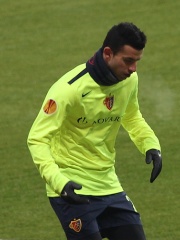
Behrang Safari
SOCCER PLAYER
1985 - Present
HPI: 44.70
Rank: 555

Mahtab Keramati
ACTOR
1970 - Present
HPI: 44.68
Rank: 556
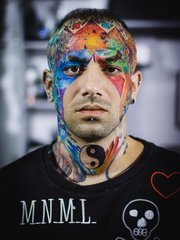
Amir Tataloo
SINGER
1987 - Present
HPI: 44.65
Rank: 557
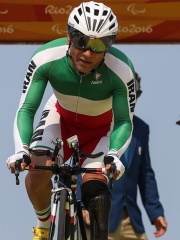
Bahman Golbarnezhad
ATHLETE
1968 - 2016
HPI: 44.62
Rank: 558

Gegard Mousasi
MARTIAL ARTS
1985 - Present
HPI: 44.61
Rank: 559
Among 社会活动家 In 伊朗
Among 社会活动家 born in 伊朗, Ruhollah Zam ranks 17. Before him are Sakineh Mohammadi Ashtiani (1967), Maryam Namazie (1966), Zahra Eshraghi (1964), Killing of Neda Agha-Soltan (null), Parvin Ardalan (1967), and Reyhaneh Jabbari (1988). After him are Behrouz Boochani (1983), Execution of Navid Afkari (1993), and Death of Sahar Khodayari (1990).

Sakineh Mohammadi Ashtiani
1967 - Present
HPI: 50.98
Rank: 11

Maryam Namazie
1966 - Present
HPI: 49.06
Rank: 12
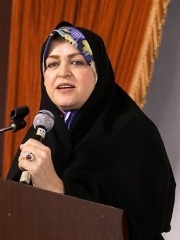
Zahra Eshraghi
1964 - Present
HPI: 48.63
Rank: 13

Killing of Neda Agha-Soltan
HPI: 46.06
Rank: 14

Parvin Ardalan
1967 - Present
HPI: 45.28
Rank: 15
Reyhaneh Jabbari
1988 - 2014
HPI: 45.04
Rank: 16
Ruhollah Zam
1978 - 2020
HPI: 44.91
Rank: 17
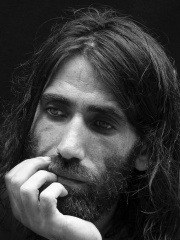
Behrouz Boochani
1983 - Present
HPI: 40.42
Rank: 18

Execution of Navid Afkari
1993 - 2020
HPI: 36.56
Rank: 19

Death of Sahar Khodayari
1990 - 2019
HPI: 35.94
Rank: 20




