Политик
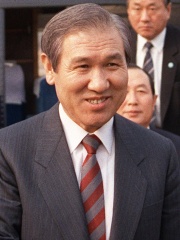
Roh Tae-woo
1932 - 2021
RU.WIKIPEDIA PAGE VIEWS (PV)
 Roh Tae-woo
Его биография доступна на 52 различных языках в Википедии. Roh Tae-woo занимает 1101-е место среди самых популярных политик (рост с 1629-е места в 2024 году), занимает 17-е место среди самых популярных биографий из Республика Кореи (рост с 31-е места в 2019 году) и занимает 14-е место среди политик Республика Корея.
Memorability Metrics
290k
Page Views
Past 12 months
75.38
HPI
Historical Popularity Index
Page views of Roh Tae-woo by language
Among Политик
Among политик, Roh Tae-woo ranks 1,101 out of 19,576. Before him are Wilhelm Pieck, Gediminas, Saud of Saudi Arabia, Harold Godwinson, Ladislaus the Posthumous, and Yongzheng Emperor. After him are Donald Tusk, Childeric I, Wazner, Muhammad XII of Granada, Diane de Poitiers, and Andrew II of Hungary.
Most Popular Политик in Wikipedia
Go to all Rankings
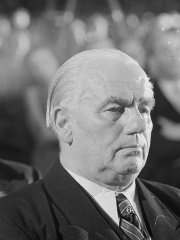
Wilhelm Pieck
1876 - 1960
HPI: 75.42
Rank: 1,095
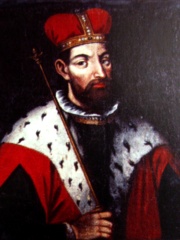
Gediminas
1275 - 1341
HPI: 75.42
Rank: 1,096
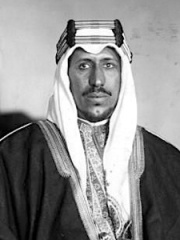
Saud of Saudi Arabia
1902 - 1969
HPI: 75.42
Rank: 1,097
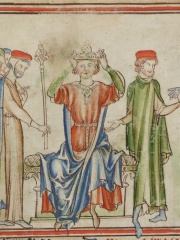
Harold Godwinson
1022 - 1066
HPI: 75.41
Rank: 1,098
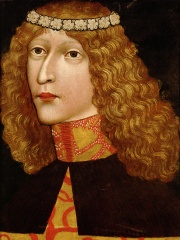
Ladislaus the Posthumous
1440 - 1457
HPI: 75.40
Rank: 1,099
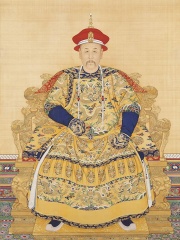
Yongzheng Emperor
1678 - 1735
HPI: 75.39
Rank: 1,100
Roh Tae-woo
1932 - 2021
HPI: 75.38
Rank: 1,101
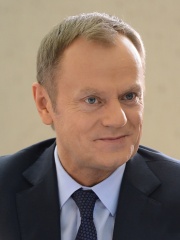
Donald Tusk
1957 - Present
HPI: 75.38
Rank: 1,102
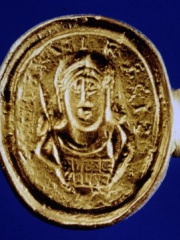
Childeric I
440 - 481
HPI: 75.38
Rank: 1,103
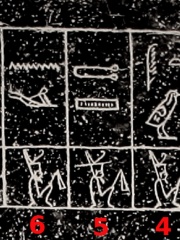
Wazner
3500 BC - 3050 BC
HPI: 75.37
Rank: 1,104
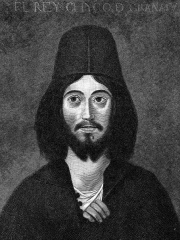
Muhammad XII of Granada
1459 - 1532
HPI: 75.37
Rank: 1,105
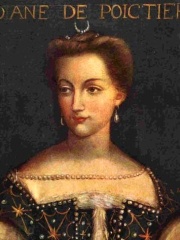
Diane de Poitiers
1499 - 1566
HPI: 75.37
Rank: 1,106
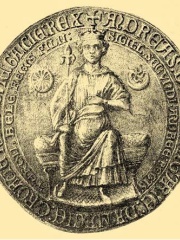
Andrew II of Hungary
1175 - 1235
HPI: 75.37
Rank: 1,107

Contemporaries
Among people born in 1932, Roh Tae-woo ranks 15. Before him are François Truffaut, Miloš Forman, Johnny Cash, John Williams, Cesare Maldini, and Luc Montagnier. After him are Abebe Bikila, Anouk Aimée, Peter O'Toole, Sylvia Plath, Miriam Makeba, and Fernando Botero. Among people deceased in 2021, Roh Tae-woo ranks 12. Before him are Ed Asner, Chun Doo-hwan, Albert Bandura, Christopher Plummer, George Shultz, and Abdelaziz Bouteflika. After him are Mikis Theodorakis, Frank Williams, Aaron T. Beck, F. W. de Klerk, Paul J. Crutzen, and Desmond Tutu.
Others Born in 1932
Go to all Rankings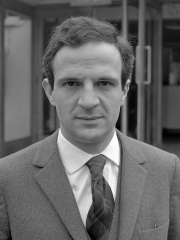
François Truffaut
FILM DIRECTOR
1932 - 1984
HPI: 77.56
Rank: 9
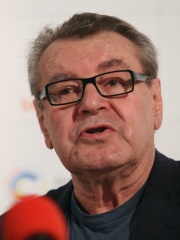
Miloš Forman
FILM DIRECTOR
1932 - 2018
HPI: 77.43
Rank: 10
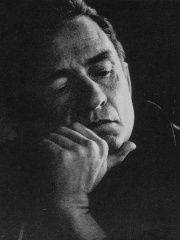
Johnny Cash
SINGER
1932 - 2003
HPI: 77.25
Rank: 11
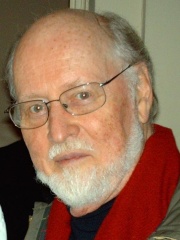
John Williams
COMPOSER
1932 - Present
HPI: 75.77
Rank: 12

Cesare Maldini
SOCCER PLAYER
1932 - 2016
HPI: 75.66
Rank: 13
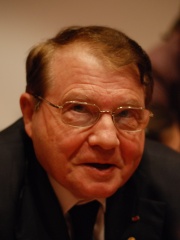
Luc Montagnier
BIOLOGIST
1932 - 2022
HPI: 75.42
Rank: 14
Roh Tae-woo
POLITICIAN
1932 - 2021
HPI: 75.38
Rank: 15
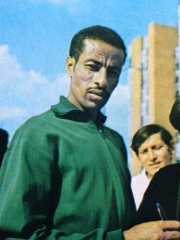
Abebe Bikila
ATHLETE
1932 - 1973
HPI: 75.20
Rank: 16

Anouk Aimée
ACTOR
1932 - 2024
HPI: 74.50
Rank: 17

Peter O'Toole
ACTOR
1932 - 2013
HPI: 74.28
Rank: 18

Sylvia Plath
WRITER
1932 - 1963
HPI: 74.19
Rank: 19
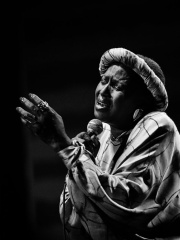
Miriam Makeba
SINGER
1932 - 2008
HPI: 73.35
Rank: 20
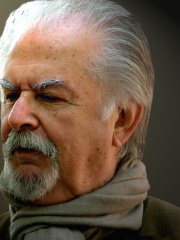
Fernando Botero
PAINTER
1932 - 2023
HPI: 73.22
Rank: 21
Others Deceased in 2021
Go to all Rankings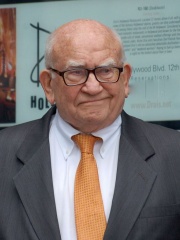
Ed Asner
ACTOR
1929 - 2021
HPI: 78.02
Rank: 6
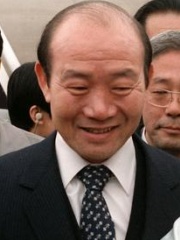
Chun Doo-hwan
POLITICIAN
1931 - 2021
HPI: 77.25
Rank: 7
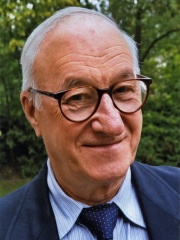
Albert Bandura
PSYCHOLOGIST
1925 - 2021
HPI: 76.67
Rank: 8
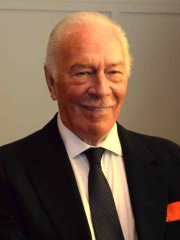
Christopher Plummer
ACTOR
1929 - 2021
HPI: 76.12
Rank: 9
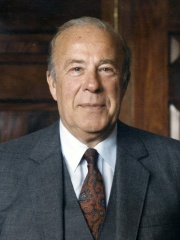
George Shultz
ECONOMIST
1920 - 2021
HPI: 76.07
Rank: 10
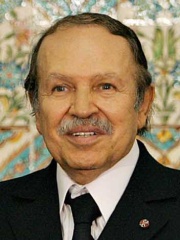
Abdelaziz Bouteflika
POLITICIAN
1937 - 2021
HPI: 75.61
Rank: 11
Roh Tae-woo
POLITICIAN
1932 - 2021
HPI: 75.38
Rank: 12
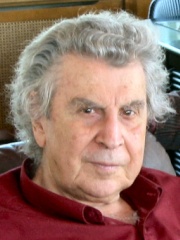
Mikis Theodorakis
COMPOSER
1925 - 2021
HPI: 75.16
Rank: 13

Frank Williams
BUSINESSPERSON
1942 - 2021
HPI: 74.52
Rank: 14
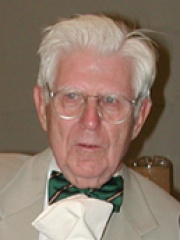
Aaron T. Beck
PSYCHOLOGIST
1921 - 2021
HPI: 73.89
Rank: 15
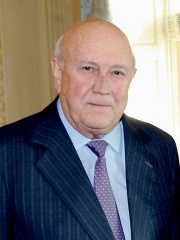
F. W. de Klerk
POLITICIAN
1936 - 2021
HPI: 73.73
Rank: 16
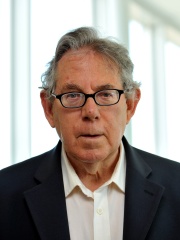
Paul J. Crutzen
CHEMIST
1933 - 2021
HPI: 73.45
Rank: 17
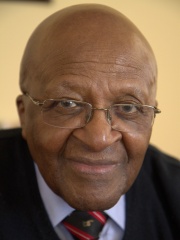
Desmond Tutu
RELIGIOUS FIGURE
1931 - 2021
HPI: 73.44
Rank: 18
In Республика Корея
Among people born in Республика Корея, Roh Tae-woo ranks 17 out of NaN. Before him are Roh Moo-hyun (1946), Jeongjo of Joseon (1752), Gojong of Korea (1852), Park Geun-hye (1952), Lee Byung-chul (1910), and Empress Gi (1315). After him are Kim Young-sam (1927), Sunjong of Korea (1874), Yun Posun (1897), Yeongjo of Joseon (1694), Sukjong of Joseon (1661), and Sejo of Joseon (1417).
Others born in Республика Корея
Go to all Rankings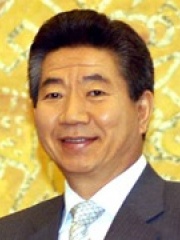
Roh Moo-hyun
POLITICIAN
1946 - 2009
HPI: 76.65
Rank: 11
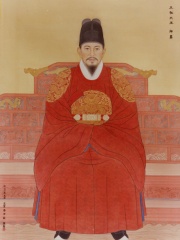
Jeongjo of Joseon
POLITICIAN
1752 - 1800
HPI: 76.44
Rank: 12
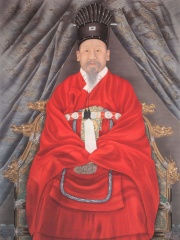
Gojong of Korea
POLITICIAN
1852 - 1919
HPI: 76.40
Rank: 13
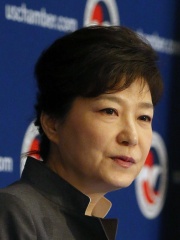
Park Geun-hye
POLITICIAN
1952 - Present
HPI: 76.28
Rank: 14
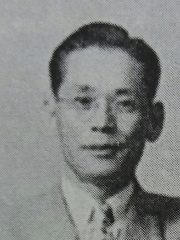
Lee Byung-chul
BUSINESSPERSON
1910 - 1987
HPI: 75.89
Rank: 15

Empress Gi
POLITICIAN
1315 - 1369
HPI: 75.60
Rank: 16
Roh Tae-woo
POLITICIAN
1932 - 2021
HPI: 75.38
Rank: 17
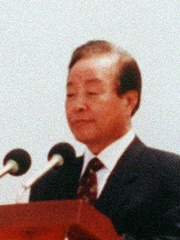
Kim Young-sam
POLITICIAN
1927 - 2015
HPI: 75.34
Rank: 18
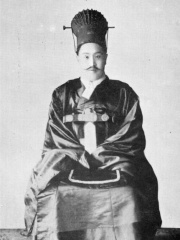
Sunjong of Korea
POLITICIAN
1874 - 1926
HPI: 75.28
Rank: 19
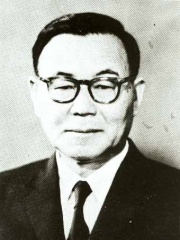
Yun Posun
POLITICIAN
1897 - 1990
HPI: 75.23
Rank: 20
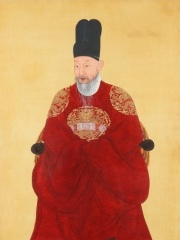
Yeongjo of Joseon
POLITICIAN
1694 - 1776
HPI: 75.21
Rank: 21
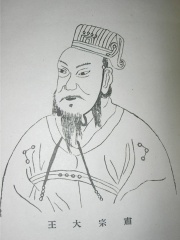
Sukjong of Joseon
POLITICIAN
1661 - 1720
HPI: 75.04
Rank: 22
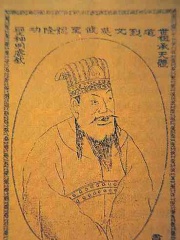
Sejo of Joseon
POLITICIAN
1417 - 1468
HPI: 74.90
Rank: 23
Among Политик In Республика Корея
Among политик born in Республика Корея, Roh Tae-woo ranks 14. Before him are Chun Doo-hwan (1931), Roh Moo-hyun (1946), Jeongjo of Joseon (1752), Gojong of Korea (1852), Park Geun-hye (1952), and Empress Gi (1315). After him are Kim Young-sam (1927), Sunjong of Korea (1874), Yun Posun (1897), Yeongjo of Joseon (1694), Sukjong of Joseon (1661), and Sejo of Joseon (1417).
Chun Doo-hwan
1931 - 2021
HPI: 77.25
Rank: 8
Roh Moo-hyun
1946 - 2009
HPI: 76.65
Rank: 9
Jeongjo of Joseon
1752 - 1800
HPI: 76.44
Rank: 10
Gojong of Korea
1852 - 1919
HPI: 76.40
Rank: 11
Park Geun-hye
1952 - Present
HPI: 76.28
Rank: 12
Empress Gi
1315 - 1369
HPI: 75.60
Rank: 13
Roh Tae-woo
1932 - 2021
HPI: 75.38
Rank: 14
Kim Young-sam
1927 - 2015
HPI: 75.34
Rank: 15
Sunjong of Korea
1874 - 1926
HPI: 75.28
Rank: 16
Yun Posun
1897 - 1990
HPI: 75.23
Rank: 17
Yeongjo of Joseon
1694 - 1776
HPI: 75.21
Rank: 18
Sukjong of Joseon
1661 - 1720
HPI: 75.04
Rank: 19
Sejo of Joseon
1417 - 1468
HPI: 74.90
Rank: 20




