宗教家
Roberto de Nobili
1577 - 1656
 Roberto de Nobili
知名度指標
17k
ページビュー
過去12か月
56.62
HPI
歴史的人気指数
データインサイト
#1
Roberto de Nobiliは、Goa(現在のインド)生まれの著名人2人の中で最も著名で、Damodar Dharmananda Kosambi、Lailaを上回ります。
#52,539
没後3世紀以上を経た今も、Roberto de NobiliはPantheonの全人物中第52,539位を保っています。
9月1日
Roberto de NobiliはPompey、A. C. Bhaktivedanta Swami Prabhupada、Annie Ernauxと同じ9月1日生まれです。
Roberto de Nobiliの言語別ページビュー
宗教家の中で
宗教家の中で、Roberto de Nobiliは3,187人中2,732位です。 彼より上位:John Colet, Anselmo Lorenzo, Angelo Mai, Ratramnus, Cyril of Bulgaria, 、Mara Takla Haymanot. 彼より下位:Cornelius Sim, Jose Advincula, Maria Katharina Kasper, Paul I of Constantinople, Pope Eumenes of Alexandria, 、José Manuel Imbamba.
ウィキペディアで最も人気のある宗教家
すべてのランキングを見る
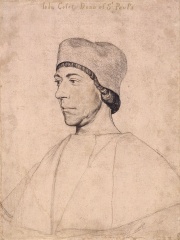
John Colet
1467 - 1519
HPI: 56.67
順位: 2,726
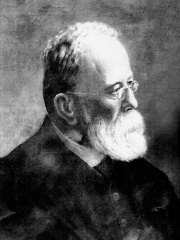
Anselmo Lorenzo
1841 - 1914
HPI: 56.65
順位: 2,727
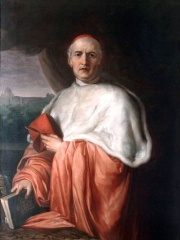
Angelo Mai
1782 - 1854
HPI: 56.65
順位: 2,728

Ratramnus
800 - 868
HPI: 56.63
順位: 2,729
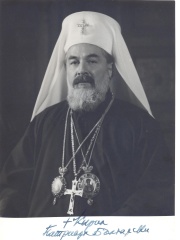
Cyril of Bulgaria
1901 - 1971
HPI: 56.63
順位: 2,730

Mara Takla Haymanot
900 - 1000
HPI: 56.62
順位: 2,731
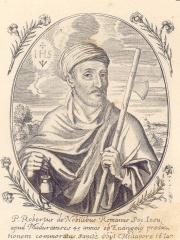
Roberto de Nobili
1577 - 1656
HPI: 56.62
順位: 2,732

Cornelius Sim
1951 - 2021
HPI: 56.61
順位: 2,733

Jose Advincula
1952 - 現在
HPI: 56.61
順位: 2,734
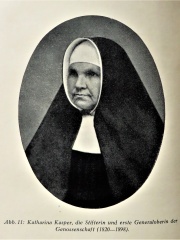
Maria Katharina Kasper
1820 - 1898
HPI: 56.60
順位: 2,735

Paul I of Constantinople
HPI: 56.57
順位: 2,736

Pope Eumenes of Alexandria
100 - 143
HPI: 56.57
順位: 2,737
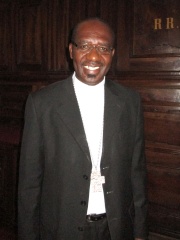
José Manuel Imbamba
1965 - 現在
HPI: 56.57
順位: 2,738

同時代の人物
1577年生まれの人の中で、Roberto de Nobiliは19位です。 彼より上位:Kobayakawa Hideaki, Louis V, Landgrave of Hesse-Darmstadt, Jacob Cats, Gerardus Vossius, Mario Minniti, 、Nicolas Trigault. 1656年に亡くなった人の中で、Roberto de Nobiliは16位です。 彼より上位:Laurent de La Hyre, Andrea Falconieri, Dirck Hals, Christian II, Prince of Anhalt-Bernburg, Massimo Stanzione, 、Carlo Contarini. 彼より下位:Georg Calixtus, Francesco Cornaro, 、Thomas Tomkins.
1577年生まれのその他の人物
すべてのランキングを見る
Kobayakawa Hideaki
POLITICIAN
1577 - 1602
HPI: 63.41
順位: 13
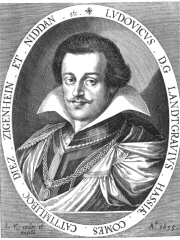
Louis V, Landgrave of Hesse-Darmstadt
POLITICIAN
1577 - 1626
HPI: 62.89
順位: 14
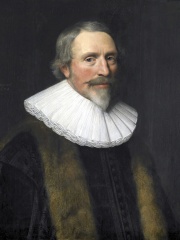
Jacob Cats
WRITER
1577 - 1660
HPI: 61.81
順位: 15
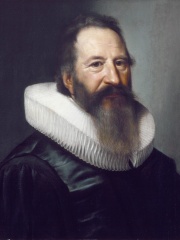
Gerardus Vossius
HISTORIAN
1577 - 1649
HPI: 60.96
順位: 16
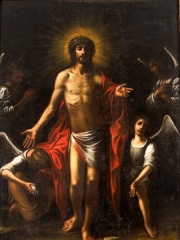
Mario Minniti
PAINTER
1577 - 1640
HPI: 60.04
順位: 17
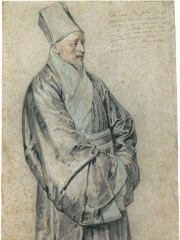
Nicolas Trigault
RELIGIOUS FIGURE
1577 - 1628
HPI: 59.34
順位: 18
Roberto de Nobili
RELIGIOUS FIGURE
1577 - 1656
HPI: 56.62
順位: 19
1656年に亡くなったその他の人物
すべてのランキングを見る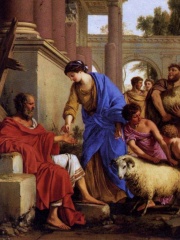
Laurent de La Hyre
PAINTER
1606 - 1656
HPI: 61.87
順位: 10

Andrea Falconieri
COMPOSER
1580 - 1656
HPI: 61.59
順位: 11

Dirck Hals
PAINTER
1591 - 1656
HPI: 61.15
順位: 12
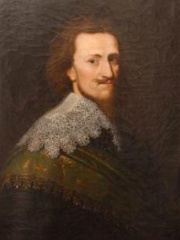
Christian II, Prince of Anhalt-Bernburg
POLITICIAN
1599 - 1656
HPI: 61.03
順位: 13
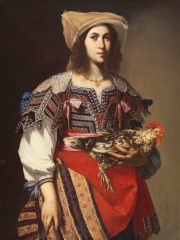
Massimo Stanzione
PAINTER
1585 - 1656
HPI: 60.33
順位: 14
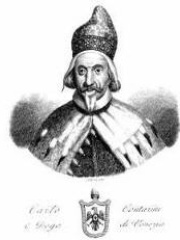
Carlo Contarini
POLITICIAN
1580 - 1656
HPI: 58.00
順位: 15
Roberto de Nobili
RELIGIOUS FIGURE
1577 - 1656
HPI: 56.62
順位: 16
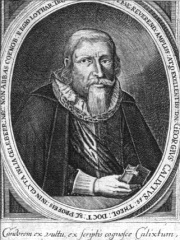
Georg Calixtus
WRITER
1586 - 1656
HPI: 55.92
順位: 17
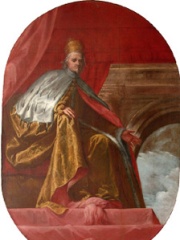
Francesco Cornaro
POLITICIAN
1585 - 1656
HPI: 54.77
順位: 18

Thomas Tomkins
COMPOSER
1572 - 1656
HPI: 53.64
順位: 19
インドの中で
インド生まれの人の中で、Roberto de Nobiliは1,861人中618位です。 彼より上位:Roshan Seth (1942), Firaq Gorakhpuri (1896), Waheeda Rehman (1938), John Shepherd-Barron (1925), Purushottam Das Tandon (1882), 、Devika Rani (1908). 彼より下位:Sugathakumari (1934), Krishan Chander (1914), Frederick Lugard, 1st Baron Lugard (1858), Basawan (1560), P. Bhanumathi (1925), 、Meira Kumar (1945).
インド生まれのその他の人物
すべてのランキングを見る
Roshan Seth
ACTOR
1942 - 現在
HPI: 56.72
順位: 612
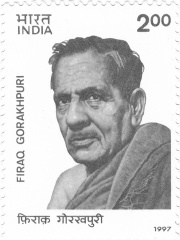
Firaq Gorakhpuri
WRITER
1896 - 1982
HPI: 56.72
順位: 613
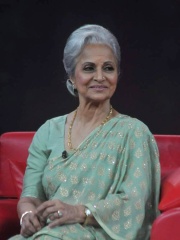
Waheeda Rehman
ACTOR
1938 - 現在
HPI: 56.68
順位: 614

John Shepherd-Barron
INVENTOR
1925 - 2010
HPI: 56.67
順位: 615
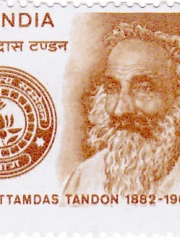
Purushottam Das Tandon
POLITICIAN
1882 - 1962
HPI: 56.64
順位: 616

Devika Rani
ACTOR
1908 - 1994
HPI: 56.63
順位: 617
Roberto de Nobili
RELIGIOUS FIGURE
1577 - 1656
HPI: 56.62
順位: 618
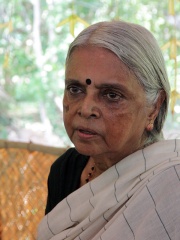
Sugathakumari
SOCIAL ACTIVIST
1934 - 2020
HPI: 56.61
順位: 619
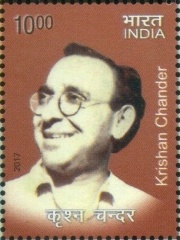
Krishan Chander
WRITER
1914 - 1977
HPI: 56.56
順位: 620
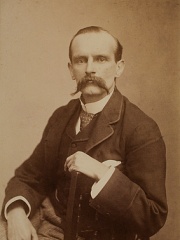
Frederick Lugard, 1st Baron Lugard
EXPLORER
1858 - 1945
HPI: 56.52
順位: 621
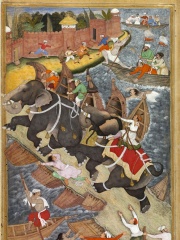
Basawan
PAINTER
1560 - 1600
HPI: 56.52
順位: 622

P. Bhanumathi
ACTOR
1925 - 2005
HPI: 56.51
順位: 623

Meira Kumar
POLITICIAN
1945 - 現在
HPI: 56.45
順位: 624
インドの宗教家の中で
インド生まれの宗教家の中で、Roberto de Nobiliは55位です。 彼より上位:Telesphore Toppo (1939), Guru Har Krishan (1656), Ashraf Ali Thanwi (1863), Kuriakose Elias Chavara (1805), Baselios Cleemis (1959), 、Antony Padiyara (1921). 彼より下位:Chandramukhi Basu (1860), Mohan Bhagwat (1950), Mirza Tahir Ahmad (1928), Simon Pimenta (1920), Joseph Parecattil (1912), 、Anthony Poola (1961).
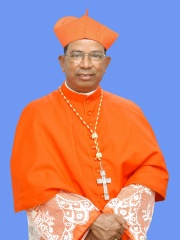
Telesphore Toppo
1939 - 2023
HPI: 59.49
順位: 49
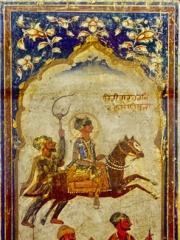
Guru Har Krishan
1656 - 1664
HPI: 58.55
順位: 50

Ashraf Ali Thanwi
1863 - 1943
HPI: 58.32
順位: 51
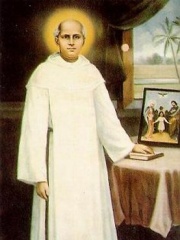
Kuriakose Elias Chavara
1805 - 1871
HPI: 57.58
順位: 52
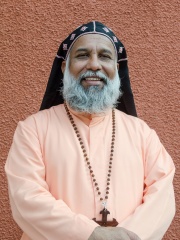
Baselios Cleemis
1959 - 現在
HPI: 57.28
順位: 53

Antony Padiyara
1921 - 2000
HPI: 56.88
順位: 54
Roberto de Nobili
1577 - 1656
HPI: 56.62
順位: 55
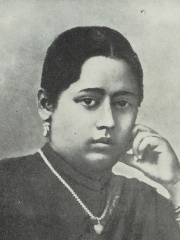
Chandramukhi Basu
1860 - 1944
HPI: 55.64
順位: 56
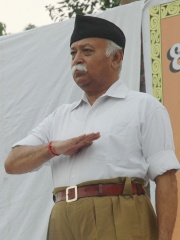
Mohan Bhagwat
1950 - 現在
HPI: 53.27
順位: 57
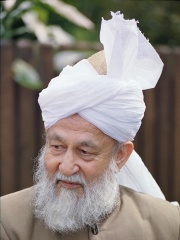
Mirza Tahir Ahmad
1928 - 2003
HPI: 52.76
順位: 58
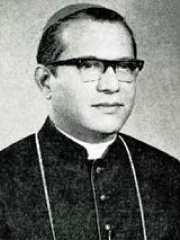
Simon Pimenta
1920 - 2013
HPI: 52.25
順位: 59
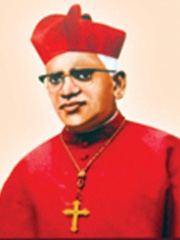
Joseph Parecattil
1912 - 1987
HPI: 51.04
順位: 60

Anthony Poola
1961 - 現在
HPI: 51.01
順位: 61




