Фехтовальщик
Ramón Fonst
1883 - 1959
ПРОСМОТРЫ RU.WIKIPEDIA (PV)
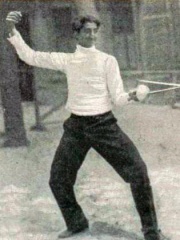
 Ramón Fonst
Его биография доступна на 29 различных языках в Википедии (рост с 28 в 2024 году). Ramón Fonst занимает 15-е место среди самых популярных фехтовальщик (снижение с 7-е места в 2024 году), занимает 73-е место среди самых популярных биографий из Кубы (снижение с 54-е места в 2019 году) и занимает 1-е место среди фехтовальщик Куба.
Метрики памятности
9.6k
Просмотры страниц
За последние 12 месяцев
59.58
HPI
Индекс исторической популярности
Интересные факты
29
Биография Ramón Fonst представлена в 29 языковых разделах Википедии, больше, чем у 98 % всех Фехтовальщик.
#15 / 516
Ramón Fonst занимает 15-е место среди 516 Фехтовальщик мира, входя в 3 % лучших в профессии.
Просмотры страницы Ramón Fonst по языкам
Среди представителей профессии «Фехтовальщик»
Среди представителей профессии «Фехтовальщик» Ramón Fonst занимает 15-е место из 516. Перед ним идут Lucien Gaudin, Émile Coste, Gianluigi Saccaro, Lajos Werkner, Pál Kovács, и Győző Kulcsár. После него идут Giancarlo Cornaggia-Medici, Rudolf Kárpáti, Péter Tóth, Aldo Nadi, Henri Anspach, и Oszkár Gerde.
Самые популярные в Википедии: Фехтовальщик
Все рейтинги
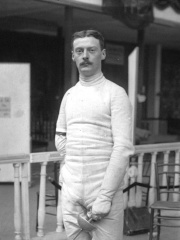
Lucien Gaudin
1886 - 1934
HPI: 60.66
Место: 9
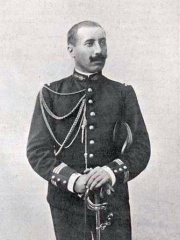
Émile Coste
1862 - 1927
HPI: 60.16
Место: 10
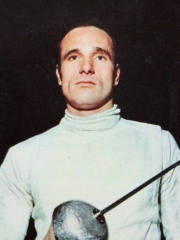
Gianluigi Saccaro
1938 - 2021
HPI: 60.10
Место: 11
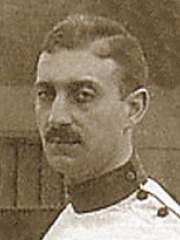
Lajos Werkner
1883 - 1943
HPI: 59.81
Место: 12
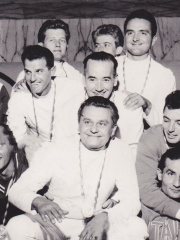
Pál Kovács
1912 - 1995
HPI: 59.73
Место: 13
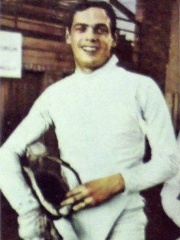
Győző Kulcsár
1940 - 2018
HPI: 59.59
Место: 14
Ramón Fonst
1883 - 1959
HPI: 59.58
Место: 15
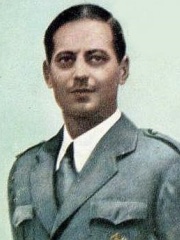
Giancarlo Cornaggia-Medici
1904 - 1970
HPI: 59.30
Место: 16
Rudolf Kárpáti
1920 - 1999
HPI: 59.11
Место: 17
Péter Tóth
1882 - 1967
HPI: 59.03
Место: 18
Aldo Nadi
1899 - 1965
HPI: 58.93
Место: 19
Henri Anspach
1882 - 1979
HPI: 58.91
Место: 20
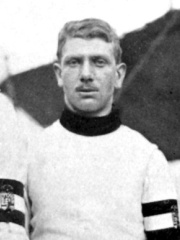
Oszkár Gerde
1883 - 1944
HPI: 58.68
Место: 21

Современники
Среди людей, родившихся в 1883 году, Ramón Fonst занимает 146-е место. Перед ним идут Lajos Werkner, August Zaleski, Otto Erich Deutsch, Mihály Babits, Thubten Choekyi Nyima, 9th Panchen Lama, и Axel Pehrsson-Bramstorp. После него идут Eleazar López Contreras, Naoya Shiga, Ota Benga, D. S. Senanayake, Vladimir Kappel, и Yevgeny Vakhtangov. Среди людей, умерших в 1959 году, Ramón Fonst занимает 106-е место. Перед ним идут Ingrid Vang Nyman, Galaktion Tabidze, The Big Bopper, Bernard Berenson, Henri Vidal, и Franz Blücher. После него идут Georges Lefebvre, Princess Alexandra, 2nd Duchess of Fife, Kafū Nagai, Irving Cummings, Eero Lehtonen, и Ki Hajar Dewantara.
Другие люди, родившиеся в 1883 году
Все рейтингиLajos Werkner
FENCER
1883 - 1943
HPI: 59.81
Место: 140
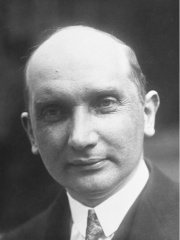
August Zaleski
POLITICIAN
1883 - 1972
HPI: 59.75
Место: 141
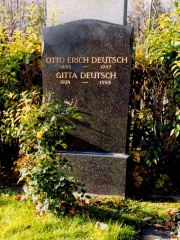
Otto Erich Deutsch
POLITICIAN
1883 - 1967
HPI: 59.67
Место: 142
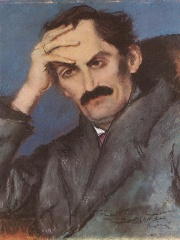
Mihály Babits
WRITER
1883 - 1941
HPI: 59.66
Место: 143
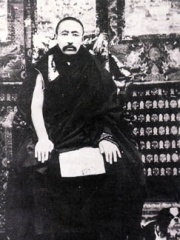
Thubten Choekyi Nyima, 9th Panchen Lama
POLITICIAN
1883 - 1937
HPI: 59.63
Место: 144
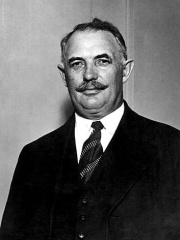
Axel Pehrsson-Bramstorp
POLITICIAN
1883 - 1954
HPI: 59.60
Место: 145
Ramón Fonst
FENCER
1883 - 1959
HPI: 59.58
Место: 146
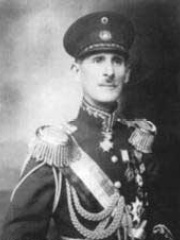
Eleazar López Contreras
POLITICIAN
1883 - 1973
HPI: 59.54
Место: 147
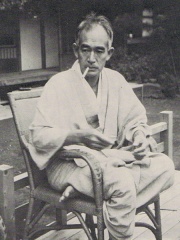
Naoya Shiga
WRITER
1883 - 1971
HPI: 59.38
Место: 148
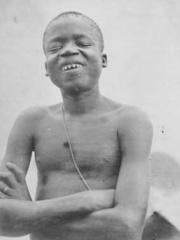
Ota Benga
CELEBRITY
1883 - 1916
HPI: 59.36
Место: 149
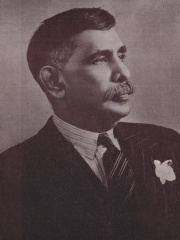
D. S. Senanayake
POLITICIAN
1883 - 1952
HPI: 59.32
Место: 150
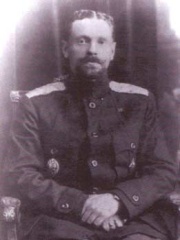
Vladimir Kappel
MILITARY PERSONNEL
1883 - 1920
HPI: 59.29
Место: 151
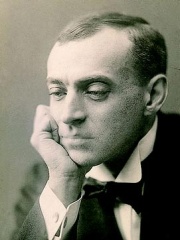
Yevgeny Vakhtangov
ACTOR
1883 - 1922
HPI: 59.25
Место: 152
Другие люди, умершие в 1959 году
Все рейтинги
Ingrid Vang Nyman
RELIGIOUS FIGURE
1916 - 1959
HPI: 59.85
Место: 100
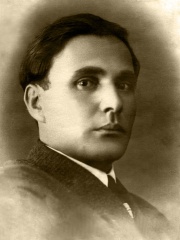
Galaktion Tabidze
WRITER
1891 - 1959
HPI: 59.85
Место: 101
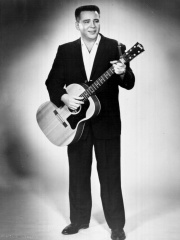
The Big Bopper
MUSICIAN
1930 - 1959
HPI: 59.80
Место: 102
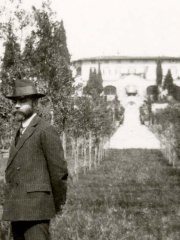
Bernard Berenson
HISTORIAN
1865 - 1959
HPI: 59.73
Место: 103

Henri Vidal
ACTOR
1919 - 1959
HPI: 59.71
Место: 104
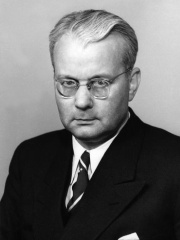
Franz Blücher
POLITICIAN
1896 - 1959
HPI: 59.61
Место: 105
Ramón Fonst
FENCER
1883 - 1959
HPI: 59.58
Место: 106
Georges Lefebvre
HISTORIAN
1874 - 1959
HPI: 59.54
Место: 107
Princess Alexandra, 2nd Duchess of Fife
POLITICIAN
1891 - 1959
HPI: 59.53
Место: 108
Kafū Nagai
WRITER
1879 - 1959
HPI: 59.53
Место: 109
Irving Cummings
ACTOR
1888 - 1959
HPI: 59.52
Место: 110
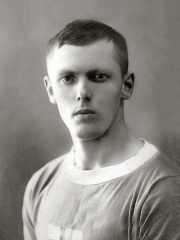
Eero Lehtonen
ATHLETE
1898 - 1959
HPI: 59.49
Место: 111
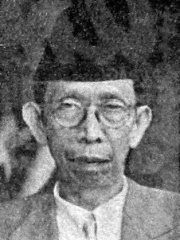
Ki Hajar Dewantara
POLITICIAN
1889 - 1959
HPI: 59.43
Место: 112
В стране Куба
Среди людей, родившихся в стране Куба, Ramón Fonst занимает 73-е место из 397. Перед ним идут José Lezama Lima (1910), Ramón Castro Ruz (1924), Leonardo Padura Fuentes (1955), Mario García Menocal (1866), Pío Leyva (1917), и Dámaso Berenguer (1873). После него идут Rico Rodriguez (1934), Frank País (1934), Jorge Bolet (1914), Eliades Ochoa (1946), Félix Rodríguez (1941), и Laurel Aitken (1927).
Другие люди, родившиеся в стране Куба
Все рейтинги
José Lezama Lima
WRITER
1910 - 1976
HPI: 60.03
Место: 67
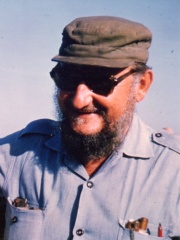
Ramón Castro Ruz
POLITICIAN
1924 - 2016
HPI: 60.01
Место: 68
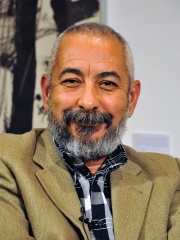
Leonardo Padura Fuentes
WRITER
1955 - наст. время
HPI: 60.00
Место: 69
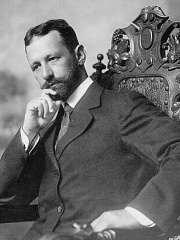
Mario García Menocal
POLITICIAN
1866 - 1941
HPI: 59.81
Место: 70

Pío Leyva
MUSICIAN
1917 - 2006
HPI: 59.80
Место: 71
Dámaso Berenguer
POLITICIAN
1873 - 1953
HPI: 59.67
Место: 72
Ramón Fonst
FENCER
1883 - 1959
HPI: 59.58
Место: 73
Rico Rodriguez
MUSICIAN
1934 - 2015
HPI: 59.53
Место: 74
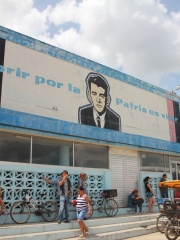
Frank País
SOCIAL ACTIVIST
1934 - 1957
HPI: 59.49
Место: 75
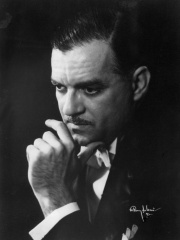
Jorge Bolet
MUSICIAN
1914 - 1990
HPI: 59.18
Место: 76
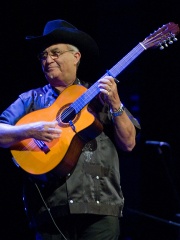
Eliades Ochoa
MUSICIAN
1946 - наст. время
HPI: 59.09
Место: 77
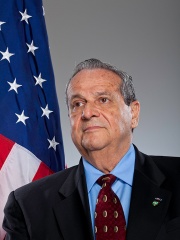
Félix Rodríguez
MILITARY PERSONNEL
1941 - наст. время
HPI: 59.04
Место: 78
Laurel Aitken
SINGER
1927 - 2005
HPI: 58.99
Место: 79
Среди представителей профессии «Фехтовальщик» в стране Куба
Среди представителей профессии «Фехтовальщик», родившихся в стране Куба, Ramón Fonst занимает 1-е место. После него идут Manuel Díaz (1874), Guillermo Betancourt (1963), и Iván Trevejo (1971).
Ramón Fonst
1883 - 1959
HPI: 59.58
Место: 1

Manuel Díaz
1874 - 1929
HPI: 58.08
Место: 2

Guillermo Betancourt
1963 - наст. время
HPI: 46.01
Место: 3
Iván Trevejo
1971 - наст. время
HPI: 44.01
Место: 4




