Политик
Rafael Grossi
1961 - настоящее время
ПРОСМОТРЫ RU.WIKIPEDIA (PV)
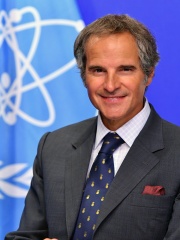
 Rafael Grossi
Его биография доступна на 24 различных языках в Википедии (рост с 23 в 2024 году). Rafael Grossi занимает 8748-е место среди самых популярных политик (рост с 9565-е места в 2024 году), занимает 145-е место среди самых популярных биографий из Аргентины (рост с 182-е места в 2019 году) и занимает 33-е место среди политик Аргентина.
Метрики памятности
560k
Просмотры страниц
За последние 12 месяцев
62.49
HPI
Индекс исторической популярности
Просмотры страницы Rafael Grossi по языкам
Среди представителей профессии «Политик»
Среди представителей профессии «Политик» Rafael Grossi занимает 8,744-е место из 19,576. Перед ним идут Poul Hartling, Demetrius of Pharos, Pythias, Dirk Stikker, Lucius Licinius Lucullus, и Gabriel García Moreno. После него идут Sengge Rinchen, Walter de Silva, Leslie Manigat, Anna Leszczyńska, Ersin Tatar, и Şehzade Mehmed Abdülkadir.
Самые популярные в Википедии: Политик
Все рейтинги
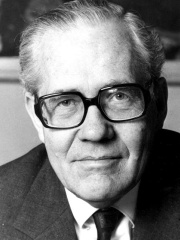
Poul Hartling
1914 - 2000
HPI: 62.50
Место: 8,742

Demetrius of Pharos
300 BC - 214 BC
HPI: 62.50
Место: 8,743

Pythias
362 BC - 400 BC
HPI: 62.50
Место: 8,744
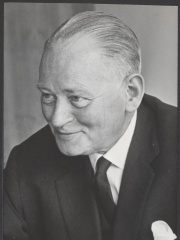
Dirk Stikker
1897 - 1979
HPI: 62.50
Место: 8,745

Lucius Licinius Lucullus
150 BC - 200 BC
HPI: 62.50
Место: 8,746
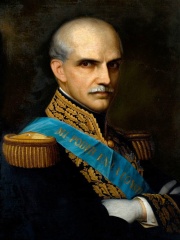
Gabriel García Moreno
1821 - 1875
HPI: 62.49
Место: 8,747
Rafael Grossi
1961 - наст. время
HPI: 62.49
Место: 8,748
Sengge Rinchen
1811 - 1865
HPI: 62.49
Место: 8,749
Walter de Silva
1951 - наст. время
HPI: 62.49
Место: 8,750
Leslie Manigat
1930 - 2014
HPI: 62.49
Место: 8,751
Anna Leszczyńska
1699 - 1717
HPI: 62.49
Место: 8,752
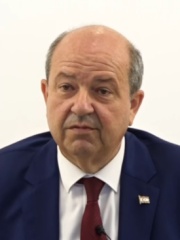
Ersin Tatar
1960 - наст. время
HPI: 62.49
Место: 8,753
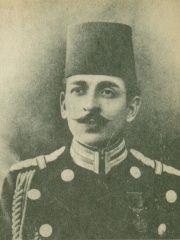
Şehzade Mehmed Abdülkadir
1878 - 1944
HPI: 62.49
Место: 8,754

Современники
Среди людей, родившихся в 1961 году, Rafael Grossi занимает 95-е место. Перед ним идут Moana Pozzi, Íngrid Betancourt, Tom Sizemore, Andrey Kurkov, Billy Ray Cyrus, и Guido Buchwald. После него идут Steve Holmes, Joan Chen, Élisabeth Borne, José Luis Mendilibar, Steven Weber, и Joanne Whalley.
Другие люди, родившиеся в 1961 году
Все рейтинги
Moana Pozzi
PORNOGRAPHIC ACTOR
1961 - 1994
HPI: 62.78
Место: 89
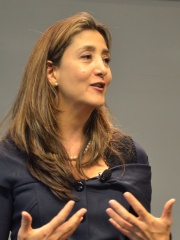
Íngrid Betancourt
POLITICIAN
1961 - наст. время
HPI: 62.77
Место: 90

Tom Sizemore
ACTOR
1961 - 2023
HPI: 62.68
Место: 91
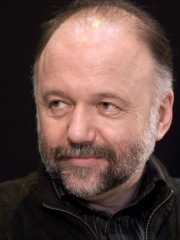
Andrey Kurkov
WRITER
1961 - наст. время
HPI: 62.68
Место: 92
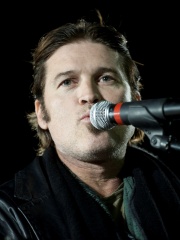
Billy Ray Cyrus
MUSICIAN
1961 - наст. время
HPI: 62.67
Место: 93

Guido Buchwald
SOCCER PLAYER
1961 - наст. время
HPI: 62.53
Место: 94
Rafael Grossi
POLITICIAN
1961 - наст. время
HPI: 62.49
Место: 95
Steve Holmes
PORNOGRAPHIC ACTOR
1961 - наст. время
HPI: 62.43
Место: 96

Joan Chen
ACTOR
1961 - наст. время
HPI: 62.38
Место: 97

Élisabeth Borne
POLITICIAN
1961 - наст. время
HPI: 62.37
Место: 98
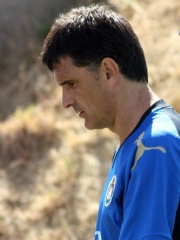
José Luis Mendilibar
SOCCER PLAYER
1961 - наст. время
HPI: 62.31
Место: 99
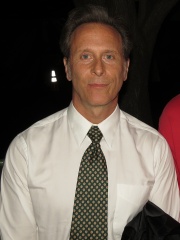
Steven Weber
ACTOR
1961 - наст. время
HPI: 62.31
Место: 100

Joanne Whalley
ACTOR
1961 - наст. время
HPI: 62.15
Место: 101
В стране Аргентина
Среди людей, родившихся в стране Аргентина, Rafael Grossi занимает 145-е место из NaN. Перед ним идут Paulo Dybala (1993), Héctor José Cámpora (1909), Juan Carlos Onganía (1914), Pedro Eugenio Aramburu (1903), Eduardo Camaño (1946), и Joseph Kessel (1898). После него идут Juan Ramón Verón (1944), Lionel Scaloni (1978), Sergio Goycochea (1963), Mario Evaristo (1908), José Hernández (1834), и Santiago Solari (1976).
Другие люди, родившиеся в стране Аргентина
Все рейтинги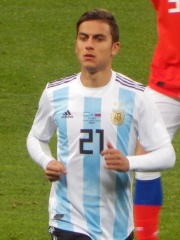
Paulo Dybala
SOCCER PLAYER
1993 - наст. время
HPI: 62.71
Место: 139
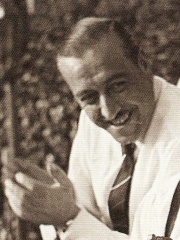
Héctor José Cámpora
POLITICIAN
1909 - 1980
HPI: 62.62
Место: 140
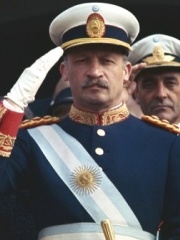
Juan Carlos Onganía
POLITICIAN
1914 - 1995
HPI: 62.62
Место: 141
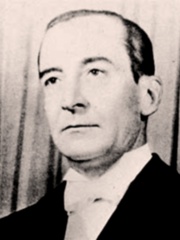
Pedro Eugenio Aramburu
MILITARY PERSONNEL
1903 - 1970
HPI: 62.54
Место: 142
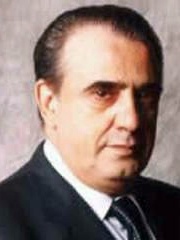
Eduardo Camaño
POLITICIAN
1946 - наст. время
HPI: 62.53
Место: 143
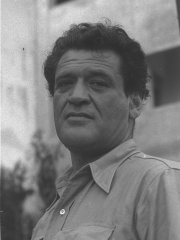
Joseph Kessel
WRITER
1898 - 1979
HPI: 62.52
Место: 144
Rafael Grossi
POLITICIAN
1961 - наст. время
HPI: 62.49
Место: 145
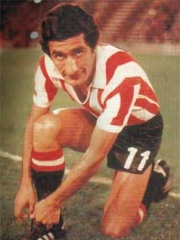
Juan Ramón Verón
SOCCER PLAYER
1944 - 2025
HPI: 62.47
Место: 146
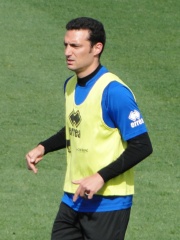
Lionel Scaloni
SOCCER PLAYER
1978 - наст. время
HPI: 62.37
Место: 147

Sergio Goycochea
SOCCER PLAYER
1963 - наст. время
HPI: 62.31
Место: 148
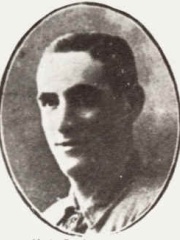
Mario Evaristo
SOCCER PLAYER
1908 - 1993
HPI: 62.24
Место: 149
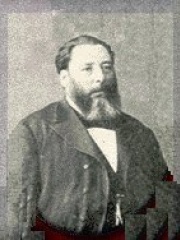
José Hernández
POLITICIAN
1834 - 1886
HPI: 62.24
Место: 150

Santiago Solari
SOCCER PLAYER
1976 - наст. время
HPI: 62.20
Место: 151
Среди представителей профессии «Политик» в стране Аргентина
Среди представителей профессии «Политик», родившихся в стране Аргентина, Rafael Grossi занимает 33-е место. Перед ним идут José Félix Uriburu (1868), Arturo Frondizi (1908), Arturo Umberto Illia (1900), Héctor José Cámpora (1909), Juan Carlos Onganía (1914), и Eduardo Camaño (1946). После него идут José Hernández (1834), Agustín Pedro Justo (1876), Carlos Lacoste (1929), Alejandro Agustín Lanusse (1918), Edelmiro Julián Farrell (1887), и Nicolás Avellaneda (1837).
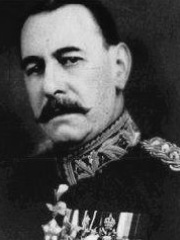
José Félix Uriburu
1868 - 1932
HPI: 63.45
Место: 27
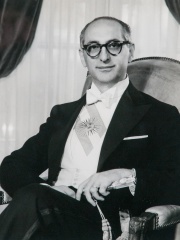
Arturo Frondizi
1908 - 1995
HPI: 63.40
Место: 28
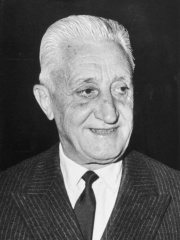
Arturo Umberto Illia
1900 - 1983
HPI: 63.08
Место: 29
Héctor José Cámpora
1909 - 1980
HPI: 62.62
Место: 30
Juan Carlos Onganía
1914 - 1995
HPI: 62.62
Место: 31
Eduardo Camaño
1946 - наст. время
HPI: 62.53
Место: 32
Rafael Grossi
1961 - наст. время
HPI: 62.49
Место: 33
José Hernández
1834 - 1886
HPI: 62.24
Место: 34
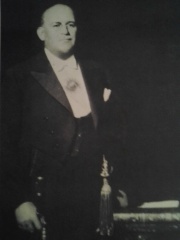
Agustín Pedro Justo
1876 - 1943
HPI: 62.19
Место: 35
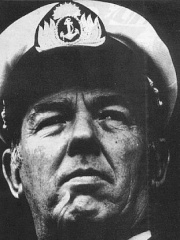
Carlos Lacoste
1929 - 2004
HPI: 62.12
Место: 36
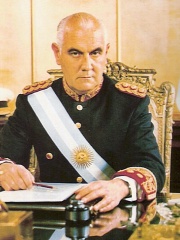
Alejandro Agustín Lanusse
1918 - 1996
HPI: 62.03
Место: 37
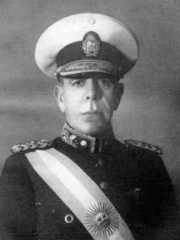
Edelmiro Julián Farrell
1887 - 1980
HPI: 61.88
Место: 38
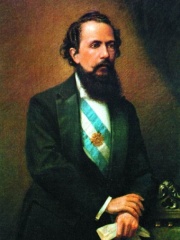
Nicolás Avellaneda
1837 - 1885
HPI: 61.53
Место: 39




