Lingüista
Pompeu Fabra
1868 - 1948
VISITAS EN ES.WIKIPEDIA (PV)
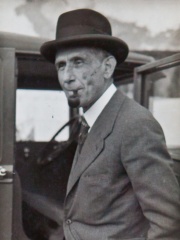
 Pompeu Fabra
Su biografía está disponible en 54 idiomas en Wikipedia (aumentó de 51 en 2024). Pompeu Fabra ocupa el puesto 30 entre los lingüista más populares (bajó del puesto 29 en 2024), el puesto 304 entre las biografías más populares de España (subió del puesto 331 en 2019) y el primer puesto entre los lingüista de españa más populares.
Métricas de memorabilidad
39k
Visitas
Últimos 12 meses
68.45
HPI
Índice de Popularidad Histórica
Visitas a la página de Pompeu Fabra por idioma
Entre Lingüista
Entre Lingüista, Pompeu Fabra ocupa el puesto 30 de 214. Antes de él están Algirdas Julien Greimas, William Jones, Johann Christoph Adelung, Sibawayh, Michael Halliday, y Otto Jespersen. Después de él están Nikolai Trubetzkoy, Ignác Goldziher, Bedřich Hrozný, Louis Hjelmslev, Georg Friedrich Grotefend, y Nicholas Marr.
Lingüista más populares en Wikipedia
Ver todas las clasificaciones
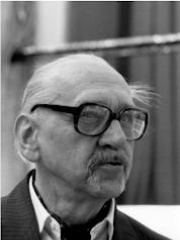
Algirdas Julien Greimas
1917 - 1992
HPI: 69.68
Puesto: 24
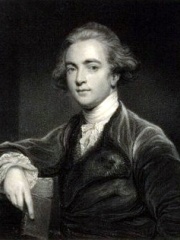
William Jones
1746 - 1794
HPI: 69.58
Puesto: 25
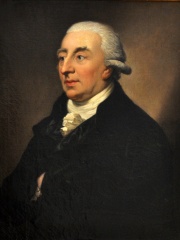
Johann Christoph Adelung
1732 - 1806
HPI: 68.86
Puesto: 26

Sibawayh
760 - 797
HPI: 68.65
Puesto: 27
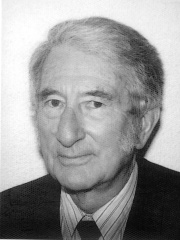
Michael Halliday
1925 - 2018
HPI: 68.62
Puesto: 28
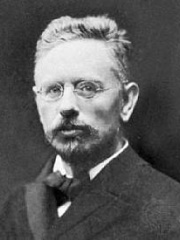
Otto Jespersen
1860 - 1943
HPI: 68.47
Puesto: 29
Pompeu Fabra
1868 - 1948
HPI: 68.45
Puesto: 30
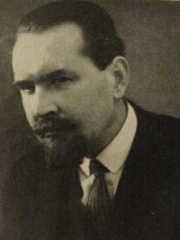
Nikolai Trubetzkoy
1890 - 1938
HPI: 68.16
Puesto: 31
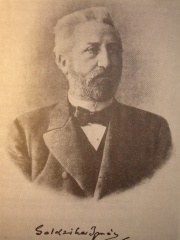
Ignác Goldziher
1850 - 1921
HPI: 67.65
Puesto: 32
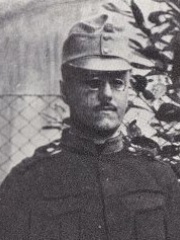
Bedřich Hrozný
1879 - 1952
HPI: 67.38
Puesto: 33

Louis Hjelmslev
1899 - 1965
HPI: 67.38
Puesto: 34
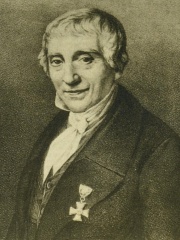
Georg Friedrich Grotefend
1775 - 1853
HPI: 67.37
Puesto: 35
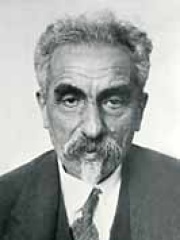
Nicholas Marr
1864 - 1934
HPI: 67.13
Puesto: 36

Contemporáneos
Entre las personas nacidas en 1868, Pompeu Fabra ocupa el puesto 42. Antes de él están Vittorio Monti, Florence Foster Jenkins, Huo Yuanjia, Scott Joplin, Josephine Bakhita, y Stefan George. Después de él están Felix Hausdorff, Édouard Vuillard, Magnus Hirschfeld, Eleanor H. Porter, Alexandra David-Néel, y Charles Rennie Mackintosh. Entre las personas fallecidas en 1948, Pompeu Fabra ocupa el puesto 38. Antes de él están John J. Pershing, Kurt Schwitters, Georges Bernanos, Lizzie Magie, Iwane Matsui, y Zelda Fitzgerald. Después de él están Uzeyir Hajibeyov, Kathleen Cavendish, Marchioness of Hartington, Emil Ludwig, Feng Yuxiang, Yoshiko Kawashima, y Kōki Hirota.
Otras personas nacidas en 1868
Ver todas las clasificaciones
Vittorio Monti
COMPOSER
1868 - 1922
HPI: 69.50
Puesto: 36
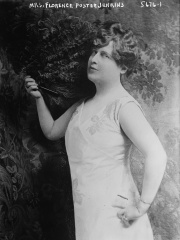
Florence Foster Jenkins
SINGER
1868 - 1944
HPI: 69.24
Puesto: 37
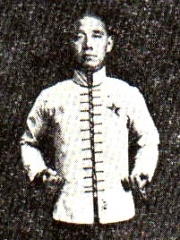
Huo Yuanjia
MARTIAL ARTS
1868 - 1910
HPI: 68.98
Puesto: 38
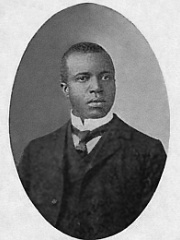
Scott Joplin
COMPOSER
1868 - 1917
HPI: 68.97
Puesto: 39
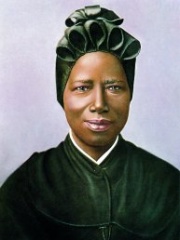
Josephine Bakhita
RELIGIOUS FIGURE
1868 - 1947
HPI: 68.83
Puesto: 40
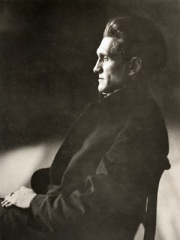
Stefan George
WRITER
1868 - 1933
HPI: 68.53
Puesto: 41
Pompeu Fabra
LINGUIST
1868 - 1948
HPI: 68.45
Puesto: 42
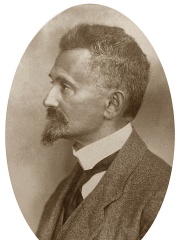
Felix Hausdorff
MATHEMATICIAN
1868 - 1942
HPI: 68.33
Puesto: 43
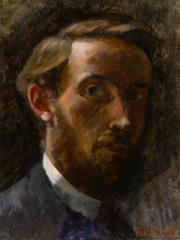
Édouard Vuillard
PAINTER
1868 - 1940
HPI: 68.25
Puesto: 44
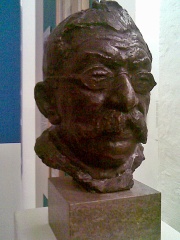
Magnus Hirschfeld
PHYSICIAN
1868 - 1935
HPI: 68.15
Puesto: 45
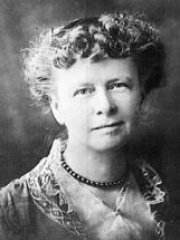
Eleanor H. Porter
WRITER
1868 - 1920
HPI: 68.04
Puesto: 46
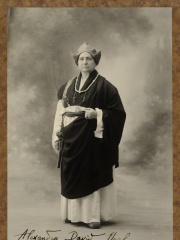
Alexandra David-Néel
WRITER
1868 - 1969
HPI: 67.98
Puesto: 47
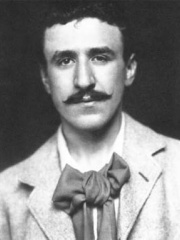
Charles Rennie Mackintosh
DESIGNER
1868 - 1928
HPI: 67.73
Puesto: 48
Otras personas fallecidas en 1948
Ver todas las clasificaciones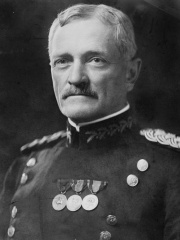
John J. Pershing
MILITARY PERSONNEL
1860 - 1948
HPI: 69.24
Puesto: 32
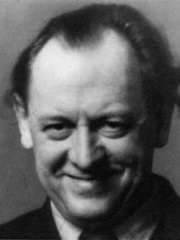
Kurt Schwitters
ARTIST
1887 - 1948
HPI: 69.20
Puesto: 33
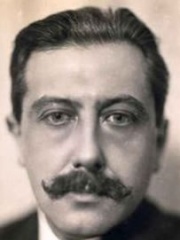
Georges Bernanos
WRITER
1888 - 1948
HPI: 69.04
Puesto: 34
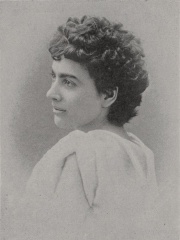
Lizzie Magie
GAME DESIGNER
1866 - 1948
HPI: 68.97
Puesto: 35
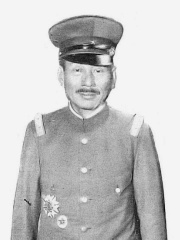
Iwane Matsui
MILITARY PERSONNEL
1878 - 1948
HPI: 68.57
Puesto: 36
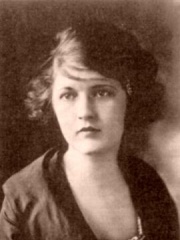
Zelda Fitzgerald
WRITER
1900 - 1948
HPI: 68.51
Puesto: 37
Pompeu Fabra
LINGUIST
1868 - 1948
HPI: 68.45
Puesto: 38
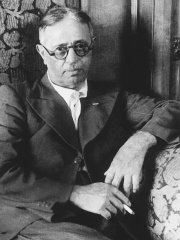
Uzeyir Hajibeyov
COMPOSER
1885 - 1948
HPI: 67.85
Puesto: 39
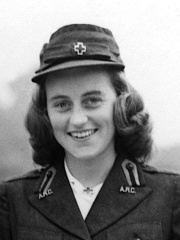
Kathleen Cavendish, Marchioness of Hartington
NOBLEMAN
1920 - 1948
HPI: 67.80
Puesto: 40
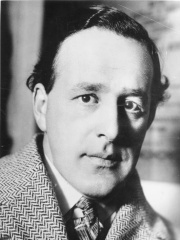
Emil Ludwig
WRITER
1881 - 1948
HPI: 67.57
Puesto: 41
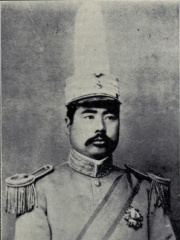
Feng Yuxiang
POLITICIAN
1882 - 1948
HPI: 66.98
Puesto: 42

Yoshiko Kawashima
MILITARY PERSONNEL
1907 - 1948
HPI: 66.95
Puesto: 43
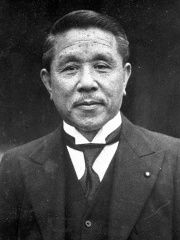
Kōki Hirota
POLITICIAN
1878 - 1948
HPI: 66.68
Puesto: 44
En España
Entre las personas nacidas en España, Pompeu Fabra ocupa el puesto 304 de NaN. Antes de él están Carles Rexach (1947), Sancho IV of Castile (1258), Eulalia of Barcelona (290), Carlos Sainz (1962), Cardinal-Infante Ferdinand of Austria (1609), y Prudentius (348). Después de él están Manuel Godoy (1767), Vicente Blasco Ibáñez (1867), Niceto Alcalá-Zamora (1877), Silius Italicus (26), Benito Pérez Galdós (1843), y Maria Antonia Ferdinanda of Spain (1729).
Otras personas nacidas en España
Ver todas las clasificaciones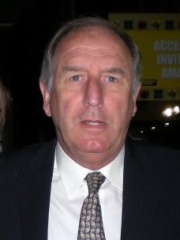
Carles Rexach
SOCCER PLAYER
1947 - presente
HPI: 68.52
Puesto: 298
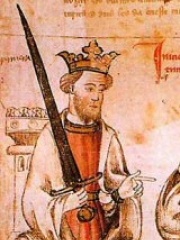
Sancho IV of Castile
POLITICIAN
1258 - 1295
HPI: 68.52
Puesto: 299
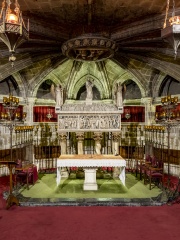
Eulalia of Barcelona
RELIGIOUS FIGURE
290 - 303
HPI: 68.51
Puesto: 300
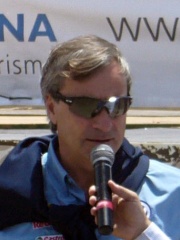
Carlos Sainz
RACING DRIVER
1962 - presente
HPI: 68.50
Puesto: 301
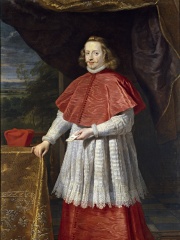
Cardinal-Infante Ferdinand of Austria
POLITICIAN
1609 - 1641
HPI: 68.50
Puesto: 302
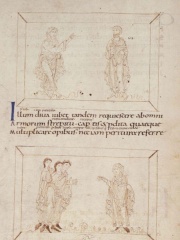
Prudentius
WRITER
348 - 413
HPI: 68.49
Puesto: 303
Pompeu Fabra
LINGUIST
1868 - 1948
HPI: 68.45
Puesto: 304
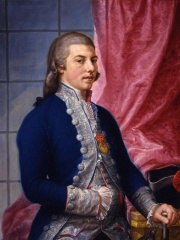
Manuel Godoy
POLITICIAN
1767 - 1851
HPI: 68.44
Puesto: 305
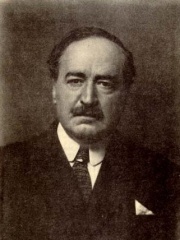
Vicente Blasco Ibáñez
WRITER
1867 - 1928
HPI: 68.43
Puesto: 306
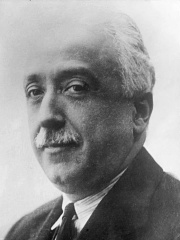
Niceto Alcalá-Zamora
POLITICIAN
1877 - 1949
HPI: 68.43
Puesto: 307
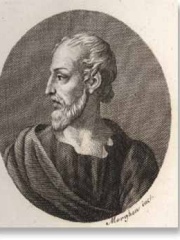
Silius Italicus
WRITER
26 - 101
HPI: 68.43
Puesto: 308
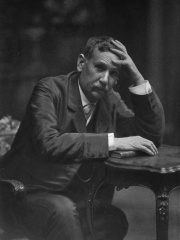
Benito Pérez Galdós
WRITER
1843 - 1920
HPI: 68.41
Puesto: 309
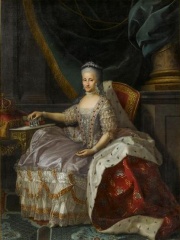
Maria Antonia Ferdinanda of Spain
COMPANION
1729 - 1785
HPI: 68.39
Puesto: 310
Entre Lingüista en España
Entre Lingüista nacidos en España, Pompeu Fabra ocupa el puesto 1. Después de él están Ramón Menéndez Pidal (1869), Joan Coromines (1905), Germà Colón (1928), Martí de Riquer i Morera (1914), y Francisco Rodríguez Adrados (1922).
Pompeu Fabra
1868 - 1948
HPI: 68.45
Puesto: 1
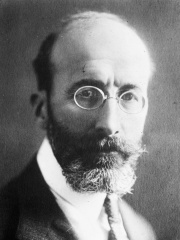
Ramón Menéndez Pidal
1869 - 1968
HPI: 61.88
Puesto: 2
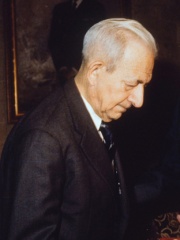
Joan Coromines
1905 - 1997
HPI: 60.30
Puesto: 3

Germà Colón
1928 - 2020
HPI: 56.45
Puesto: 4
Martí de Riquer i Morera
1914 - 2013
HPI: 55.29
Puesto: 5

Francisco Rodríguez Adrados
1922 - 2020
HPI: 54.26
Puesto: 6




