Politikus
Petar Brzica
1917 - napjainkig
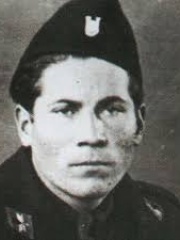
 Petar Brzica
Életrajza 16 különböző nyelven érhető el a Wikipédián. Petar Brzica a 8,758th legnépszerűbb politikus (csökkenés a 7,696th-ről 2024-ben), a 494th legnépszerűbb életrajz Ausztria országából (csökkenés a 463rd-ről 2019-ben) és a 148th legnépszerűbb Ausztriaból politikus.
Memorability Metrics
100k
Page Views
Past 12 months
62.48
HPI
Historical Popularity Index
Page views of Petar Brzica by language
Among Politikuses
Among politikuses, Petar Brzica ranks 8,754 out of 19,576. Before him are Anna Leszczyńska, Ersin Tatar, Şehzade Mehmed Abdülkadir, Mandukhai, Lev Karakhan, and Bodawpaya. After him are Teimuraz I of Kakheti, Nambaryn Enkhbayar, John C. Breckinridge, Edmund Stoiber, Mithridates I Callinicus, and Indulf.
Most Popular Politikuses in Wikipedia
Go to all Rankings
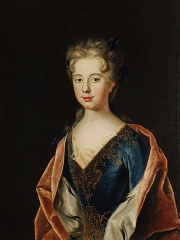
Anna Leszczyńska
1699 - 1717
HPI: 62.49
Rank: 8,752
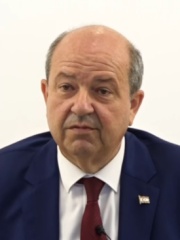
Ersin Tatar
1960 - Present
HPI: 62.49
Rank: 8,753
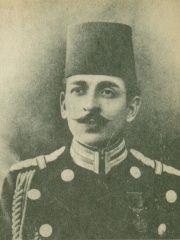
Şehzade Mehmed Abdülkadir
1878 - 1944
HPI: 62.49
Rank: 8,754
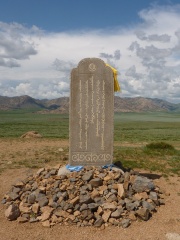
Mandukhai
1449 - 1510
HPI: 62.49
Rank: 8,755
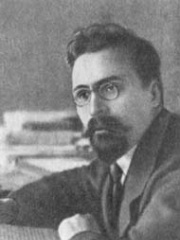
Lev Karakhan
1889 - 1937
HPI: 62.49
Rank: 8,756
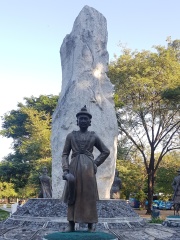
Bodawpaya
1745 - 1819
HPI: 62.48
Rank: 8,757
Petar Brzica
1917 - Present
HPI: 62.48
Rank: 8,758
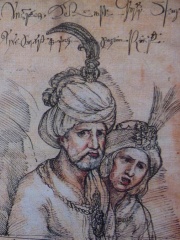
Teimuraz I of Kakheti
1589 - 1661
HPI: 62.48
Rank: 8,759
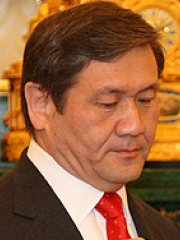
Nambaryn Enkhbayar
1958 - Present
HPI: 62.48
Rank: 8,760
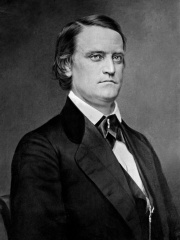
John C. Breckinridge
1821 - 1875
HPI: 62.48
Rank: 8,761
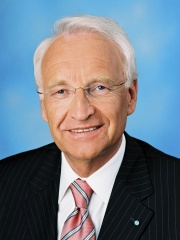
Edmund Stoiber
1941 - Present
HPI: 62.48
Rank: 8,762
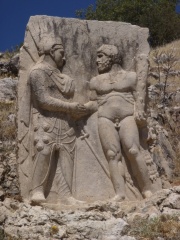
Mithridates I Callinicus
200 BC - 70 BC
HPI: 62.48
Rank: 8,763
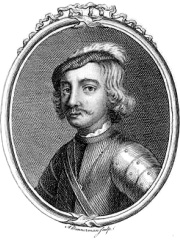
Indulf
901 - 962
HPI: 62.48
Rank: 8,764

Contemporaries
Among people born in 1917, Petar Brzica ranks 123. Before him are Vera Lynn, June Allyson, John Connally, Carlos Puebla, Erich Rudorffer, and Paul Frère. After him are Fulbert Youlou, Maya Deren, Mak Dizdar, Wieland Wagner, Yakov Pavlov, and Henri Salvador.
Others Born in 1917
Go to all Rankings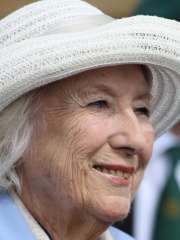
Vera Lynn
SINGER
1917 - 2020
HPI: 63.14
Rank: 117
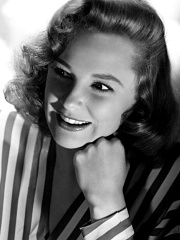
June Allyson
ACTOR
1917 - 2006
HPI: 63.00
Rank: 118
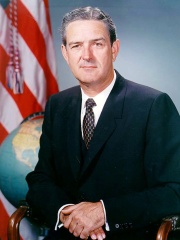
John Connally
POLITICIAN
1917 - 1993
HPI: 62.94
Rank: 119
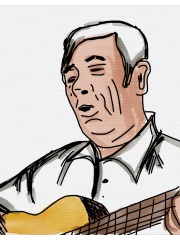
Carlos Puebla
MUSICIAN
1917 - 1989
HPI: 62.89
Rank: 120
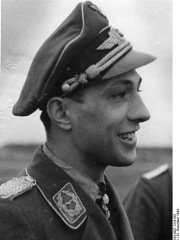
Erich Rudorffer
MILITARY PERSONNEL
1917 - 2016
HPI: 62.79
Rank: 121

Paul Frère
RACING DRIVER
1917 - 2008
HPI: 62.66
Rank: 122
Petar Brzica
POLITICIAN
1917 - Present
HPI: 62.48
Rank: 123
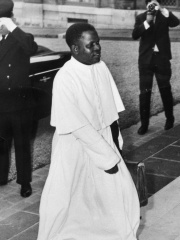
Fulbert Youlou
POLITICIAN
1917 - 1972
HPI: 62.41
Rank: 124
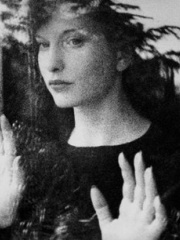
Maya Deren
FILM DIRECTOR
1917 - 1961
HPI: 62.40
Rank: 125
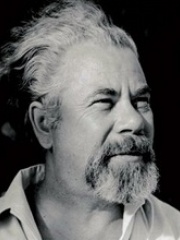
Mak Dizdar
WRITER
1917 - 1971
HPI: 62.30
Rank: 126
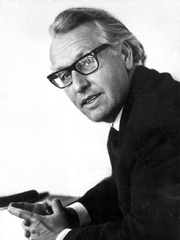
Wieland Wagner
WRITER
1917 - 1966
HPI: 62.23
Rank: 127
Yakov Pavlov
MILITARY PERSONNEL
1917 - 1981
HPI: 62.18
Rank: 128
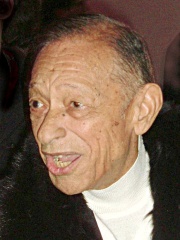
Henri Salvador
SINGER
1917 - 2008
HPI: 62.15
Rank: 129
In Ausztria
Among people born in Ausztria, Petar Brzica ranks 494 out of NaN. Before him are Ignaz Seipel (1876), Ferdinand Fellner (1847), Erich Probst (1927), Viktor Schauberger (1885), Prince René of Bourbon-Parma (1894), and Maria von Trapp (1905). After him are Leopold Figl (1902), Ilse Aichinger (1921), Victor Babeș (1854), Alexander Korda (1893), Thomas Gold (1920), and Ernst Marischka (1893).
Others born in Ausztria
Go to all Rankings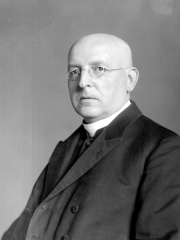
Ignaz Seipel
POLITICIAN
1876 - 1932
HPI: 62.56
Rank: 488
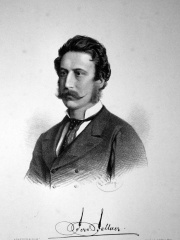
Ferdinand Fellner
ARCHITECT
1847 - 1916
HPI: 62.54
Rank: 489

Erich Probst
SOCCER PLAYER
1927 - 1988
HPI: 62.52
Rank: 490
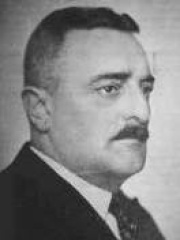
Viktor Schauberger
INVENTOR
1885 - 1958
HPI: 62.52
Rank: 491
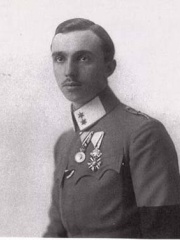
Prince René of Bourbon-Parma
POLITICIAN
1894 - 1962
HPI: 62.51
Rank: 492
Maria von Trapp
CELEBRITY
1905 - 1987
HPI: 62.51
Rank: 493
Petar Brzica
POLITICIAN
1917 - Present
HPI: 62.48
Rank: 494
Leopold Figl
POLITICIAN
1902 - 1965
HPI: 62.47
Rank: 495
Ilse Aichinger
WRITER
1921 - 2016
HPI: 62.46
Rank: 496
Victor Babeș
PHYSICIAN
1854 - 1926
HPI: 62.44
Rank: 497
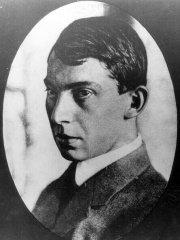
Alexander Korda
FILM DIRECTOR
1893 - 1956
HPI: 62.44
Rank: 498
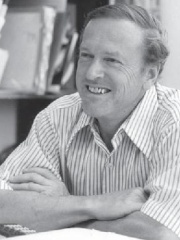
Thomas Gold
ASTRONOMER
1920 - 2004
HPI: 62.43
Rank: 499

Ernst Marischka
FILM DIRECTOR
1893 - 1963
HPI: 62.41
Rank: 500
Among Politikuses In Ausztria
Among politikuses born in Ausztria, Petar Brzica ranks 148. Before him are Avgustyn Voloshyn (1874), Elisabeth of Austria, Duchess of Lorraine (1285), Princess Victoria of Saxe-Coburg and Gotha (1822), Konstantin Jireček (1854), Ignaz Seipel (1876), and Prince René of Bourbon-Parma (1894). After him are Leopold Figl (1902), Otto Wächter (1901), Julius Raab (1891), Archduke Wilhelm Franz of Austria (1827), Haim Bar-Lev (1924), and August Eigruber (1907).
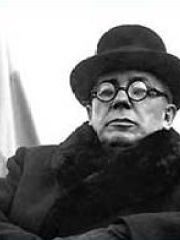
Avgustyn Voloshyn
1874 - 1945
HPI: 62.82
Rank: 142
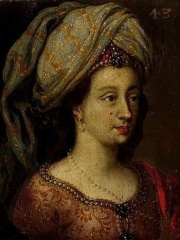
Elisabeth of Austria, Duchess of Lorraine
1285 - 1352
HPI: 62.80
Rank: 143
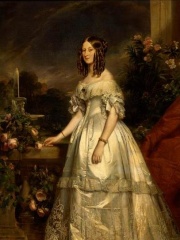
Princess Victoria of Saxe-Coburg and Gotha
1822 - 1857
HPI: 62.71
Rank: 144
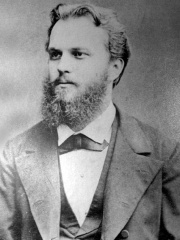
Konstantin Jireček
1854 - 1918
HPI: 62.64
Rank: 145
Ignaz Seipel
1876 - 1932
HPI: 62.56
Rank: 146
Prince René of Bourbon-Parma
1894 - 1962
HPI: 62.51
Rank: 147
Petar Brzica
1917 - Present
HPI: 62.48
Rank: 148
Leopold Figl
1902 - 1965
HPI: 62.47
Rank: 149
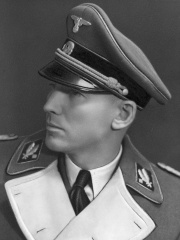
Otto Wächter
1901 - 1949
HPI: 62.28
Rank: 150
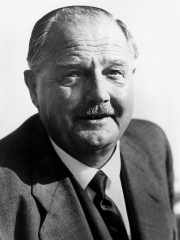
Julius Raab
1891 - 1964
HPI: 62.22
Rank: 151
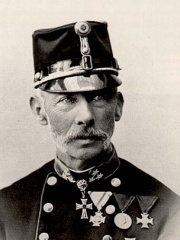
Archduke Wilhelm Franz of Austria
1827 - 1894
HPI: 62.14
Rank: 152
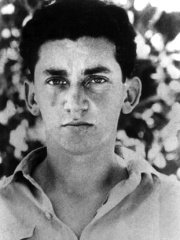
Haim Bar-Lev
1924 - 1994
HPI: 62.10
Rank: 153
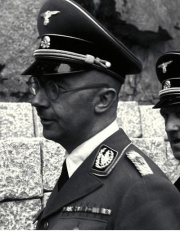
August Eigruber
1907 - 1947
HPI: 61.91
Rank: 154




