Politiker
Pak Song-chol
1913 - 2008
DE.WIKIPEDIA-SEITENAUFRUFE (PV)
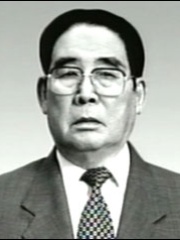
 Pak Song-chol
Seine Biografie ist in 23 verschiedenen Sprachen auf Wikipedia verfügbar (gestiegen von 22 im Jahr 2024). Pak Song-chol ist der 7,704th beliebteste Politiker (gestiegen vom 8,421st im Jahr 2024), die 122nd beliebteste Biografie aus Südkorea (gesunken vom 117th im Jahr 2019) und der 68th beliebteste aus Südkorea Politiker.
Bekanntheitsmetriken
23k
Seitenaufrufe
Letzte 12 Monate
63.46
HPI
Historischer Popularitätsindex
Seitenaufrufe von Pak Song-chol nach Sprache
Unter Politiker
Unter Politiker belegt Pak Song-chol Rang 7,701 von 19,576. Vor ihm stehen Ambrosius Aurelianus, Grimoald the Younger, Ron DeSantis, Joop den Uyl, Nikolai Krylenko, und Mikołaj "the Red" Radziwiłł. Nach ihm folgen Roy Mata, Pierre Bérégovoy, Vaso Čubrilović, Magdalena Andersson, Johannes R. Becher, und Luis García Meza.
Die beliebtesten Politiker auf Wikipedia
Zu allen Ranglisten
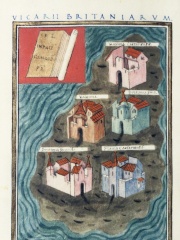
Ambrosius Aurelianus
500 - heute
HPI: 63.46
Rang: 7,698
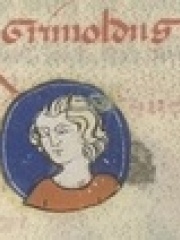
Grimoald the Younger
HPI: 63.46
Rang: 7,699
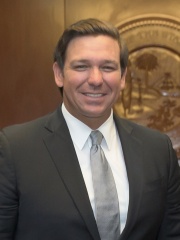
Ron DeSantis
1978 - heute
HPI: 63.46
Rang: 7,700
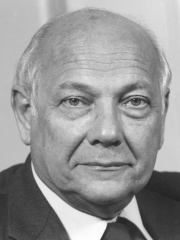
Joop den Uyl
1919 - 1987
HPI: 63.46
Rang: 7,701
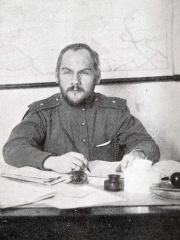
Nikolai Krylenko
1885 - 1938
HPI: 63.46
Rang: 7,702
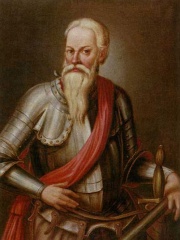
Mikołaj "the Red" Radziwiłł
1512 - 1584
HPI: 63.46
Rang: 7,703
Pak Song-chol
1913 - 2008
HPI: 63.46
Rang: 7,704
Roy Mata
1510 - 1300
HPI: 63.46
Rang: 7,705
Pierre Bérégovoy
1925 - 1993
HPI: 63.46
Rang: 7,706
Vaso Čubrilović
1897 - 1990
HPI: 63.46
Rang: 7,707
Magdalena Andersson
1967 - heute
HPI: 63.46
Rang: 7,708
Johannes R. Becher
1891 - 1958
HPI: 63.46
Rang: 7,709
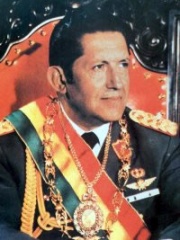
Luis García Meza
1929 - 2018
HPI: 63.46
Rang: 7,710

Zeitgenossen
Unter den im Jahr 1913 Geborenen belegt Pak Song-chol Rang 109. Vor ihm stehen Heinz Kohut, Princess Katherine of Greece and Denmark, Haxhi Lleshi, Shih Kien, Sebastiano Baggio, und Franck Pourcel. Nach ihm folgen Masatoshi Nakayama, Willi Hennig, José Sánchez del Río, Mary Kenneth Keller, Philip Abelson, und Tikhon Khrennikov. Unter den im Jahr 2008 Verstorbenen belegt Pak Song-chol Rang 83. Vor ihm stehen Edwin Ernest Salpeter, Bettie Page, Marcial Maciel, Ken Naganuma, Bo Diddley, und Mate Parlov. Nach ihm folgen Dora Ratjen, Kiyosi Itô, Don S. Davis, Paul Scofield, Anthony Minghella, und Cyd Charisse.
Weitere im Jahr 1913 Geborene
Zu allen Ranglisten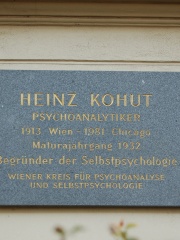
Heinz Kohut
PSYCHOLOGIST
1913 - 1981
HPI: 64.03
Rang: 103
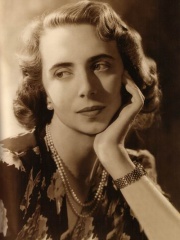
Princess Katherine of Greece and Denmark
POLITICIAN
1913 - 2007
HPI: 63.84
Rang: 104
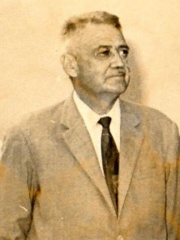
Haxhi Lleshi
POLITICIAN
1913 - 1998
HPI: 63.76
Rang: 105
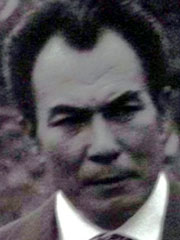
Shih Kien
ACTOR
1913 - 2009
HPI: 63.70
Rang: 106
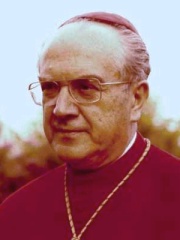
Sebastiano Baggio
RELIGIOUS FIGURE
1913 - 1993
HPI: 63.65
Rang: 107
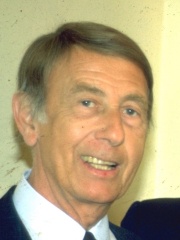
Franck Pourcel
COMPOSER
1913 - 2000
HPI: 63.62
Rang: 108
Pak Song-chol
POLITICIAN
1913 - 2008
HPI: 63.46
Rang: 109
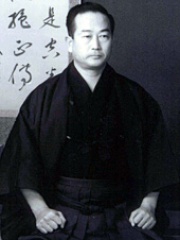
Masatoshi Nakayama
MARTIAL ARTS
1913 - 1987
HPI: 63.34
Rang: 110
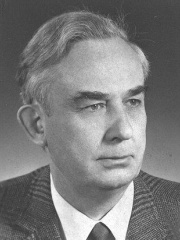
Willi Hennig
BIOLOGIST
1913 - 1976
HPI: 63.29
Rang: 111
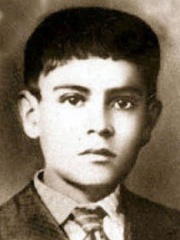
José Sánchez del Río
RELIGIOUS FIGURE
1913 - 1928
HPI: 63.26
Rang: 112
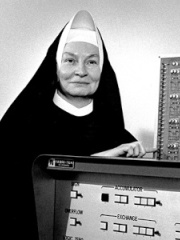
Mary Kenneth Keller
COMPUTER SCIENTIST
1913 - 1985
HPI: 63.00
Rang: 113
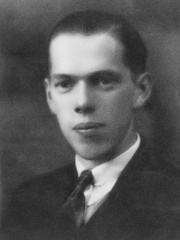
Philip Abelson
PHYSICIST
1913 - 2004
HPI: 62.98
Rang: 114
Tikhon Khrennikov
COMPOSER
1913 - 2007
HPI: 62.86
Rang: 115
Weitere im Jahr 2008 Verstorbene
Zu allen Ranglisten
Edwin Ernest Salpeter
ASTRONOMER
1924 - 2008
HPI: 64.58
Rang: 77

Bettie Page
MODEL
1923 - 2008
HPI: 64.11
Rang: 78
Marcial Maciel
RELIGIOUS FIGURE
1920 - 2008
HPI: 63.87
Rang: 79
Ken Naganuma
SOCCER PLAYER
1930 - 2008
HPI: 63.75
Rang: 80
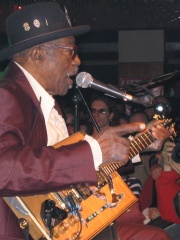
Bo Diddley
MUSICIAN
1928 - 2008
HPI: 63.68
Rang: 81
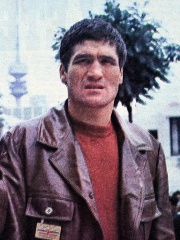
Mate Parlov
BOXER
1948 - 2008
HPI: 63.49
Rang: 82
Pak Song-chol
POLITICIAN
1913 - 2008
HPI: 63.46
Rang: 83
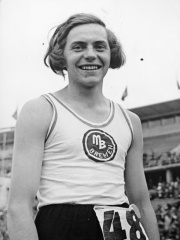
Dora Ratjen
ATHLETE
1918 - 2008
HPI: 63.46
Rang: 84
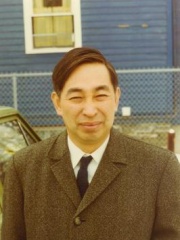
Kiyosi Itô
MATHEMATICIAN
1915 - 2008
HPI: 63.43
Rang: 85
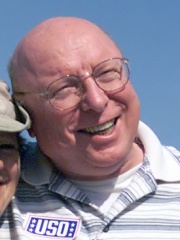
Don S. Davis
ACTOR
1942 - 2008
HPI: 63.38
Rang: 86
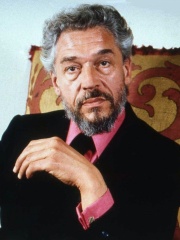
Paul Scofield
ACTOR
1922 - 2008
HPI: 63.15
Rang: 87
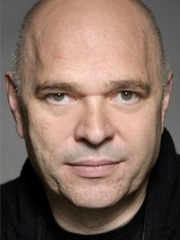
Anthony Minghella
FILM DIRECTOR
1954 - 2008
HPI: 63.06
Rang: 88
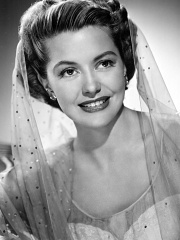
Cyd Charisse
ACTOR
1922 - 2008
HPI: 62.95
Rang: 89
In Südkorea
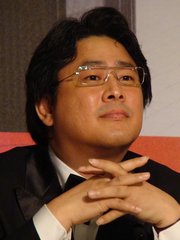
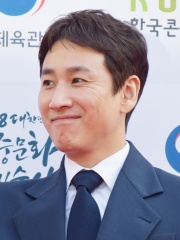
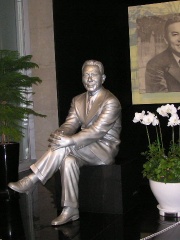
Unter den in Südkorea Geborenen belegt Pak Song-chol Rang 122 von NaN. Vor ihm stehen Yi Un (1897), V (1995), Jungkook (1997), Park Chan-wook (1963), Lee Sun-kyun (1975), und Kim Seong-su (1891). Nach ihm folgen Bak Jungyang (1872), Jang Yeong-sil (1400), David Yonggi Cho (1936), Queen Jeonghui (1418), Uhwudong (1430), und Jang Bogo (787).
Weitere in Südkorea geborene Personen
Zu allen Ranglisten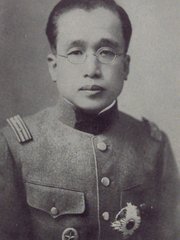
Yi Un
MILITARY PERSONNEL
1897 - 1970
HPI: 63.88
Rang: 116

V
SINGER
1995 - heute
HPI: 63.84
Rang: 117

Jungkook
SINGER
1997 - heute
HPI: 63.72
Rang: 118
Park Chan-wook
FILM DIRECTOR
1963 - heute
HPI: 63.66
Rang: 119
Lee Sun-kyun
ACTOR
1975 - 2023
HPI: 63.51
Rang: 120
Kim Seong-su
POLITICIAN
1891 - 1955
HPI: 63.51
Rang: 121
Pak Song-chol
POLITICIAN
1913 - 2008
HPI: 63.46
Rang: 122
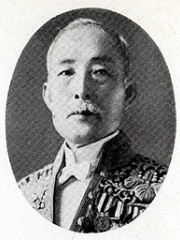
Bak Jungyang
POLITICIAN
1872 - 1959
HPI: 63.42
Rang: 123
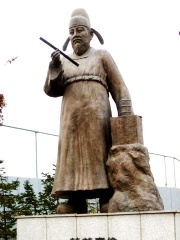
Jang Yeong-sil
INVENTOR
1400 - heute
HPI: 63.38
Rang: 124
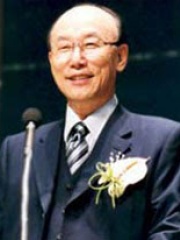
David Yonggi Cho
RELIGIOUS FIGURE
1936 - 2021
HPI: 63.31
Rang: 125

Queen Jeonghui
COMPANION
1418 - 1483
HPI: 63.26
Rang: 126

Uhwudong
WRITER
1430 - 1480
HPI: 63.24
Rang: 127

Jang Bogo
MILITARY PERSONNEL
787 - 841
HPI: 63.11
Rang: 128
Unter Politiker in Südkorea
Unter den in Südkorea geborenen Politiker belegt Pak Song-chol Rang 68. Vor ihm stehen Chungjeong of Goryeo (1338), Lee Jong-wook (1945), Chung Hong-won (1944), Han Seung-soo (1936), Jeong Mong-ju (1337), und Kim Seong-su (1891). Nach ihm folgen Bak Jungyang (1872), Beopheung of Silla (500), Ye Wanyong (1858), Lyuh Woon-hyung (1886), Heo Gyun (1569), und Chung Sye-kyun (1950).

Chungjeong of Goryeo
1338 - 1352
HPI: 65.28
Rang: 62
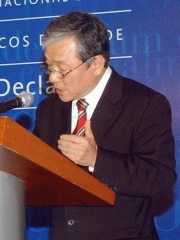
Lee Jong-wook
1945 - 2006
HPI: 64.68
Rang: 63
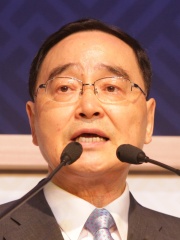
Chung Hong-won
1944 - heute
HPI: 64.27
Rang: 64
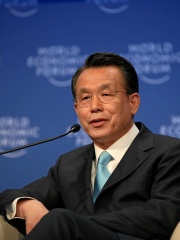
Han Seung-soo
1936 - heute
HPI: 64.22
Rang: 65
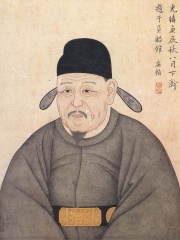
Jeong Mong-ju
1337 - 1392
HPI: 63.94
Rang: 66
Kim Seong-su
1891 - 1955
HPI: 63.51
Rang: 67
Pak Song-chol
1913 - 2008
HPI: 63.46
Rang: 68
Bak Jungyang
1872 - 1959
HPI: 63.42
Rang: 69
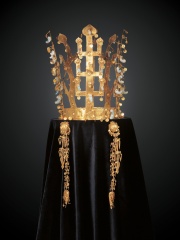
Beopheung of Silla
500 - 540
HPI: 61.85
Rang: 70
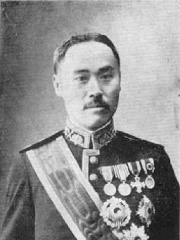
Ye Wanyong
1858 - 1926
HPI: 61.39
Rang: 71
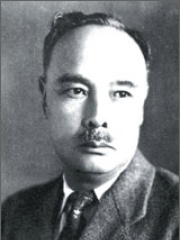
Lyuh Woon-hyung
1886 - 1947
HPI: 61.06
Rang: 72
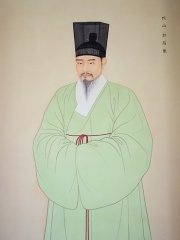
Heo Gyun
1569 - 1618
HPI: 60.84
Rang: 73
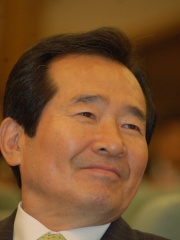
Chung Sye-kyun
1950 - heute
HPI: 60.57
Rang: 74




