军人
Otto Günsche
1917 - 2003
ZH.WIKIPEDIA 页面浏览量 (PV)
 Otto Günsche
知名度指标
330k
页面浏览量
过去12个月
70.56
HPI
历史知名度指数
数据洞察
#692 / 8,184
Otto Günsche在 Pantheon 收录的 8,184 位出生于德国的人物中排名第 692,位居该群体前 9%。
Otto Günsche的各语言页面浏览量
在军人中
在军人中,Otto Günsche排名第278位(共2,188人)。 排在他之前的有:Tadamichi Kuribayashi, Lothar Rendulic, Karl Wolff, Oskar Dirlewanger, Robert Nivelle, 和Otto Carius. 排在他之后的有:Johannes Blaskowitz, J. E. B. Stuart, Marcus Claudius Marcellus, Sun Bin, Alvin York, 和Omar Bradley.
维基百科上最受欢迎的军人
查看全部排名
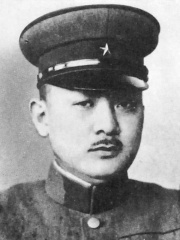
Tadamichi Kuribayashi
1891 - 1945
HPI: 70.67
排名: 272

Lothar Rendulic
1887 - 1971
HPI: 70.67
排名: 273
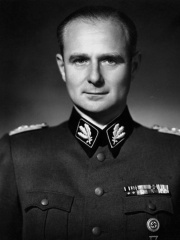
Karl Wolff
1900 - 1984
HPI: 70.65
排名: 274
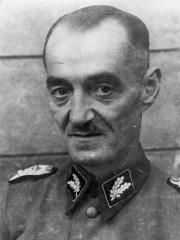
Oskar Dirlewanger
1895 - 1945
HPI: 70.64
排名: 275
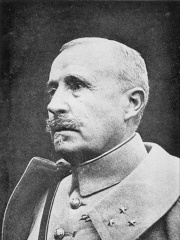
Robert Nivelle
1856 - 1924
HPI: 70.61
排名: 276
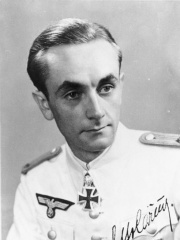
Otto Carius
1922 - 2015
HPI: 70.60
排名: 277
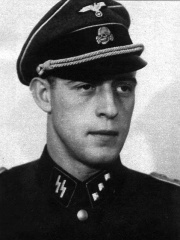
Otto Günsche
1917 - 2003
HPI: 70.56
排名: 278
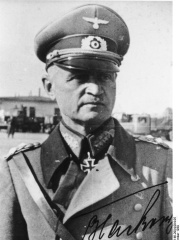
Johannes Blaskowitz
1883 - 1948
HPI: 70.55
排名: 279
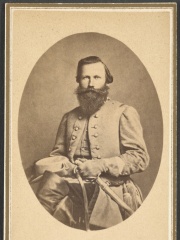
J. E. B. Stuart
1833 - 1864
HPI: 70.53
排名: 280
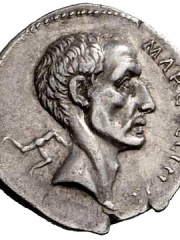
Marcus Claudius Marcellus
268 BC - 208 BC
HPI: 70.50
排名: 281
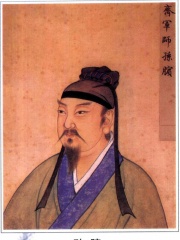
Sun Bin
401 BC - 316 BC
HPI: 70.46
排名: 282
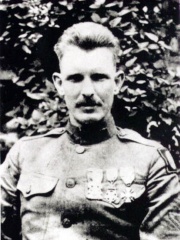
Alvin York
1887 - 1964
HPI: 70.39
排名: 283
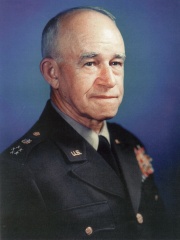
Omar Bradley
1893 - 1981
HPI: 70.31
排名: 284

同时代人物
在1917年出生的人中,Otto Günsche排名第33位。 排在他之前的有:Donald Davidson, Sidney Sheldon, Leonid Hurwicz, Óscar Romero, Andrew Huxley, 和William Standish Knowles. 排在他之后的有:Nur Muhammad Taraki, Barry Nelson, Joan Fontaine, Kiro Gligorov, Mel Ferrer, 和John B. Calhoun. 在2003年去世的人中,Otto Günsche排名第31位。 排在他之前的有:Walt Whitman Rostow, Robert Palmer, Robert Kardashian, Luciano Berio, Soong Mei-ling, 和Maurice Blanchot. 排在他之后的有:Mario Beccaria, Lee Yoo-hyung, Gertrude Ederle, Franco Modigliani, Richard Crenna, 和Compay Segundo.
其他1917年出生的人
查看全部排名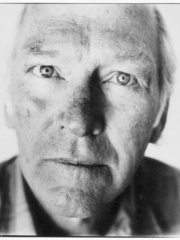
Donald Davidson
PHILOSOPHER
1917 - 2003
HPI: 72.02
排名: 27
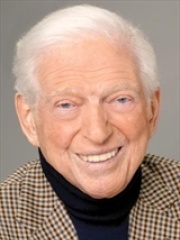
Sidney Sheldon
WRITER
1917 - 2007
HPI: 71.91
排名: 28
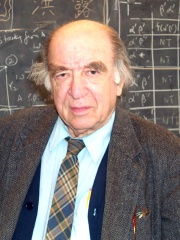
Leonid Hurwicz
ECONOMIST
1917 - 2008
HPI: 71.38
排名: 29
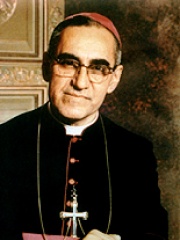
Óscar Romero
RELIGIOUS FIGURE
1917 - 1980
HPI: 71.28
排名: 30
Andrew Huxley
PHYSICIST
1917 - 2012
HPI: 71.01
排名: 31
William Standish Knowles
CHEMIST
1917 - 2012
HPI: 70.83
排名: 32
Otto Günsche
MILITARY PERSONNEL
1917 - 2003
HPI: 70.56
排名: 33
Nur Muhammad Taraki
POLITICIAN
1917 - 1979
HPI: 70.41
排名: 34
Barry Nelson
ACTOR
1917 - 2007
HPI: 70.35
排名: 35
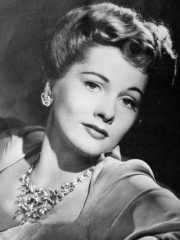
Joan Fontaine
ACTOR
1917 - 2013
HPI: 70.26
排名: 36
Kiro Gligorov
POLITICIAN
1917 - 2012
HPI: 70.24
排名: 37
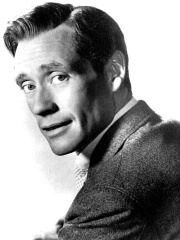
Mel Ferrer
ACTOR
1917 - 2008
HPI: 70.14
排名: 38
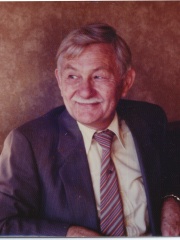
John B. Calhoun
BIOLOGIST
1917 - 1995
HPI: 69.91
排名: 39
其他2003年去世的人
查看全部排名
Walt Whitman Rostow
ECONOMIST
1916 - 2003
HPI: 71.27
排名: 25
Robert Palmer
MUSICIAN
1949 - 2003
HPI: 70.93
排名: 26
Robert Kardashian
BUSINESSPERSON
1944 - 2003
HPI: 70.90
排名: 27
Luciano Berio
COMPOSER
1925 - 2003
HPI: 70.84
排名: 28
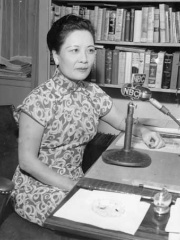
Soong Mei-ling
POLITICIAN
1897 - 2003
HPI: 70.75
排名: 29
Maurice Blanchot
WRITER
1907 - 2003
HPI: 70.75
排名: 30
Otto Günsche
MILITARY PERSONNEL
1917 - 2003
HPI: 70.56
排名: 31
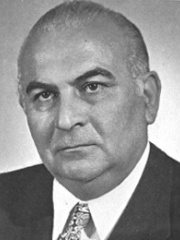
Mario Beccaria
POLITICIAN
1920 - 2003
HPI: 70.30
排名: 32

Lee Yoo-hyung
SOCCER PLAYER
1911 - 2003
HPI: 70.16
排名: 33
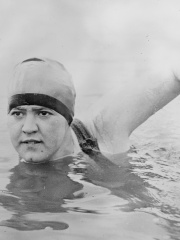
Gertrude Ederle
SWIMMER
1905 - 2003
HPI: 69.83
排名: 34
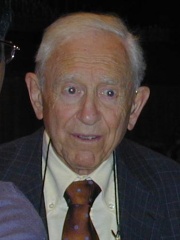
Franco Modigliani
ECONOMIST
1918 - 2003
HPI: 69.67
排名: 35
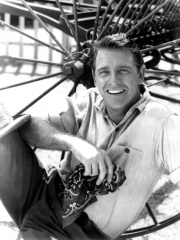
Richard Crenna
ACTOR
1926 - 2003
HPI: 69.65
排名: 36
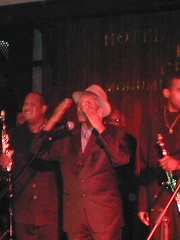
Compay Segundo
MUSICIAN
1907 - 2003
HPI: 69.07
排名: 37
在德国
在出生于德国的人中,Otto Günsche排名第692位(共8,184人)。 排在他之前的有:Oskar Dirlewanger (1895), Georg Büchner (1813), Otto Carius (1922), Simon Marius (1573), Arno Breker (1900), 和Hans Holbein the Elder (1465). 排在他之后的有:Widukind (755), George William, Elector of Brandenburg (1595), Curd Jürgens (1915), Rudi Völler (1960), Gerhard Herzberg (1904), 和John Frederick I, Elector of Saxony (1503).
Oskar Dirlewanger
MILITARY PERSONNEL
1895 - 1945
HPI: 70.64
排名: 686
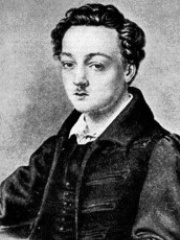
Georg Büchner
WRITER
1813 - 1837
HPI: 70.62
排名: 687
Otto Carius
MILITARY PERSONNEL
1922 - 2015
HPI: 70.60
排名: 688
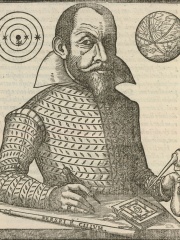
Simon Marius
ASTRONOMER
1573 - 1625
HPI: 70.58
排名: 689
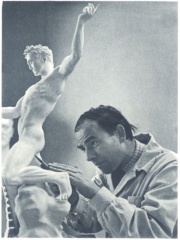
Arno Breker
ARCHITECT
1900 - 1991
HPI: 70.57
排名: 690
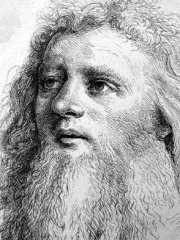
Hans Holbein the Elder
PAINTER
1465 - 1524
HPI: 70.57
排名: 691
Otto Günsche
MILITARY PERSONNEL
1917 - 2003
HPI: 70.56
排名: 692
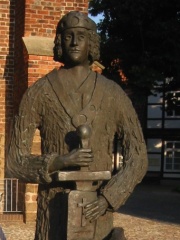
Widukind
SOCIAL ACTIVIST
755 - 810
HPI: 70.51
排名: 693
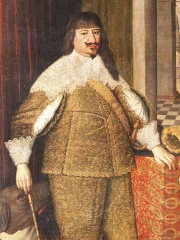
George William, Elector of Brandenburg
POLITICIAN
1595 - 1640
HPI: 70.51
排名: 694
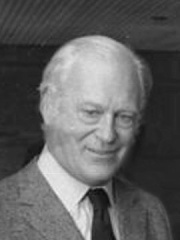
Curd Jürgens
ACTOR
1915 - 1982
HPI: 70.51
排名: 695
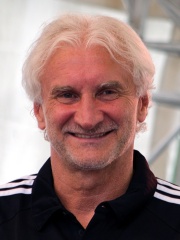
Rudi Völler
SOCCER PLAYER
1960 - 至今
HPI: 70.51
排名: 696
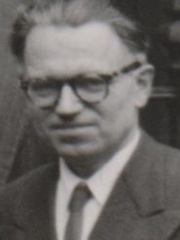
Gerhard Herzberg
CHEMIST
1904 - 1999
HPI: 70.50
排名: 697
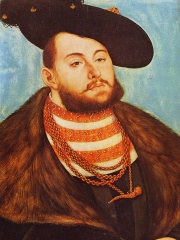
John Frederick I, Elector of Saxony
POLITICIAN
1503 - 1554
HPI: 70.49
排名: 698
在德国的军人中
在出生于德国的军人中,Otto Günsche排名第61位。 排在他之前的有:Erhard Milch (1892), Karl-Otto Koch (1897), Wilhelm Burgdorf (1895), Karl Wolff (1900), Oskar Dirlewanger (1895), 和Otto Carius (1922). 排在他之后的有:Hasso von Manteuffel (1897), Reinhard Gehlen (1902), Werner Mölders (1913), Hugo Sperrle (1885), Eduard Dietl (1890), 和Arthur Nebe (1894).
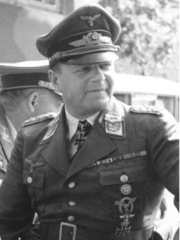
Erhard Milch
1892 - 1972
HPI: 70.93
排名: 55
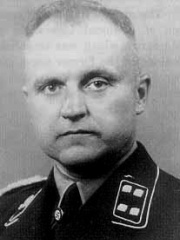
Karl-Otto Koch
1897 - 1945
HPI: 70.81
排名: 56
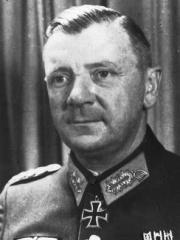
Wilhelm Burgdorf
1895 - 1945
HPI: 70.70
排名: 57
Karl Wolff
1900 - 1984
HPI: 70.65
排名: 58
Oskar Dirlewanger
1895 - 1945
HPI: 70.64
排名: 59
Otto Carius
1922 - 2015
HPI: 70.60
排名: 60
Otto Günsche
1917 - 2003
HPI: 70.56
排名: 61
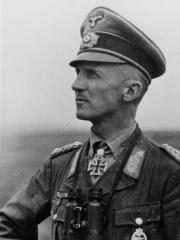
Hasso von Manteuffel
1897 - 1978
HPI: 70.23
排名: 62
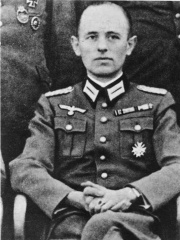
Reinhard Gehlen
1902 - 1979
HPI: 70.08
排名: 63
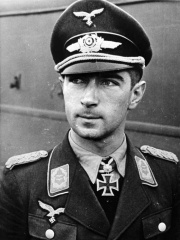
Werner Mölders
1913 - 1941
HPI: 69.86
排名: 64
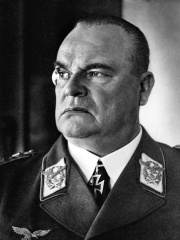
Hugo Sperrle
1885 - 1953
HPI: 69.46
排名: 65
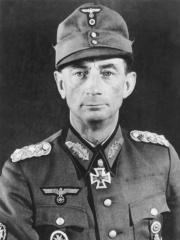
Eduard Dietl
1890 - 1944
HPI: 69.42
排名: 66
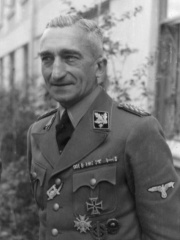
Arthur Nebe
1894 - 1945
HPI: 69.40
排名: 67




