Basketballspieler
Nikos Galis
1957 - heute
DE.WIKIPEDIA-SEITENAUFRUFE (PV)

 Nikos Galis
Seine Biografie ist in 27 verschiedenen Sprachen auf Wikipedia verfügbar (gestiegen von 26 im Jahr 2024). Nikos Galis ist der 59th beliebteste Basketballspieler (gesunken vom 53rd im Jahr 2024), die 4,518th beliebteste Biografie aus Vereinigte Staaten (gesunken vom 3,958th im Jahr 2019) und der 39th beliebteste aus den Vereinigte Staaten Basketballspieler.
Bekanntheitsmetriken
160k
Seitenaufrufe
Letzte 12 Monate
60.07
HPI
Historischer Popularitätsindex
Daten-Einblicke
#59 / 2,249
Nikos Galis belegt Platz 59 von 2,249 Basketballspieler weltweit und gehört damit zu den besten 3 % des Berufsstands.
Seitenaufrufe von Nikos Galis nach Sprache
Unter Basketballspieler
Unter Basketballspieler belegt Nikos Galis Rang 59 von 2,249. Vor ihm stehen Vladimir Tkachenko, Anthony Davis, Bob Cousy, John Havlicek, Hakeem Olajuwon, und Toni Kukoč. Nach ihm folgen Moses Malone, Byron Scott, John Stockton, Oscar Schmidt, Šarūnas Jasikevičius, und Metta World Peace.
Die beliebtesten Basketballspieler auf Wikipedia
Zu allen Ranglisten
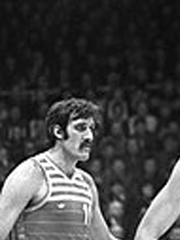
Vladimir Tkachenko
1957 - heute
HPI: 60.19
Rang: 53

Anthony Davis
1993 - heute
HPI: 60.18
Rang: 54
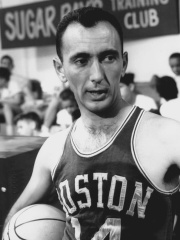
Bob Cousy
1928 - heute
HPI: 60.18
Rang: 55
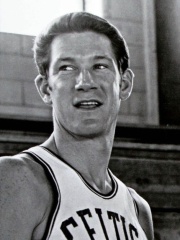
John Havlicek
1940 - 2019
HPI: 60.17
Rang: 56
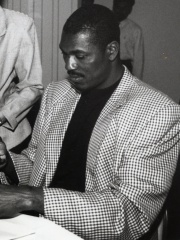
Hakeem Olajuwon
1963 - heute
HPI: 60.08
Rang: 57

Toni Kukoč
1968 - heute
HPI: 60.07
Rang: 58
Nikos Galis
1957 - heute
HPI: 60.07
Rang: 59
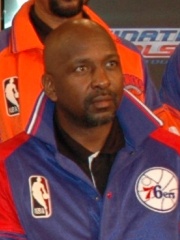
Moses Malone
1955 - 2015
HPI: 60.05
Rang: 60

Byron Scott
1961 - heute
HPI: 60.01
Rang: 61
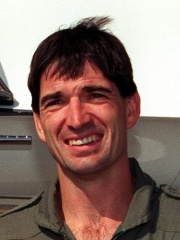
John Stockton
1962 - heute
HPI: 59.87
Rang: 62
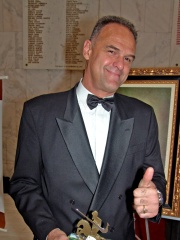
Oscar Schmidt
1958 - 2026
HPI: 59.82
Rang: 63

Šarūnas Jasikevičius
1976 - heute
HPI: 59.80
Rang: 64
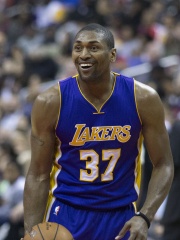
Metta World Peace
1979 - heute
HPI: 59.73
Rang: 65

Zeitgenossen
Unter den im Jahr 1957 Geborenen belegt Nikos Galis Rang 153. Vor ihm stehen John Lasseter, Vladimir Tkachenko, Afrika Bambaataa, Alfonso de Galarreta, Duško Ivanović, und Tetsuo Sugamata. Nach ihm folgen Viktor Vekselberg, Hansi Müller, Kevin Rudd, Theresa Russell, Bernie Mac, und Salim Idris.
Weitere im Jahr 1957 Geborene
Zu allen Ranglisten
John Lasseter
FILM DIRECTOR
1957 - heute
HPI: 60.25
Rang: 147
Vladimir Tkachenko
BASKETBALL PLAYER
1957 - heute
HPI: 60.19
Rang: 148

Afrika Bambaataa
SINGER
1957 - 2026
HPI: 60.16
Rang: 149

Alfonso de Galarreta
RELIGIOUS FIGURE
1957 - heute
HPI: 60.13
Rang: 150

Duško Ivanović
POLITICIAN
1957 - heute
HPI: 60.12
Rang: 151

Tetsuo Sugamata
SOCCER PLAYER
1957 - heute
HPI: 60.10
Rang: 152
Nikos Galis
BASKETBALL PLAYER
1957 - heute
HPI: 60.07
Rang: 153
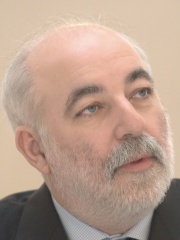
Viktor Vekselberg
BUSINESSPERSON
1957 - heute
HPI: 60.02
Rang: 154

Hansi Müller
SOCCER PLAYER
1957 - heute
HPI: 59.93
Rang: 155

Kevin Rudd
POLITICIAN
1957 - heute
HPI: 59.93
Rang: 156
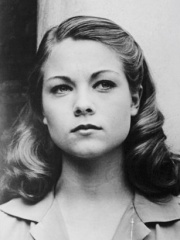
Theresa Russell
ACTOR
1957 - heute
HPI: 59.75
Rang: 157

Bernie Mac
COMEDIAN
1957 - 2008
HPI: 59.73
Rang: 158

Salim Idris
POLITICIAN
1957 - heute
HPI: 59.73
Rang: 159
In Vereinigte Staaten
Unter den in Vereinigte Staaten Geborenen belegt Nikos Galis Rang 4,518 von 23,232. Vor ihm stehen Tonya Harding (1970), Stan Winston (1946), Larry Niven (1938), Terry Funk (1944), Gore Verbinski (1964), und Evelyn Berezin (1925). Nach ihm folgen Dorothy McGuire (1916), Jim Rohn (1930), Lori Lightfoot (1962), Richard E. Bellman (1920), Jonathan Franzen (1959), und David Cassidy (1950).
Weitere in Vereinigte Staaten geborene Personen
Zu allen Ranglisten
Tonya Harding
SKATER
1970 - heute
HPI: 60.08
Rang: 4,512
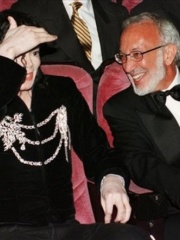
Stan Winston
FILM DIRECTOR
1946 - 2008
HPI: 60.08
Rang: 4,513
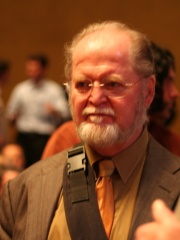
Larry Niven
WRITER
1938 - heute
HPI: 60.08
Rang: 4,514
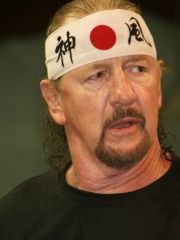
Terry Funk
WRESTLER
1944 - 2023
HPI: 60.07
Rang: 4,515
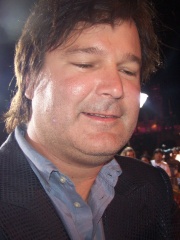
Gore Verbinski
FILM DIRECTOR
1964 - heute
HPI: 60.07
Rang: 4,516

Evelyn Berezin
COMPUTER SCIENTIST
1925 - 2018
HPI: 60.07
Rang: 4,517
Nikos Galis
BASKETBALL PLAYER
1957 - heute
HPI: 60.07
Rang: 4,518

Dorothy McGuire
ACTOR
1916 - 2001
HPI: 60.07
Rang: 4,519
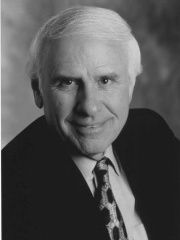
Jim Rohn
WRITER
1930 - 2009
HPI: 60.06
Rang: 4,520
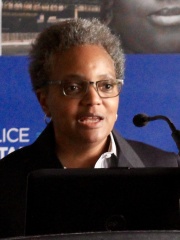
Lori Lightfoot
POLITICIAN
1962 - heute
HPI: 60.06
Rang: 4,521
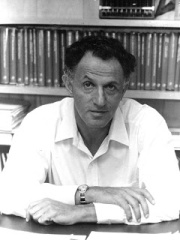
Richard E. Bellman
MATHEMATICIAN
1920 - 1984
HPI: 60.06
Rang: 4,522

Jonathan Franzen
WRITER
1959 - heute
HPI: 60.06
Rang: 4,523
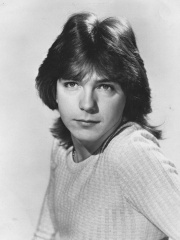
David Cassidy
ACTOR
1950 - 2017
HPI: 60.06
Rang: 4,524
Unter Basketballspieler in Vereinigte Staaten
Unter den in Vereinigte Staaten geborenen Basketballspieler belegt Nikos Galis Rang 39. Vor ihm stehen Ben Wallace (1974), Bob Pettit (1932), George Mikan (1924), Anthony Davis (1993), Bob Cousy (1928), und John Havlicek (1940). Nach ihm folgen Moses Malone (1955), Byron Scott (1961), John Stockton (1962), Metta World Peace (1979), Red Auerbach (1917), und Pete Maravich (1947).
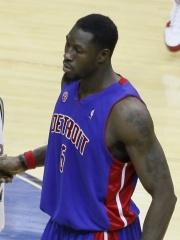
Ben Wallace
1974 - heute
HPI: 60.91
Rang: 33
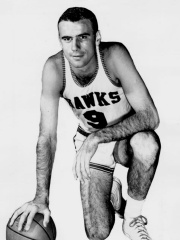
Bob Pettit
1932 - heute
HPI: 60.75
Rang: 34
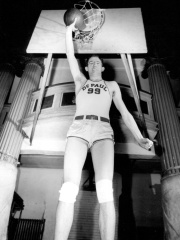
George Mikan
1924 - 2005
HPI: 60.56
Rang: 35
Anthony Davis
1993 - heute
HPI: 60.18
Rang: 36
Bob Cousy
1928 - heute
HPI: 60.18
Rang: 37
John Havlicek
1940 - 2019
HPI: 60.17
Rang: 38
Nikos Galis
1957 - heute
HPI: 60.07
Rang: 39
Moses Malone
1955 - 2015
HPI: 60.05
Rang: 40
Byron Scott
1961 - heute
HPI: 60.01
Rang: 41
John Stockton
1962 - heute
HPI: 59.87
Rang: 42
Metta World Peace
1979 - heute
HPI: 59.73
Rang: 43
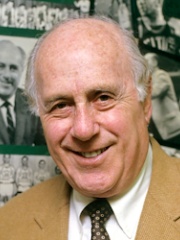
Red Auerbach
1917 - 2006
HPI: 58.99
Rang: 44

Pete Maravich
1947 - 1988
HPI: 58.98
Rang: 45




