Labdarúgó
Nery Pumpido
1957 - napjainkig
HU.WIKIPEDIA PAGE VIEWS (PV)
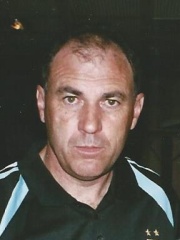
 Nery Pumpido
Életrajza 35 különböző nyelven érhető el a Wikipédián (növekedés 34-ről 2024-ben). Nery Pumpido a 1,268th legnépszerűbb labdarúgó (csökkenés a 1,162nd-ről 2024-ben), a 202nd legnépszerűbb életrajz Argentína országából (növekedés a 204th-ről 2019-ben) és a 78th legnépszerűbb Argentínaból labdarúgó.
Memorability Metrics
76k
Page Views
Past 12 months
60.58
HPI
Historical Popularity Index
Page views of Nery Pumpido by language
Among Labdarúgó
Among labdarúgó, Nery Pumpido ranks 1,265 out of 21,273. Before him are Leonardo Bonucci, Samir Handanović, Paulo Cézar Caju, Knut Nordahl, Mario Götze, and Masakatsu Miyamoto. After him are Kuniya Daini, Fernando Couto, Daniele De Rossi, Oscar, Bora Kostić, and Jean-Marc Bosman.
Most Popular Labdarúgó in Wikipedia
Go to all Rankings
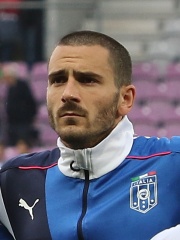
Leonardo Bonucci
1987 - Present
HPI: 60.60
Rank: 1,262
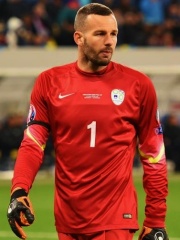
Samir Handanović
1984 - Present
HPI: 60.60
Rank: 1,263
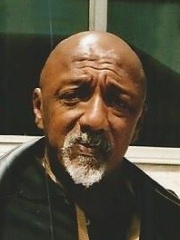
Paulo Cézar Caju
1949 - Present
HPI: 60.60
Rank: 1,264
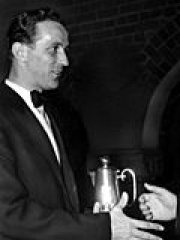
Knut Nordahl
1920 - 1984
HPI: 60.59
Rank: 1,265
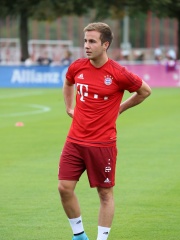
Mario Götze
1992 - Present
HPI: 60.59
Rank: 1,266

Masakatsu Miyamoto
1938 - 2002
HPI: 60.58
Rank: 1,267
Nery Pumpido
1957 - Present
HPI: 60.58
Rank: 1,268
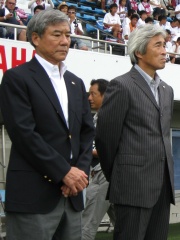
Kuniya Daini
1944 - Present
HPI: 60.57
Rank: 1,269
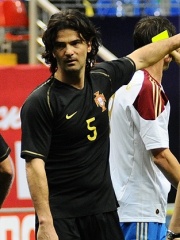
Fernando Couto
1969 - Present
HPI: 60.57
Rank: 1,270
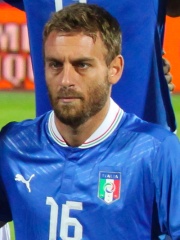
Daniele De Rossi
1983 - Present
HPI: 60.56
Rank: 1,271
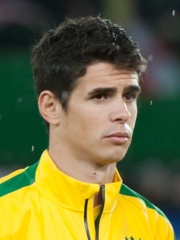
Oscar
1991 - Present
HPI: 60.55
Rank: 1,272
Bora Kostić
1930 - 2011
HPI: 60.55
Rank: 1,273
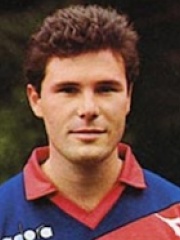
Jean-Marc Bosman
1964 - Present
HPI: 60.55
Rank: 1,274

Contemporaries
Among people born in 1957, Nery Pumpido ranks 141. Before him are Patrick Battiston, Bret Hart, Monte Melkonian, Dan Castellaneta, María Conchita Alonso, and Robert Sapolsky. After him are Zhao Leji, Mark Gordon, Mary Bell, Jaco Van Dormael, Marc Platt, and John Lasseter.
Others Born in 1957
Go to all Rankings
Patrick Battiston
SOCCER PLAYER
1957 - Present
HPI: 60.89
Rank: 135
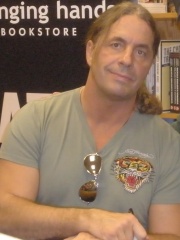
Bret Hart
WRESTLER
1957 - Present
HPI: 60.87
Rank: 136
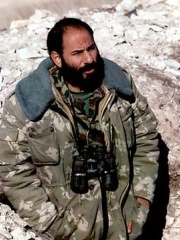
Monte Melkonian
MILITARY PERSONNEL
1957 - 1993
HPI: 60.83
Rank: 137
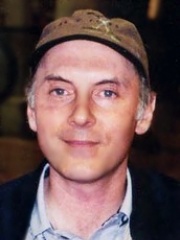
Dan Castellaneta
ACTOR
1957 - Present
HPI: 60.81
Rank: 138
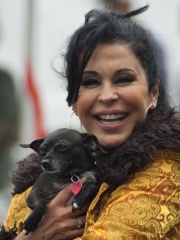
María Conchita Alonso
ACTOR
1957 - Present
HPI: 60.77
Rank: 139
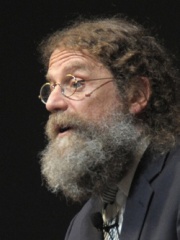
Robert Sapolsky
BIOLOGIST
1957 - Present
HPI: 60.65
Rank: 140
Nery Pumpido
SOCCER PLAYER
1957 - Present
HPI: 60.58
Rank: 141
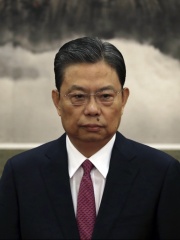
Zhao Leji
POLITICIAN
1957 - Present
HPI: 60.53
Rank: 142

Mark Gordon
POLITICIAN
1957 - Present
HPI: 60.53
Rank: 143
Mary Bell
EXTREMIST
1957 - Present
HPI: 60.49
Rank: 144
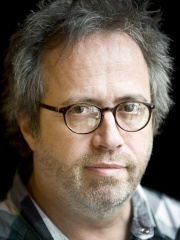
Jaco Van Dormael
FILM DIRECTOR
1957 - Present
HPI: 60.41
Rank: 145

Marc Platt
PRODUCER
1957 - Present
HPI: 60.27
Rank: 146
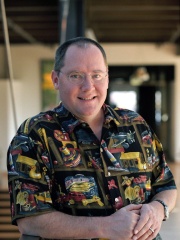
John Lasseter
FILM DIRECTOR
1957 - Present
HPI: 60.25
Rank: 147
In Argentína
Among people born in Argentína, Nery Pumpido ranks 202 out of NaN. Before him are José Bonaparte (1928), Mauro Icardi (1993), Oscar Bonavena (1942), Juan Gelman (1930), Pedro Pablo Ramírez (1884), and Cecilia Roth (1956). After him are Francisco Moreno (1852), Carlos Pellegrini (1846), Jorge Olguín (1952), Alejandro de Tomaso (1928), Manuel Blanco Encalada (1790), and Julián Alvarez (2000).
Others born in Argentína
Go to all Rankings
José Bonaparte
ARCHAEOLOGIST
1928 - 2020
HPI: 60.72
Rank: 196
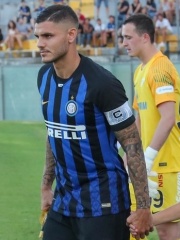
Mauro Icardi
SOCCER PLAYER
1993 - Present
HPI: 60.69
Rank: 197
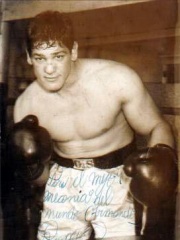
Oscar Bonavena
BOXER
1942 - 1976
HPI: 60.63
Rank: 198
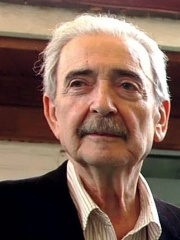
Juan Gelman
WRITER
1930 - 2014
HPI: 60.62
Rank: 199
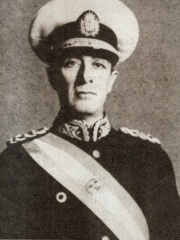
Pedro Pablo Ramírez
POLITICIAN
1884 - 1962
HPI: 60.60
Rank: 200

Cecilia Roth
ACTOR
1956 - Present
HPI: 60.59
Rank: 201
Nery Pumpido
SOCCER PLAYER
1957 - Present
HPI: 60.58
Rank: 202
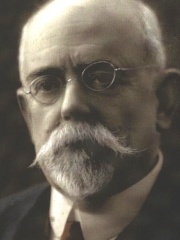
Francisco Moreno
EXPLORER
1852 - 1919
HPI: 60.57
Rank: 203
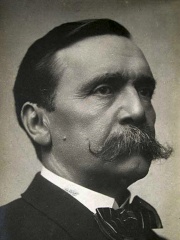
Carlos Pellegrini
POLITICIAN
1846 - 1906
HPI: 60.56
Rank: 204
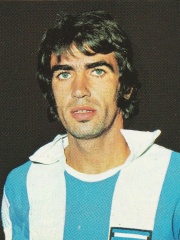
Jorge Olguín
SOCCER PLAYER
1952 - Present
HPI: 60.51
Rank: 205
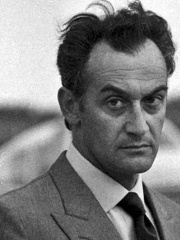
Alejandro de Tomaso
RACING DRIVER
1928 - 2003
HPI: 60.40
Rank: 206
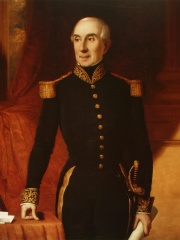
Manuel Blanco Encalada
POLITICIAN
1790 - 1876
HPI: 60.37
Rank: 207
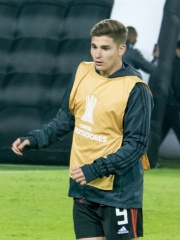
Julián Alvarez
SOCCER PLAYER
2000 - Present
HPI: 60.30
Rank: 208
Among Labdarúgó In Argentína
Among labdarúgó born in Argentína, Nery Pumpido ranks 78. Before him are Carmelo Simeone (1934), Walter Samuel (1978), Alberto Tarantini (1955), Carlos Pachamé (1944), José Luis Brown (1956), and Mauro Icardi (1993). After him are Jorge Olguín (1952), Julián Alvarez (2000), Silvio Marzolini (1940), Adolfo Zumelzú (1902), Juan Evaristo (1902), and Francisco Olazar (1885).
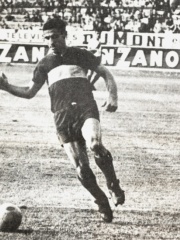
Carmelo Simeone
1934 - 2014
HPI: 60.97
Rank: 72
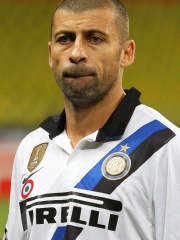
Walter Samuel
1978 - Present
HPI: 60.87
Rank: 73
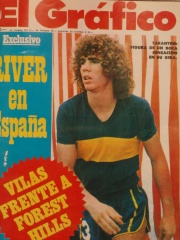
Alberto Tarantini
1955 - Present
HPI: 60.87
Rank: 74
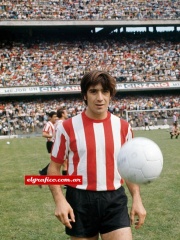
Carlos Pachamé
1944 - Present
HPI: 60.84
Rank: 75
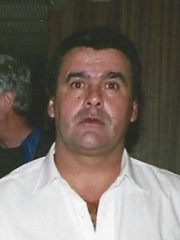
José Luis Brown
1956 - 2019
HPI: 60.79
Rank: 76
Mauro Icardi
1993 - Present
HPI: 60.69
Rank: 77
Nery Pumpido
1957 - Present
HPI: 60.58
Rank: 78
Jorge Olguín
1952 - Present
HPI: 60.51
Rank: 79
Julián Alvarez
2000 - Present
HPI: 60.30
Rank: 80
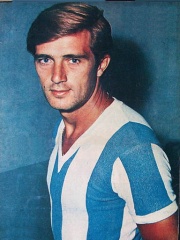
Silvio Marzolini
1940 - 2020
HPI: 60.29
Rank: 81
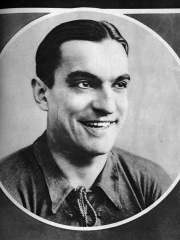
Adolfo Zumelzú
1902 - 1973
HPI: 60.27
Rank: 82
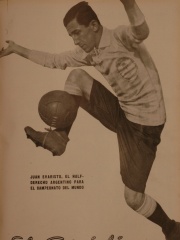
Juan Evaristo
1902 - 1978
HPI: 60.27
Rank: 83
Francisco Olazar
1885 - 1958
HPI: 60.26
Rank: 84




