Militair
Márcio Melo
1906 - 1991

 Márcio Melo
Zijn biografie is beschikbaar in 15 verschillende talen op Wikipedia. Márcio Melo staat op plaats 1.895 onder de meest populaire militair (gedaald van plaats 1.840 in 2024), plaats 654 onder de meest populaire biografieën uit Brazilië (gedaald van plaats 624 in 2019) en op plaats 4 onder de populairste militair uit Brazilië.
Bekendheidsstatistieken
9.0k
Paginaweergaven
Afgelopen 12 maanden
54.99
HPI
Historische populariteitsindex
Data-inzichten
15
De biografie van Márcio Melo beslaat 15 taalversies van Wikipedia en behaalt een Historische Populariteitsindex van 54.99.
Paginaweergaven van Márcio Melo per taal
Onder Militair
Onder Militair staat Márcio Melo op plaats 1,895 van 2,188. Vóór hem staan Perseus, Kim Chwajin, Alexandros Othonaios, Harry Crerar, Francis Pegahmagabow, en Christopher Cradock. Na hem komen Scott Ritter, Yakov Kulnev, Olha Ilkiv, John F. Reynolds, Yevdokiya Bershanskaya, en Adrianos Komnenos.
Populairste Militair op Wikipedia
Naar alle ranglijsten

Perseus
HPI: 55.10
Plaats: 1,889
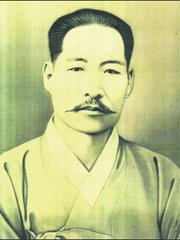
Kim Chwajin
1889 - 1930
HPI: 55.09
Plaats: 1,890
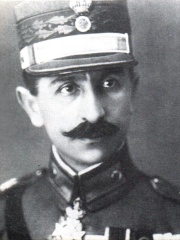
Alexandros Othonaios
1879 - 1970
HPI: 55.02
Plaats: 1,891
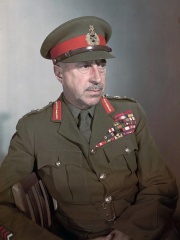
Harry Crerar
1888 - 1965
HPI: 55.02
Plaats: 1,892
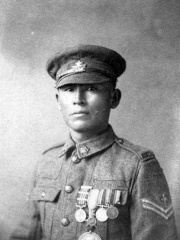
Francis Pegahmagabow
1891 - 1952
HPI: 55.02
Plaats: 1,893
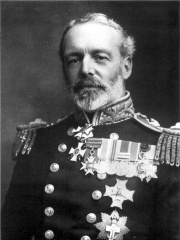
Christopher Cradock
1862 - 1914
HPI: 55.02
Plaats: 1,894
Márcio Melo
1906 - 1991
HPI: 54.99
Plaats: 1,895
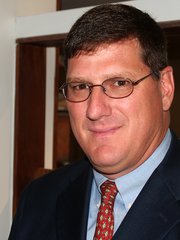
Scott Ritter
1961 - heden
HPI: 54.98
Plaats: 1,896
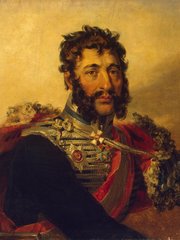
Yakov Kulnev
1763 - 1812
HPI: 54.96
Plaats: 1,897
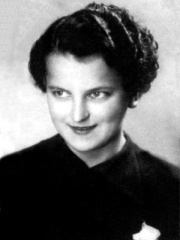
Olha Ilkiv
1920 - 2021
HPI: 54.93
Plaats: 1,898
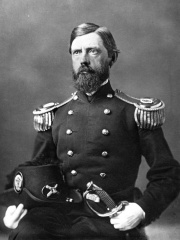
John F. Reynolds
1820 - 1863
HPI: 54.92
Plaats: 1,899
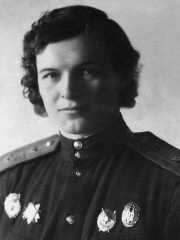
Yevdokiya Bershanskaya
1913 - 1982
HPI: 54.91
Plaats: 1,900
Adrianos Komnenos
HPI: 54.90
Plaats: 1,901

Tijdgenoten
Onder de mensen geboren in 1906 staat Márcio Melo op plaats 332. Vóór hem staan Jean Dréville, Erna Bogen-Bogáti, Bengt Edlén, Gustav Schäfer, Márton Homonnai, en Alberto Denegri. Na hem komen Henry Roth, Ludwig Lachmann, Sara Ashurbeyli, Paul Winter, Benjamin Mazar, en Franco Comotti. Onder de mensen overleden in 1991 staat Márcio Melo op plaats 210. Vóór hem staan Adãozinho, Gustav Schäfer, Fiorenzo Marini, David Marshall Lang, Giacomo Mari, en G. Evelyn Hutchinson. Na hem komen Bruno Venturini, Mildred Dunnock, Robin Hill, James Franciscus, Inga Gentzel, en Zośka Vieras.
Anderen geboren in 1906
Naar alle ranglijsten
Jean Dréville
FILM DIRECTOR
1906 - 1997
HPI: 55.24
Plaats: 326
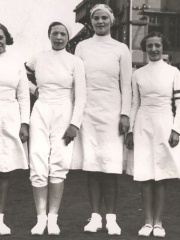
Erna Bogen-Bogáti
FENCER
1906 - 2002
HPI: 55.21
Plaats: 327
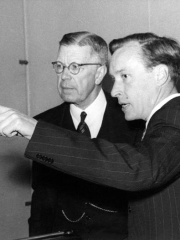
Bengt Edlén
PHYSICIST
1906 - 1993
HPI: 55.19
Plaats: 328

Gustav Schäfer
ATHLETE
1906 - 1991
HPI: 55.14
Plaats: 329
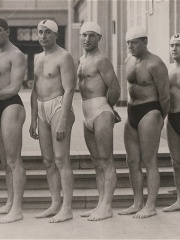
Márton Homonnai
ATHLETE
1906 - 1969
HPI: 55.12
Plaats: 330

Alberto Denegri
SOCCER PLAYER
1906 - 1973
HPI: 55.04
Plaats: 331
Márcio Melo
MILITARY PERSONNEL
1906 - 1991
HPI: 54.99
Plaats: 332
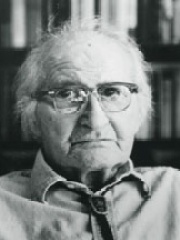
Henry Roth
WRITER
1906 - 1995
HPI: 54.98
Plaats: 333
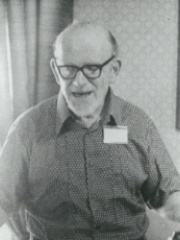
Ludwig Lachmann
ECONOMIST
1906 - 1990
HPI: 54.83
Plaats: 334

Sara Ashurbeyli
HISTORIAN
1906 - 2001
HPI: 54.82
Plaats: 335
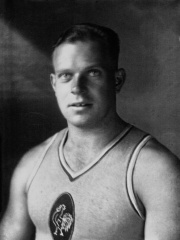
Paul Winter
ATHLETE
1906 - 1992
HPI: 54.81
Plaats: 336
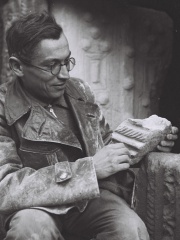
Benjamin Mazar
HISTORIAN
1906 - 1995
HPI: 54.70
Plaats: 337

Franco Comotti
POLITICIAN
1906 - 1963
HPI: 54.68
Plaats: 338
Anderen overleden in 1991
Naar alle ranglijsten
Adãozinho
SOCCER PLAYER
1923 - 1991
HPI: 55.14
Plaats: 204
Gustav Schäfer
ATHLETE
1906 - 1991
HPI: 55.14
Plaats: 205
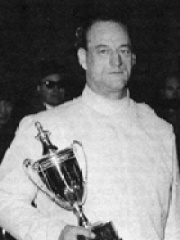
Fiorenzo Marini
ATHLETE
1914 - 1991
HPI: 55.14
Plaats: 206

David Marshall Lang
HISTORIAN
1924 - 1991
HPI: 55.11
Plaats: 207
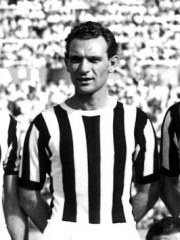
Giacomo Mari
SOCCER PLAYER
1924 - 1991
HPI: 55.10
Plaats: 208
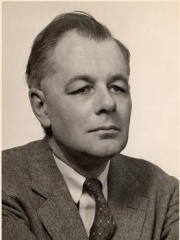
G. Evelyn Hutchinson
BIOLOGIST
1903 - 1991
HPI: 55.07
Plaats: 209
Márcio Melo
MILITARY PERSONNEL
1906 - 1991
HPI: 54.99
Plaats: 210

Bruno Venturini
SOCCER PLAYER
1911 - 1991
HPI: 54.85
Plaats: 211
Mildred Dunnock
ACTOR
1901 - 1991
HPI: 54.82
Plaats: 212
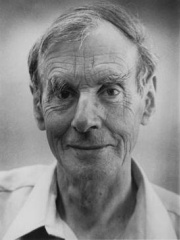
Robin Hill
CHEMIST
1899 - 1991
HPI: 54.64
Plaats: 213
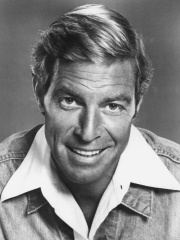
James Franciscus
ACTOR
1934 - 1991
HPI: 54.61
Plaats: 214
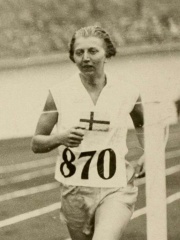
Inga Gentzel
ATHLETE
1908 - 1991
HPI: 54.56
Plaats: 215
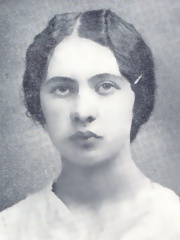
Zośka Vieras
WRITER
1892 - 1991
HPI: 54.53
Plaats: 216
In Brazilië
Onder de mensen geboren in Brazilië staat Márcio Melo op plaats 654 van 2,779. Vóór hem staan Alex Telles (1992), Nariz (1912), Marcelinho Carioca (1971), Betinho (1966), Walter (1912), en Toninho (1948). Na hem komen Joel Santana (1948), Luiz Vinhaes (1896), Luiz Gervazoni (1907), Kiko Loureiro (1972), Alex Sandro (1991), en Lori Sandri (1949).
Anderen geboren in Brazilië
Naar alle ranglijsten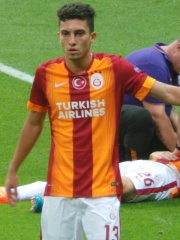
Alex Telles
SOCCER PLAYER
1992 - heden
HPI: 55.11
Plaats: 648

Nariz
SOCCER PLAYER
1912 - 1984
HPI: 55.05
Plaats: 649
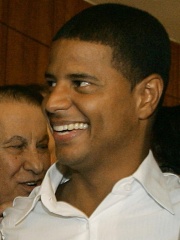
Marcelinho Carioca
SOCCER PLAYER
1971 - heden
HPI: 55.04
Plaats: 650

Betinho
COACH
1966 - heden
HPI: 55.04
Plaats: 651

Walter
SOCCER PLAYER
1912 - 1951
HPI: 55.01
Plaats: 652

Toninho
SOCCER PLAYER
1948 - 1999
HPI: 55.00
Plaats: 653
Márcio Melo
MILITARY PERSONNEL
1906 - 1991
HPI: 54.99
Plaats: 654

Joel Santana
SOCCER PLAYER
1948 - heden
HPI: 54.99
Plaats: 655
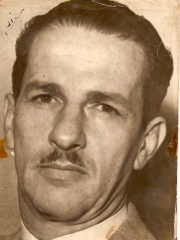
Luiz Vinhaes
SOCCER PLAYER
1896 - 1960
HPI: 54.97
Plaats: 656

Luiz Gervazoni
SOCCER PLAYER
1907 - 1964
HPI: 54.97
Plaats: 657

Kiko Loureiro
MUSICIAN
1972 - heden
HPI: 54.96
Plaats: 658
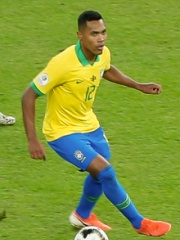
Alex Sandro
SOCCER PLAYER
1991 - heden
HPI: 54.95
Plaats: 659

Lori Sandri
COACH
1949 - 2014
HPI: 54.95
Plaats: 660
Onder Militair in Brazilië
Onder Militair geboren in Brazilië staat Márcio Melo op plaats 4. Vóór hem staan Cândido Rondon (1865), Maria Quitéria (1792), en Aurélio de Lira Tavares (1905).
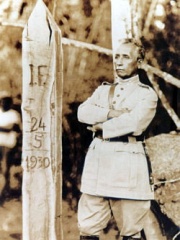
Cândido Rondon
1865 - 1958
HPI: 59.18
Plaats: 1
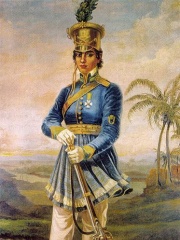
Maria Quitéria
1792 - 1853
HPI: 58.44
Plaats: 2

Aurélio de Lira Tavares
1905 - 1998
HPI: 55.67
Plaats: 3
Márcio Melo
1906 - 1991
HPI: 54.99
Plaats: 4




