Figura religiosa
Maudgalyayana
568 BC - 484 BC
VISITAS EN ES.WIKIPEDIA (PV)
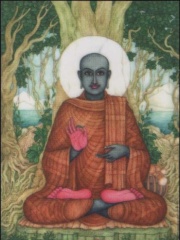
 Maudgalyayana
Su biografía está disponible en 37 idiomas en Wikipedia (aumentó de 36 en 2024). Maudgalyayana ocupa el puesto 650 entre los figura religiosa más populares (bajó del puesto 646 en 2024), el puesto 94 entre las biografías más populares de India (bajó del puesto 77 en 2019) y el puesto 6 entre los figura religiosa de india más populares.
Métricas de memorabilidad
100k
Visitas
Últimos 12 meses
71.51
HPI
Índice de Popularidad Histórica
Datos destacados
#94 / 2,312
Maudgalyayana ocupa el puesto n.º 94 entre las 2,312 personas de Pantheon nacidas en India, dentro del 5 % más destacado del grupo.
Visitas a la página de Maudgalyayana por idioma
Entre Figura religiosa
Entre Figura religiosa, Maudgalyayana ocupa el puesto 650 de 3,189. Antes de él están Angela Merici, Pope Adrian IV, Gamaliel, Umm Kulthum bint Ali, Junayd of Baghdad, y Henry Molaison. Después de él están Baal Shem Tov, Ramla bint Abi Sufyan, Kateri Tekakwitha, Antipope Clement VII, Philemon, y Peter Lombard.
Figura religiosa más populares en Wikipedia
Ver todas las clasificaciones

Angela Merici
1474 - 1540
HPI: 71.57
Puesto: 644
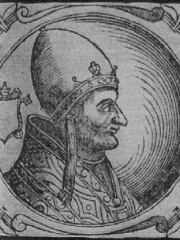
Pope Adrian IV
1100 - 1159
HPI: 71.56
Puesto: 645

Gamaliel
100 a. C. - 63
HPI: 71.56
Puesto: 646
Umm Kulthum bint Ali
630 - presente
HPI: 71.56
Puesto: 647
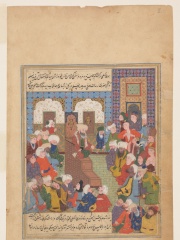
Junayd of Baghdad
830 - 910
HPI: 71.53
Puesto: 648

Henry Molaison
1926 - 2008
HPI: 71.53
Puesto: 649
Maudgalyayana
568 a. C. - 484 a. C.
HPI: 71.51
Puesto: 650
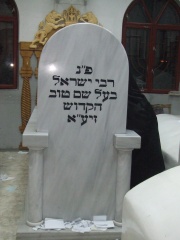
Baal Shem Tov
1700 - 1760
HPI: 71.50
Puesto: 651

Ramla bint Abi Sufyan
594 - 666
HPI: 71.49
Puesto: 652
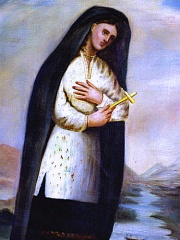
Kateri Tekakwitha
1656 - 1680
HPI: 71.48
Puesto: 653
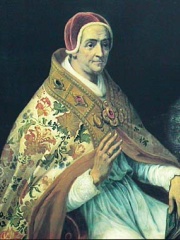
Antipope Clement VII
1342 - 1394
HPI: 71.48
Puesto: 654

Philemon
100 - 68
HPI: 71.46
Puesto: 655
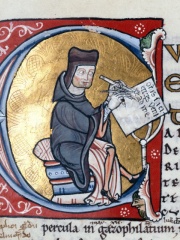
Peter Lombard
1096 - 1160
HPI: 71.43
Puesto: 656

Contemporáneos
Entre las personas nacidas en 568 BC, Maudgalyayana ocupa el puesto 2. Antes de él está Sariputta. Entre las personas fallecidas en 484 BC, Maudgalyayana ocupa el puesto 2. Antes de él está Sariputta.
Otras personas nacidas en 568 BC
Ver todas las clasificaciones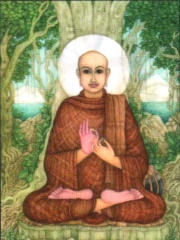
Sariputta
POLITICIAN
568 a. C. - 484 a. C.
HPI: 74.70
Puesto: 1
Maudgalyayana
RELIGIOUS FIGURE
568 a. C. - 484 a. C.
HPI: 71.51
Puesto: 2
Otras personas fallecidas en 484 BC
Ver todas las clasificacionesSariputta
POLITICIAN
568 a. C. - 484 a. C.
HPI: 74.70
Puesto: 1
Maudgalyayana
RELIGIOUS FIGURE
568 a. C. - 484 a. C.
HPI: 71.51
Puesto: 2
En India
Entre las personas nacidas en India, Maudgalyayana ocupa el puesto 94 de 2,312. Antes de él están Mohammed Nadir Shah (1883), Jahangir (1569), William Makepeace Thackeray (1811), Priyanka Chopra (1982), Augustus De Morgan (1806), y Paramahansa Yogananda (1893). Después de él están Aśvaghoṣa (80), Sri Aurobindo (1872), Meera (1498), N. R. Narayana Murthy (1946), Ramana Maharshi (1879), y Mahākāśyapa (-550).
Otras personas nacidas en India
Ver todas las clasificaciones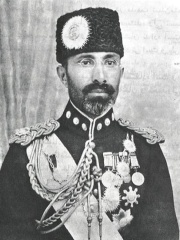
Mohammed Nadir Shah
POLITICIAN
1883 - 1933
HPI: 71.80
Puesto: 88
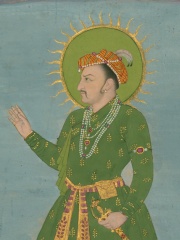
Jahangir
POLITICIAN
1569 - 1627
HPI: 71.76
Puesto: 89
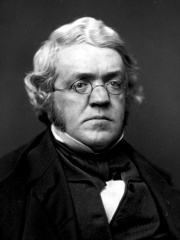
William Makepeace Thackeray
WRITER
1811 - 1863
HPI: 71.73
Puesto: 90

Priyanka Chopra
ACTOR
1982 - presente
HPI: 71.72
Puesto: 91
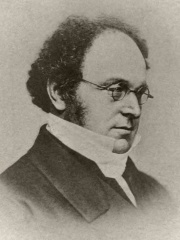
Augustus De Morgan
MATHEMATICIAN
1806 - 1871
HPI: 71.69
Puesto: 92
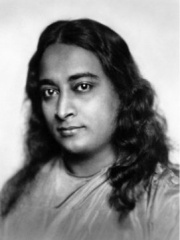
Paramahansa Yogananda
PHILOSOPHER
1893 - 1952
HPI: 71.62
Puesto: 93
Maudgalyayana
RELIGIOUS FIGURE
568 a. C. - 484 a. C.
HPI: 71.51
Puesto: 94
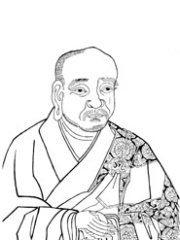
Aśvaghoṣa
PHILOSOPHER
80 - 150
HPI: 71.30
Puesto: 95
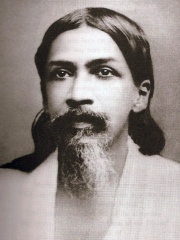
Sri Aurobindo
PHILOSOPHER
1872 - 1950
HPI: 71.21
Puesto: 96

Meera
WRITER
1498 - 1546
HPI: 71.21
Puesto: 97

N. R. Narayana Murthy
BUSINESSPERSON
1946 - presente
HPI: 71.20
Puesto: 98
Ramana Maharshi
PHILOSOPHER
1879 - 1950
HPI: 71.16
Puesto: 99

Mahākāśyapa
RELIGIOUS FIGURE
550 a. C. - 549 a. C.
HPI: 71.13
Puesto: 100
Entre Figura religiosa en India
Entre Figura religiosa nacidos en India, Maudgalyayana ocupa el puesto 6. Antes de él están Mahavira (-599), Ānanda (-600), A. C. Bhaktivedanta Swami Prabhupada (1896), Sathya Sai Baba (1926), y Guru Gobind Singh (1666). Después de él están Mahākāśyapa (-550), Dayananda Saraswati (1824), Chaitanya Mahaprabhu (1486), Swami Sri Yukteswar Giri (1855), Mirza Ghulam Ahmad (1835), y Radha (null).
Mahavira
599 a. C. - 527 a. C.
HPI: 81.77
Puesto: 1

Ānanda
600 a. C. - 500 a. C.
HPI: 78.77
Puesto: 2
A. C. Bhaktivedanta Swami Prabhupada
1896 - 1977
HPI: 77.86
Puesto: 3
Sathya Sai Baba
1926 - 2011
HPI: 75.23
Puesto: 4
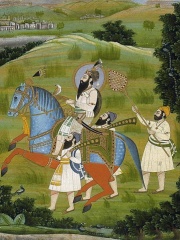
Guru Gobind Singh
1666 - 1708
HPI: 73.68
Puesto: 5
Maudgalyayana
568 a. C. - 484 a. C.
HPI: 71.51
Puesto: 6
Mahākāśyapa
550 a. C. - 549 a. C.
HPI: 71.13
Puesto: 7
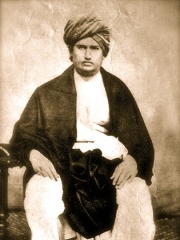
Dayananda Saraswati
1824 - 1883
HPI: 70.37
Puesto: 8

Chaitanya Mahaprabhu
1486 - 1534
HPI: 70.26
Puesto: 9
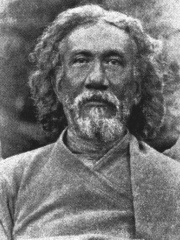
Swami Sri Yukteswar Giri
1855 - 1936
HPI: 69.76
Puesto: 10
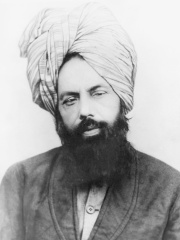
Mirza Ghulam Ahmad
1835 - 1908
HPI: 69.56
Puesto: 11
Radha
HPI: 69.21
Puesto: 12




