探検家
Matvei Gedenshtrom
1780 - 1845
JA.WIKIPEDIA ページビュー (PV)
 Matvei Gedenshtrom
知名度指標
3.0k
ページビュー
過去12か月
57.90
HPI
歴史的人気指数
データインサイト
15
Matvei Gedenshtromの伝記はウィキペディアの15言語版に掲載され、歴史的人気指数は57.90です。
Matvei Gedenshtromの言語別ページビュー
探検家の中で
探検家の中で、Matvei Gedenshtromは500人中358位です。 彼より上位:Robert Hermann Schomburgk, Pyotr Anjou, Carl Peters, Humphrey Gilbert, Elisha Kent Kane, 、Édouard-Alfred Martel. 彼より下位:Albert von Le Coq, Friedrich Gerhard Rohlfs, Edward S. Curtis, Theodor von Heuglin, Pierre Le Moyne d'Iberville, 、Piet Retief.
ウィキペディアで最も人気のある探検家
すべてのランキングを見る
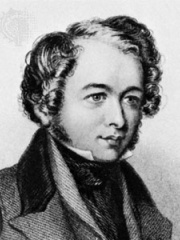
Robert Hermann Schomburgk
1804 - 1865
HPI: 58.13
順位: 352
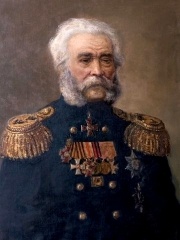
Pyotr Anjou
1796 - 1869
HPI: 58.12
順位: 353
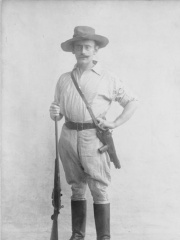
Carl Peters
1856 - 1918
HPI: 58.09
順位: 354
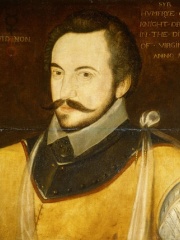
Humphrey Gilbert
1539 - 1583
HPI: 58.07
順位: 355
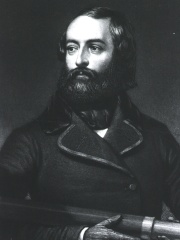
Elisha Kent Kane
1820 - 1857
HPI: 58.05
順位: 356
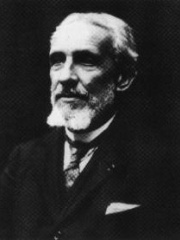
Édouard-Alfred Martel
1859 - 1938
HPI: 57.99
順位: 357

Matvei Gedenshtrom
1780 - 1845
HPI: 57.90
順位: 358
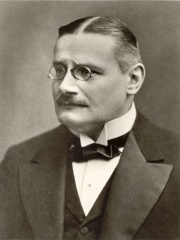
Albert von Le Coq
1860 - 1930
HPI: 57.89
順位: 359
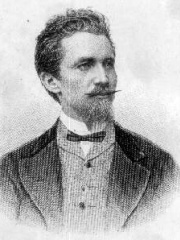
Friedrich Gerhard Rohlfs
1831 - 1896
HPI: 57.89
順位: 360
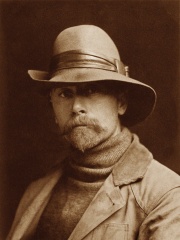
Edward S. Curtis
1868 - 1952
HPI: 57.88
順位: 361
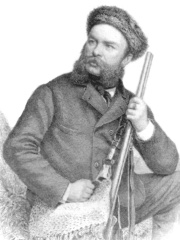
Theodor von Heuglin
1824 - 1876
HPI: 57.86
順位: 362
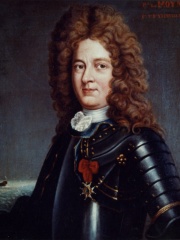
Pierre Le Moyne d'Iberville
1661 - 1706
HPI: 57.81
順位: 363
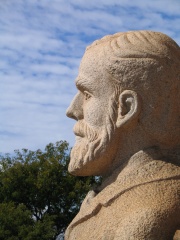
Piet Retief
1780 - 1838
HPI: 57.75
順位: 364

同時代の人物
1780年生まれの人の中で、Matvei Gedenshtromは43位です。 彼より上位:Juana Azurduy de Padilla, Alexey Venetsianov, Henri Braconnot, Fulgencio Yegros, Karoline von Günderrode, 、José Joaquín de Olmedo. 彼より下位:Piet Retief, Elizabeth Fry, Johann Friedrich Adam, Yakov Sannikov, Henry Salt, 、Michele Tenore. 1845年に亡くなった人の中で、Matvei Gedenshtromは32位です。 彼より上位:Rafael Urdaneta, Heinrich von Bellegarde, Amédée Louis Michel le Peletier, comte de Saint-Fargeau, Vincent-Marie Viénot, Count of Vaublanc, Christian Frederik Hansen, 、Antoine Risso. 彼より下位:Johnny Appleseed, Elizabeth Fry, Gregor MacGregor, Philipp Jakob Cretzschmar, Karl Julius Perleb, 、Josef Danhauser.
1780年生まれのその他の人物
すべてのランキングを見る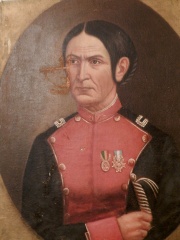
Juana Azurduy de Padilla
MILITARY PERSONNEL
1780 - 1862
HPI: 59.43
順位: 37
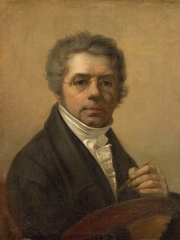
Alexey Venetsianov
PAINTER
1780 - 1847
HPI: 59.10
順位: 38
Henri Braconnot
CHEMIST
1780 - 1855
HPI: 59.01
順位: 39
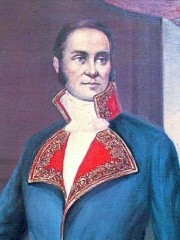
Fulgencio Yegros
POLITICIAN
1780 - 1821
HPI: 58.63
順位: 40
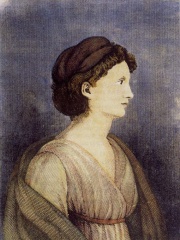
Karoline von Günderrode
WRITER
1780 - 1806
HPI: 58.18
順位: 41
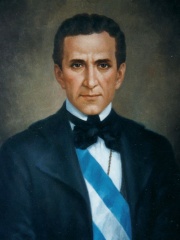
José Joaquín de Olmedo
POLITICIAN
1780 - 1847
HPI: 58.16
順位: 42
Matvei Gedenshtrom
EXPLORER
1780 - 1845
HPI: 57.90
順位: 43
Piet Retief
EXPLORER
1780 - 1838
HPI: 57.75
順位: 44
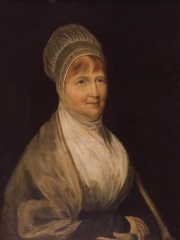
Elizabeth Fry
POLITICIAN
1780 - 1845
HPI: 57.47
順位: 45

Johann Friedrich Adam
BIOLOGIST
1780 - 1832
HPI: 57.31
順位: 46

Yakov Sannikov
EXPLORER
1780 - 1825
HPI: 56.49
順位: 47
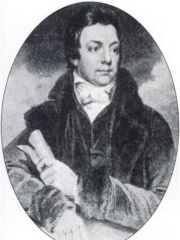
Henry Salt
PAINTER
1780 - 1827
HPI: 56.42
順位: 48
Michele Tenore
BIOLOGIST
1780 - 1861
HPI: 56.31
順位: 49
1845年に亡くなったその他の人物
すべてのランキングを見る
Rafael Urdaneta
POLITICIAN
1788 - 1845
HPI: 60.67
順位: 26
Heinrich von Bellegarde
MILITARY PERSONNEL
1756 - 1845
HPI: 60.45
順位: 27
Amédée Louis Michel le Peletier, comte de Saint-Fargeau
BIOLOGIST
1770 - 1845
HPI: 60.14
順位: 28
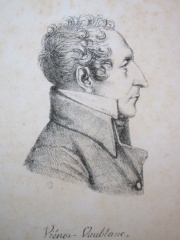
Vincent-Marie Viénot, Count of Vaublanc
POLITICIAN
1756 - 1845
HPI: 60.00
順位: 29
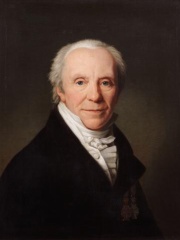
Christian Frederik Hansen
ARCHITECT
1756 - 1845
HPI: 59.35
順位: 30
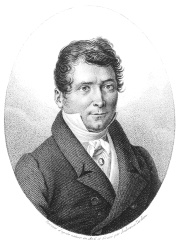
Antoine Risso
BIOLOGIST
1777 - 1845
HPI: 58.92
順位: 31
Matvei Gedenshtrom
EXPLORER
1780 - 1845
HPI: 57.90
順位: 32
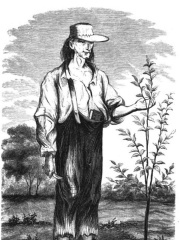
Johnny Appleseed
CELEBRITY
1774 - 1845
HPI: 57.81
順位: 33
Elizabeth Fry
POLITICIAN
1780 - 1845
HPI: 57.47
順位: 34
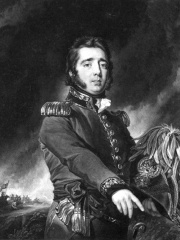
Gregor MacGregor
MILITARY PERSONNEL
1786 - 1845
HPI: 57.04
順位: 35
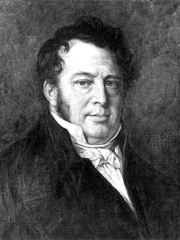
Philipp Jakob Cretzschmar
PHYSICIAN
1786 - 1845
HPI: 57.02
順位: 36

Karl Julius Perleb
BIOLOGIST
1794 - 1845
HPI: 56.84
順位: 37
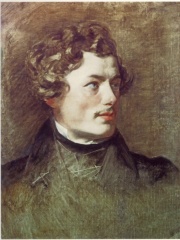
Josef Danhauser
PAINTER
1805 - 1845
HPI: 56.31
順位: 38
ラトビアの中で
ラトビア生まれの人の中で、Matvei Gedenshtromは383人中121位です。 彼より上位:Heinz Christian Pander (1794), Elīna Garanča (1976), Johann Gerhard König (1728), Grzegorz Fitelberg (1879), Jāzeps Vītols (1863), 、Alfrēds Rubiks (1935). 彼より下位:Jānis Daliņš (1904), Hans-Diedrich von Tiesenhausen (1913), Anna Brigadere (1861), Anatoly Solovyev (1948), Māris Kučinskis (1961), 、Augusts Kirhenšteins (1872).
ラトビア生まれのその他の人物
すべてのランキングを見る
Heinz Christian Pander
BIOLOGIST
1794 - 現在
HPI: 58.15
順位: 115

Elīna Garanča
SINGER
1976 - 現在
HPI: 58.11
順位: 116

Johann Gerhard König
BIOLOGIST
1728 - 1785
HPI: 58.09
順位: 117
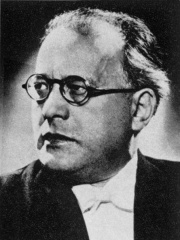
Grzegorz Fitelberg
CONDUCTOR
1879 - 1953
HPI: 58.03
順位: 118
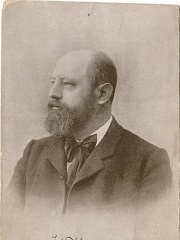
Jāzeps Vītols
COMPOSER
1863 - 1948
HPI: 58.03
順位: 119
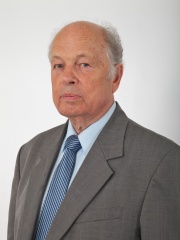
Alfrēds Rubiks
POLITICIAN
1935 - 現在
HPI: 58.00
順位: 120
Matvei Gedenshtrom
EXPLORER
1780 - 1845
HPI: 57.90
順位: 121

Jānis Daliņš
ATHLETE
1904 - 1978
HPI: 57.73
順位: 122
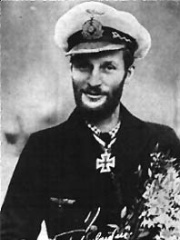
Hans-Diedrich von Tiesenhausen
MILITARY PERSONNEL
1913 - 2000
HPI: 57.63
順位: 123

Anna Brigadere
WRITER
1861 - 1933
HPI: 57.57
順位: 124
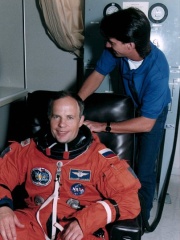
Anatoly Solovyev
ASTRONAUT
1948 - 現在
HPI: 57.51
順位: 125
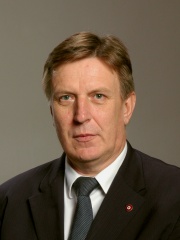
Māris Kučinskis
POLITICIAN
1961 - 現在
HPI: 57.50
順位: 126
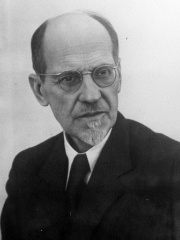
Augusts Kirhenšteins
POLITICIAN
1872 - 1963
HPI: 57.42
順位: 127
ラトビアの探検家の中で
ラトビア生まれの探検家の中で、Matvei Gedenshtromは3位です。 彼より上位:Annie Londonderry (1870), 、Johann Anton Güldenstädt (1745).
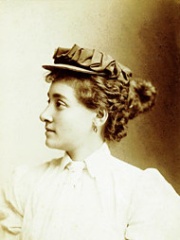
Annie Londonderry
1870 - 1947
HPI: 63.24
順位: 1

Johann Anton Güldenstädt
1745 - 1781
HPI: 63.16
順位: 2
Matvei Gedenshtrom
1780 - 1845
HPI: 57.90
順位: 3




