Historien
Matthew of Edessa
1100 - 1144
PAGES VUES SUR FR.WIKIPEDIA (PV)

 Matthew of Edessa
Sa biographie est disponible en 19 langues sur Wikipédia (en hausse par rapport à 18 en 2024). Matthew of Edessa est le 145th historien le plus populaire (en hausse du 159th en 2024), la 671st biographie la plus populaire de Turquie (en hausse du 712th en 2019), ainsi que le 18th historien de Turquie le plus populaire.
Indicateurs de mémorabilité
13k
Pages vues
12 derniers mois
63.27
HPI
Indice de popularité historique
Faits marquants
44
Malgré une vie de seulement 44 ans, Matthew of Edessa se classe n° 145 parmi tous les Historien de l'histoire.
#24,537
Plus de 8 siècles après sa mort, Matthew of Edessa occupe toujours le rang n° 24,537 parmi toutes les personnalités de Pantheon.
Pages vues de Matthew of Edessa par langue
Parmi les Historien
Parmi les Historien, Matthew of Edessa occupe le rang 145 sur 561. Avant lui viennent William H. McNeill, Vladimir Minorsky, Hieronymus Wolf, Michael Attaleiates, Henry Thomas Buckle, et Helmold. Après lui viennent Johan Rudolph Thorbecke, Evagrius Scholasticus, Richard Pipes, Johann Weikhard von Valvasor, Shlomo Sand, et Jean-Pierre Vernant.
Historien les plus populaires sur Wikipédia
Voir tous les classements
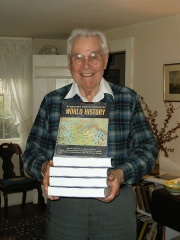
William H. McNeill
1917 - 2016
HPI : 63.90
Rang : 139
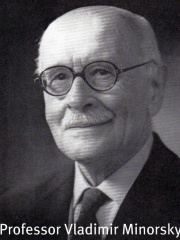
Vladimir Minorsky
1877 - 1966
HPI : 63.78
Rang : 140
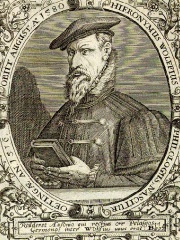
Hieronymus Wolf
1516 - 1580
HPI : 63.69
Rang : 141
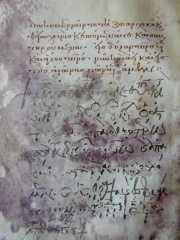
Michael Attaleiates
1021 - 1080
HPI : 63.62
Rang : 142
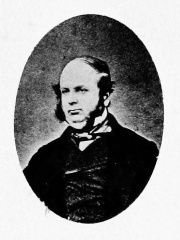
Henry Thomas Buckle
1821 - 1862
HPI : 63.46
Rang : 143
Helmold
1120 - 1177
HPI : 63.37
Rang : 144
Matthew of Edessa
1100 - 1144
HPI : 63.27
Rang : 145
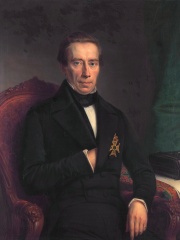
Johan Rudolph Thorbecke
1798 - 1872
HPI : 63.26
Rang : 146

Evagrius Scholasticus
536 - 594
HPI : 63.17
Rang : 147
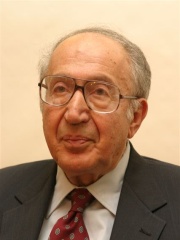
Richard Pipes
1923 - 2018
HPI : 63.16
Rang : 148
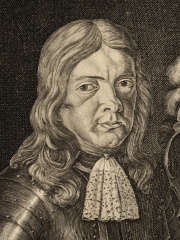
Johann Weikhard von Valvasor
1641 - 1693
HPI : 63.15
Rang : 149
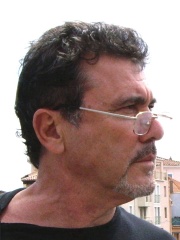
Shlomo Sand
1946 - présent
HPI : 63.14
Rang : 150

Jean-Pierre Vernant
1914 - 2007
HPI : 63.13
Rang : 151

Contemporains
Parmi les personnes nées en 1100, Matthew of Edessa occupe le rang 47. Avant lui viennent Gorakhnath, Antipope Theodoric, Igor II of Kiev, Abu Bakr ibn Umar, Bretislav II, et Antipope Sylvester IV. Après lui viennent John Xiphilinus, Leo I, Prince of Armenia, Herman of Carinthia, Thoros of Edessa, Peter Bartholomew, et Vitale Faliero. Parmi les personnes décédées en 1144, Matthew of Edessa occupe le rang 3. Avant lui viennent Pope Celestine II, et Al-Zamakhshari. Après lui viennent Berenguer Ramon, Count of Provence, et Salomea of Berg.
Autres personnes nées en 1100
Voir tous les classements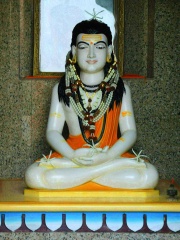
Gorakhnath
PHILOSOPHER
1100 - 1200
HPI : 63.78
Rang : 41

Antipope Theodoric
RELIGIOUS FIGURE
1100 - 1102
HPI : 63.74
Rang : 42
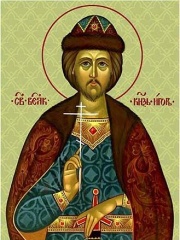
Igor II of Kiev
POLITICIAN
1100 - 1147
HPI : 63.70
Rang : 43
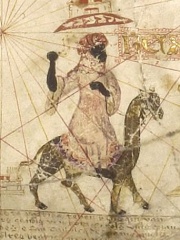
Abu Bakr ibn Umar
MILITARY PERSONNEL
1100 - 1088
HPI : 63.66
Rang : 44
Bretislav II
POLITICIAN
1100 - 1100
HPI : 63.58
Rang : 45

Antipope Sylvester IV
RELIGIOUS FIGURE
1100 - 1111
HPI : 63.29
Rang : 46
Matthew of Edessa
HISTORIAN
1100 - 1144
HPI : 63.27
Rang : 47

John Xiphilinus
RELIGIOUS FIGURE
1100 - présent
HPI : 63.23
Rang : 48

Leo I, Prince of Armenia
POLITICIAN
1100 - 1140
HPI : 63.12
Rang : 49
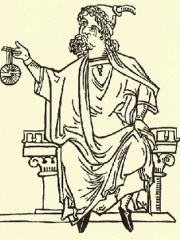
Herman of Carinthia
PHILOSOPHER
1100 - 1160
HPI : 63.10
Rang : 50

Thoros of Edessa
POLITICIAN
1100 - 1098
HPI : 62.89
Rang : 51
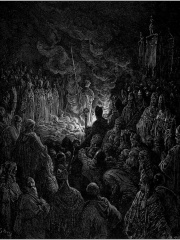
Peter Bartholomew
RELIGIOUS FIGURE
1100 - 1099
HPI : 62.79
Rang : 52

Vitale Faliero
POLITICIAN
1100 - 1096
HPI : 62.64
Rang : 53
Autres personnes décédées en 1144
Voir tous les classements
Pope Celestine II
RELIGIOUS FIGURE
1100 - 1144
HPI : 76.17
Rang : 1
Al-Zamakhshari
WRITER
1075 - 1144
HPI : 69.04
Rang : 2
Matthew of Edessa
HISTORIAN
1100 - 1144
HPI : 63.27
Rang : 3
Berenguer Ramon, Count of Provence
NOBLEMAN
1114 - 1144
HPI : 62.39
Rang : 4
Salomea of Berg
NOBLEMAN
1093 - 1144
HPI : 59.64
Rang : 5
En Turquie
Parmi les personnes nées en Turquie, Matthew of Edessa occupe le rang 671 sur 1,347. Avant lui viennent Anaximenes of Lampsacus (-380), Archelaus of Cappadocia (-50), Methodius of Olympus (260), Caesarius of Nazianzus (330), Georgios Tsitas (1872), et Pythodorida of Pontus (-30). Après lui viennent Mustafa Reşid Pasha (1800), Alexander of Tralles (525), Alexander of Jerusalem (200), Aquila of Sinope (100), Bion of Smyrna (-300), et Diodorus Cronus (-400).
Autres personnes nées en Turquie
Voir tous les classements
Anaximenes of Lampsacus
POLITICIAN
380 BC - 320 BC
HPI : 63.34
Rang : 665
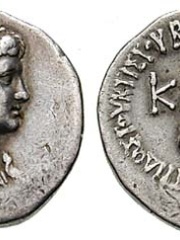
Archelaus of Cappadocia
POLITICIAN
50 BC - 17
HPI : 63.32
Rang : 666
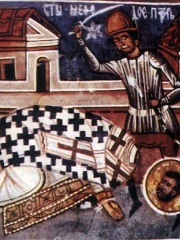
Methodius of Olympus
WRITER
260 - 311
HPI : 63.32
Rang : 667
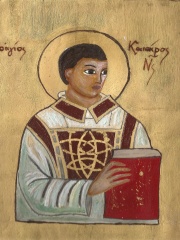
Caesarius of Nazianzus
PHYSICIAN
330 - 368
HPI : 63.29
Rang : 668
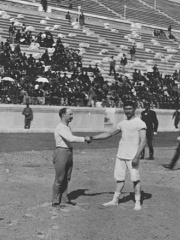
Georgios Tsitas
POLITICIAN
1872 - 1940
HPI : 63.28
Rang : 669

Pythodorida of Pontus
POLITICIAN
30 BC - 38
HPI : 63.27
Rang : 670
Matthew of Edessa
HISTORIAN
1100 - 1144
HPI : 63.27
Rang : 671
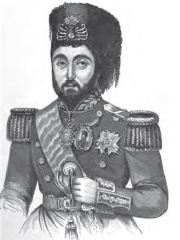
Mustafa Reşid Pasha
POLITICIAN
1800 - 1858
HPI : 63.26
Rang : 672

Alexander of Tralles
POLITICIAN
525 - 605
HPI : 63.24
Rang : 673
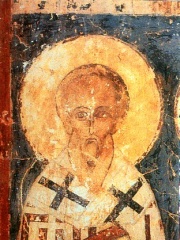
Alexander of Jerusalem
RELIGIOUS FIGURE
200 - 251
HPI : 63.22
Rang : 674
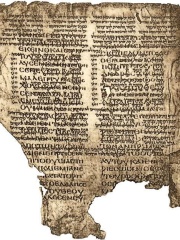
Aquila of Sinope
POLITICIAN
100 - 200
HPI : 63.22
Rang : 675

Bion of Smyrna
WRITER
300 BC - 100 BC
HPI : 63.20
Rang : 676

Diodorus Cronus
PHILOSOPHER
400 BC - 300 BC
HPI : 63.18
Rang : 677
Parmi les Historien en Turquie
Parmi les Historien nés en Turquie, Matthew of Edessa occupe le rang 18. Avant lui viennent Eunapius (349), Agatharchides (-208), Leo the Deacon (950), John Kinnamos (1143), Philostorgius (368), et Michael Attaleiates (1021). Après lui viennent Doukas (1400), Constantine Lascaris (1434), Halil İnalcık (1916), Charles Barbier de Meynard (1826), Taner Akçam (1953), et Cadmus of Miletus (-500).

Eunapius
349 - 420
HPI : 66.64
Rang : 12

Agatharchides
208 BC - présent
HPI : 65.97
Rang : 13

Leo the Deacon
950 - 992
HPI : 65.02
Rang : 14

John Kinnamos
1143 - 1185
HPI : 64.30
Rang : 15

Philostorgius
368 - 439
HPI : 64.21
Rang : 16
Michael Attaleiates
1021 - 1080
HPI : 63.62
Rang : 17
Matthew of Edessa
1100 - 1144
HPI : 63.27
Rang : 18

Doukas
1400 - 1500
HPI : 63.08
Rang : 19
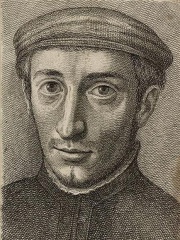
Constantine Lascaris
1434 - 1501
HPI : 60.76
Rang : 20

Halil İnalcık
1916 - 2016
HPI : 59.71
Rang : 21
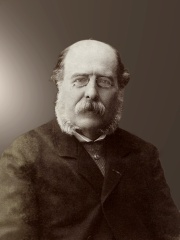
Charles Barbier de Meynard
1826 - 1908
HPI : 59.03
Rang : 22

Taner Akçam
1953 - présent
HPI : 57.28
Rang : 23

Cadmus of Miletus
500 BC - 600 BC
HPI : 56.84
Rang : 24




