武道家
Matea Jelić
1997 - 現在
 Matea Jelić
知名度指標
8.0k
ページビュー
過去12か月
36.85
HPI
歴史的人気指数
データインサイト
33
Pantheonに収録された179人の武道家のうち女性はわずか33人で、Matea Jelićはその一人です。
12月23日
Matea JelićはJoseph Smith、Akihito、Alexander I of Russiaと同じ12月23日生まれです。
Matea Jelićの言語別ページビュー
武道家の中で
武道家の中で、Matea Jelićは179人中285位です。 彼女より上位:Aleksandar Rakić, Kim So-hui, Carla Esparza, Buttree Puedpong, Adrian Croitoru, 、Dmitri Nossov. 彼女より下位:Hedaya Malak, Adil Osmanov, Dex Elmont, Dominic Ressel, Myriam Baverel, 、Rok Drakšič.
ウィキペディアで最も人気のある武道家
すべてのランキングを見る

Aleksandar Rakić
1992 - 現在
HPI: 37.37
順位: 279
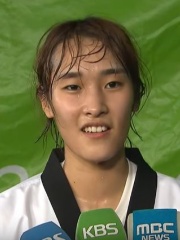
Kim So-hui
1994 - 現在
HPI: 37.32
順位: 280
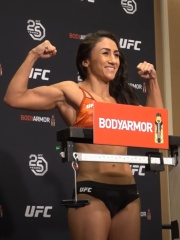
Carla Esparza
1987 - 現在
HPI: 37.32
順位: 281
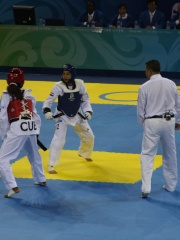
Buttree Puedpong
1990 - 現在
HPI: 37.06
順位: 282

Adrian Croitoru
1971 - 現在
HPI: 36.99
順位: 283
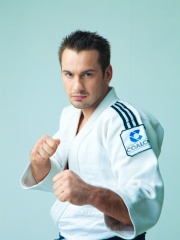
Dmitri Nossov
1980 - 現在
HPI: 36.95
順位: 284

Matea Jelić
1997 - 現在
HPI: 36.85
順位: 285
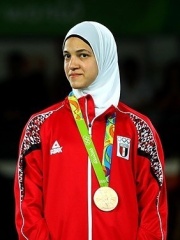
Hedaya Malak
1993 - 現在
HPI: 36.85
順位: 286

Adil Osmanov
2000 - 現在
HPI: 36.83
順位: 287

Dex Elmont
1984 - 現在
HPI: 36.80
順位: 288

Dominic Ressel
1993 - 現在
HPI: 36.70
順位: 289

Myriam Baverel
1981 - 現在
HPI: 36.69
順位: 290
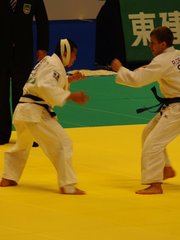
Rok Drakšič
1987 - 現在
HPI: 36.58
順位: 291

同時代の人物
1997年生まれの人の中で、Matea Jelićは629位です。 彼女より上位:Keidi Bare, Mayu Mukaida, Diana Silvers, Anthony Caci, Leonardo Fabbri, 、Nana Ichise. 彼女より下位:Keven Schlotterbeck, Bernabé Zapata Miralles, Leo Howard, Mohamed Konaté, Jonatan Christie, 、Fiona Ferro.
1997年生まれのその他の人物
すべてのランキングを見る
Keidi Bare
SOCCER PLAYER
1997 - 現在
HPI: 36.89
順位: 623

Mayu Mukaida
WRESTLER
1997 - 現在
HPI: 36.88
順位: 624
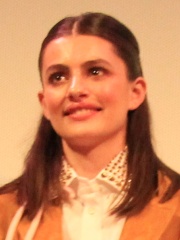
Diana Silvers
ACTOR
1997 - 現在
HPI: 36.87
順位: 625

Anthony Caci
SOCCER PLAYER
1997 - 現在
HPI: 36.87
順位: 626
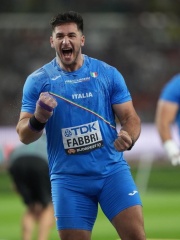
Leonardo Fabbri
ATHLETE
1997 - 現在
HPI: 36.86
順位: 627

Nana Ichise
SOCCER PLAYER
1997 - 現在
HPI: 36.86
順位: 628
Matea Jelić
MARTIAL ARTS
1997 - 現在
HPI: 36.85
順位: 629

Keven Schlotterbeck
SOCCER PLAYER
1997 - 現在
HPI: 36.79
順位: 630
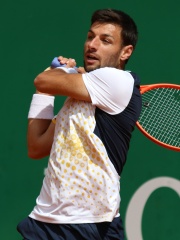
Bernabé Zapata Miralles
TENNIS PLAYER
1997 - 現在
HPI: 36.78
順位: 631

Leo Howard
ACTOR
1997 - 現在
HPI: 36.77
順位: 632

Mohamed Konaté
SOCCER PLAYER
1997 - 現在
HPI: 36.72
順位: 633

Jonatan Christie
BADMINTON PLAYER
1997 - 現在
HPI: 36.69
順位: 634
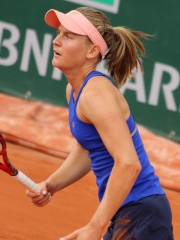
Fiona Ferro
TENNIS PLAYER
1997 - 現在
HPI: 36.69
順位: 635
クロアチアの中で
クロアチア生まれの人の中で、Matea Jelićは700人中717位です。 彼女より上位:Mario Maloča (1989), Sandra Paović (1983), Kristijan Đurasek (1987), Matej Mitrović (1993), Marija Vuković (1992), 、Drago Gabrić (1986). 彼女より下位:Aleksandar Čavrić (1994), Damir Kreilach (1989), Filip Krušlin (1989), Nika Turković (1995), Danijel Premuš (1981), 、Ana Jelušić Black (1986).
クロアチア生まれのその他の人物
すべてのランキングを見る
Mario Maloča
SOCCER PLAYER
1989 - 現在
HPI: 37.34
順位: 711
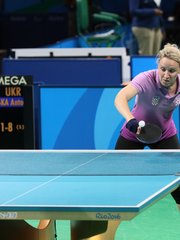
Sandra Paović
TABLE TENNIS PLAYER
1983 - 現在
HPI: 37.17
順位: 712

Kristijan Đurasek
CYCLIST
1987 - 現在
HPI: 37.16
順位: 713
Matej Mitrović
SOCCER PLAYER
1993 - 現在
HPI: 37.01
順位: 714

Marija Vuković
ATHLETE
1992 - 現在
HPI: 36.93
順位: 715
Drago Gabrić
SOCCER PLAYER
1986 - 現在
HPI: 36.90
順位: 716
Matea Jelić
MARTIAL ARTS
1997 - 現在
HPI: 36.85
順位: 717

Aleksandar Čavrić
SOCCER PLAYER
1994 - 現在
HPI: 36.80
順位: 718

Damir Kreilach
SOCCER PLAYER
1989 - 現在
HPI: 36.76
順位: 719

Filip Krušlin
BASKETBALL PLAYER
1989 - 現在
HPI: 36.75
順位: 720

Nika Turković
SINGER
1995 - 現在
HPI: 36.75
順位: 721

Danijel Premuš
ATHLETE
1981 - 現在
HPI: 36.71
順位: 722
Ana Jelušić Black
SKIER
1986 - 現在
HPI: 36.70
順位: 723
クロアチアの武道家の中で
クロアチア生まれの武道家の中で、Matea Jelićは2位です。 彼女より上位:Mirko Cro Cop (1974).