Ondernemer
Martin Cooper
1928 - heden
NL.WIKIPEDIA-PAGINAWEERGAVEN (PV)
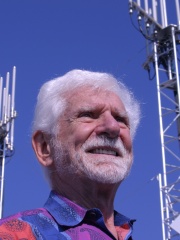

 Martin Cooper
Zijn biografie is beschikbaar in 43 verschillende talen op Wikipedia (toegenomen van 41 in 2024). Martin Cooper staat op plaats 71 onder de meest populaire ondernemer (gedaald van plaats 58 in 2024), plaats 748 onder de meest populaire biografieën uit Verenigde Staten (gedaald van plaats 538 in 2019) en op plaats 31 onder de populairste ondernemer uit Verenigde Staten.
Bekendheidsstatistieken
210k
Paginaweergaven
Afgelopen 12 maanden
71.73
HPI
Historische populariteitsindex
Data-inzichten
#748 / 23k
Martin Cooper staat op plaats 748 van de 23,232 personen in Pantheon die in Verenigde Staten zijn geboren, bij de beste 4% van die groep.
43
De biografie van Martin Cooper verschijnt in 43 taalversies van Wikipedia, meer dan bij 90% van alle Ondernemer.
Paginaweergaven van Martin Cooper per taal
Onder Ondernemer
Onder Ondernemer staat Martin Cooper op plaats 71 van 1,001. Vóór hem staan Soichiro Honda, Giovanni Agnelli, Otto Frank, Robert Bosch, Dietrich Mateschitz, en J. Paul Getty. Na hem komen Jakob Fugger, Sergei Diaghilev, Rupert Murdoch, Henri Nestlé, Richard Branson, en N. R. Narayana Murthy.
Populairste Ondernemer op Wikipedia
Naar alle ranglijsten
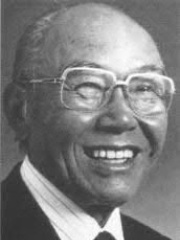
Soichiro Honda
1906 - 1991
HPI: 72.20
Plaats: 65
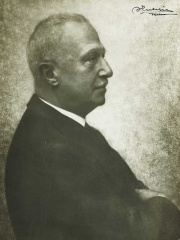
Giovanni Agnelli
1866 - 1945
HPI: 72.02
Plaats: 66
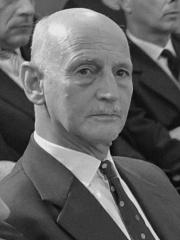
Otto Frank
1889 - 1980
HPI: 71.85
Plaats: 67
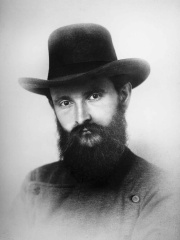
Robert Bosch
1861 - 1942
HPI: 71.84
Plaats: 68

Dietrich Mateschitz
1944 - 2022
HPI: 71.79
Plaats: 69
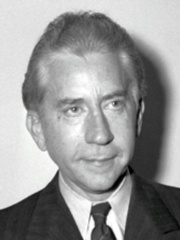
J. Paul Getty
1892 - 1976
HPI: 71.77
Plaats: 70
Martin Cooper
1928 - heden
HPI: 71.73
Plaats: 71
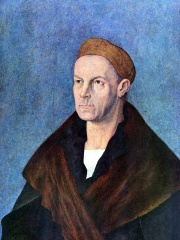
Jakob Fugger
1459 - 1525
HPI: 71.69
Plaats: 72
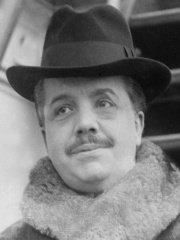
Sergei Diaghilev
1872 - 1929
HPI: 71.68
Plaats: 73

Rupert Murdoch
1931 - heden
HPI: 71.46
Plaats: 74
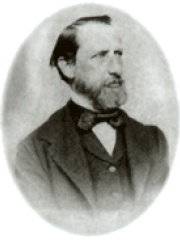
Henri Nestlé
1814 - 1890
HPI: 71.27
Plaats: 75
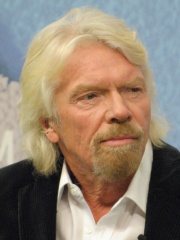
Richard Branson
1950 - heden
HPI: 71.22
Plaats: 76

N. R. Narayana Murthy
1946 - heden
HPI: 71.20
Plaats: 77

Tijdgenoten
Onder de mensen geboren in 1928 staat Martin Cooper op plaats 39. Vóór hem staan Agnès Varda, Elie Wiesel, Martin Landau, Friedensreich Hundertwasser, Maya Angelou, en Alexei Alexeyevich Abrikosov. Na hem komen James Ivory, Hans Küng, Jean Kennedy Smith, George Peppard, Kim Yong-nam, en Alberto Korda.
Anderen geboren in 1928
Naar alle ranglijsten
Agnès Varda
FILM DIRECTOR
1928 - 2019
HPI: 72.08
Plaats: 33
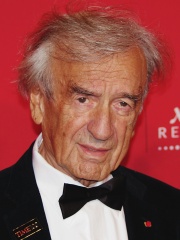
Elie Wiesel
WRITER
1928 - 2016
HPI: 72.03
Plaats: 34
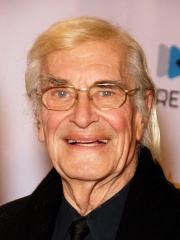
Martin Landau
ACTOR
1928 - 2017
HPI: 71.95
Plaats: 35
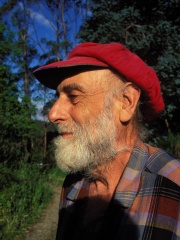
Friedensreich Hundertwasser
ARCHITECT
1928 - 2000
HPI: 71.91
Plaats: 36
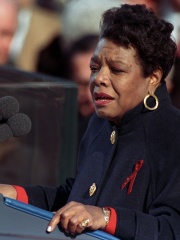
Maya Angelou
WRITER
1928 - 2014
HPI: 71.87
Plaats: 37
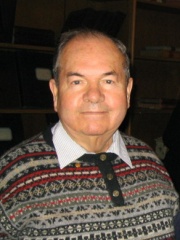
Alexei Alexeyevich Abrikosov
PHYSICIST
1928 - 2017
HPI: 71.73
Plaats: 38
Martin Cooper
BUSINESSPERSON
1928 - heden
HPI: 71.73
Plaats: 39
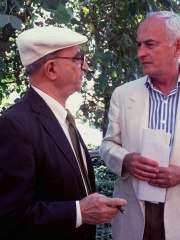
James Ivory
FILM DIRECTOR
1928 - heden
HPI: 71.46
Plaats: 40

Hans Küng
RELIGIOUS FIGURE
1928 - 2021
HPI: 71.34
Plaats: 41
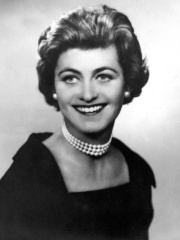
Jean Kennedy Smith
DIPLOMAT
1928 - 2020
HPI: 71.31
Plaats: 42
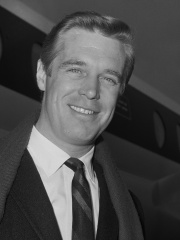
George Peppard
ACTOR
1928 - 1994
HPI: 71.30
Plaats: 43

Kim Yong-nam
POLITICIAN
1928 - 2025
HPI: 71.25
Plaats: 44

Alberto Korda
PHOTOGRAPHER
1928 - 2001
HPI: 71.24
Plaats: 45
In Verenigde Staten
Onder de mensen geboren in Verenigde Staten staat Martin Cooper op plaats 748 van 23,232. Vóór hem staan Alec Baldwin (1958), J. Paul Getty (1892), Kim Novak (1933), Glenn T. Seaborg (1912), James Earl Jones (1931), en John Cazale (1935). Na hem komen Charles Goodyear (1800), Mike Pence (1959), William G. Morgan (1870), Bell hooks (1952), Kip Thorne (1940), en Marshall Warren Nirenberg (1927).
Anderen geboren in Verenigde Staten
Naar alle ranglijsten
Alec Baldwin
ACTOR
1958 - heden
HPI: 71.81
Plaats: 742
J. Paul Getty
BUSINESSPERSON
1892 - 1976
HPI: 71.77
Plaats: 743

Kim Novak
ACTOR
1933 - heden
HPI: 71.76
Plaats: 744
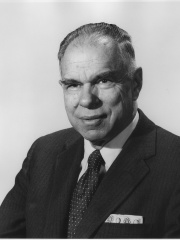
Glenn T. Seaborg
CHEMIST
1912 - 1999
HPI: 71.74
Plaats: 745
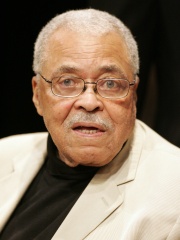
James Earl Jones
ACTOR
1931 - 2024
HPI: 71.73
Plaats: 746
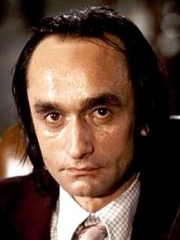
John Cazale
ACTOR
1935 - 1978
HPI: 71.73
Plaats: 747
Martin Cooper
BUSINESSPERSON
1928 - heden
HPI: 71.73
Plaats: 748
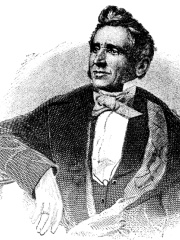
Charles Goodyear
INVENTOR
1800 - 1860
HPI: 71.72
Plaats: 749
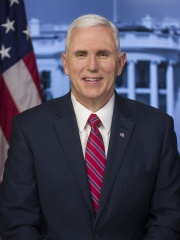
Mike Pence
POLITICIAN
1959 - heden
HPI: 71.71
Plaats: 750
William G. Morgan
INVENTOR
1870 - 1942
HPI: 71.70
Plaats: 751

Bell hooks
WRITER
1952 - 2021
HPI: 71.69
Plaats: 752

Kip Thorne
PHYSICIST
1940 - heden
HPI: 71.68
Plaats: 753
Marshall Warren Nirenberg
CHEMIST
1927 - 2010
HPI: 71.68
Plaats: 754
Onder Ondernemer in Verenigde Staten
Onder Ondernemer geboren in Verenigde Staten staat Martin Cooper op plaats 31. Vóór hem staan Hugh Hefner (1926), Larry Ellison (1944), Donald Trump Jr. (1977), King C. Gillette (1855), Bill Hewlett (1913), en J. Paul Getty (1892). Na hem komen Larry Fink (1952), Robert Kardashian (1944), David Koch (1940), Ray Kroc (1902), Andrew Tate (1986), en Stan Kroenke (1947).
Hugh Hefner
1926 - 2017
HPI: 73.04
Plaats: 25
Larry Ellison
1944 - heden
HPI: 72.68
Plaats: 26

Donald Trump Jr.
1977 - heden
HPI: 72.63
Plaats: 27
King C. Gillette
1855 - 1932
HPI: 72.52
Plaats: 28
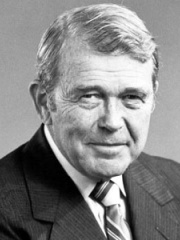
Bill Hewlett
1913 - 2001
HPI: 72.42
Plaats: 29
J. Paul Getty
1892 - 1976
HPI: 71.77
Plaats: 30
Martin Cooper
1928 - heden
HPI: 71.73
Plaats: 31
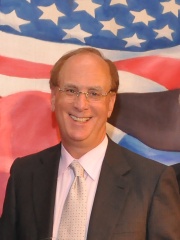
Larry Fink
1952 - heden
HPI: 71.01
Plaats: 32
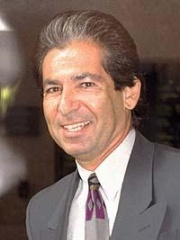
Robert Kardashian
1944 - 2003
HPI: 70.90
Plaats: 33
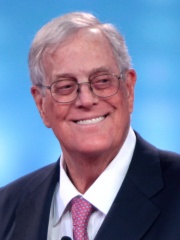
David Koch
1940 - 2019
HPI: 70.82
Plaats: 34
Ray Kroc
1902 - 1984
HPI: 70.77
Plaats: 35

Andrew Tate
1986 - heden
HPI: 70.36
Plaats: 36

Stan Kroenke
1947 - heden
HPI: 70.31
Plaats: 37




