Politico
M. K. Stalin
1953 - presente
VISUALIZZAZIONI SU IT.WIKIPEDIA (PV)
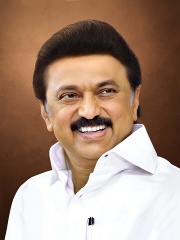

 M. K. Stalin
La sua biografia è disponibile in 27 lingue su Wikipedia (in aumento rispetto a 24 nel 2024). M. K. Stalin è il 16608° politico più popolare (in calo dal 15601° nel 2024), la 825ª biografia più popolare dell'India (in calo dal 715ª nel 2019) e il 219° politico più popolare dell'India.
Metriche di memorabilità
1.0M
Visualizzazioni
Ultimi 12 mesi
53.07
HPI
Indice di popolarità storica
Dati in evidenza
6.1×
La pagina Wikipedia di M. K. Stalin ha registrato 1.0M visualizzazioni nell'ultimo anno, 6.1 volte la media dei Politico.
Visualizzazioni della pagina di M. K. Stalin per lingua
Tra Politico
Tra Politico, M. K. Stalin occupa la posizione 16,601 su 20,022. Prima di lui ci sono Evripidis Bakirtzis, Ismail of Ghazni, Andriy Parubiy, Hadi Khosroshahi, Gennady Novitsky, e Ole von Beust. Dopo di lui ci sono Moudud Ahmed, Mirian I of Iberia, Hugo Black, Lugal-Anne-Mundu, Sigurður Ingi Jóhannsson, e Gregory Mathews.
Politico più popolari su Wikipedia
Vai a tutte le classifiche
Evripidis Bakirtzis
1895 - 1947
HPI: 53.08
Posizione: 16,602

Ismail of Ghazni
HPI: 53.08
Posizione: 16,603
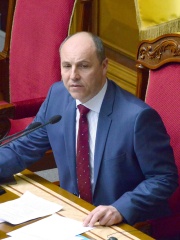
Andriy Parubiy
1971 - 2025
HPI: 53.08
Posizione: 16,604
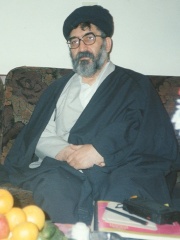
Hadi Khosroshahi
1939 - 2020
HPI: 53.07
Posizione: 16,605

Gennady Novitsky
1949 - presente
HPI: 53.07
Posizione: 16,606
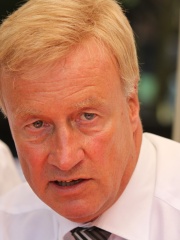
Ole von Beust
1955 - presente
HPI: 53.07
Posizione: 16,607
M. K. Stalin
1953 - presente
HPI: 53.07
Posizione: 16,608
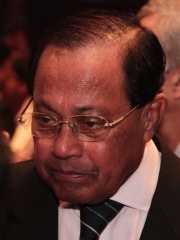
Moudud Ahmed
1940 - 2021
HPI: 53.07
Posizione: 16,609

Mirian I of Iberia
HPI: 53.07
Posizione: 16,610
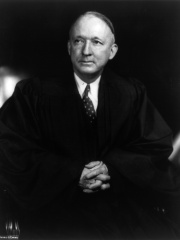
Hugo Black
1886 - 1971
HPI: 53.06
Posizione: 16,611
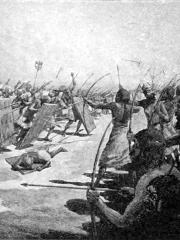
Lugal-Anne-Mundu
HPI: 53.06
Posizione: 16,612
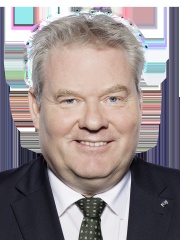
Sigurður Ingi Jóhannsson
1962 - presente
HPI: 53.06
Posizione: 16,613

Gregory Mathews
1876 - 1949
HPI: 53.05
Posizione: 16,614

Contemporanei
Tra le persone nate nel 1953, M. K. Stalin occupa la posizione 468. Prima di lui ci sono Peter Garrett, Kjell Bergqvist, Matthias Platzeck, Stanislava Staša Zajović, Christian Lopez, e Dina Rubina. Dopo di lui ci sono Stuart Baxter, Bernt Johansson, Mehdi Cerbah, Sharon Robinson, Giannina Braschi, e Vlastimil Petržela.
Altre persone nate nel 1953
Vai a tutte le classifiche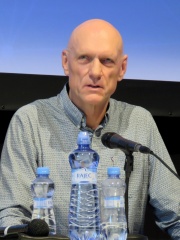
Peter Garrett
POLITICIAN
1953 - presente
HPI: 53.16
Posizione: 462
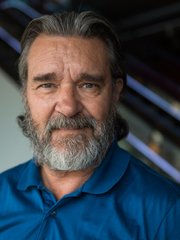
Kjell Bergqvist
ACTOR
1953 - presente
HPI: 53.15
Posizione: 463
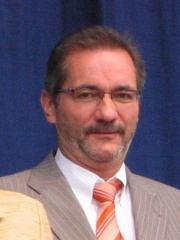
Matthias Platzeck
POLITICIAN
1953 - presente
HPI: 53.14
Posizione: 464
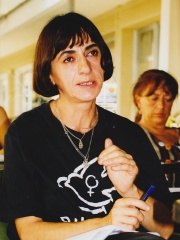
Stanislava Staša Zajović
WRITER
1953 - presente
HPI: 53.12
Posizione: 465
Christian Lopez
SOCCER PLAYER
1953 - presente
HPI: 53.11
Posizione: 466
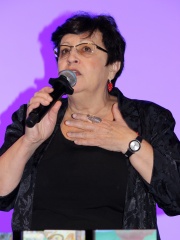
Dina Rubina
WRITER
1953 - presente
HPI: 53.10
Posizione: 467
M. K. Stalin
POLITICIAN
1953 - presente
HPI: 53.07
Posizione: 468

Stuart Baxter
COACH
1953 - presente
HPI: 53.06
Posizione: 469
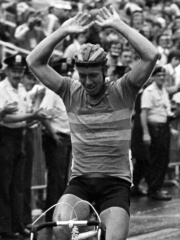
Bernt Johansson
CYCLIST
1953 - presente
HPI: 53.03
Posizione: 470

Mehdi Cerbah
SOCCER PLAYER
1953 - 2021
HPI: 53.03
Posizione: 471
Sharon Robinson
SINGER
1953 - presente
HPI: 53.02
Posizione: 472

Giannina Braschi
WRITER
1953 - presente
HPI: 53.02
Posizione: 473

Vlastimil Petržela
SOCCER PLAYER
1953 - presente
HPI: 53.00
Posizione: 474
In India
Tra le persone nate in India, M. K. Stalin occupa la posizione 825 su 2,312. Prima di lui ci sono Sudeep (1973), Vijay Mallya (1955), Radhanath Sikdar (1813), Jagjit Singh (1941), Cornelia Sorabji (1866), e P. T. Usha (1964). Dopo di lui ci sono Jagdish Bhagwati (1934), Roshanara Begum (1617), Bakht Khan (1797), Norman Pritchard (1877), Madan Lal Dhingra (1883), e Salil Chowdhury (1925).
Altre persone nate in India
Vai a tutte le classifiche
Sudeep
ACTOR
1973 - presente
HPI: 53.20
Posizione: 819
Vijay Mallya
BUSINESSPERSON
1955 - presente
HPI: 53.16
Posizione: 820
Radhanath Sikdar
MATHEMATICIAN
1813 - 1870
HPI: 53.15
Posizione: 821
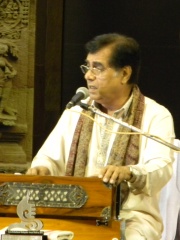
Jagjit Singh
SINGER
1941 - 2011
HPI: 53.14
Posizione: 822
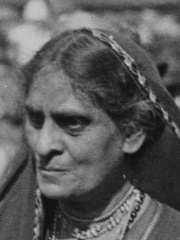
Cornelia Sorabji
WRITER
1866 - 1954
HPI: 53.10
Posizione: 823
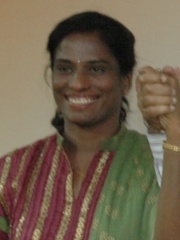
P. T. Usha
ATHLETE
1964 - presente
HPI: 53.09
Posizione: 824
M. K. Stalin
POLITICIAN
1953 - presente
HPI: 53.07
Posizione: 825
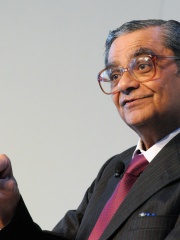
Jagdish Bhagwati
ECONOMIST
1934 - presente
HPI: 53.06
Posizione: 826
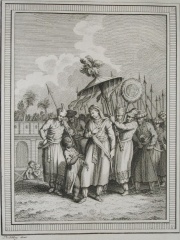
Roshanara Begum
WRITER
1617 - 1671
HPI: 53.05
Posizione: 827
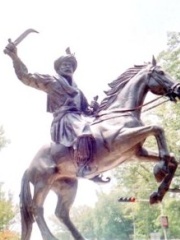
Bakht Khan
MILITARY PERSONNEL
1797 - 1859
HPI: 53.05
Posizione: 828
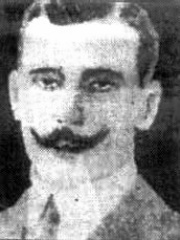
Norman Pritchard
ACTOR
1877 - 1929
HPI: 53.04
Posizione: 829
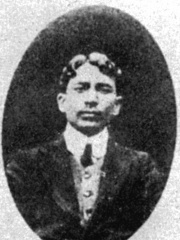
Madan Lal Dhingra
SOCIAL ACTIVIST
1883 - 1909
HPI: 53.02
Posizione: 830
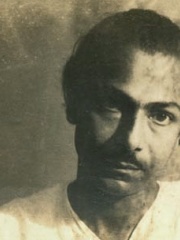
Salil Chowdhury
MUSICIAN
1925 - 1995
HPI: 53.01
Posizione: 831
Tra Politico in India
Tra Politico nati in India, M. K. Stalin occupa la posizione 219. Prima di lui ci sono Muiz ud din Bahram (null), J. P. Nadda (1960), Surendranath Banerjee (1848), Gopal Swarup Pathak (1896), Yogi Adityanath (1972), e S. M. Krishna (1932). Dopo di lui ci sono Renuka Chowdhury (1954), Sheila Dikshit (1938), Naveen Patnaik (1946), Kalyan Singh (1932), Madhavrao I (1745), e Baji Rao II (1775).
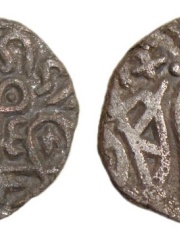
Muiz ud din Bahram
HPI: 53.85
Posizione: 213
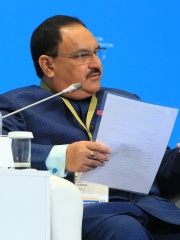
J. P. Nadda
1960 - presente
HPI: 53.61
Posizione: 214
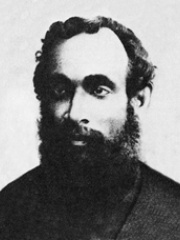
Surendranath Banerjee
1848 - 1925
HPI: 53.55
Posizione: 215
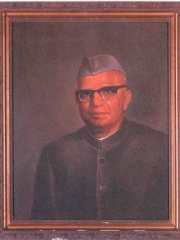
Gopal Swarup Pathak
1896 - 1982
HPI: 53.50
Posizione: 216
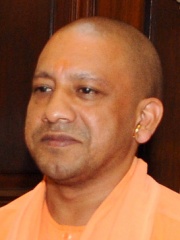
Yogi Adityanath
1972 - presente
HPI: 53.23
Posizione: 217
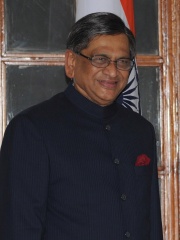
S. M. Krishna
1932 - 2024
HPI: 53.22
Posizione: 218
M. K. Stalin
1953 - presente
HPI: 53.07
Posizione: 219
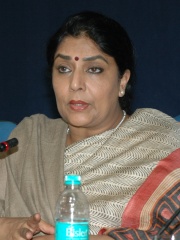
Renuka Chowdhury
1954 - presente
HPI: 52.87
Posizione: 220
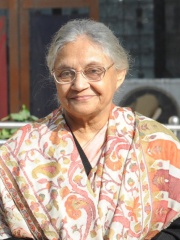
Sheila Dikshit
1938 - 2019
HPI: 52.76
Posizione: 221
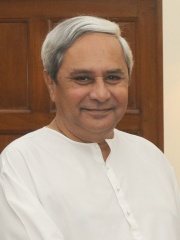
Naveen Patnaik
1946 - presente
HPI: 52.73
Posizione: 222
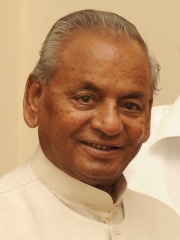
Kalyan Singh
1932 - 2021
HPI: 52.64
Posizione: 223
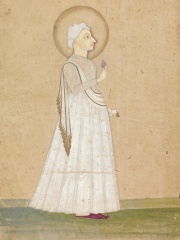
Madhavrao I
1745 - 1772
HPI: 52.58
Posizione: 224
Baji Rao II
1775 - 1851
HPI: 52.42
Posizione: 225




