政治家
Kujō Yoritsugu
1239 - 1256
ZH.WIKIPEDIA PAGE VIEWS (PV)
 Kujō Yoritsugu
Memorability Metrics
25k
Page Views
Past 12 months
61.09
HPI
Historical Popularity Index
Page views of Kujō Yoritsugu by language
Among 政治家
Among 政治家, Kujō Yoritsugu ranks 10,211 out of 19,576. Before him are Stephen I, Duke of Bavaria, Lysandra, Tosiwo Nakayama, Margaret, Countess of Blois, Archidamus V, and Lucius Calpurnius Piso Caesoninus. After him are Ingrida Šimonytė, Sextus Julius Caesar, Al-Harith ibn Jabalah, Hecatomnus, Vithimiris, and Osorkon III.
Most Popular 政治家 in Wikipedia
Go to all Rankings

Stephen I, Duke of Bavaria
1271 - 1310
HPI: 61.10
Rank: 10,210

Lysandra
300 BC - 300 BC
HPI: 61.10
Rank: 10,211
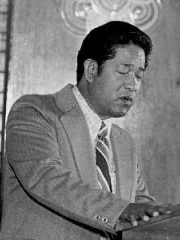
Tosiwo Nakayama
1931 - 2007
HPI: 61.10
Rank: 10,212
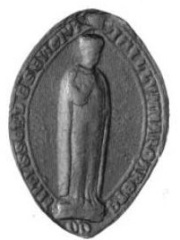
Margaret, Countess of Blois
1164 - 1230
HPI: 61.10
Rank: 10,213

Archidamus V
250 BC - 220 BC
HPI: 61.10
Rank: 10,214
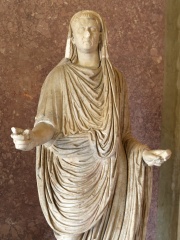
Lucius Calpurnius Piso Caesoninus
105 BC - 43 BC
HPI: 61.10
Rank: 10,215

Kujō Yoritsugu
1239 - 1256
HPI: 61.09
Rank: 10,216

Ingrida Šimonytė
1974 - Present
HPI: 61.09
Rank: 10,217
Sextus Julius Caesar
150 BC - 80 BC
HPI: 61.09
Rank: 10,218

Al-Harith ibn Jabalah
600 - 569
HPI: 61.09
Rank: 10,219
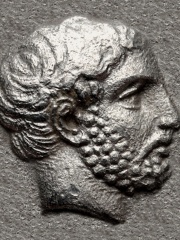
Hecatomnus
500 BC - 377 BC
HPI: 61.09
Rank: 10,220

Vithimiris
350 - 376
HPI: 61.09
Rank: 10,221
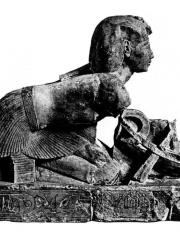
Osorkon III
900 BC - 758 BC
HPI: 61.09
Rank: 10,222

Contemporaries
Among people born in 1239, Kujō Yoritsugu ranks 7. Before him are Edward I of England, Peter III of Aragon, Stephen V of Hungary, Valdemar, King of Sweden, Theobald II of Navarre, and John II, Duke of Brittany. Among people deceased in 1256, Kujō Yoritsugu ranks 11. Before him are Kaliman Asen II of Bulgaria, Margaret of Bourbon, Queen of Navarre, Mafalda of Portugal, Michael II Asen, Renaud de Vichiers, and Kujō Yoritsune. After him are Bernhard von Spanheim, and Maria of Brabant, Duchess of Bavaria.
Others Born in 1239
Go to all Rankings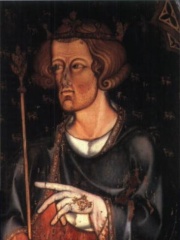
Edward I of England
POLITICIAN
1239 - 1307
HPI: 79.64
Rank: 1
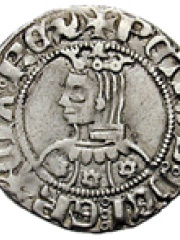
Peter III of Aragon
POLITICIAN
1239 - 1285
HPI: 74.77
Rank: 2
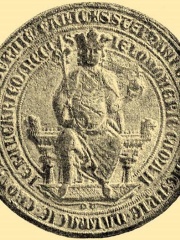
Stephen V of Hungary
POLITICIAN
1239 - 1272
HPI: 72.84
Rank: 3
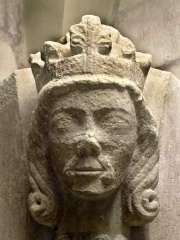
Valdemar, King of Sweden
POLITICIAN
1239 - 1302
HPI: 67.45
Rank: 4
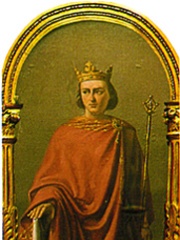
Theobald II of Navarre
POLITICIAN
1239 - 1270
HPI: 67.02
Rank: 5
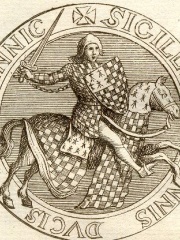
John II, Duke of Brittany
POLITICIAN
1239 - 1305
HPI: 61.45
Rank: 6
Kujō Yoritsugu
POLITICIAN
1239 - 1256
HPI: 61.09
Rank: 7
Others Deceased in 1256
Go to all Rankings
Kaliman Asen II of Bulgaria
POLITICIAN
1200 - 1256
HPI: 63.51
Rank: 5
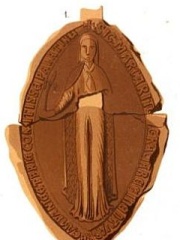
Margaret of Bourbon, Queen of Navarre
POLITICIAN
1211 - 1256
HPI: 63.44
Rank: 6
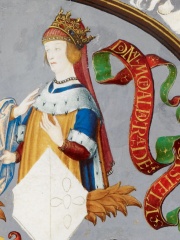
Mafalda of Portugal
COMPANION
1197 - 1256
HPI: 63.44
Rank: 7
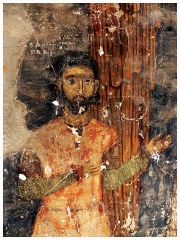
Michael II Asen
POLITICIAN
1238 - 1256
HPI: 63.36
Rank: 8

Renaud de Vichiers
POLITICIAN
1198 - 1256
HPI: 62.45
Rank: 9
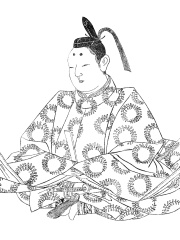
Kujō Yoritsune
POLITICIAN
1218 - 1256
HPI: 62.36
Rank: 10
Kujō Yoritsugu
POLITICIAN
1239 - 1256
HPI: 61.09
Rank: 11
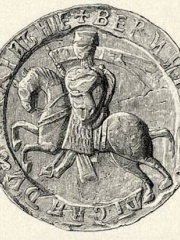
Bernhard von Spanheim
NOBLEMAN
1180 - 1256
HPI: 60.53
Rank: 12
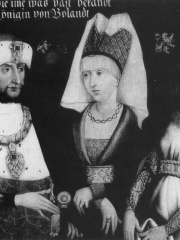
Maria of Brabant, Duchess of Bavaria
POLITICIAN
1226 - 1256
HPI: 59.45
Rank: 13
In 日本
Among people born in 日本, Kujō Yoritsugu ranks 859 out of NaN. Before him are Katō Takaaki (1860), Inoue Kaoru (1836), Tōdō Takatora (1556), Kisshomaru Ueshiba (1921), Kōji Yakusho (1956), and Eiko Ishioka (1938). After him are Ichiji Otani (1912), Haruhisa Hasegawa (1957), Ōtomo Sōrin (1530), Kazuki Takahashi (1961), Matsudaira Katamori (1836), and Shūji Terayama (1935).
Others born in 日本
Go to all Rankings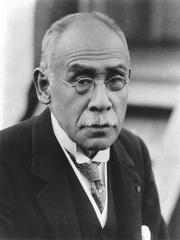
Katō Takaaki
POLITICIAN
1860 - 1926
HPI: 61.15
Rank: 853
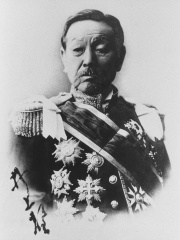
Inoue Kaoru
POLITICIAN
1836 - 1915
HPI: 61.13
Rank: 854
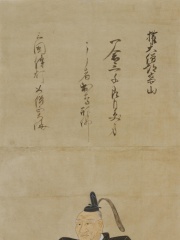
Tōdō Takatora
MILITARY PERSONNEL
1556 - 1630
HPI: 61.13
Rank: 855
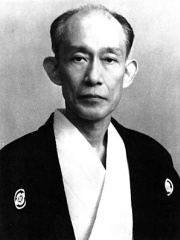
Kisshomaru Ueshiba
POLITICIAN
1921 - 1999
HPI: 61.10
Rank: 856
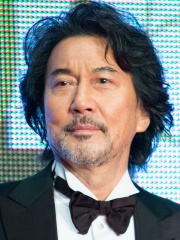
Kōji Yakusho
ACTOR
1956 - Present
HPI: 61.10
Rank: 857

Eiko Ishioka
DESIGNER
1938 - 2012
HPI: 61.10
Rank: 858
Kujō Yoritsugu
POLITICIAN
1239 - 1256
HPI: 61.09
Rank: 859

Ichiji Otani
SOCCER PLAYER
1912 - 2007
HPI: 61.08
Rank: 860

Haruhisa Hasegawa
SOCCER PLAYER
1957 - Present
HPI: 61.07
Rank: 861
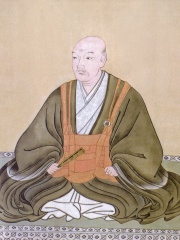
Ōtomo Sōrin
POLITICIAN
1530 - 1587
HPI: 61.06
Rank: 862
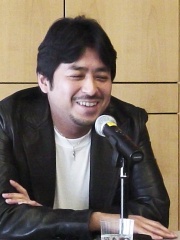
Kazuki Takahashi
COMIC ARTIST
1961 - 2022
HPI: 61.06
Rank: 863
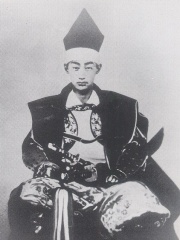
Matsudaira Katamori
POLITICIAN
1836 - 1893
HPI: 61.04
Rank: 864
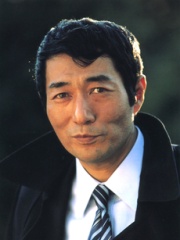
Shūji Terayama
WRITER
1935 - 1983
HPI: 61.04
Rank: 865
Among 政治家 In 日本
Among 政治家 born in 日本, Kujō Yoritsugu ranks 282. Before him are Keisai Eisen (1790), Ashikaga Yoshimochi (1386), Tokugawa Mitsukuni (1628), Katō Takaaki (1860), Inoue Kaoru (1836), and Kisshomaru Ueshiba (1921). After him are Ōtomo Sōrin (1530), Matsudaira Katamori (1836), Ashikaga Yoshikatsu (1434), Matsudaira Sadanobu (1759), Sakuma Shōzan (1811), and Tsuda Umeko (1864).
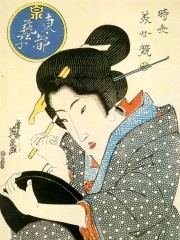
Keisai Eisen
1790 - 1848
HPI: 61.28
Rank: 276
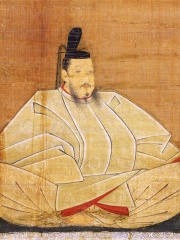
Ashikaga Yoshimochi
1386 - 1428
HPI: 61.17
Rank: 277
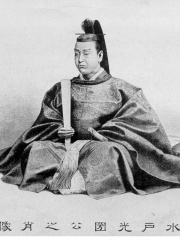
Tokugawa Mitsukuni
1628 - 1701
HPI: 61.15
Rank: 278
Katō Takaaki
1860 - 1926
HPI: 61.15
Rank: 279
Inoue Kaoru
1836 - 1915
HPI: 61.13
Rank: 280
Kisshomaru Ueshiba
1921 - 1999
HPI: 61.10
Rank: 281
Kujō Yoritsugu
1239 - 1256
HPI: 61.09
Rank: 282
Ōtomo Sōrin
1530 - 1587
HPI: 61.06
Rank: 283
Matsudaira Katamori
1836 - 1893
HPI: 61.04
Rank: 284
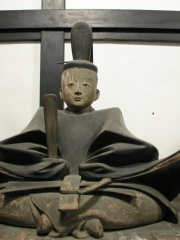
Ashikaga Yoshikatsu
1434 - 1443
HPI: 61.00
Rank: 285
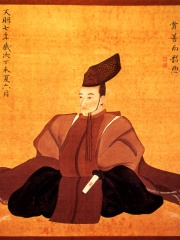
Matsudaira Sadanobu
1759 - 1829
HPI: 60.87
Rank: 286
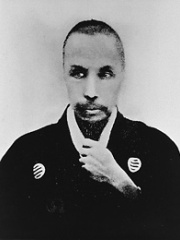
Sakuma Shōzan
1811 - 1864
HPI: 60.74
Rank: 287
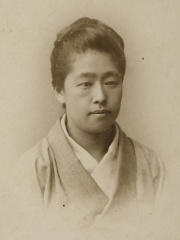
Tsuda Umeko
1864 - 1929
HPI: 60.65
Rank: 288




