Военнослужащий
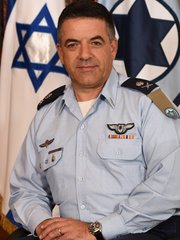
Kobi Shabtai
1964 - настоящее время
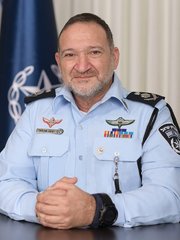
 Kobi Shabtai
Его биография доступна на 14 различных языках в Википедии. Kobi Shabtai занимает 1984-е место среди самых популярных военнослужащий, занимает 335-е место среди самых популярных биографий из Израили и занимает 16-е место среди военнослужащий Израиль.
Memorability Metrics
43k
Page Views
Past 12 months
52.69
HPI
Historical Popularity Index
Page views of Kobi Shabtai by language
Among Военнослужащий
Among военнослужащий, Kobi Shabtai ranks 1,984 out of 2,058. Before him are Constand Viljoen, Oleksii Arestovych, Thomas Picton, Frank Buckles, Christopher G. Cavoli, and Don Carlos Buell. After him are Gary Gordon, Aleksandr Lapin, Yahya Saree, Eugene Bullard, Lloyd Fredendall, and Frederick E. Morgan.
Most Popular Военнослужащий in Wikipedia
Go to all Rankings
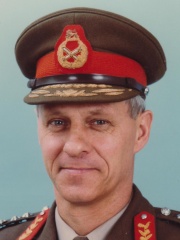
Constand Viljoen
1933 - 2020
HPI: 52.85
Rank: 1,978
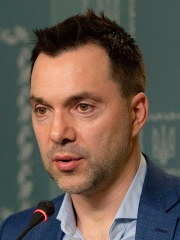
Oleksii Arestovych
1975 - Present
HPI: 52.81
Rank: 1,979
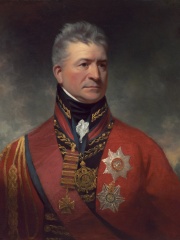
Thomas Picton
1758 - 1815
HPI: 52.80
Rank: 1,980
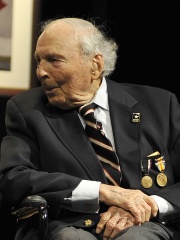
Frank Buckles
1901 - 2011
HPI: 52.76
Rank: 1,981

Christopher G. Cavoli
HPI: 52.75
Rank: 1,982
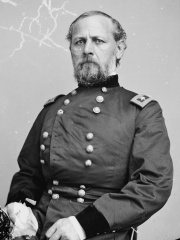
Don Carlos Buell
1818 - 1898
HPI: 52.73
Rank: 1,983
Kobi Shabtai
1964 - Present
HPI: 52.69
Rank: 1,984
Gary Gordon
1960 - 1993
HPI: 52.59
Rank: 1,985
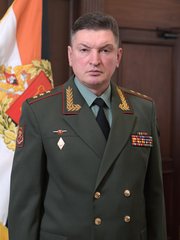
Aleksandr Lapin
1964 - Present
HPI: 52.58
Rank: 1,986

Yahya Saree
1970 - Present
HPI: 52.49
Rank: 1,987
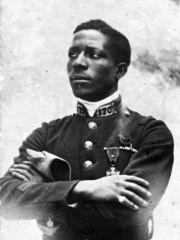
Eugene Bullard
1895 - 1961
HPI: 52.48
Rank: 1,988
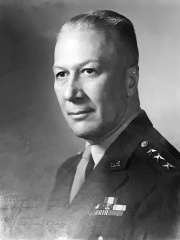
Lloyd Fredendall
1883 - 1963
HPI: 52.41
Rank: 1,989
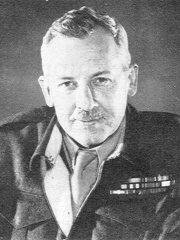
Frederick E. Morgan
1894 - 1967
HPI: 52.40
Rank: 1,990

Contemporaries
Among people born in 1964, Kobi Shabtai ranks 393. Before him are Pavel Ploc, Joseph Tsai, Astrid Carolina Herrera, Jakob Hlasek, Noémie Lvovsky, and Satoru Mochizuki. After him are Theresa Randle, Alexander Volkov, Fareed Zakaria, Harry Lennix, Valentina Yegorova, and Aleksandr Lapin.
Others Born in 1964
Go to all Rankings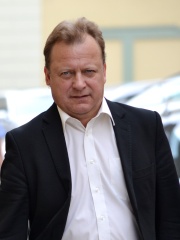
Pavel Ploc
POLITICIAN
1964 - Present
HPI: 52.90
Rank: 387

Joseph Tsai
1964 - Present
HPI: 52.87
Rank: 388

Astrid Carolina Herrera
CELEBRITY
1964 - Present
HPI: 52.82
Rank: 389

Jakob Hlasek
TENNIS PLAYER
1964 - Present
HPI: 52.79
Rank: 390

Noémie Lvovsky
FILM DIRECTOR
1964 - Present
HPI: 52.75
Rank: 391

Satoru Mochizuki
SOCCER PLAYER
1964 - Present
HPI: 52.71
Rank: 392
Kobi Shabtai
MILITARY PERSONNEL
1964 - Present
HPI: 52.69
Rank: 393

Theresa Randle
ACTOR
1964 - Present
HPI: 52.68
Rank: 394

Alexander Volkov
POLITICIAN
1964 - Present
HPI: 52.67
Rank: 395
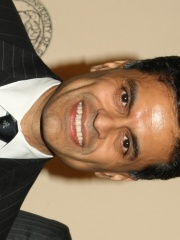
Fareed Zakaria
WRITER
1964 - Present
HPI: 52.65
Rank: 396
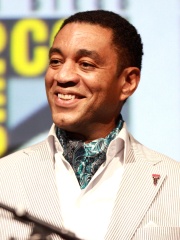
Harry Lennix
ACTOR
1964 - Present
HPI: 52.65
Rank: 397

Valentina Yegorova
ATHLETE
1964 - Present
HPI: 52.63
Rank: 398
Aleksandr Lapin
MILITARY PERSONNEL
1964 - Present
HPI: 52.58
Rank: 399
In Израиль
Among people born in Израиль, Kobi Shabtai ranks 335 out of NaN. Before him are Yuval Steinitz (1958), Gadi Eisenkot (1960), Uri Ariel (1952), Asaf Avidan (1980), Aryeh Eldad (1950), and Ehud Manor (1941). After him are Uri Lupolianski (1951), Shelly Yachimovich (1960), Haim Ramon (1950), Yariv Levin (1969), Elon Lindenstrauss (1970), and Michael Ben-Ari (1963).
Others born in Израиль
Go to all Rankings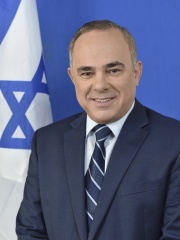
Yuval Steinitz
PHILOSOPHER
1958 - Present
HPI: 53.12
Rank: 329
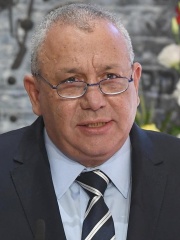
Gadi Eisenkot
POLITICIAN
1960 - Present
HPI: 53.03
Rank: 330
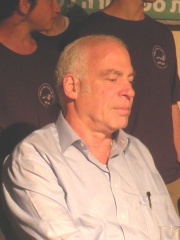
Uri Ariel
POLITICIAN
1952 - Present
HPI: 52.93
Rank: 331

Asaf Avidan
SINGER
1980 - Present
HPI: 52.85
Rank: 332
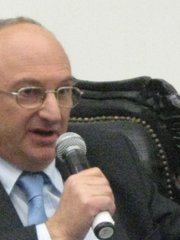
Aryeh Eldad
PHYSICIAN
1950 - Present
HPI: 52.77
Rank: 333
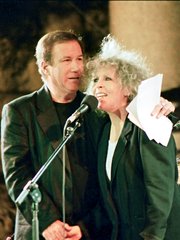
Ehud Manor
WRITER
1941 - 2005
HPI: 52.77
Rank: 334
Kobi Shabtai
MILITARY PERSONNEL
1964 - Present
HPI: 52.69
Rank: 335
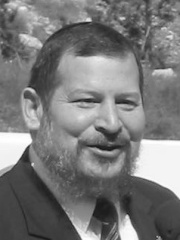
Uri Lupolianski
POLITICIAN
1951 - Present
HPI: 52.66
Rank: 336
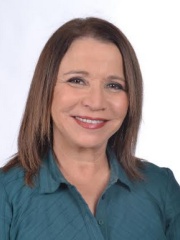
Shelly Yachimovich
POLITICIAN
1960 - Present
HPI: 52.64
Rank: 337

Haim Ramon
POLITICIAN
1950 - Present
HPI: 52.59
Rank: 338
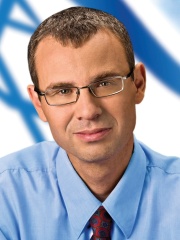
Yariv Levin
POLITICIAN
1969 - Present
HPI: 52.47
Rank: 339

Elon Lindenstrauss
MATHEMATICIAN
1970 - Present
HPI: 52.45
Rank: 340
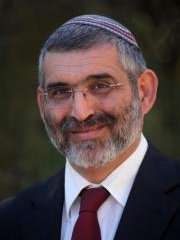
Michael Ben-Ari
POLITICIAN
1963 - Present
HPI: 52.42
Rank: 341
Among Военнослужащий In Израиль
Among военнослужащий born in Израиль, Kobi Shabtai ranks 16. Before him are Avraham Adan (1926), Dan Shomron (1937), Yair Golan (1962), Gilad Shalit (1986), Aviv Kochavi (1964), and Ronen Bar (1965). After him are Daniel Hagari (1976), and Amikam Norkin (1966).
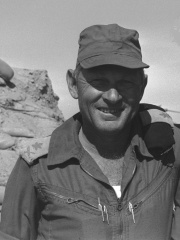
Avraham Adan
1926 - 2012
HPI: 59.58
Rank: 10
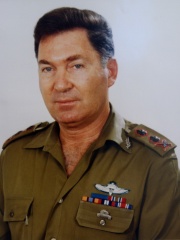
Dan Shomron
1937 - 2008
HPI: 59.11
Rank: 11
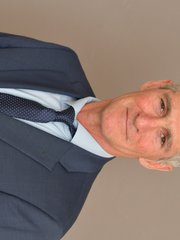
Yair Golan
1962 - Present
HPI: 57.09
Rank: 12

Gilad Shalit
1986 - Present
HPI: 55.48
Rank: 13
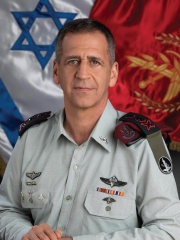
Aviv Kochavi
1964 - Present
HPI: 53.48
Rank: 14
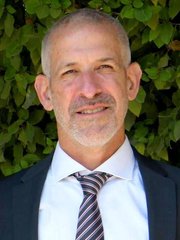
Ronen Bar
1965 - Present
HPI: 53.22
Rank: 15
Kobi Shabtai
1964 - Present
HPI: 52.69
Rank: 16

Daniel Hagari
1976 - Present
HPI: 50.34
Rank: 17
Amikam Norkin
1966 - Present
HPI: 49.16
Rank: 18




