Физик
Jürgen Kurths
1953 - настоящее время
RU.WIKIPEDIA PAGE VIEWS (PV)
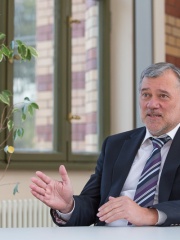
 Jürgen Kurths
Его биография доступна на 17 различных языках в Википедии. Jürgen Kurths занимает 711-е место среди самых популярных физик (рост с 762-е места в 2024 году), занимает 5042-е место среди самых популярных биографий из Германии (рост с 5337-е места в 2019 году) и занимает 94-е место среди физик Германия. Узнайте больше о академическом влиянии Jürgen Kurths на Rankless.
Memorability Metrics
3.4k
Page Views
Past 12 months
54.52
HPI
Historical Popularity Index
Page views of Jürgen Kurths by language
Among Физик
Among физик, Jürgen Kurths ranks 711 out of 851. Before him are Sarah Frances Whiting, Dirk Coster, Ayşe Erzan, William D. Coolidge, Grigory Landsberg, and Andreas von Ettingshausen. After him are Antonius van den Broek, Franz Josef Gerstner, Harold Agnew, Leonard Mlodinow, Joseph Polchinski, and Charlotte Froese Fischer.
Most Popular Физик in Wikipedia
Go to all Rankings
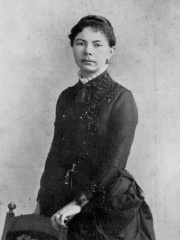
Sarah Frances Whiting
1847 - 1927
HPI: 54.82
Rank: 705

Dirk Coster
1889 - 1950
HPI: 54.81
Rank: 706

Ayşe Erzan
1949 - Present
HPI: 54.74
Rank: 707
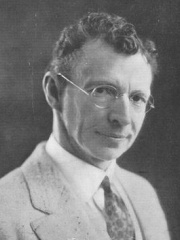
William D. Coolidge
1873 - 1975
HPI: 54.71
Rank: 708
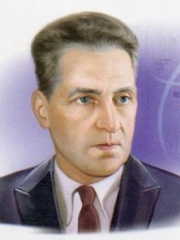
Grigory Landsberg
1890 - 1957
HPI: 54.61
Rank: 709
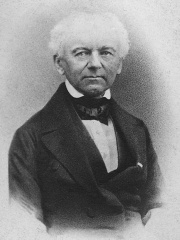
Andreas von Ettingshausen
1796 - 1878
HPI: 54.57
Rank: 710
Jürgen Kurths
1953 - Present
HPI: 54.52
Rank: 711
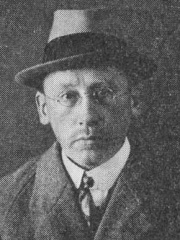
Antonius van den Broek
1870 - 1926
HPI: 54.51
Rank: 712
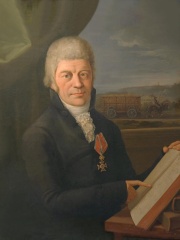
Franz Josef Gerstner
1756 - 1832
HPI: 54.48
Rank: 713
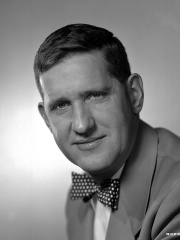
Harold Agnew
1921 - 2013
HPI: 54.46
Rank: 714

Leonard Mlodinow
1954 - Present
HPI: 54.43
Rank: 715
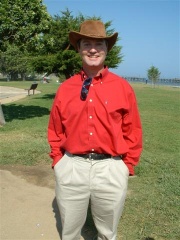
Joseph Polchinski
1954 - 2018
HPI: 54.40
Rank: 716
Charlotte Froese Fischer
1929 - Present
HPI: 54.32
Rank: 717

Contemporaries
Among people born in 1953, Jürgen Kurths ranks 390. Before him are Neven Mimica, Patricia Reyes Spíndola, Walter Lübcke, Brian Kerr, Katarina Frostenson, and Eve Ensler. After him are Xabier Azkargorta, Adrie van Kraay, Gary Johnson, Sergei Starostin, Roberta Williams, and Ingo Hoffmann.
Others Born in 1953
Go to all Rankings
Neven Mimica
POLITICIAN
1953 - Present
HPI: 54.70
Rank: 384

Patricia Reyes Spíndola
ACTOR
1953 - Present
HPI: 54.70
Rank: 385
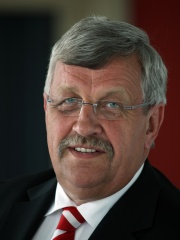
Walter Lübcke
POLITICIAN
1953 - 2019
HPI: 54.65
Rank: 386

Brian Kerr
SOCCER PLAYER
1953 - Present
HPI: 54.63
Rank: 387
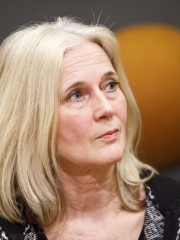
Katarina Frostenson
WRITER
1953 - Present
HPI: 54.58
Rank: 388
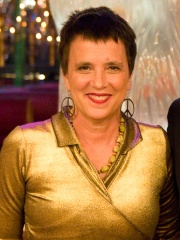
Eve Ensler
WRITER
1953 - Present
HPI: 54.56
Rank: 389
Jürgen Kurths
PHYSICIST
1953 - Present
HPI: 54.52
Rank: 390

Xabier Azkargorta
SOCCER PLAYER
1953 - 2025
HPI: 54.52
Rank: 391
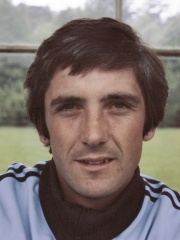
Adrie van Kraay
SOCCER PLAYER
1953 - Present
HPI: 54.52
Rank: 392
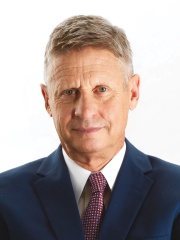
Gary Johnson
POLITICIAN
1953 - Present
HPI: 54.50
Rank: 393
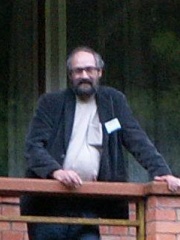
Sergei Starostin
LINGUIST
1953 - 2005
HPI: 54.49
Rank: 394
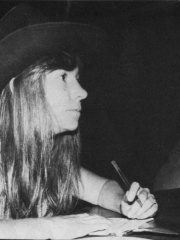
Roberta Williams
GAME DESIGNER
1953 - Present
HPI: 54.43
Rank: 395
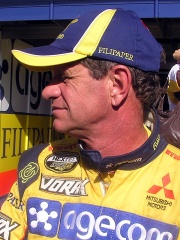
Ingo Hoffmann
RACING DRIVER
1953 - Present
HPI: 54.42
Rank: 396
In Германия
Among people born in Германия, Jürgen Kurths ranks 5,042 out of NaN. Before him are Andy Bechtolsheim (1955), Siegbert Horn (1950), Joseph Rosemeyer (1872), Rüdiger Schnuphase (1954), Engelbert Kraus (1934), and Wilhelm Leichum (1911). After him are Johann Ludwig Krapf (1810), Wolfgang Behrendt (1936), Wilhelm Brinkmann (1910), Moon Ga-young (1996), Gustav Goßler (1879), and Dieter Hecking (1964).
Others born in Германия
Go to all Rankings
Andy Bechtolsheim
INVENTOR
1955 - Present
HPI: 54.56
Rank: 5,036
Siegbert Horn
ATHLETE
1950 - 2016
HPI: 54.55
Rank: 5,037
Joseph Rosemeyer
CYCLIST
1872 - 1919
HPI: 54.55
Rank: 5,038
Rüdiger Schnuphase
SOCCER PLAYER
1954 - Present
HPI: 54.55
Rank: 5,039

Engelbert Kraus
SOCCER PLAYER
1934 - 2016
HPI: 54.53
Rank: 5,040
Wilhelm Leichum
ATHLETE
1911 - 1941
HPI: 54.53
Rank: 5,041
Jürgen Kurths
PHYSICIST
1953 - Present
HPI: 54.52
Rank: 5,042
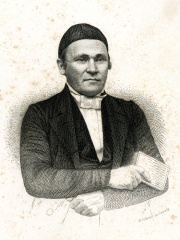
Johann Ludwig Krapf
EXPLORER
1810 - 1881
HPI: 54.52
Rank: 5,043
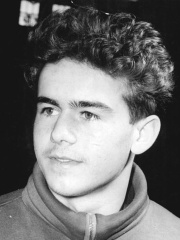
Wolfgang Behrendt
BOXER
1936 - Present
HPI: 54.49
Rank: 5,044

Wilhelm Brinkmann
HANDBALL PLAYER
1910 - 1991
HPI: 54.49
Rank: 5,045

Moon Ga-young
ACTOR
1996 - Present
HPI: 54.49
Rank: 5,046

Gustav Goßler
ATHLETE
1879 - 1940
HPI: 54.49
Rank: 5,047

Dieter Hecking
SOCCER PLAYER
1964 - Present
HPI: 54.49
Rank: 5,048
Among Физик In Германия
Among физик born in Германия, Jürgen Kurths ranks 94. Before him are Georg Hermann Quincke (1834), Ralph Kronig (1904), Paul Peter Ewald (1888), Ludwig Wilhelm Gilbert (1769), Burkhard Heim (1925), and Andreas von Ettingshausen (1796). After him are Ernst Ising (1900), Rudolf Haag (1922), Walter Gordon (1893), Arthur Schuster (1851), Gregor Wentzel (1898), and Rolf-Dieter Heuer (1948).
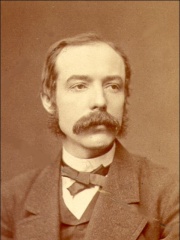
Georg Hermann Quincke
1834 - 1924
HPI: 56.91
Rank: 88
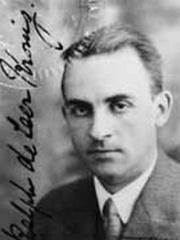
Ralph Kronig
1904 - 1995
HPI: 55.44
Rank: 89
Paul Peter Ewald
1888 - 1985
HPI: 55.38
Rank: 90
Ludwig Wilhelm Gilbert
1769 - 1824
HPI: 55.17
Rank: 91

Burkhard Heim
1925 - 2001
HPI: 55.07
Rank: 92
Andreas von Ettingshausen
1796 - 1878
HPI: 54.57
Rank: 93
Jürgen Kurths
1953 - Present
HPI: 54.52
Rank: 94

Ernst Ising
1900 - 1998
HPI: 54.23
Rank: 95
Rudolf Haag
1922 - 2016
HPI: 54.20
Rank: 96

Walter Gordon
1893 - 1939
HPI: 54.06
Rank: 97
Arthur Schuster
1851 - 1934
HPI: 54.05
Rank: 98

Gregor Wentzel
1898 - 1978
HPI: 54.00
Rank: 99
Rolf-Dieter Heuer
1948 - Present
HPI: 53.55
Rank: 100




