Linguiste
János Sajnovics
1733 - 1785
FR.WIKIPEDIA PAGE VIEWS (PV)
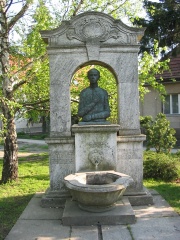
 János Sajnovics
Sa biographie est disponible en 15 langues sur Wikipédia. János Sajnovics est le 145th linguiste le plus populaire (en hausse du 163rd en 2024), la 546th biographie la plus populaire d'Hongrie (en hausse du 604th en 2019), ainsi que le 3rd linguiste d'Hongrie le plus populaire.
Memorability Metrics
4.4k
Page Views
Past 12 months
56.50
HPI
Historical Popularity Index
Page views of János Sajnovics by language
Among Linguistes
Among linguistes, János Sajnovics ranks 145 out of 214. Before him are Gerhard Rohlfs, Friedrich von Adelung, Giuliano Bonfante, Yuen Ren Chao, Johan Nicolai Madvig, and Walther von Wartburg. After him are Eduard Sievers, Gaston Waringhien, Germà Colón, Mary Boyce, Alexander Veselovsky, and Iryna Farion.
Most Popular Linguistes in Wikipedia
Go to all Rankings
Gerhard Rohlfs
1892 - 1986
HPI: 57.25
Rank: 139
Friedrich von Adelung
1768 - 1843
HPI: 57.09
Rank: 140
Giuliano Bonfante
1904 - 2005
HPI: 57.00
Rank: 141
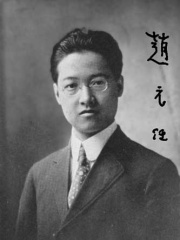
Yuen Ren Chao
1892 - 1982
HPI: 56.72
Rank: 142
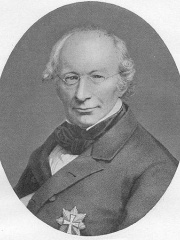
Johan Nicolai Madvig
1804 - 1886
HPI: 56.65
Rank: 143

Walther von Wartburg
1888 - 1971
HPI: 56.57
Rank: 144
János Sajnovics
1733 - 1785
HPI: 56.50
Rank: 145
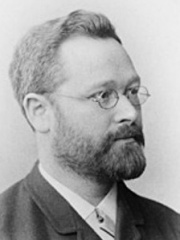
Eduard Sievers
1850 - 1932
HPI: 56.49
Rank: 146
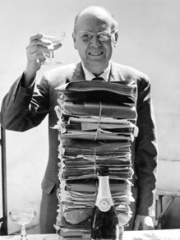
Gaston Waringhien
1901 - 1991
HPI: 56.47
Rank: 147

Germà Colón
1928 - 2020
HPI: 56.45
Rank: 148

Mary Boyce
1920 - 2006
HPI: 56.36
Rank: 149
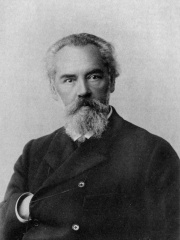
Alexander Veselovsky
1838 - 1906
HPI: 56.31
Rank: 150
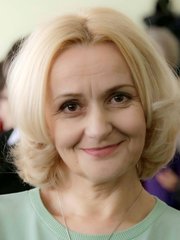
Iryna Farion
1964 - 2024
HPI: 56.25
Rank: 151

Contemporaries
Among people born in 1733, János Sajnovics ranks 20. Before him are Christoph Friedrich Nicolai, Philip Carteret, Maruyama Ōkyo, Joseph Gottlieb Kölreuter, Ismail III, and Adam Naruszewicz. After him are Mikhail Kheraskov, Richard Kirwan, Thomas Townshend, 1st Viscount Sydney, and Philip Schuyler. Among people deceased in 1785, János Sajnovics ranks 21. Before him are Frederick II, Duke of Mecklenburg-Schwerin, Duchess Frederica of Württemberg, Johan Herman Wessel, Johann Gerhard König, Ali-Morad Khan Zand, and Gottfried August Homilius. After him are Stephen Hopkins, Ventura Rodríguez, Haym Salomon, John Belchier, and George Germain, 1st Viscount Sackville.
Others Born in 1733
Go to all Rankings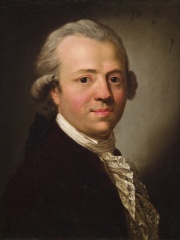
Christoph Friedrich Nicolai
WRITER
1733 - 1811
HPI: 60.28
Rank: 14
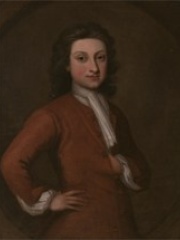
Philip Carteret
EXPLORER
1733 - 1796
HPI: 59.61
Rank: 15

Maruyama Ōkyo
PAINTER
1733 - 1795
HPI: 58.26
Rank: 16
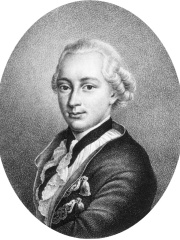
Joseph Gottlieb Kölreuter
BIOLOGIST
1733 - 1806
HPI: 58.00
Rank: 17
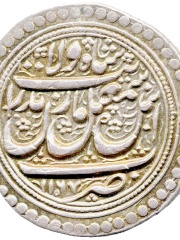
Ismail III
NOBLEMAN
1733 - 1773
HPI: 57.96
Rank: 18
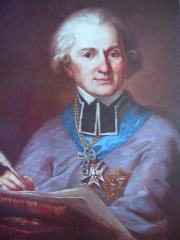
Adam Naruszewicz
WRITER
1733 - 1796
HPI: 57.84
Rank: 19
János Sajnovics
LINGUIST
1733 - 1785
HPI: 56.50
Rank: 20
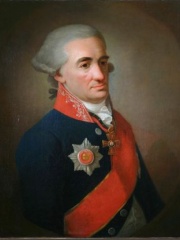
Mikhail Kheraskov
WRITER
1733 - 1807
HPI: 56.16
Rank: 21
Richard Kirwan
GEOLOGIST
1733 - 1812
HPI: 55.53
Rank: 22
Thomas Townshend, 1st Viscount Sydney
POLITICIAN
1733 - 1800
HPI: 54.70
Rank: 23
Philip Schuyler
POLITICIAN
1733 - 1804
HPI: 52.65
Rank: 24
Others Deceased in 1785
Go to all Rankings
Frederick II, Duke of Mecklenburg-Schwerin
POLITICIAN
1717 - 1785
HPI: 61.99
Rank: 15
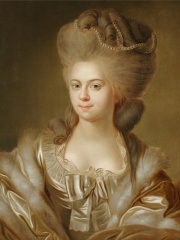
Duchess Frederica of Württemberg
POLITICIAN
1765 - 1785
HPI: 59.92
Rank: 16
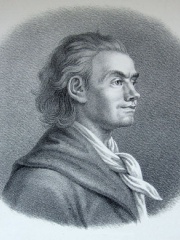
Johan Herman Wessel
WRITER
1742 - 1785
HPI: 58.14
Rank: 17

Johann Gerhard König
BIOLOGIST
1728 - 1785
HPI: 58.09
Rank: 18
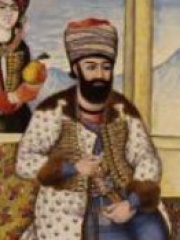
Ali-Morad Khan Zand
POLITICIAN
1779 - 1785
HPI: 58.05
Rank: 19
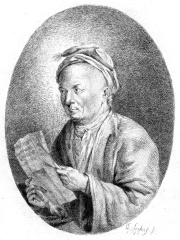
Gottfried August Homilius
COMPOSER
1714 - 1785
HPI: 56.93
Rank: 20
János Sajnovics
LINGUIST
1733 - 1785
HPI: 56.50
Rank: 21
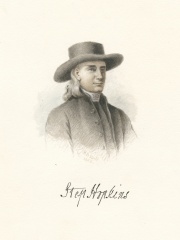
Stephen Hopkins
POLITICIAN
1707 - 1785
HPI: 56.05
Rank: 22
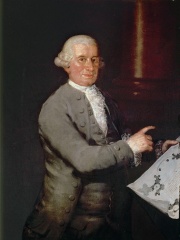
Ventura Rodríguez
ARCHITECT
1717 - 1785
HPI: 55.95
Rank: 23
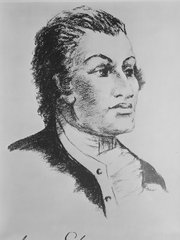
Haym Salomon
BUSINESSPERSON
1740 - 1785
HPI: 55.19
Rank: 24
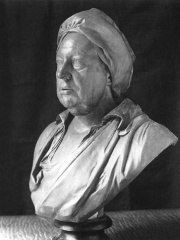
John Belchier
BIOLOGIST
1706 - 1785
HPI: 51.89
Rank: 25
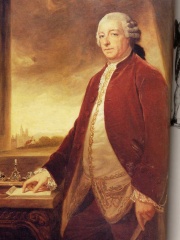
George Germain, 1st Viscount Sackville
POLITICIAN
1716 - 1785
HPI: 50.57
Rank: 26
In Hongrie
Among people born in Hongrie, János Sajnovics ranks 546 out of NaN. Before him are Jenő Vincze (1908), Balázs Taróczy (1954), György Piller (1899), Dezső Bundzsák (1928), Miklós Szabados (1912), and József Katona (1791). After him are Lajos Koltai (1946), Zoltan Sarosy (1906), Győző Forintos (1935), Katarina Ivanović (1811), András Toma (1925), and Vera T. Sós (1930).
Others born in Hongrie
Go to all Rankings
Jenő Vincze
SOCCER PLAYER
1908 - 1988
HPI: 56.61
Rank: 540
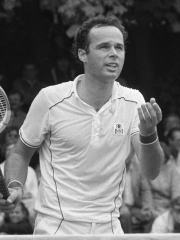
Balázs Taróczy
TENNIS PLAYER
1954 - Present
HPI: 56.57
Rank: 541
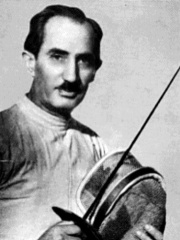
György Piller
FENCER
1899 - 1960
HPI: 56.56
Rank: 542

Dezső Bundzsák
SOCCER PLAYER
1928 - 2010
HPI: 56.53
Rank: 543

Miklós Szabados
TABLE TENNIS PLAYER
1912 - 1962
HPI: 56.53
Rank: 544
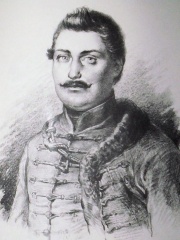
József Katona
WRITER
1791 - 1830
HPI: 56.52
Rank: 545
János Sajnovics
LINGUIST
1733 - 1785
HPI: 56.50
Rank: 546
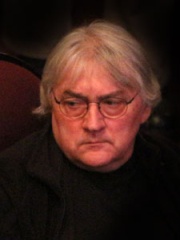
Lajos Koltai
FILM DIRECTOR
1946 - Present
HPI: 56.46
Rank: 547
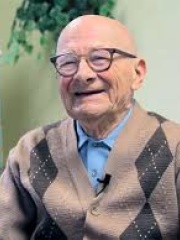
Zoltan Sarosy
RELIGIOUS FIGURE
1906 - 2017
HPI: 56.44
Rank: 548
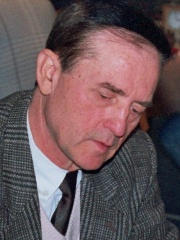
Győző Forintos
CHESS PLAYER
1935 - 2018
HPI: 56.43
Rank: 549
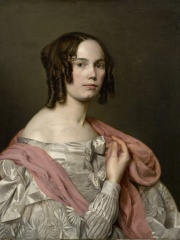
Katarina Ivanović
PAINTER
1811 - 1882
HPI: 56.42
Rank: 550

András Toma
MILITARY PERSONNEL
1925 - 2004
HPI: 56.42
Rank: 551
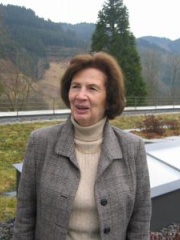
Vera T. Sós
MATHEMATICIAN
1930 - 2023
HPI: 56.38
Rank: 552
Among Linguistes In Hongrie
Among linguistes born in Hongrie, János Sajnovics ranks 3. Before him are Ignác Goldziher (1850), and Josef Dobrovský (1753).
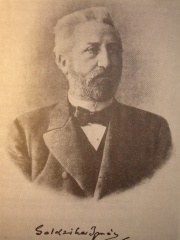
Ignác Goldziher
1850 - 1921
HPI: 67.65
Rank: 1
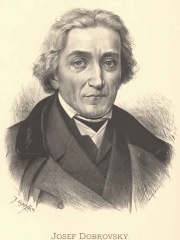
Josef Dobrovský
1753 - 1829
HPI: 63.67
Rank: 2
János Sajnovics
1733 - 1785
HPI: 56.50
Rank: 3




