军人
János Pálffy
1664 - 1751
 János Pálffy
知名度指标
12k
页面浏览量
过去12个月
59.81
HPI
历史知名度指数
数据洞察
15
János Pálffy的传记涵盖 15 个维基百科语言版本,历史知名度指数为 59.81。
János Pálffy的各语言页面浏览量
在军人中
在军人中,János Pálffy排名第1,366位(共2,188人)。 排在他之前的有:Edward Vernon, Ludwig Freiherr von und zu der Tann-Rathsamhausen, Yevgeny Miller, Archduke Leo Karl of Austria, Pavel Kurochkin, 和Oku Yasukata. 排在他之后的有:Ivan Gudovich, Erwin von Lahousen, Laomedon of Mytilene, René Schneider, Murat Karayılan, 和Bardas Phokas the Elder.
维基百科上最受欢迎的军人
查看全部排名
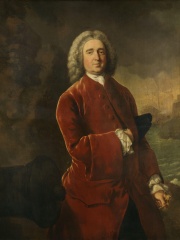
Edward Vernon
1684 - 1757
HPI: 59.85
排名: 1,360
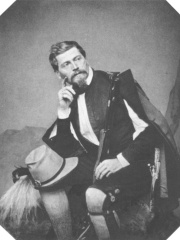
Ludwig Freiherr von und zu der Tann-Rathsamhausen
1815 - 1881
HPI: 59.85
排名: 1,361
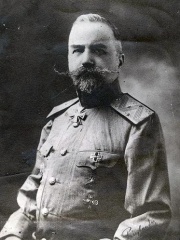
Yevgeny Miller
1867 - 1939
HPI: 59.84
排名: 1,362
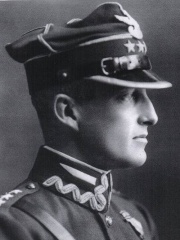
Archduke Leo Karl of Austria
1893 - 1939
HPI: 59.84
排名: 1,363
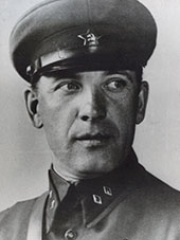
Pavel Kurochkin
1900 - 1989
HPI: 59.83
排名: 1,364
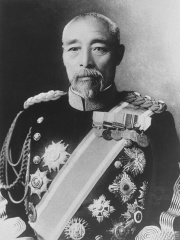
Oku Yasukata
1847 - 1930
HPI: 59.82
排名: 1,365
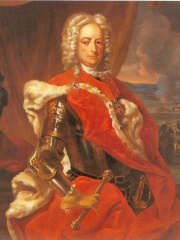
János Pálffy
1664 - 1751
HPI: 59.81
排名: 1,366
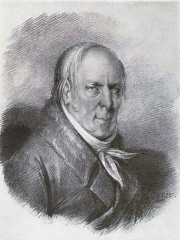
Ivan Gudovich
1741 - 1820
HPI: 59.81
排名: 1,367
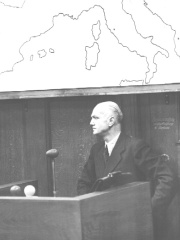
Erwin von Lahousen
1897 - 1955
HPI: 59.81
排名: 1,368
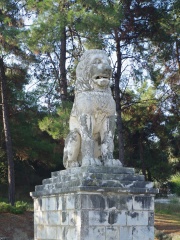
Laomedon of Mytilene
公元前400 - 公元前360
HPI: 59.81
排名: 1,369
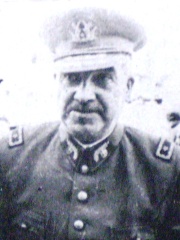
René Schneider
1913 - 1970
HPI: 59.80
排名: 1,370
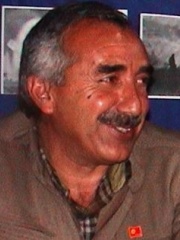
Murat Karayılan
1954 - 2023
HPI: 59.78
排名: 1,371

Bardas Phokas the Elder
878 - 968
HPI: 59.78
排名: 1,372

同时代人物
在1664年出生的人中,János Pálffy排名第14位。 排在他之前的有:John Vanbrugh, Praskovia Saltykova, Magnus Stenbock, Arvid Horn, Count Palatine Francis Louis of Neuburg, 和Alvise Pisani. 排在他之后的有:Torii Kiyonobu I, Margherita Maria Farnese, Nicolas Fatio de Duillier, 和Marfa Apraksina. 在1751年去世的人中,János Pálffy排名第20位。 排在他之前的有:Leopold II, Prince of Anhalt-Dessau, Shah Abdul Latif Bhittai, Kilian Ignaz Dientzenhofer, Robert Maynard, Louise Julie de Mailly-Nesle, 和Princess Gisela Agnes of Anhalt-Köthen. 排在他之后的有:John Machin, Henry St John, 1st Viscount Bolingbroke, Henri François d'Aguesseau, George Graham, 和Benjamin Robins.
其他1664年出生的人
查看全部排名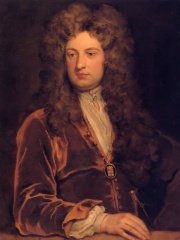
John Vanbrugh
ARCHITECT
1664 - 1726
HPI: 63.54
排名: 8
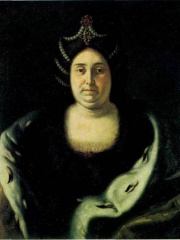
Praskovia Saltykova
POLITICIAN
1664 - 1723
HPI: 62.90
排名: 9
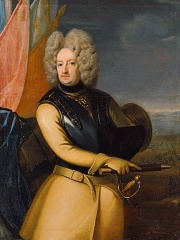
Magnus Stenbock
MILITARY PERSONNEL
1664 - 1717
HPI: 62.44
排名: 10
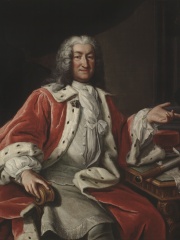
Arvid Horn
POLITICIAN
1664 - 1742
HPI: 62.42
排名: 11
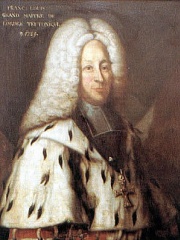
Count Palatine Francis Louis of Neuburg
RELIGIOUS FIGURE
1664 - 1732
HPI: 61.07
排名: 12
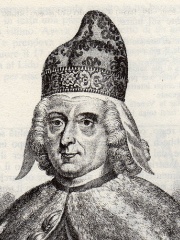
Alvise Pisani
POLITICIAN
1664 - 1741
HPI: 60.58
排名: 13
János Pálffy
MILITARY PERSONNEL
1664 - 1751
HPI: 59.81
排名: 14
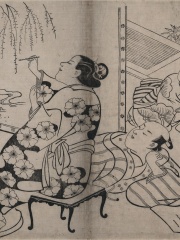
Torii Kiyonobu I
PAINTER
1664 - 1729
HPI: 59.41
排名: 15

Margherita Maria Farnese
POLITICIAN
1664 - 1718
HPI: 58.23
排名: 16
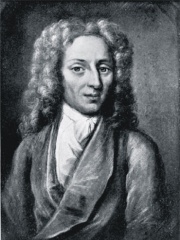
Nicolas Fatio de Duillier
ASTRONOMER
1664 - 1753
HPI: 57.03
排名: 17
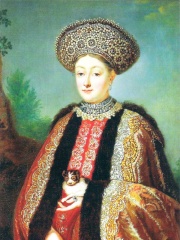
Marfa Apraksina
NOBLEMAN
1664 - 1716
HPI: 56.84
排名: 18
其他1751年去世的人
查看全部排名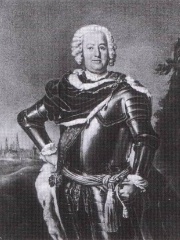
Leopold II, Prince of Anhalt-Dessau
POLITICIAN
1700 - 1751
HPI: 62.63
排名: 14
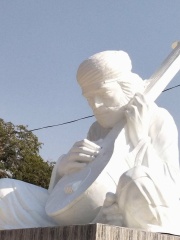
Shah Abdul Latif Bhittai
WRITER
1690 - 1751
HPI: 61.37
排名: 15
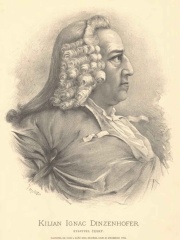
Kilian Ignaz Dientzenhofer
ARCHITECT
1689 - 1751
HPI: 60.97
排名: 16
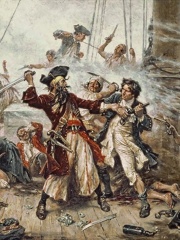
Robert Maynard
MILITARY PERSONNEL
1684 - 1751
HPI: 60.92
排名: 17
Louise Julie de Mailly-Nesle
POLITICIAN
1710 - 1751
HPI: 60.61
排名: 18
Princess Gisela Agnes of Anhalt-Köthen
NOBLEMAN
1722 - 1751
HPI: 60.24
排名: 19
János Pálffy
MILITARY PERSONNEL
1664 - 1751
HPI: 59.81
排名: 20
John Machin
ASTRONOMER
1680 - 1751
HPI: 59.63
排名: 21
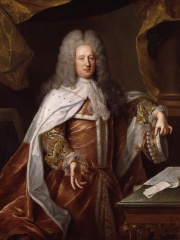
Henry St John, 1st Viscount Bolingbroke
PHILOSOPHER
1678 - 1751
HPI: 58.03
排名: 22
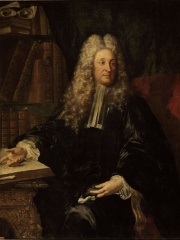
Henri François d'Aguesseau
POLITICIAN
1668 - 1751
HPI: 57.43
排名: 23
George Graham
INVENTOR
1673 - 1751
HPI: 57.38
排名: 24

Benjamin Robins
MATHEMATICIAN
1707 - 1751
HPI: 57.22
排名: 25
在斯洛伐克
在出生于斯洛伐克的人中,János Pálffy排名第112位(共516人)。 排在他之前的有:Dušan Uhrin (1943), Stan Mikita (1940), Ruzena Bajcsy (1933), Matthias Bel (1684), Juraj Haulik (1788), 和Juraj Herz (1934). 排在他之后的有:Frederick Stafford (1928), Maroš Šefčovič (1966), Géza von Radványi (1907), Günther Beck von Mannagetta und Lerchenau (1856), Zoltán Halmay (1881), 和Václav Ježek (1923).

Dušan Uhrin
SOCCER PLAYER
1943 - 至今
HPI: 60.10
排名: 106
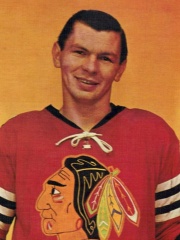
Stan Mikita
HOCKEY PLAYER
1940 - 2018
HPI: 60.07
排名: 107
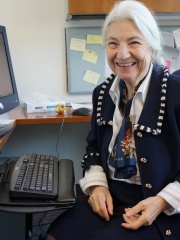
Ruzena Bajcsy
COMPUTER SCIENTIST
1933 - 至今
HPI: 60.06
排名: 108
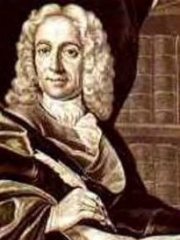
Matthias Bel
PHILOSOPHER
1684 - 1749
HPI: 60.03
排名: 109
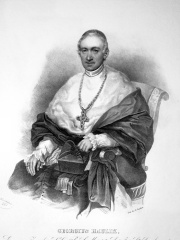
Juraj Haulik
RELIGIOUS FIGURE
1788 - 1869
HPI: 59.94
排名: 110
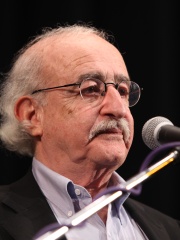
Juraj Herz
FILM DIRECTOR
1934 - 2018
HPI: 59.88
排名: 111
János Pálffy
MILITARY PERSONNEL
1664 - 1751
HPI: 59.81
排名: 112
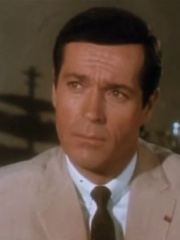
Frederick Stafford
ACTOR
1928 - 1979
HPI: 59.76
排名: 113
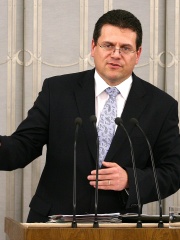
Maroš Šefčovič
POLITICIAN
1966 - 至今
HPI: 59.73
排名: 114
Géza von Radványi
FILM DIRECTOR
1907 - 1986
HPI: 59.68
排名: 115

Günther Beck von Mannagetta und Lerchenau
BIOLOGIST
1856 - 1931
HPI: 59.64
排名: 116
Zoltán Halmay
SOCCER PLAYER
1881 - 1956
HPI: 59.64
排名: 117
Václav Ježek
SOCCER PLAYER
1923 - 1995
HPI: 59.59
排名: 118
在斯洛伐克的军人中
在出生于斯洛伐克的军人中,János Pálffy排名第6位。 排在他之前的有:Maurice Benyovszky (1746), Jozef Gabčík (1912), Pál Maléter (1917), Archduke Joseph Karl of Austria (1833), 和Paul Kray (1735). 排在他之后的有:Ján Nálepka (1912).
Maurice Benyovszky
1746 - 1786
HPI: 70.08
排名: 1
Jozef Gabčík
1912 - 1942
HPI: 69.27
排名: 2
Pál Maléter
1917 - 1958
HPI: 65.69
排名: 3
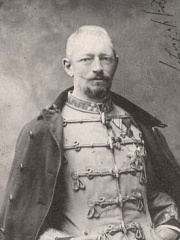
Archduke Joseph Karl of Austria
1833 - 1905
HPI: 64.32
排名: 4
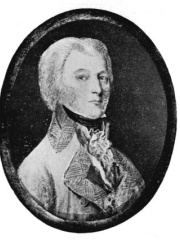
Paul Kray
1735 - 1804
HPI: 60.95
排名: 5
János Pálffy
1664 - 1751
HPI: 59.81
排名: 6
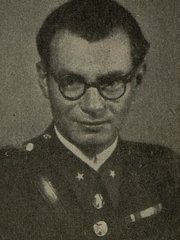
Ján Nálepka
1912 - 1943
HPI: 56.39
排名: 7




