Voetballer
Juan Antonio Pizzi
1968 - heden
NL.WIKIPEDIA PAGE VIEWS (PV)

 Juan Antonio Pizzi
Zijn biografie is beschikbaar in 32 verschillende talen op Wikipedia. Juan Antonio Pizzi staat op plaats 1.750 onder de meest populaire voetballer (gedaald van plaats 1.337 in 2024), plaats 264 onder de meest populaire biografieën uit Argentinië (gedaald van plaats 230 in 2019) en op plaats 104 onder de populairste voetballer uit Argentinië.
Memorability Metrics
130k
Page Views
Past 12 months
58.79
HPI
Historical Popularity Index
Page views of Juan Antonio Pizzi by language
Among Voetballers
Among voetballers, Juan Antonio Pizzi ranks 1,746 out of 21,273. Before him are Giorgio Ferrini, Răzvan Lucescu, Mousa Dembélé, Tomáš Skuhravý, Alex, and Barry Hulshoff. After him are Mario Pizziolo, Eder, Hakim Ziyech, Tom Finney, Dani Olmo, and Gary Stevens.
Most Popular Voetballers in Wikipedia
Go to all Rankings
Giorgio Ferrini
1939 - 1976
HPI: 58.82
Rank: 1,744

Răzvan Lucescu
1969 - Present
HPI: 58.81
Rank: 1,745
Mousa Dembélé
1987 - Present
HPI: 58.81
Rank: 1,746

Tomáš Skuhravý
1965 - Present
HPI: 58.80
Rank: 1,747
Alex
1982 - Present
HPI: 58.80
Rank: 1,748
Barry Hulshoff
1946 - 2020
HPI: 58.80
Rank: 1,749
Juan Antonio Pizzi
1968 - Present
HPI: 58.79
Rank: 1,750
Mario Pizziolo
1909 - 1990
HPI: 58.79
Rank: 1,751

Eder
1987 - Present
HPI: 58.79
Rank: 1,752
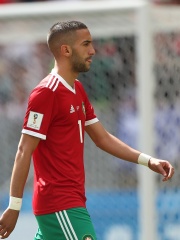
Hakim Ziyech
1993 - Present
HPI: 58.78
Rank: 1,753

Tom Finney
1922 - 2014
HPI: 58.77
Rank: 1,754

Dani Olmo
1998 - Present
HPI: 58.76
Rank: 1,755
Gary Stevens
1963 - Present
HPI: 58.76
Rank: 1,756

Contemporaries
Among people born in 1968, Juan Antonio Pizzi ranks 125. Before him are Choi Jin-sil, Talant Duyshebaev, Hakan Fidan, Cliff Curtis, Mauro Silva, and Margrethe Vestager. After him are Ramush Haradinaj, Herbert Kickl, Benjamin List, Frédéric Vasseur, Sidse Babett Knudsen, and Mevlüt Çavuşoğlu.
Others Born in 1968
Go to all Rankings
Choi Jin-sil
ACTOR
1968 - 2008
HPI: 58.99
Rank: 119

Talant Duyshebaev
HANDBALL PLAYER
1968 - Present
HPI: 58.91
Rank: 120

Hakan Fidan
POLITICIAN
1968 - Present
HPI: 58.88
Rank: 121

Cliff Curtis
ACTOR
1968 - Present
HPI: 58.86
Rank: 122

Mauro Silva
SOCCER PLAYER
1968 - Present
HPI: 58.85
Rank: 123

Margrethe Vestager
POLITICIAN
1968 - Present
HPI: 58.81
Rank: 124
Juan Antonio Pizzi
SOCCER PLAYER
1968 - Present
HPI: 58.79
Rank: 125
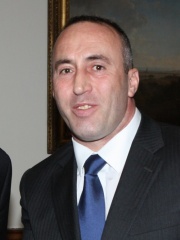
Ramush Haradinaj
POLITICIAN
1968 - Present
HPI: 58.78
Rank: 126

Herbert Kickl
POLITICIAN
1968 - Present
HPI: 58.66
Rank: 127

Benjamin List
CHEMIST
1968 - Present
HPI: 58.62
Rank: 128

Frédéric Vasseur
BUSINESSPERSON
1968 - Present
HPI: 58.61
Rank: 129

Sidse Babett Knudsen
ACTOR
1968 - Present
HPI: 58.58
Rank: 130
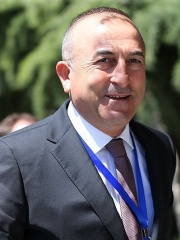
Mevlüt Çavuşoğlu
POLITICIAN
1968 - Present
HPI: 58.55
Rank: 131
In Argentinië
Among people born in Argentinië, Juan Antonio Pizzi ranks 264 out of NaN. Before him are Rogelio Domínguez (1931), Roberto M. Levingston (1920), Horacio Elizondo (1963), Juan Bautista Alberdi (1810), Hilda Bernard (1920), and Victorino de la Plaza (1840). After him are Esteban Echeverría (1805), Luis Moreno Ocampo (1952), José López Rega (1916), Carlos Anaya (1777), Raúl Francisco Primatesta (1919), and Néstor Combin (1939).
Others born in Argentinië
Go to all Rankings
Rogelio Domínguez
SOCCER PLAYER
1931 - 2004
HPI: 58.84
Rank: 258
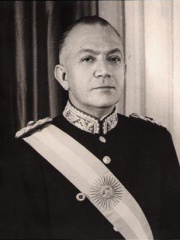
Roberto M. Levingston
POLITICIAN
1920 - 2015
HPI: 58.83
Rank: 259

Horacio Elizondo
REFEREE
1963 - Present
HPI: 58.82
Rank: 260
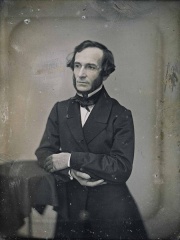
Juan Bautista Alberdi
POLITICIAN
1810 - 1884
HPI: 58.81
Rank: 261
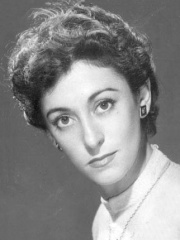
Hilda Bernard
ACTOR
1920 - 2022
HPI: 58.81
Rank: 262
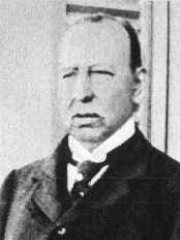
Victorino de la Plaza
POLITICIAN
1840 - 1919
HPI: 58.81
Rank: 263
Juan Antonio Pizzi
SOCCER PLAYER
1968 - Present
HPI: 58.79
Rank: 264
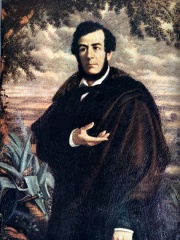
Esteban Echeverría
WRITER
1805 - 1851
HPI: 58.76
Rank: 265

Luis Moreno Ocampo
POLITICIAN
1952 - Present
HPI: 58.74
Rank: 266
José López Rega
POLITICIAN
1916 - 1989
HPI: 58.70
Rank: 267
Carlos Anaya
POLITICIAN
1777 - 1862
HPI: 58.67
Rank: 268
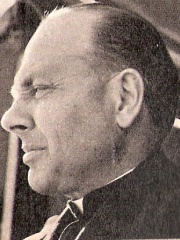
Raúl Francisco Primatesta
RELIGIOUS FIGURE
1919 - 2006
HPI: 58.64
Rank: 269
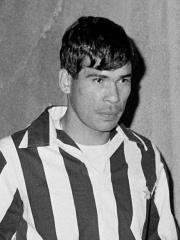
Néstor Combin
SOCCER PLAYER
1939 - Present
HPI: 58.64
Rank: 270
Among Voetballers In Argentinië
Among voetballers born in Argentinië, Juan Antonio Pizzi ranks 104. Before him are Julio Libonatti (1901), Ricardo Bochini (1954), Omar Larrosa (1947), Juan Botasso (1908), Antonio Valentín Angelillo (1937), and Rogelio Domínguez (1931). After him are Néstor Combin (1939), Martín Demichelis (1980), Oscar Ruggeri (1962), José Eulogio Gárate (1944), Antonio Rattín (1937), and José Ramos Delgado (1935).
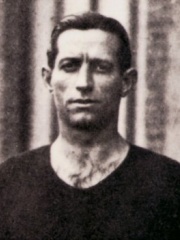
Julio Libonatti
1901 - 1981
HPI: 59.03
Rank: 98
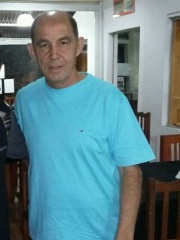
Ricardo Bochini
1954 - Present
HPI: 59.01
Rank: 99
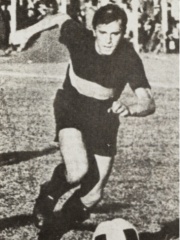
Omar Larrosa
1947 - Present
HPI: 58.96
Rank: 100
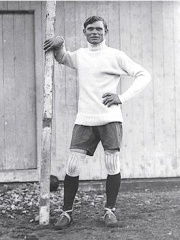
Juan Botasso
1908 - 1950
HPI: 58.92
Rank: 101
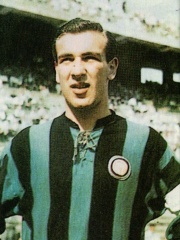
Antonio Valentín Angelillo
1937 - 2018
HPI: 58.91
Rank: 102
Rogelio Domínguez
1931 - 2004
HPI: 58.84
Rank: 103
Juan Antonio Pizzi
1968 - Present
HPI: 58.79
Rank: 104
Néstor Combin
1939 - Present
HPI: 58.64
Rank: 105

Martín Demichelis
1980 - Present
HPI: 58.57
Rank: 106

Oscar Ruggeri
1962 - Present
HPI: 58.52
Rank: 107

José Eulogio Gárate
1944 - Present
HPI: 58.47
Rank: 108
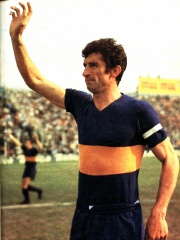
Antonio Rattín
1937 - Present
HPI: 58.44
Rank: 109

José Ramos Delgado
1935 - 2010
HPI: 58.38
Rank: 110




