Polityk
Jorge Carlos Fonseca
1950 - obecnie
PL.WIKIPEDIA PAGE VIEWS (PV)
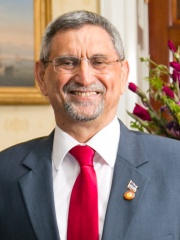
 Jorge Carlos Fonseca
Jego biografia jest dostępna w 53 różnych językach w Wikipedii. Jorge Carlos Fonseca jest 6978. najpopularniejszym polityk (spadek z 6442. w 2024 roku), 4. najpopularniejszą biografią Republika Zielonego Przylądka (wzrost z 5. w 2019 roku) oraz 3. najpopularniejszym polityk Republika Zielonego Przylądka.
Memorability Metrics
37k
Page Views
Past 12 months
64.22
HPI
Historical Popularity Index
Page views of Jorge Carlos Fonseca by language
Among Polityks
Among polityks, Jorge Carlos Fonseca ranks 6,975 out of 19,576. Before him are Nasry Asfura, Cunipert, Princess Märtha Louise of Norway, Rangjung Rigpe Dorje, 16th Karmapa, Emperor Yizong of Tang, and Massimo D'Alema. After him are Ayad Allawi, Abdul Razak Hussein, Tai Jia, Mohammed ben Abdallah, Roger Borsa, and Barbara of Brandenburg.
Most Popular Polityks in Wikipedia
Go to all Rankings
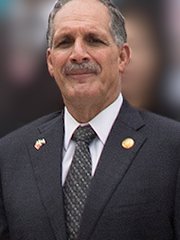
Nasry Asfura
1958 - Present
HPI: 64.22
Rank: 6,972
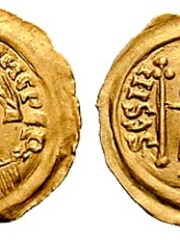
Cunipert
660 - 700
HPI: 64.22
Rank: 6,973
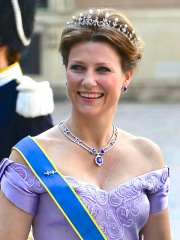
Princess Märtha Louise of Norway
1971 - Present
HPI: 64.22
Rank: 6,974
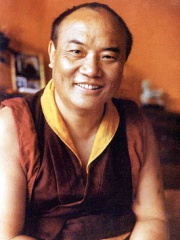
Rangjung Rigpe Dorje, 16th Karmapa
1924 - 1981
HPI: 64.22
Rank: 6,975
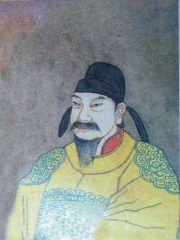
Emperor Yizong of Tang
833 - 873
HPI: 64.22
Rank: 6,976
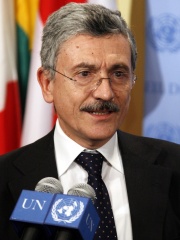
Massimo D'Alema
1949 - Present
HPI: 64.22
Rank: 6,977
Jorge Carlos Fonseca
1950 - Present
HPI: 64.22
Rank: 6,978
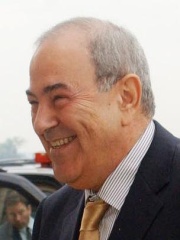
Ayad Allawi
1944 - Present
HPI: 64.22
Rank: 6,979
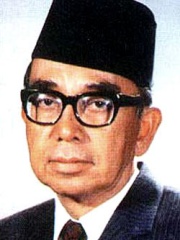
Abdul Razak Hussein
1922 - 1976
HPI: 64.22
Rank: 6,980

Tai Jia
1550 BC - 1720 BC
HPI: 64.21
Rank: 6,981
Mohammed ben Abdallah
1710 - 1790
HPI: 64.21
Rank: 6,982
Roger Borsa
1060 - 1111
HPI: 64.21
Rank: 6,983
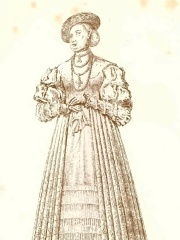
Barbara of Brandenburg
1464 - 1515
HPI: 64.21
Rank: 6,984

Contemporaries
Among people born in 1950, Jorge Carlos Fonseca ranks 118. Before him are Tomomi Seo, Ubaldo Fillol, John Hughes, James Rothman, Javier Clemente, and Googoosh. After him are Eric Carr, Miho Kaneda, Jeffery Deaver, Genesis P-Orridge, Rick Baker, and Charles, Prince Napoléon.
Others Born in 1950
Go to all Rankings
Tomomi Seo
SOCCER PLAYER
1950 - Present
HPI: 64.46
Rank: 112
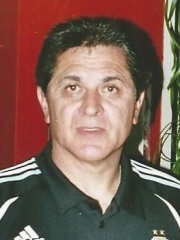
Ubaldo Fillol
SOCCER PLAYER
1950 - Present
HPI: 64.40
Rank: 113
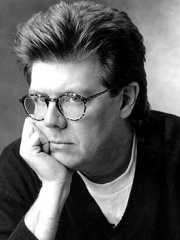
John Hughes
FILM DIRECTOR
1950 - 2009
HPI: 64.35
Rank: 114
James Rothman
BIOLOGIST
1950 - Present
HPI: 64.28
Rank: 115

Javier Clemente
SOCCER PLAYER
1950 - Present
HPI: 64.24
Rank: 116
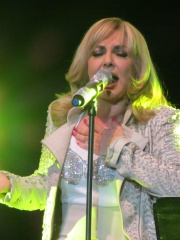
Googoosh
SINGER
1950 - Present
HPI: 64.22
Rank: 117
Jorge Carlos Fonseca
POLITICIAN
1950 - Present
HPI: 64.22
Rank: 118
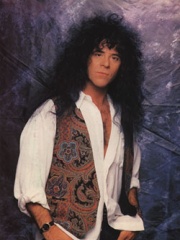
Eric Carr
MUSICIAN
1950 - 1991
HPI: 64.21
Rank: 119

Miho Kaneda
SOCCER PLAYER
1950 - Present
HPI: 64.08
Rank: 120

Jeffery Deaver
WRITER
1950 - Present
HPI: 64.06
Rank: 121
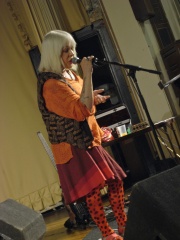
Genesis P-Orridge
SINGER
1950 - 2020
HPI: 64.04
Rank: 122
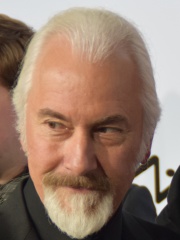
Rick Baker
ACTOR
1950 - Present
HPI: 63.96
Rank: 123
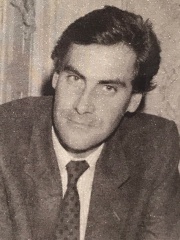
Charles, Prince Napoléon
POLITICIAN
1950 - Present
HPI: 63.95
Rank: 124
In Republika Zielonego Przylądka
Among people born in Republika Zielonego Przylądka, Jorge Carlos Fonseca ranks 4 out of NaN. Before him are Cesária Évora (1941), Aristides Pereira (1923), and Pedro Pires (1934). After him are António Mascarenhas Monteiro (1944), José Maria Neves (1960), Arlindo Gomes Furtado (1949), Ulisses Correia e Silva (1962), Gualberto do Rosário (1950), Carlos Veiga (1949), Rolando (1985), and Gelson Fernandes (1986).
Others born in Republika Zielonego Przylądka
Go to all Rankings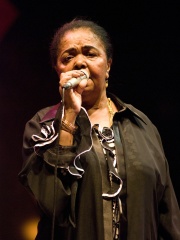
Cesária Évora
SINGER
1941 - 2011
HPI: 77.35
Rank: 1
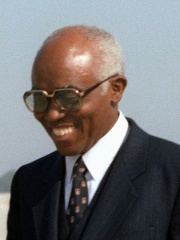
Aristides Pereira
POLITICIAN
1923 - 2011
HPI: 68.03
Rank: 2
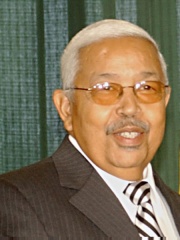
Pedro Pires
POLITICIAN
1934 - Present
HPI: 66.16
Rank: 3
Jorge Carlos Fonseca
POLITICIAN
1950 - Present
HPI: 64.22
Rank: 4
António Mascarenhas Monteiro
POLITICIAN
1944 - 2016
HPI: 63.72
Rank: 5
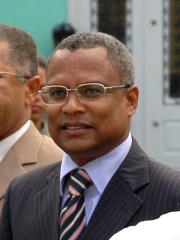
José Maria Neves
POLITICIAN
1960 - Present
HPI: 63.55
Rank: 6
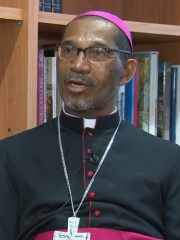
Arlindo Gomes Furtado
RELIGIOUS FIGURE
1949 - Present
HPI: 62.43
Rank: 7
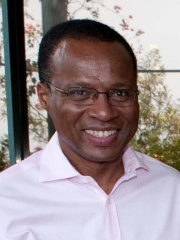
Ulisses Correia e Silva
POLITICIAN
1962 - Present
HPI: 59.01
Rank: 8

Gualberto do Rosário
POLITICIAN
1950 - Present
HPI: 57.61
Rank: 9
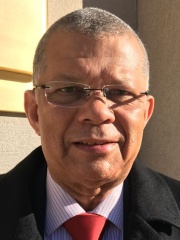
Carlos Veiga
POLITICIAN
1949 - Present
HPI: 57.38
Rank: 10
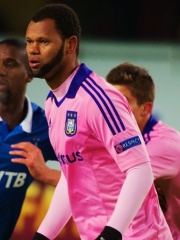
Rolando
SOCCER PLAYER
1985 - Present
HPI: 52.90
Rank: 11
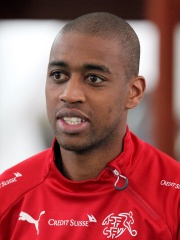
Gelson Fernandes
SOCCER PLAYER
1986 - Present
HPI: 51.28
Rank: 12
Among Polityks In Republika Zielonego Przylądka
Among polityks born in Republika Zielonego Przylądka, Jorge Carlos Fonseca ranks 3. Before him are Aristides Pereira (1923), and Pedro Pires (1934). After him are António Mascarenhas Monteiro (1944), José Maria Neves (1960), Ulisses Correia e Silva (1962), Gualberto do Rosário (1950), and Carlos Veiga (1949).
Aristides Pereira
1923 - 2011
HPI: 68.03
Rank: 1
Pedro Pires
1934 - Present
HPI: 66.16
Rank: 2
Jorge Carlos Fonseca
1950 - Present
HPI: 64.22
Rank: 3
António Mascarenhas Monteiro
1944 - 2016
HPI: 63.72
Rank: 4
José Maria Neves
1960 - Present
HPI: 63.55
Rank: 5
Ulisses Correia e Silva
1962 - Present
HPI: 59.01
Rank: 6
Gualberto do Rosário
1950 - Present
HPI: 57.61
Rank: 7
Carlos Veiga
1949 - Present
HPI: 57.38
Rank: 8




