运动员
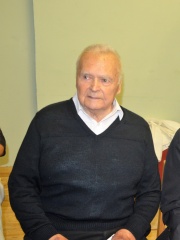
Imre Polyák
1932 - 2010
ZH.WIKIPEDIA 页面浏览量 (PV)
 Imre Polyák
知名度指标
4.5k
页面浏览量
过去12个月
57.79
HPI
历史知名度指数
数据洞察
#506 / 14k
Imre Polyák在全球 13,875 位运动员中排名第 506,位居该职业前 4%。
Imre Polyák的各语言页面浏览量
在运动员中
在运动员中,Imre Polyák排名第506位(共13,875人)。 排在他之前的有:Gustavo Marzi, Armas Toivonen, John Winter, Xenia Stad-de Jong, Alexander Ragulin, 和Tamara Tyshkevich. 排在他之后的有:Anatoly Alyabyev, Goran Sukno, Kjell Bäckman, Ioannis Theodoropoulos, Arvo Askola, 和William Gilmore.
维基百科上最受欢迎的运动员
查看全部排名
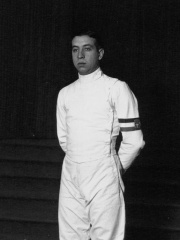
Gustavo Marzi
1908 - 1966
HPI: 57.82
排名: 500

Armas Toivonen
1899 - 1973
HPI: 57.81
排名: 501
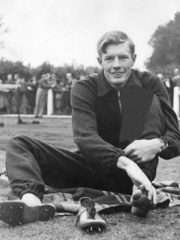
John Winter
1924 - 2007
HPI: 57.81
排名: 502

Xenia Stad-de Jong
1922 - 2012
HPI: 57.81
排名: 503

Alexander Ragulin
1941 - 2004
HPI: 57.80
排名: 504
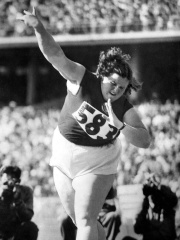
Tamara Tyshkevich
1931 - 1997
HPI: 57.80
排名: 505
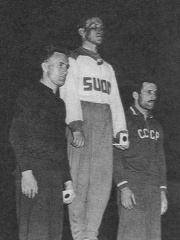
Imre Polyák
1932 - 2010
HPI: 57.79
排名: 506

Anatoly Alyabyev
1951 - 2022
HPI: 57.78
排名: 507
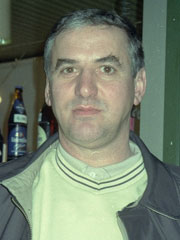
Goran Sukno
1959 - 2026
HPI: 57.77
排名: 508
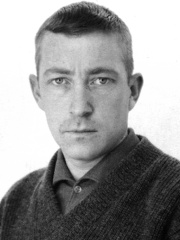
Kjell Bäckman
1934 - 2019
HPI: 57.76
排名: 509

Ioannis Theodoropoulos
1900 - 至今
HPI: 57.75
排名: 510
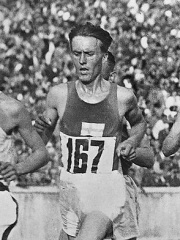
Arvo Askola
1909 - 1975
HPI: 57.75
排名: 511
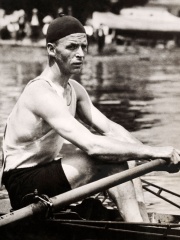
William Gilmore
1895 - 1969
HPI: 57.74
排名: 512

同时代人物
在1932年出生的人中,Imre Polyák排名第293位。 排在他之前的有:Tormod Knutsen, Luis Ayala, Medea Abrahamyan, Antti Hyvärinen, Ernest Pohl, 和Michel Leblond. 排在他之后的有:Sven Lindqvist, Josef Musil, Raul Cortez, Edmund Wickham Lawrence, Lajos Csordás, 和Sígfrid Gràcia. 在2010年去世的人中,Imre Polyák排名第239位。 排在他之前的有:Jacqueline de Romilly, Gheorghe Apostol, Marie Osborne Yeats, Geoffrey Burbidge, Zoltán Varga, 和Ronald Neame. 排在他之后的有:Robert Byrd, Dixie Carter, Nelly Landry, Jamie Gillis, Stephen J. Cannell, 和Bernard-Pierre Donnadieu.
其他1932年出生的人
查看全部排名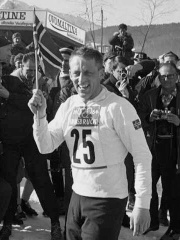
Tormod Knutsen
SKIER
1932 - 2021
HPI: 57.90
排名: 287
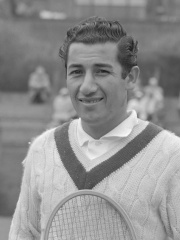
Luis Ayala
TENNIS PLAYER
1932 - 2024
HPI: 57.90
排名: 288
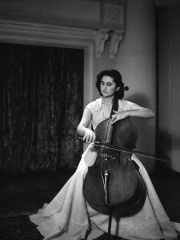
Medea Abrahamyan
MUSICIAN
1932 - 2021
HPI: 57.88
排名: 289
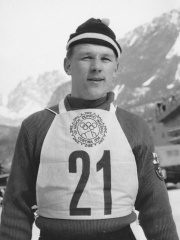
Antti Hyvärinen
SKIER
1932 - 2000
HPI: 57.85
排名: 290
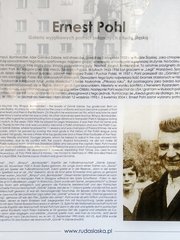
Ernest Pohl
SOCCER PLAYER
1932 - 1995
HPI: 57.84
排名: 291

Michel Leblond
SOCCER PLAYER
1932 - 2009
HPI: 57.79
排名: 292
Imre Polyák
ATHLETE
1932 - 2010
HPI: 57.79
排名: 293

Sven Lindqvist
WRITER
1932 - 2019
HPI: 57.72
排名: 294

Josef Musil
VOLLEYBALL PLAYER
1932 - 2017
HPI: 57.72
排名: 295
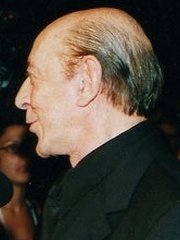
Raul Cortez
ACTOR
1932 - 2006
HPI: 57.71
排名: 296

Edmund Wickham Lawrence
POLITICIAN
1932 - 至今
HPI: 57.71
排名: 297

Lajos Csordás
SOCCER PLAYER
1932 - 1968
HPI: 57.67
排名: 298
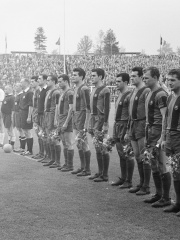
Sígfrid Gràcia
SOCCER PLAYER
1932 - 2005
HPI: 57.60
排名: 299
其他2010年去世的人
查看全部排名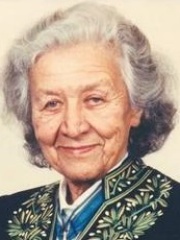
Jacqueline de Romilly
WRITER
1913 - 2010
HPI: 57.95
排名: 233
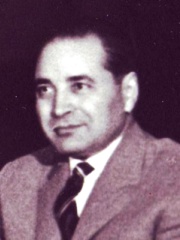
Gheorghe Apostol
POLITICIAN
1913 - 2010
HPI: 57.93
排名: 234

Marie Osborne Yeats
ACTOR
1911 - 2010
HPI: 57.92
排名: 235
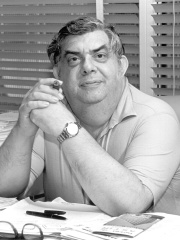
Geoffrey Burbidge
ASTRONOMER
1925 - 2010
HPI: 57.91
排名: 236
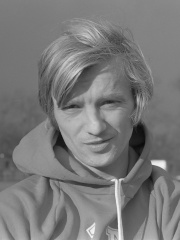
Zoltán Varga
SOCCER PLAYER
1945 - 2010
HPI: 57.85
排名: 237
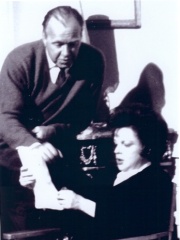
Ronald Neame
FILM DIRECTOR
1911 - 2010
HPI: 57.84
排名: 238
Imre Polyák
ATHLETE
1932 - 2010
HPI: 57.79
排名: 239
Robert Byrd
POLITICIAN
1917 - 2010
HPI: 57.77
排名: 240
Dixie Carter
ACTOR
1939 - 2010
HPI: 57.73
排名: 241

Nelly Landry
TENNIS PLAYER
1916 - 2010
HPI: 57.67
排名: 242

Jamie Gillis
PORNOGRAPHIC ACTOR
1943 - 2010
HPI: 57.60
排名: 243

Stephen J. Cannell
PRODUCER
1941 - 2010
HPI: 57.60
排名: 244

Bernard-Pierre Donnadieu
ACTOR
1949 - 2010
HPI: 57.57
排名: 245
在匈牙利
在出生于匈牙利的人中,Imre Polyák排名第477位(共1,306人)。 排在他之前的有:Zoltán Varga (1945), Jenő Jandó (1952), Alexandre Trauner (1906), Edith Bruck (1931), József Tóth (1929), 和Yuriy Venelin (1802). 排在他之后的有:Ilona Novák (1925), Iván Menczel (1941), Ádám Fischer (1949), János Farkas (1942), Franciska Gaal (1903), 和Archduchess Maria Dorothea of Austria (1867).
Zoltán Varga
SOCCER PLAYER
1945 - 2010
HPI: 57.85
排名: 471

Jenő Jandó
MUSICIAN
1952 - 2023
HPI: 57.85
排名: 472
Alexandre Trauner
FILM DIRECTOR
1906 - 1993
HPI: 57.84
排名: 473
Edith Bruck
WRITER
1931 - 至今
HPI: 57.84
排名: 474

József Tóth
SOCCER PLAYER
1929 - 2017
HPI: 57.83
排名: 475
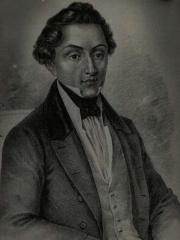
Yuriy Venelin
WRITER
1802 - 1839
HPI: 57.81
排名: 476
Imre Polyák
ATHLETE
1932 - 2010
HPI: 57.79
排名: 477
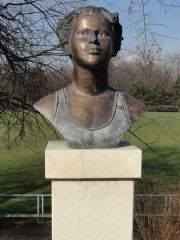
Ilona Novák
SWIMMER
1925 - 2019
HPI: 57.78
排名: 478

Iván Menczel
SOCCER PLAYER
1941 - 2011
HPI: 57.70
排名: 479
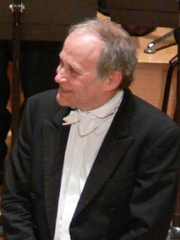
Ádám Fischer
CONDUCTOR
1949 - 至今
HPI: 57.70
排名: 480
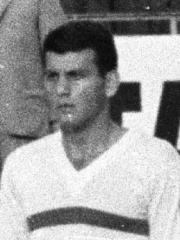
János Farkas
SOCCER PLAYER
1942 - 1989
HPI: 57.69
排名: 481

Franciska Gaal
ACTOR
1903 - 1972
HPI: 57.67
排名: 482
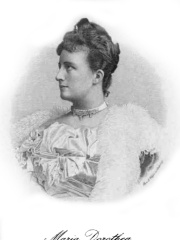
Archduchess Maria Dorothea of Austria
NOBLEMAN
1867 - 1932
HPI: 57.67
排名: 483
在匈牙利的运动员中
在出生于匈牙利的运动员中,Imre Polyák排名第21位。 排在他之前的有:Gergely Kulcsár (1934), László Berti (1875), Tamás Mendelényi (1936), Imre Harangi (1913), Ödön Földessy (1929), 和Olivér Halassy (1909). 排在他之后的有:Gyula Török (1938), Richard Thompson (null), Ervin Mészáros (1877), Tibor Tatai (1944), György Bródy (1908), 和István Szondy (1925).
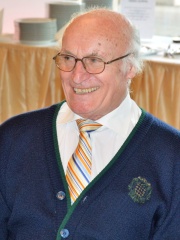
Gergely Kulcsár
1934 - 2020
HPI: 58.91
排名: 15
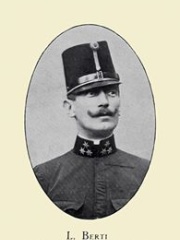
László Berti
1875 - 1952
HPI: 58.62
排名: 16

Tamás Mendelényi
1936 - 1999
HPI: 58.58
排名: 17
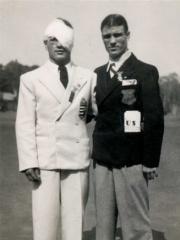
Imre Harangi
1913 - 1979
HPI: 58.55
排名: 18
Ödön Földessy
1929 - 2020
HPI: 58.30
排名: 19
Olivér Halassy
1909 - 1946
HPI: 57.94
排名: 20
Imre Polyák
1932 - 2010
HPI: 57.79
排名: 21
Gyula Török
1938 - 2014
HPI: 57.11
排名: 22

Richard Thompson
HPI: 57.04
排名: 23

Ervin Mészáros
1877 - 1940
HPI: 56.92
排名: 24

Tibor Tatai
1944 - 至今
HPI: 56.30
排名: 25
György Bródy
1908 - 1967
HPI: 56.26
排名: 26
István Szondy
1925 - 2017
HPI: 56.23
排名: 27




