سياسي
Ibrahim II of Ifriqiya
850 - 902
AR.WIKIPEDIA PAGE VIEWS (PV)
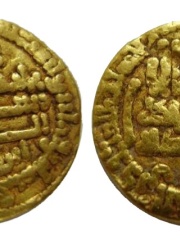
 Ibrahim II of Ifriqiya
سيرته الذاتية متاحة بـ20 لغة مختلفة على ويكيبيديا (زيادة من 17 في 2024). يحتل Ibrahim II of Ifriqiya المرتبة 11,622 بين أكثر سياسي شعبيةً (تقدمًا من 13,660 في 2024)، والمرتبة 70 بين أكثر السير الذاتية شعبيةً في تونس (تقدمًا من 89 في 2019)، كما يحتل المرتبة 37 بين أكثر سياسي من تونس شعبيةً.
Memorability Metrics
10k
Page Views
Past 12 months
59.72
HPI
Historical Popularity Index
Page views of Ibrahim II of Ifriqiya by language
Among سياسي
Among سياسي, Ibrahim II of Ifriqiya ranks 11,616 out of 19,576. Before him are Jaime Lusinchi, Ashina Xichun, Margaret of Burgundy, Queen of Sicily, Kâmil Pasha, John Komnenos, and Sneferka. After him are Hans Hedtoft, Liu Ziye, Alvise II Mocenigo, Bernhard III, Margrave of Baden-Baden, Vazgen Sargsyan, and Marcus Livius Salinator.
Most Popular سياسي in Wikipedia
Go to all Rankings
Jaime Lusinchi
1924 - 2014
HPI: 59.73
Rank: 11,616

Ashina Xichun
550 - 620
HPI: 59.73
Rank: 11,617
Margaret of Burgundy, Queen of Sicily
1250 - 1308
HPI: 59.73
Rank: 11,618
Kâmil Pasha
1833 - 1913
HPI: 59.73
Rank: 11,619
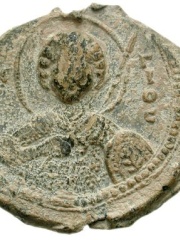
John Komnenos
1015 - 1067
HPI: 59.72
Rank: 11,620
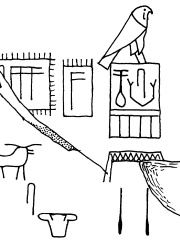
Sneferka
2800 BC - Present
HPI: 59.72
Rank: 11,621
Ibrahim II of Ifriqiya
850 - 902
HPI: 59.72
Rank: 11,622
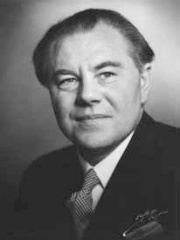
Hans Hedtoft
1903 - 1955
HPI: 59.72
Rank: 11,623
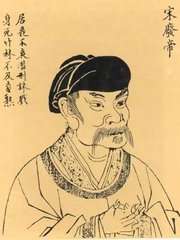
Liu Ziye
449 - 466
HPI: 59.72
Rank: 11,624
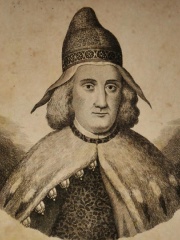
Alvise II Mocenigo
1628 - 1709
HPI: 59.72
Rank: 11,625
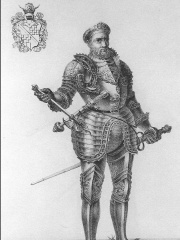
Bernhard III, Margrave of Baden-Baden
1474 - 1536
HPI: 59.72
Rank: 11,626
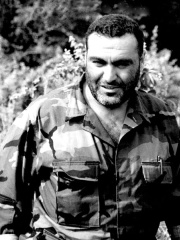
Vazgen Sargsyan
1959 - 1999
HPI: 59.72
Rank: 11,627

Marcus Livius Salinator
300 BC - 260 BC
HPI: 59.72
Rank: 11,628

Contemporaries
Among people born in 850, Ibrahim II of Ifriqiya ranks 31. Before him are Stephen II of Constantinople, Ageltrude, Branimir of Croatia, Galindo Aznárez II, Nikephoros Phokas the Elder, and Adelaide of Paris. After him are Gerolf of Holland, Yahya ibn al-Qasim, Orso II Participazio, Abu Said Gorgani, Diego Rodríguez Porcelos, and Ranulf II of Aquitaine. Among people deceased in 902, Ibrahim II of Ifriqiya ranks 3. Before him are Al-Mu'tadid, and Ealhswith.
Others Born in 850
Go to all Rankings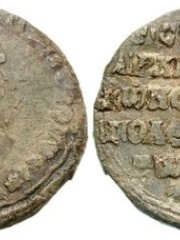
Stephen II of Constantinople
RELIGIOUS FIGURE
850 - 927
HPI: 62.20
Rank: 25

Ageltrude
NOBLEMAN
850 - 923
HPI: 62.07
Rank: 26
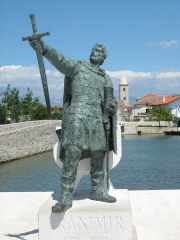
Branimir of Croatia
NOBLEMAN
850 - 892
HPI: 62.03
Rank: 27
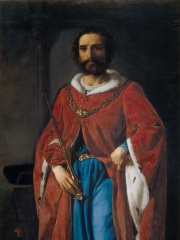
Galindo Aznárez II
POLITICIAN
850 - 923
HPI: 61.83
Rank: 28
Nikephoros Phokas the Elder
MILITARY PERSONNEL
850 - 890
HPI: 61.82
Rank: 29
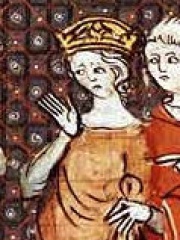
Adelaide of Paris
POLITICIAN
850 - 901
HPI: 61.71
Rank: 30
Ibrahim II of Ifriqiya
POLITICIAN
850 - 902
HPI: 59.72
Rank: 31

Gerolf of Holland
POLITICIAN
850 - 898
HPI: 59.27
Rank: 32

Yahya ibn al-Qasim
POLITICIAN
850 - 904
HPI: 58.63
Rank: 33
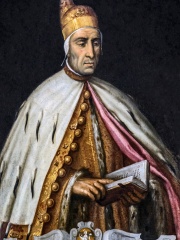
Orso II Participazio
POLITICIAN
850 - 932
HPI: 58.12
Rank: 34

Abu Said Gorgani
MATHEMATICIAN
850 - 845
HPI: 57.79
Rank: 35
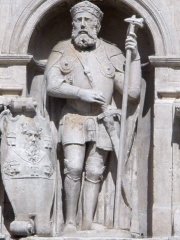
Diego Rodríguez Porcelos
NOBLEMAN
850 - 885
HPI: 57.63
Rank: 36

Ranulf II of Aquitaine
POLITICIAN
850 - 890
HPI: 57.46
Rank: 37
Others Deceased in 902
Go to all Rankings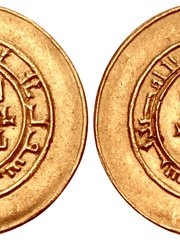
Al-Mu'tadid
POLITICIAN
854 - 902
HPI: 69.57
Rank: 1
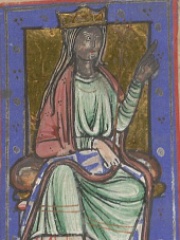
Ealhswith
COMPANION
852 - 902
HPI: 63.57
Rank: 2
Ibrahim II of Ifriqiya
POLITICIAN
850 - 902
HPI: 59.72
Rank: 3
In تونس
Among people born in تونس, Ibrahim II of Ifriqiya ranks 70 out of NaN. Before him are Abdellatif Kechiche (1960), Hamadi Jebali (1949), Gisèle Halimi (1927), Dracontius (455), Nicola Pietrangeli (1933), and Yusuf ibn 'Abd al-Rahman al-Fihri (711). After him are Tewhida Ben Sheikh (1909), Sitt al-Mulk (970), Mohammed Mzali (1925), Hédi Baccouche (1930), Aboul-Qacem Echebbi (1909), and Hamed Karoui (1927).
Others born in تونس
Go to all Rankings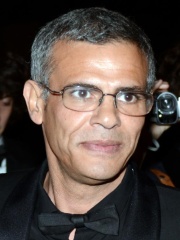
Abdellatif Kechiche
ACTOR
1960 - Present
HPI: 60.72
Rank: 64
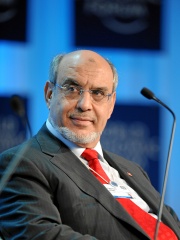
Hamadi Jebali
POLITICIAN
1949 - Present
HPI: 60.59
Rank: 65
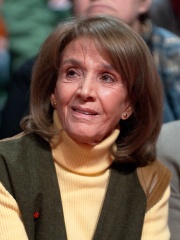
Gisèle Halimi
WRITER
1927 - 2020
HPI: 60.45
Rank: 66

Dracontius
WRITER
455 - 505
HPI: 60.42
Rank: 67
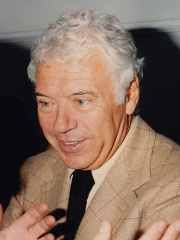
Nicola Pietrangeli
TENNIS PLAYER
1933 - 2025
HPI: 60.37
Rank: 68

Yusuf ibn 'Abd al-Rahman al-Fihri
POLITICIAN
711 - 759
HPI: 60.07
Rank: 69
Ibrahim II of Ifriqiya
POLITICIAN
850 - 902
HPI: 59.72
Rank: 70
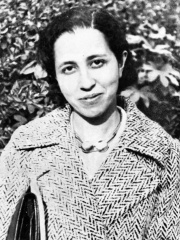
Tewhida Ben Sheikh
PHYSICIAN
1909 - 2010
HPI: 59.47
Rank: 71

Sitt al-Mulk
POLITICIAN
970 - 1023
HPI: 59.37
Rank: 72
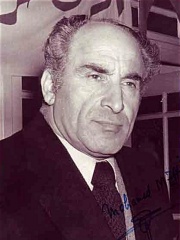
Mohammed Mzali
POLITICIAN
1925 - 2010
HPI: 58.85
Rank: 73
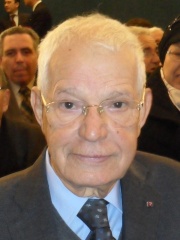
Hédi Baccouche
POLITICIAN
1930 - 2020
HPI: 58.43
Rank: 74
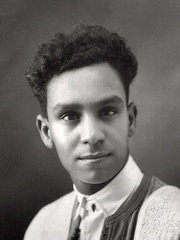
Aboul-Qacem Echebbi
WRITER
1909 - 1934
HPI: 58.26
Rank: 75
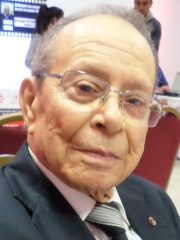
Hamed Karoui
POLITICIAN
1927 - 2020
HPI: 58.19
Rank: 76
Among سياسي In تونس
Among سياسي born in تونس, Ibrahim II of Ifriqiya ranks 37. Before him are Mohamed Ennaceur (1934), Najla Bouden (1958), Hannibal Mago (-471), Bertrand Delanoë (1950), Hamadi Jebali (1949), and Yusuf ibn 'Abd al-Rahman al-Fihri (711). After him are Sitt al-Mulk (970), Mohammed Mzali (1925), Hédi Baccouche (1930), Hamed Karoui (1927), Habib Essid (1949), and Rachid Sfar (1933).
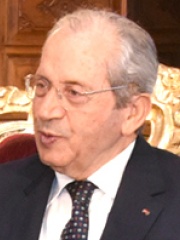
Mohamed Ennaceur
1934 - Present
HPI: 62.78
Rank: 31
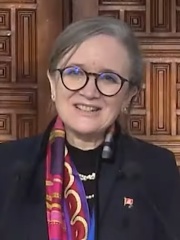
Najla Bouden
1958 - Present
HPI: 62.54
Rank: 32

Hannibal Mago
471 BC - 406 BC
HPI: 61.56
Rank: 33
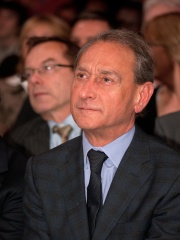
Bertrand Delanoë
1950 - Present
HPI: 61.23
Rank: 34
Hamadi Jebali
1949 - Present
HPI: 60.59
Rank: 35
Yusuf ibn 'Abd al-Rahman al-Fihri
711 - 759
HPI: 60.07
Rank: 36
Ibrahim II of Ifriqiya
850 - 902
HPI: 59.72
Rank: 37
Sitt al-Mulk
970 - 1023
HPI: 59.37
Rank: 38
Mohammed Mzali
1925 - 2010
HPI: 58.85
Rank: 39
Hédi Baccouche
1930 - 2020
HPI: 58.43
Rank: 40
Hamed Karoui
1927 - 2020
HPI: 58.19
Rank: 41
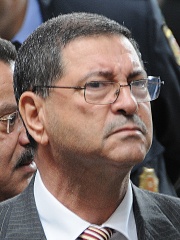
Habib Essid
1949 - Present
HPI: 57.89
Rank: 42
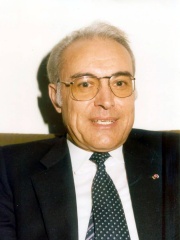
Rachid Sfar
1933 - 2023
HPI: 57.68
Rank: 43




