Политик
Hipólito Mejía
1941 - настоящее время
ПРОСМОТРЫ RU.WIKIPEDIA (PV)

 Hipólito Mejía
Его биография доступна на 23 различных языках в Википедии (рост с 22 в 2024 году). Hipólito Mejía занимает 12561-е место среди самых популярных политик (снижение с 12451-е места в 2024 году), занимает 17-е место среди самых популярных биографий из Доминиканская Республики (снижение с 16-е места в 2019 году) и занимает 11-е место среди политик Доминиканская Республика.
Метрики памятности
46k
Просмотры страниц
За последние 12 месяцев
58.76
HPI
Индекс исторической популярности
Интересные факты
23
Биография Hipólito Mejía представлена в 23 языковых разделах Википедии, а Индекс исторической популярности составляет 58.76.
Просмотры страницы Hipólito Mejía по языкам
Среди представителей профессии «Политик»
Среди представителей профессии «Политик» Hipólito Mejía занимает 12,555-е место из 20,022. Перед ним идут Reniero Zeno, Adolf Ogi, Pedro Castillo, Alvise Contarini, Mago I of Carthage, и Acfred, Duke of Aquitaine. После него идут Konoe Sakihisa, Qiao Shi, Eduardo López de Romaña, Beatrice of France, Louis of Burgundy, и Kim Kielsen.
Самые популярные в Википедии: Политик
Все рейтинги
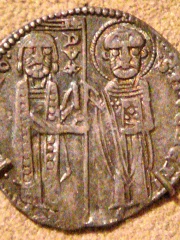
Reniero Zeno
1250 - 1268
HPI: 58.77
Место: 12,555
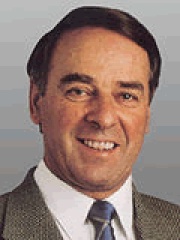
Adolf Ogi
1942 - наст. время
HPI: 58.77
Место: 12,556
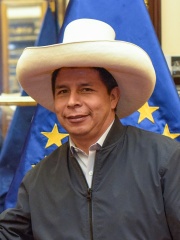
Pedro Castillo
1969 - наст. время
HPI: 58.77
Место: 12,557
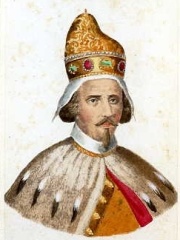
Alvise Contarini
1601 - 1684
HPI: 58.77
Место: 12,558

Mago I of Carthage
550 до н. э. - наст. время
HPI: 58.77
Место: 12,559

Acfred, Duke of Aquitaine
860 - 927
HPI: 58.76
Место: 12,560
Hipólito Mejía
1941 - наст. время
HPI: 58.76
Место: 12,561

Konoe Sakihisa
1536 - 1612
HPI: 58.76
Место: 12,562
Qiao Shi
1924 - 2015
HPI: 58.76
Место: 12,563
Eduardo López de Romaña
1847 - 1912
HPI: 58.76
Место: 12,564
Beatrice of France
938 - 1003
HPI: 58.75
Место: 12,565
Louis of Burgundy
1297 - 1316
HPI: 58.75
Место: 12,566
Kim Kielsen
1966 - наст. время
HPI: 58.75
Место: 12,567

Современники
Среди людей, родившихся в 1941 году, Hipólito Mejía занимает 304-е место. Перед ним идут Félix Rodríguez, Robert McKee, Tatyana Kuznetsova, Rosalind E. Krauss, Michael Moriarty, и Jacob Nena. После него идут Júlia Várady, Sally Kirkland, Jesús Moncada, Takehide Nakatani, Wolfgang Hofmann, и Pedro Carmona.
Другие люди, родившиеся в 1941 году
Все рейтинги
Félix Rodríguez
MILITARY PERSONNEL
1941 - наст. время
HPI: 59.04
Место: 298
Robert McKee
WRITER
1941 - наст. время
HPI: 59.01
Место: 299

Tatyana Kuznetsova
ASTRONAUT
1941 - 2018
HPI: 58.89
Место: 300

Rosalind E. Krauss
CRITIC
1941 - наст. время
HPI: 58.82
Место: 301

Michael Moriarty
ACTOR
1941 - наст. время
HPI: 58.79
Место: 302
Jacob Nena
POLITICIAN
1941 - 2022
HPI: 58.77
Место: 303
Hipólito Mejía
POLITICIAN
1941 - наст. время
HPI: 58.76
Место: 304

Júlia Várady
SINGER
1941 - наст. время
HPI: 58.75
Место: 305
Sally Kirkland
ACTOR
1941 - 2025
HPI: 58.75
Место: 306
Jesús Moncada
WRITER
1941 - 2005
HPI: 58.72
Место: 307

Takehide Nakatani
WRESTLER
1941 - наст. время
HPI: 58.71
Место: 308

Wolfgang Hofmann
WRESTLER
1941 - 2020
HPI: 58.62
Место: 309
Pedro Carmona
POLITICIAN
1941 - наст. время
HPI: 58.62
Место: 310
В стране Доминиканская Республика
Среди людей, родившихся в стране Доминиканская Республика, Hipólito Mejía занимает 17-е место из 117. Перед ним идут Máximo Gómez (1836), Héctor Trujillo (1908), Juan Bosch (1909), Luis Abinader (1967), Salvador Jorge Blanco (1926), и Juan Luis Guerra (1957). После него идут Ulises Heureaux (1845), Antonio Guzmán Fernández (1911), Johnny Pacheco (1935), Buenaventura Báez (1812), Horacio Vásquez (1860), и Michel Camilo (1954).
Другие люди, родившиеся в стране Доминиканская Республика
Все рейтинги
Máximo Gómez
MILITARY PERSONNEL
1836 - 1905
HPI: 60.81
Место: 11
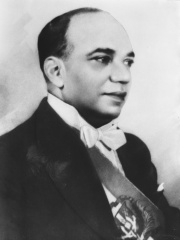
Héctor Trujillo
POLITICIAN
1908 - 2002
HPI: 59.77
Место: 12
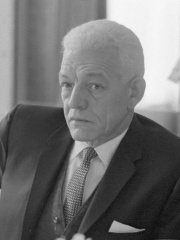
Juan Bosch
POLITICIAN
1909 - 2001
HPI: 59.67
Место: 13

Luis Abinader
POLITICIAN
1967 - наст. время
HPI: 59.54
Место: 14
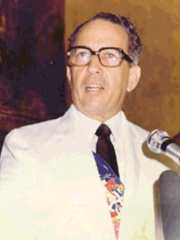
Salvador Jorge Blanco
POLITICIAN
1926 - 2010
HPI: 59.39
Место: 15

Juan Luis Guerra
MUSICIAN
1957 - наст. время
HPI: 59.05
Место: 16
Hipólito Mejía
POLITICIAN
1941 - наст. время
HPI: 58.76
Место: 17
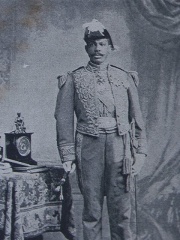
Ulises Heureaux
POLITICIAN
1845 - 1899
HPI: 58.11
Место: 18

Antonio Guzmán Fernández
POLITICIAN
1911 - 1982
HPI: 57.90
Место: 19
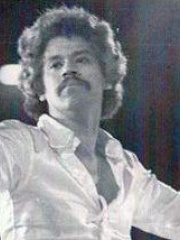
Johnny Pacheco
SINGER
1935 - 2021
HPI: 57.26
Место: 20

Buenaventura Báez
POLITICIAN
1812 - 1884
HPI: 57.08
Место: 21
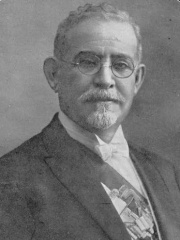
Horacio Vásquez
POLITICIAN
1860 - 1936
HPI: 56.60
Место: 22
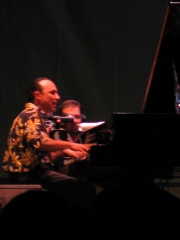
Michel Camilo
MUSICIAN
1954 - наст. время
HPI: 56.42
Место: 23
Среди представителей профессии «Политик» в стране Доминиканская Республика
Среди представителей профессии «Политик», родившихся в стране Доминиканская Республика, Hipólito Mejía занимает 11-е место. Перед ним идут Danilo Medina (1951), Leonel Fernández (1953), Héctor Trujillo (1908), Juan Bosch (1909), Luis Abinader (1967), и Salvador Jorge Blanco (1926). После него идут Ulises Heureaux (1845), Antonio Guzmán Fernández (1911), Buenaventura Báez (1812), Horacio Vásquez (1860), Sonia Pierre (1963), и Adriano Espaillat (1954).
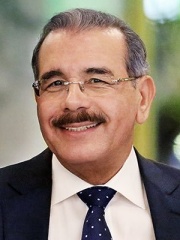
Danilo Medina
1951 - наст. время
HPI: 61.52
Место: 5
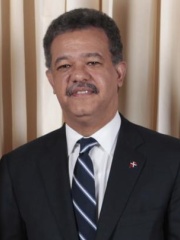
Leonel Fernández
1953 - наст. время
HPI: 61.28
Место: 6
Héctor Trujillo
1908 - 2002
HPI: 59.77
Место: 7
Juan Bosch
1909 - 2001
HPI: 59.67
Место: 8
Luis Abinader
1967 - наст. время
HPI: 59.54
Место: 9
Salvador Jorge Blanco
1926 - 2010
HPI: 59.39
Место: 10
Hipólito Mejía
1941 - наст. время
HPI: 58.76
Место: 11
Ulises Heureaux
1845 - 1899
HPI: 58.11
Место: 12
Antonio Guzmán Fernández
1911 - 1982
HPI: 57.90
Место: 13
Buenaventura Báez
1812 - 1884
HPI: 57.08
Место: 14
Horacio Vásquez
1860 - 1936
HPI: 56.60
Место: 15

Sonia Pierre
1963 - 2011
HPI: 47.10
Место: 16
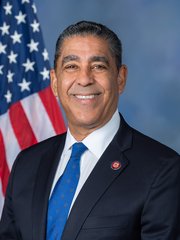
Adriano Espaillat
1954 - наст. время
HPI: 43.91
Место: 17




