Athlète
Giuseppe Gentile
1943 - aujourd'hui
PAGES VUES SUR FR.WIKIPEDIA (PV)
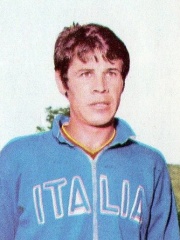
 Giuseppe Gentile
Sa biographie est disponible en 20 langues sur Wikipédia (en hausse par rapport à 19 en 2024). Giuseppe Gentile est le 641st athlète le plus populaire (en hausse du 859th en 2024), la 3,464th biographie la plus populaire d'Italie (en hausse du 3,765th en 2019), ainsi que le 26th athlète d'Italie le plus populaire.
Indicateurs de mémorabilité
10k
Pages vues
12 derniers mois
57.01
HPI
Indice de popularité historique
Pages vues de Giuseppe Gentile par langue
Parmi les Athlète
Parmi les Athlète, Giuseppe Gentile occupe le rang 641 sur 6,025. Avant lui viennent Janne Lundblad, Arthur Tell Schwab, Birgit Fischer, Norma Croker, Shirley Strickland, et Stan Rowley. Après lui viennent Yelizaveta Dementyeva, Käthe Krauss, Elfriede Kaun, Keto Losaberidze, Otis Davis, et Liz Chase.
Athlète les plus populaires sur Wikipédia
Voir tous les classements

Janne Lundblad
1887 - 1940
HPI : 57.03
Rang : 635

Arthur Tell Schwab
1896 - 1945
HPI : 57.03
Rang : 636

Birgit Fischer
1962 - présent
HPI : 57.03
Rang : 637

Norma Croker
1934 - 2019
HPI : 57.03
Rang : 638
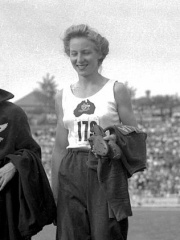
Shirley Strickland
1925 - 2004
HPI : 57.03
Rang : 639
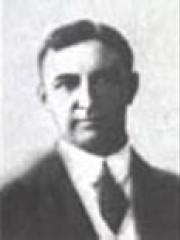
Stan Rowley
1876 - 1924
HPI : 57.02
Rang : 640
Giuseppe Gentile
1943 - présent
HPI : 57.01
Rang : 641

Yelizaveta Dementyeva
1928 - 2022
HPI : 57.01
Rang : 642
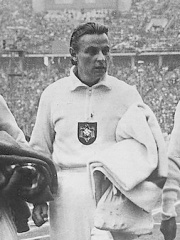
Käthe Krauss
1906 - 1970
HPI : 57.00
Rang : 643
Elfriede Kaun
1914 - 2008
HPI : 57.00
Rang : 644
Keto Losaberidze
1949 - 2022
HPI : 56.99
Rang : 645

Otis Davis
1932 - 2024
HPI : 56.99
Rang : 646

Liz Chase
1950 - 2018
HPI : 56.99
Rang : 647

Contemporains
Parmi les personnes nées en 1943, Giuseppe Gentile occupe le rang 428. Avant lui viennent Ricardo Pavoni, Manfred Eicher, Mike Barrett, Ion Ciubuc, Heloísa Pinheiro, et Gianni Motta. Après lui viennent Nahas Angula, Yawovi Agboyibo, Roy D. Bridges Jr., Annette Messager, Ibrahim al-Hamdi, et Peter Carey.
Autres personnes nées en 1943
Voir tous les classements
Ricardo Pavoni
SOCCER PLAYER
1943 - présent
HPI : 57.11
Rang : 422

Manfred Eicher
MUSICIAN
1943 - présent
HPI : 57.10
Rang : 423

Mike Barrett
BASKETBALL PLAYER
1943 - 2011
HPI : 57.08
Rang : 424
Ion Ciubuc
POLITICIAN
1943 - 2018
HPI : 57.08
Rang : 425

Heloísa Pinheiro
MODEL
1943 - présent
HPI : 57.05
Rang : 426
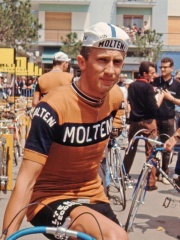
Gianni Motta
CYCLIST
1943 - présent
HPI : 57.02
Rang : 427
Giuseppe Gentile
ATHLETE
1943 - présent
HPI : 57.01
Rang : 428

Nahas Angula
POLITICIAN
1943 - présent
HPI : 57.00
Rang : 429

Yawovi Agboyibo
POLITICIAN
1943 - 2020
HPI : 56.99
Rang : 430

Roy D. Bridges Jr.
ASTRONAUT
1943 - présent
HPI : 56.96
Rang : 431

Annette Messager
ARTIST
1943 - présent
HPI : 56.96
Rang : 432
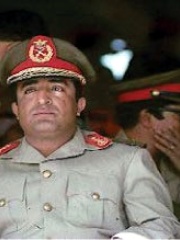
Ibrahim al-Hamdi
POLITICIAN
1943 - 1977
HPI : 56.93
Rang : 433

Peter Carey
WRITER
1943 - présent
HPI : 56.92
Rang : 434
En Italie
Parmi les personnes nées en Italie, Giuseppe Gentile occupe le rang 3,464 sur NaN. Avant lui viennent Fabio Quagliarella (1983), Antonio Fogazzaro (1842), Alessandra Panaro (1939), Gianni Motta (1943), Giovanni I Cornaro (1551), et Prince Nikolaos of Greece and Denmark (1969). Après lui viennent Eusebio Castigliano (1921), Giuliano Bonfante (1904), Jacopo Contarini (1194), Fabrizio Meoni (1957), Mario Rigoni Stern (1921), et Mario Magnozzi (1902).
Autres personnes nées en Italie
Voir tous les classements
Fabio Quagliarella
SOCCER PLAYER
1983 - présent
HPI : 57.05
Rang : 3,458
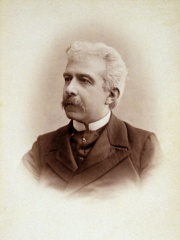
Antonio Fogazzaro
WRITER
1842 - 1911
HPI : 57.03
Rang : 3,459

Alessandra Panaro
ACTOR
1939 - 2019
HPI : 57.02
Rang : 3,460
Gianni Motta
CYCLIST
1943 - présent
HPI : 57.02
Rang : 3,461

Giovanni I Cornaro
POLITICIAN
1551 - 1629
HPI : 57.02
Rang : 3,462
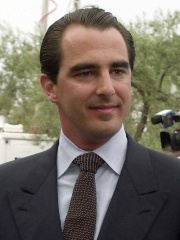
Prince Nikolaos of Greece and Denmark
POLITICIAN
1969 - présent
HPI : 57.02
Rang : 3,463
Giuseppe Gentile
ATHLETE
1943 - présent
HPI : 57.01
Rang : 3,464
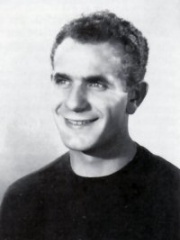
Eusebio Castigliano
SOCCER PLAYER
1921 - 1949
HPI : 57.00
Rang : 3,465
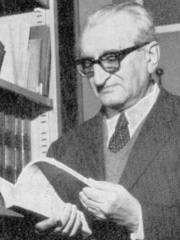
Giuliano Bonfante
LINGUIST
1904 - 2005
HPI : 57.00
Rang : 3,466
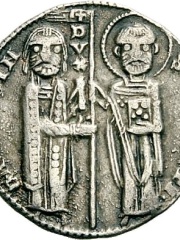
Jacopo Contarini
POLITICIAN
1194 - 1280
HPI : 57.00
Rang : 3,467

Fabrizio Meoni
RACING DRIVER
1957 - 2005
HPI : 56.99
Rang : 3,468
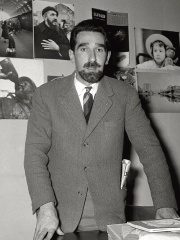
Mario Rigoni Stern
WRITER
1921 - 2008
HPI : 56.99
Rang : 3,469
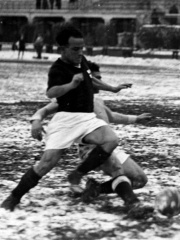
Mario Magnozzi
SOCCER PLAYER
1902 - 1971
HPI : 56.99
Rang : 3,470
Parmi les Athlète en Italie
Parmi les Athlète nés en Italie, Giuseppe Gentile occupe le rang 26. Avant lui viennent Gustavo Marzi (1908), Rodolfo Terlizzi (1896), Oreste Puliti (1891), Aldo Aureggi (1931), Fausto Acke (1897), et Angelo Vanzin (1932). Après lui viennent Valerio Arri (1892), Pino Dordoni (1926), Franco Faggi (1926), Carlo Monti (1920), Giancarlo Brusati (1910), et Gioacchino Guaragna (1908).
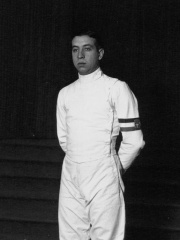
Gustavo Marzi
1908 - 1966
HPI : 57.82
Rang : 20

Rodolfo Terlizzi
1896 - 1971
HPI : 57.44
Rang : 21

Oreste Puliti
1891 - 1958
HPI : 57.37
Rang : 22

Aldo Aureggi
1931 - 2020
HPI : 57.18
Rang : 23
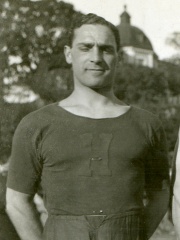
Fausto Acke
1897 - 1967
HPI : 57.16
Rang : 24

Angelo Vanzin
1932 - 2018
HPI : 57.13
Rang : 25
Giuseppe Gentile
1943 - présent
HPI : 57.01
Rang : 26
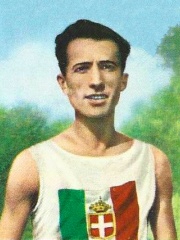
Valerio Arri
1892 - 1970
HPI : 56.80
Rang : 27
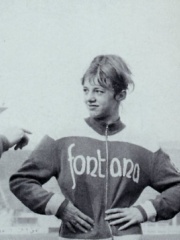
Pino Dordoni
1926 - 1998
HPI : 56.69
Rang : 28

Franco Faggi
1926 - 2016
HPI : 56.67
Rang : 29
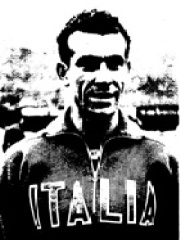
Carlo Monti
1920 - 2016
HPI : 56.50
Rang : 30

Giancarlo Brusati
1910 - 2001
HPI : 56.49
Rang : 31
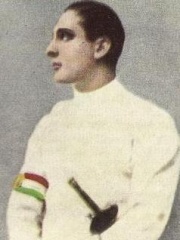
Gioacchino Guaragna
1908 - 1971
HPI : 56.48
Rang : 32




