Хоккеист
Fanny Rinne
1980 - настоящее время

 Fanny Rinne
Её биография доступна на 15 различных языках в Википедии. Fanny Rinne занимает 657-е место среди самых популярных хоккеист, занимает 7493-е место среди самых популярных биографий из Германии и занимает 21-е место среди хоккеист Германия.
Метрики памятности
4.0k
Просмотры страниц
За последние 12 месяцев
36.58
HPI
Индекс исторической популярности
Интересные факты
15
Биография Fanny Rinne представлена в 15 языковых разделах Википедии, а Индекс исторической популярности составляет 36.58.
Просмотры страницы Fanny Rinne по языкам
Среди представителей профессии «Хоккеист»
Среди представителей профессии «Хоккеист» Fanny Rinne занимает 657-е место из 993. Перед ней идут Jan Muršak, Jan Kovář, Sergei Shirokov, Olli Määttä, Ondřej Palát, и Ken André Olimb. После неё идут Jason Spezza, Marek Hrivík, Maxim Lapierre, Sofía Maccari, Nikita Filatov, и Christopher Wesley.
Самые популярные в Википедии: Хоккеист
Все рейтинги

Jan Muršak
1988 - наст. время
HPI: 36.78
Место: 651

Jan Kovář
1990 - наст. время
HPI: 36.75
Место: 652

Sergei Shirokov
1986 - наст. время
HPI: 36.73
Место: 653

Olli Määttä
1994 - наст. время
HPI: 36.72
Место: 654

Ondřej Palát
1991 - наст. время
HPI: 36.70
Место: 655

Ken André Olimb
1989 - наст. время
HPI: 36.68
Место: 656
Fanny Rinne
1980 - наст. время
HPI: 36.58
Место: 657

Jason Spezza
1983 - наст. время
HPI: 36.58
Место: 658

Marek Hrivík
1991 - наст. время
HPI: 36.55
Место: 659

Maxim Lapierre
1985 - наст. время
HPI: 36.55
Место: 660

Sofía Maccari
1984 - наст. время
HPI: 36.54
Место: 661

Nikita Filatov
1990 - наст. время
HPI: 36.54
Место: 662

Christopher Wesley
1987 - наст. время
HPI: 36.54
Место: 663

Современники
Среди людей, родившихся в 1980 году, Fanny Rinne занимает 1,488-е место. Перед ней идут Aubrey Dollar, Tsuyoshi Tanikawa, Al Harrington, Mmusi Maimane, Ben Lawson, и Rocky Juarez. После неё идут Masaki Fukai, Grégory Pujol, Harbhajan Singh, Péter Jakab, Danny Shittu, и Sandra Laoura.
Другие люди, родившиеся в 1980 году
Все рейтинги
Aubrey Dollar
ACTOR
1980 - наст. время
HPI: 36.67
Место: 1,482

Tsuyoshi Tanikawa
SOCCER PLAYER
1980 - наст. время
HPI: 36.66
Место: 1,483

Al Harrington
BASKETBALL PLAYER
1980 - наст. время
HPI: 36.66
Место: 1,484
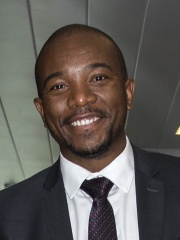
Mmusi Maimane
POLITICIAN
1980 - наст. время
HPI: 36.65
Место: 1,485
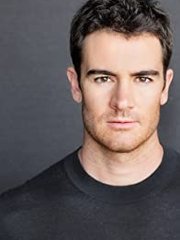
Ben Lawson
ACTOR
1980 - наст. время
HPI: 36.63
Место: 1,486

Rocky Juarez
BOXER
1980 - наст. время
HPI: 36.59
Место: 1,487
Fanny Rinne
HOCKEY PLAYER
1980 - наст. время
HPI: 36.58
Место: 1,488

Masaki Fukai
SOCCER PLAYER
1980 - наст. время
HPI: 36.58
Место: 1,489

Grégory Pujol
SOCCER PLAYER
1980 - наст. время
HPI: 36.56
Место: 1,490
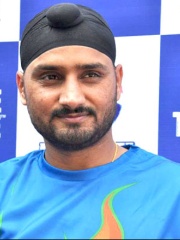
Harbhajan Singh
CRICKETER
1980 - наст. время
HPI: 36.54
Место: 1,491

Péter Jakab
POLITICIAN
1980 - наст. время
HPI: 36.53
Место: 1,492

Danny Shittu
SOCCER PLAYER
1980 - наст. время
HPI: 36.53
Место: 1,493

Sandra Laoura
SKIER
1980 - наст. время
HPI: 36.53
Место: 1,494
В стране Германия
Среди людей, родившихся в стране Германия, Fanny Rinne занимает 7,493-е место из 8,184. Перед ней идут Henriette Confurius (1991), Chris Löwe (1989), Tuğrul Erat (1992), Stephan Leyhe (1992), Eric Johannesen (1988), и Alexander Megos (1993). После неё идут Laura Basuki (1988), Rick Zabel (1993), Hendrik Bonmann (1994), Martin Lanig (1984), Kristof Magnusson (1976), и Pauline Grabosch (1998).
Другие люди, родившиеся в стране Германия
Все рейтинги
Henriette Confurius
ACTOR
1991 - наст. время
HPI: 36.65
Место: 7,487

Chris Löwe
SOCCER PLAYER
1989 - наст. время
HPI: 36.64
Место: 7,488

Tuğrul Erat
SOCCER PLAYER
1992 - наст. время
HPI: 36.63
Место: 7,489
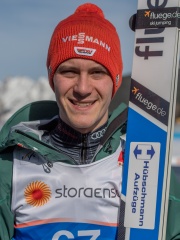
Stephan Leyhe
SKIER
1992 - наст. время
HPI: 36.63
Место: 7,490
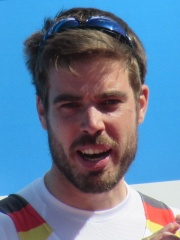
Eric Johannesen
ATHLETE
1988 - наст. время
HPI: 36.63
Место: 7,491

Alexander Megos
ATHLETE
1993 - наст. время
HPI: 36.59
Место: 7,492
Fanny Rinne
HOCKEY PLAYER
1980 - наст. время
HPI: 36.58
Место: 7,493

Laura Basuki
ACTOR
1988 - наст. время
HPI: 36.58
Место: 7,494

Rick Zabel
CYCLIST
1993 - наст. время
HPI: 36.57
Место: 7,495

Hendrik Bonmann
SOCCER PLAYER
1994 - наст. время
HPI: 36.56
Место: 7,496

Martin Lanig
SOCCER PLAYER
1984 - наст. время
HPI: 36.56
Место: 7,497
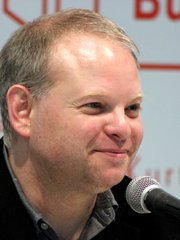
Kristof Magnusson
WRITER
1976 - наст. время
HPI: 36.55
Место: 7,498

Pauline Grabosch
CYCLIST
1998 - наст. время
HPI: 36.54
Место: 7,499
Среди представителей профессии «Хоккеист» в стране Германия
Среди представителей профессии «Хоккеист», родившихся в стране Германия, Fanny Rinne занимает 21-е место. Перед ней идут Marcel Goc (1983), Dennis Endras (1985), Matthias Witthaus (1982), Thomas Greiss (1986), Philipp Grubauer (1991), и Artūrs Kulda (1988). После неё идут Christopher Wesley (1987), Oskar Deecke (1986), Patrick Hager (1988), Moritz Seider (2001), Sebastian Biederlack (1981), и Danny aus den Birken (1985).

Marcel Goc
1983 - наст. время
HPI: 38.85
Место: 15

Dennis Endras
1985 - наст. время
HPI: 38.74
Место: 16

Matthias Witthaus
1982 - наст. время
HPI: 38.20
Место: 17

Thomas Greiss
1986 - наст. время
HPI: 38.16
Место: 18

Philipp Grubauer
1991 - наст. время
HPI: 37.29
Место: 19

Artūrs Kulda
1988 - наст. время
HPI: 36.91
Место: 20
Fanny Rinne
1980 - наст. время
HPI: 36.58
Место: 21
Christopher Wesley
1987 - наст. время
HPI: 36.54
Место: 22

Oskar Deecke
1986 - наст. время
HPI: 36.13
Место: 23

Patrick Hager
1988 - наст. время
HPI: 36.08
Место: 24

Moritz Seider
2001 - наст. время
HPI: 35.89
Место: 25

Sebastian Biederlack
1981 - наст. время
HPI: 35.68
Место: 26

Danny aus den Birken
1985 - наст. время
HPI: 35.64
Место: 27




