Politico
Chiang Wei-kuo
1916 - 1997
VISUALIZZAZIONI SU IT.WIKIPEDIA (PV)
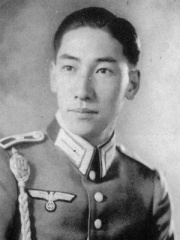
 Chiang Wei-kuo
La sua biografia è disponibile in 17 lingue su Wikipedia. Chiang Wei-kuo è il 8600° politico più popolare (in calo dal 7900° nel 2024), la 731ª biografia più popolare della Giappone (in calo dal 631ª nel 2019) e il 251° politico più popolare della Giappone.
Metriche di memorabilità
300k
Visualizzazioni
Ultimi 12 mesi
62.62
HPI
Indice di popolarità storica
Visualizzazioni della pagina di Chiang Wei-kuo per lingua
Tra Politico
Tra Politico, Chiang Wei-kuo occupa la posizione 8,596 su 19,576. Prima di lui ci sono Shō Hashi, Ankhwennefer, Jia Chong, Leopold II, Prince of Anhalt-Dessau, Hastings Ismay, 1st Baron Ismay, e Chen Gongbo. Dopo di lui ci sono Elisabeth Hevelius, Vitaliy Masol, Peter II of Cyprus, Héctor José Cámpora, Takahashi Korekiyo, e Ariadne.
Politico più popolari su Wikipedia
Vai a tutte le classifiche

Shō Hashi
1371 - 1439
HPI: 62.63
Posizione: 8,594

Ankhwennefer
300 BC - 200 BC
HPI: 62.63
Posizione: 8,595

Jia Chong
217 - 282
HPI: 62.63
Posizione: 8,596
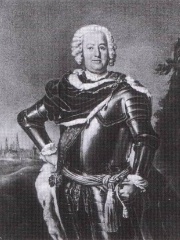
Leopold II, Prince of Anhalt-Dessau
1700 - 1751
HPI: 62.63
Posizione: 8,597
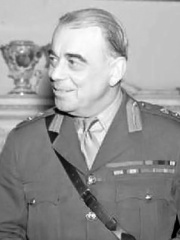
Hastings Ismay, 1st Baron Ismay
1887 - 1965
HPI: 62.63
Posizione: 8,598
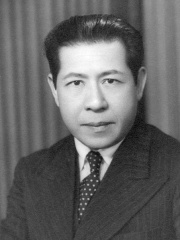
Chen Gongbo
1892 - 1946
HPI: 62.63
Posizione: 8,599
Chiang Wei-kuo
1916 - 1997
HPI: 62.62
Posizione: 8,600
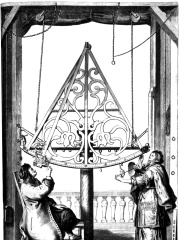
Elisabeth Hevelius
1647 - 1693
HPI: 62.62
Posizione: 8,601
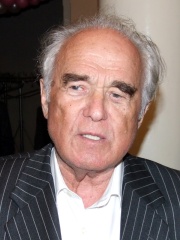
Vitaliy Masol
1928 - 2018
HPI: 62.62
Posizione: 8,602
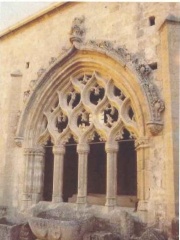
Peter II of Cyprus
1354 - 1382
HPI: 62.62
Posizione: 8,603
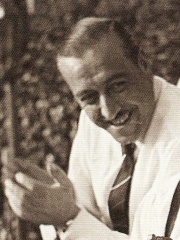
Héctor José Cámpora
1909 - 1980
HPI: 62.62
Posizione: 8,604
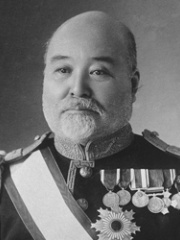
Takahashi Korekiyo
1854 - 1936
HPI: 62.62
Posizione: 8,605
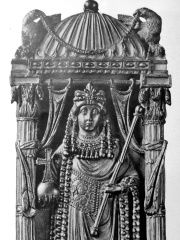
Ariadne
HPI: 62.62
Posizione: 8,606

Contemporanei
Tra le persone nate nel 1916, Chiang Wei-kuo occupa la posizione 97. Prima di lui ci sono Mika Špiljak, Jane Jacobs, Betty Grable, Yekaterina Budanova, Constantin Virgil Gheorghiu, e Pérez Prado. Dopo di lui ci sono Luis Corvalán, Jurij Brězan, Mercedes McCambridge, Elisabeth Noelle-Neumann, Sangoulé Lamizana, e Edmundo Suárez. Tra le persone decedute nel 1997, Chiang Wei-kuo occupa la posizione 100. Prima di lui ci sono Francisco Aramburu, François Furet, Martin Schwarzschild, Lyman Spitzer, Bo Widerberg, e Jambyn Batmönkh. Dopo di lui ci sono Allan Edwall, Peng Zhen, Félix Candela, Hubert Blaine Wolfeschlegelsteinhausenbergerdorff Sr., Kang Song-san, e David Doyle.
Altre persone nate nel 1916
Vai a tutte le classifiche
Mika Špiljak
POLITICIAN
1916 - 2007
HPI: 63.16
Posizione: 91
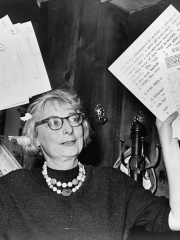
Jane Jacobs
WRITER
1916 - 2006
HPI: 63.09
Posizione: 92
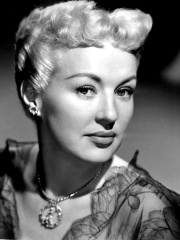
Betty Grable
ACTOR
1916 - 1973
HPI: 63.00
Posizione: 93
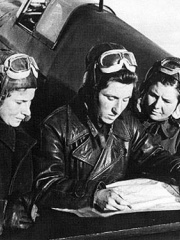
Yekaterina Budanova
MILITARY PERSONNEL
1916 - 1943
HPI: 62.99
Posizione: 94
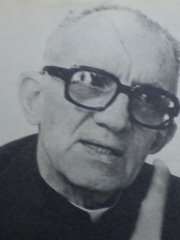
Constantin Virgil Gheorghiu
WRITER
1916 - 1992
HPI: 62.75
Posizione: 95
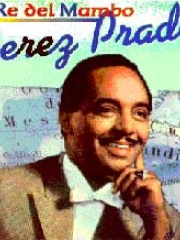
Pérez Prado
SINGER
1916 - 1989
HPI: 62.74
Posizione: 96
Chiang Wei-kuo
POLITICIAN
1916 - 1997
HPI: 62.62
Posizione: 97
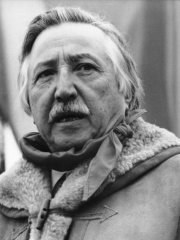
Luis Corvalán
POLITICIAN
1916 - 2010
HPI: 62.42
Posizione: 98
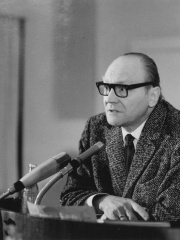
Jurij Brězan
WRITER
1916 - 2006
HPI: 62.37
Posizione: 99
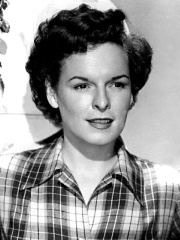
Mercedes McCambridge
ACTOR
1916 - 2004
HPI: 62.28
Posizione: 100
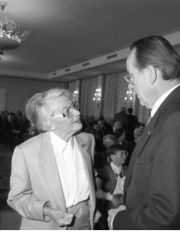
Elisabeth Noelle-Neumann
BIOLOGIST
1916 - 2010
HPI: 62.16
Posizione: 101
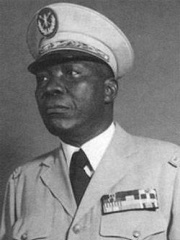
Sangoulé Lamizana
POLITICIAN
1916 - 2005
HPI: 61.92
Posizione: 102

Edmundo Suárez
SOCCER PLAYER
1916 - 1978
HPI: 61.91
Posizione: 103
Altre persone decedute nel 1997
Vai a tutte le classifiche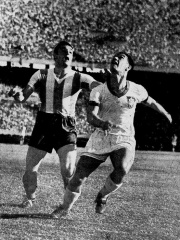
Francisco Aramburu
SOCCER PLAYER
1922 - 1997
HPI: 63.18
Posizione: 94

François Furet
HISTORIAN
1927 - 1997
HPI: 63.07
Posizione: 95
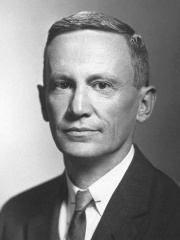
Martin Schwarzschild
ASTRONOMER
1912 - 1997
HPI: 62.92
Posizione: 96
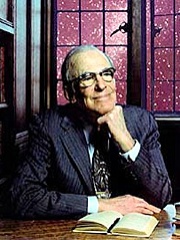
Lyman Spitzer
PHYSICIST
1914 - 1997
HPI: 62.87
Posizione: 97
Bo Widerberg
FILM DIRECTOR
1930 - 1997
HPI: 62.76
Posizione: 98
Jambyn Batmönkh
POLITICIAN
1926 - 1997
HPI: 62.71
Posizione: 99
Chiang Wei-kuo
POLITICIAN
1916 - 1997
HPI: 62.62
Posizione: 100
Allan Edwall
ACTOR
1924 - 1997
HPI: 62.37
Posizione: 101
Peng Zhen
POLITICIAN
1902 - 1997
HPI: 62.34
Posizione: 102
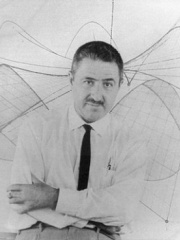
Félix Candela
ARCHITECT
1910 - 1997
HPI: 62.17
Posizione: 103
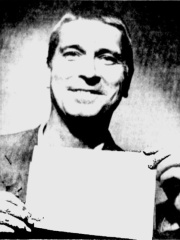
Hubert Blaine Wolfeschlegelsteinhausenbergerdorff Sr.
DESIGNER
1914 - 1997
HPI: 62.15
Posizione: 104
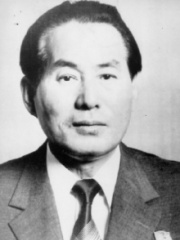
Kang Song-san
POLITICIAN
1931 - 1997
HPI: 62.14
Posizione: 105
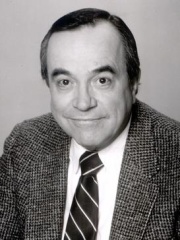
David Doyle
ACTOR
1929 - 1997
HPI: 61.95
Posizione: 106
In Giappone
Tra le persone nate in Giappone, Chiang Wei-kuo occupa la posizione 731 su NaN. Prima di lui ci sono Isao Tomita (1932), Emperor Shijō (1231), Shinya Yamanaka (1962), Kenwa Mabuni (1889), Izumi Shikibu (976), e Shō Hashi (1371). Dopo di lui ci sono Keizo Imai (1950), Takahashi Korekiyo (1854), Tanzan Ishibashi (1884), Nakano Takeko (1847), Choei Sato (1951), e Ogata Kōrin (1658).
Altre persone nate in Giappone
Vai a tutte le classifiche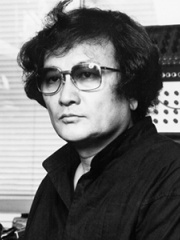
Isao Tomita
MUSICIAN
1932 - 2016
HPI: 62.69
Posizione: 725
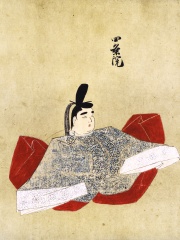
Emperor Shijō
POLITICIAN
1231 - 1242
HPI: 62.68
Posizione: 726
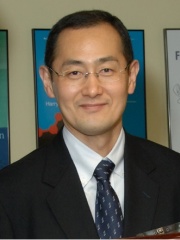
Shinya Yamanaka
PHYSICIAN
1962 - presente
HPI: 62.66
Posizione: 727
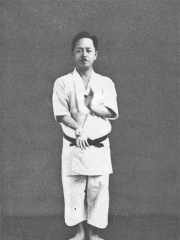
Kenwa Mabuni
MARTIAL ARTS
1889 - 1952
HPI: 62.64
Posizione: 728
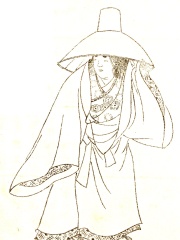
Izumi Shikibu
WRITER
976 - 1033
HPI: 62.63
Posizione: 729
Shō Hashi
POLITICIAN
1371 - 1439
HPI: 62.63
Posizione: 730
Chiang Wei-kuo
POLITICIAN
1916 - 1997
HPI: 62.62
Posizione: 731

Keizo Imai
SOCCER PLAYER
1950 - presente
HPI: 62.62
Posizione: 732
Takahashi Korekiyo
POLITICIAN
1854 - 1936
HPI: 62.62
Posizione: 733
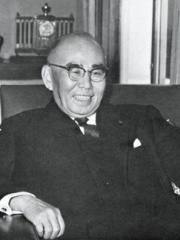
Tanzan Ishibashi
POLITICIAN
1884 - 1973
HPI: 62.61
Posizione: 734
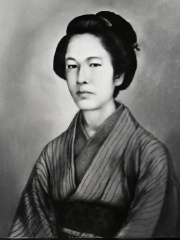
Nakano Takeko
MILITARY PERSONNEL
1847 - 1868
HPI: 62.59
Posizione: 735

Choei Sato
SOCCER PLAYER
1951 - presente
HPI: 62.58
Posizione: 736
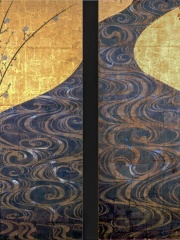
Ogata Kōrin
PAINTER
1658 - 1716
HPI: 62.58
Posizione: 737
Tra Politico in Giappone
Tra Politico nati in Giappone, Chiang Wei-kuo occupa la posizione 251. Prima di lui ci sono Hōjō Sōun (1432), Nitobe Inazō (1862), Ii Naosuke (1815), Shō Shin (1465), Emperor Shijō (1231), e Shō Hashi (1371). Dopo di lui ci sono Takahashi Korekiyo (1854), Tanzan Ishibashi (1884), Shintaro Abe (1924), Prince Morikuni (1301), Kujō Yoritsune (1218), e Jiro Taniguchi (1947).
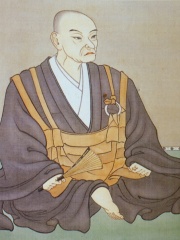
Hōjō Sōun
1432 - 1519
HPI: 62.91
Posizione: 245
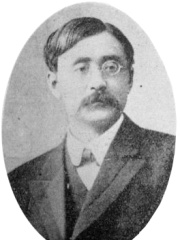
Nitobe Inazō
1862 - 1933
HPI: 62.88
Posizione: 246
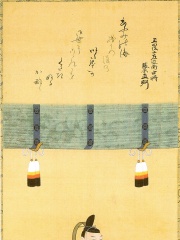
Ii Naosuke
1815 - 1860
HPI: 62.72
Posizione: 247
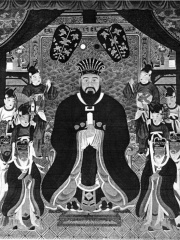
Shō Shin
1465 - 1526
HPI: 62.69
Posizione: 248
Emperor Shijō
1231 - 1242
HPI: 62.68
Posizione: 249
Shō Hashi
1371 - 1439
HPI: 62.63
Posizione: 250
Chiang Wei-kuo
1916 - 1997
HPI: 62.62
Posizione: 251
Takahashi Korekiyo
1854 - 1936
HPI: 62.62
Posizione: 252
Tanzan Ishibashi
1884 - 1973
HPI: 62.61
Posizione: 253
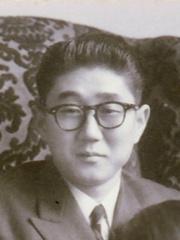
Shintaro Abe
1924 - 1991
HPI: 62.52
Posizione: 254

Prince Morikuni
1301 - 1333
HPI: 62.44
Posizione: 255
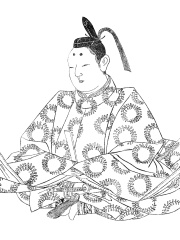
Kujō Yoritsune
1218 - 1256
HPI: 62.36
Posizione: 256
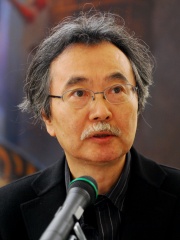
Jiro Taniguchi
1947 - 2017
HPI: 62.10
Posizione: 257




